

Paper
Mei Ying Gechlik (Veron Hung)

REQUIRED IMAGE
This Carnegie Papert analyzes the trends of successful and failed patent lawsuits and presents steps foreign companies can take to better protect their intellectual property in China.
Source: Carnegie Endowment
Greater scrutiny is expected of China’s intellectual property right laws as China’s major trading partners, the European Union and the U.S., will likely step-up demands for stronger protection. China and the EU have launched what promises to be at least a year-long negotiation over their trade relationship and other areas, while the new Democratically-controlled Congress is expected to take a close look at U.S.-China trade agreements. Current violations of intellectual property rights in China have cost foreign companies billions of dollars. What can be done now to address such violations?
In a new Carnegie Paper, Protecting Intellectual Property Rights in Chinese Courts: An Analysis of Recent Patent Judgments, Dr. Mei Y. Gechlik, non-resident associate at the Carnegie Endowment, analyzes the trends of successful and failed patent lawsuits and presents steps foreign companies can take to better protect their intellectual property in China.
In an analysis of approximately 500 patent cases, Gechlik determines how likely foreign parties are to apply for judicial review to protect their patent rights, the chance of these parties winning their cases, and factors that influence their success in these lawsuits.
Encouraging commitment to strengthening Chinese patent protections, Gechlik said: “Whenever China’s commitment to strengthening intellectual property rights is in doubt, the Chinese authorities should be reminded that one important determinant of a country’s economic development and its leading status in the world is its competency to develop advanced technologies.”
Click on icon above for the full text of this Carnegie Paper.
A limited number of print copies of this Carnegie Paper are available.
Request a copy
About the Author
Mei Ying Gechlik (Veron Hung) is an associate in the Carnegie Endowment’s China Program. She has in-depth experience in Chinese law, and law and politics in the Asia-Pacific region. In academia and the private sector, she has studied such areas as legal reform in China, constitutional development in Hong Kong, human rights in Cambodia, and trade with China.

Former Non-Resident Associate
Recent Work
Mei Ying Gechlik (Veron Hung)
Mei Ying Gechlik (Veron Hung)
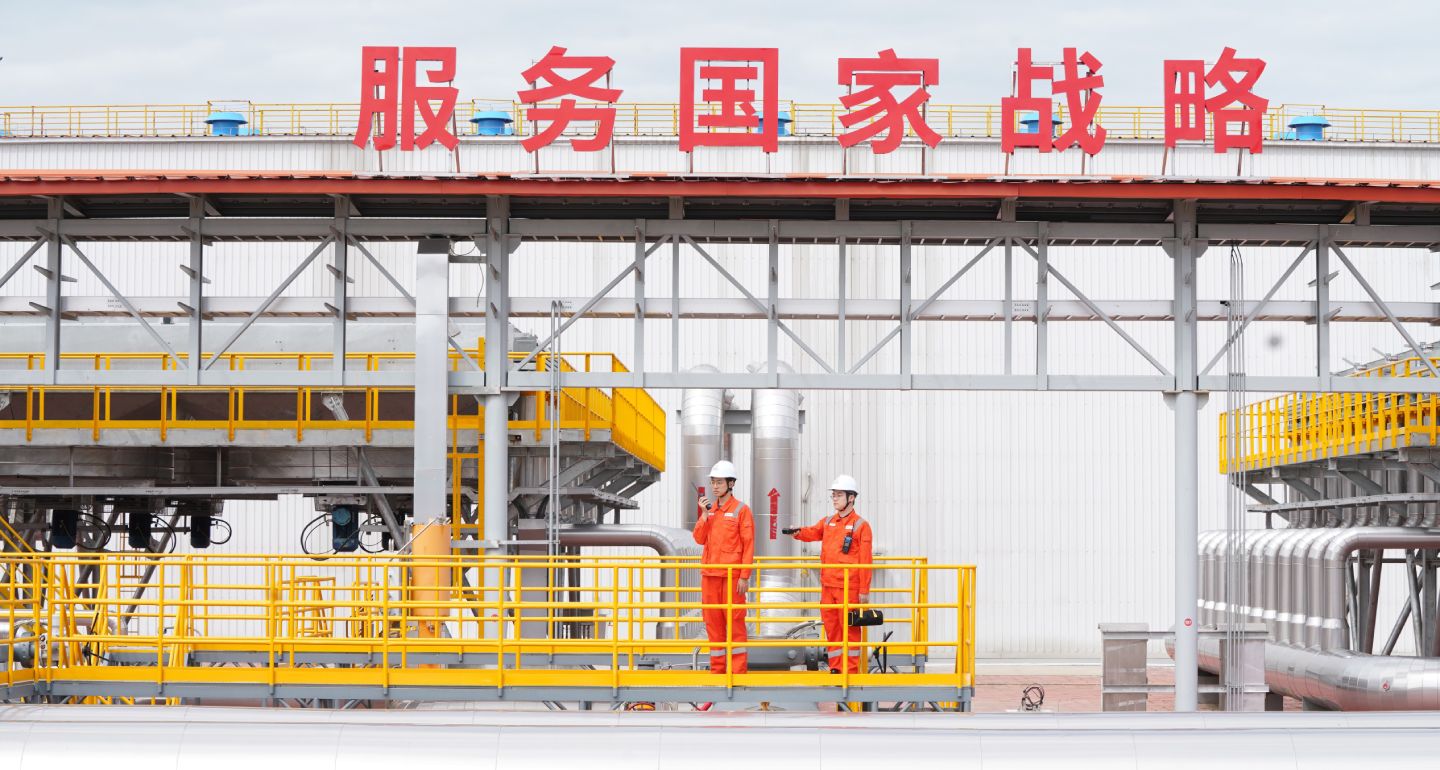
A leak of Russian gas price data helps establish that China is paying Russia far less than Central Asian countries and Gazprom’s former European customers.

Sergey Vakulenko

With the growth in points of friction between the great powers, organizations like the SCO will continue to play a role in the strategic adaptation of the smaller powers caught between them.

Temur Umarov

Ultimately, Zelensky sided neither with the reform camp nor with the military establishment as such, but with political control.

Balázs Jarábik
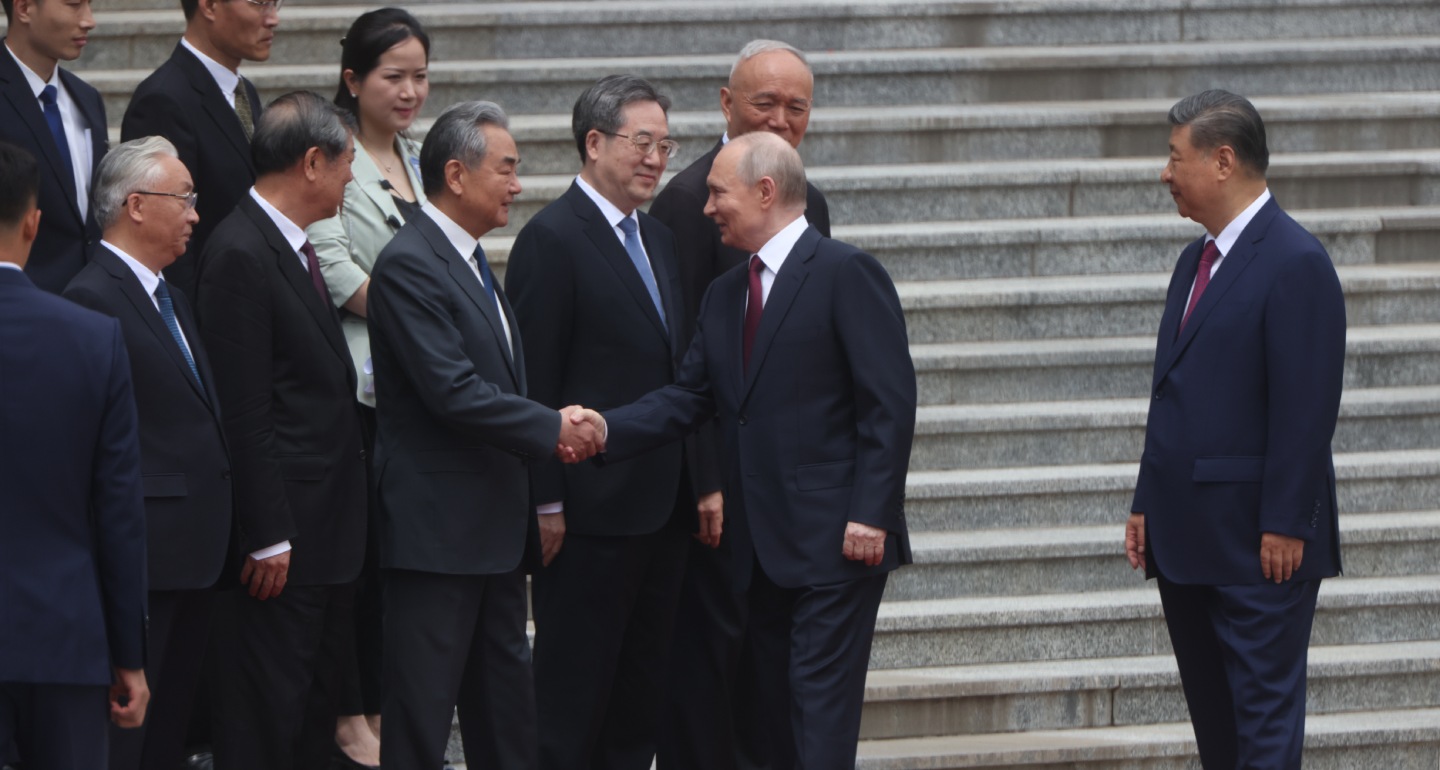
With no key agreement signed on the Power of Siberia 2 gas pipeline, there is a risk that the window of opportunity for Russia will close if Chinese power generation becomes so green that new gas sources are no longer of any interest to Beijing.

Alexander Gabuev
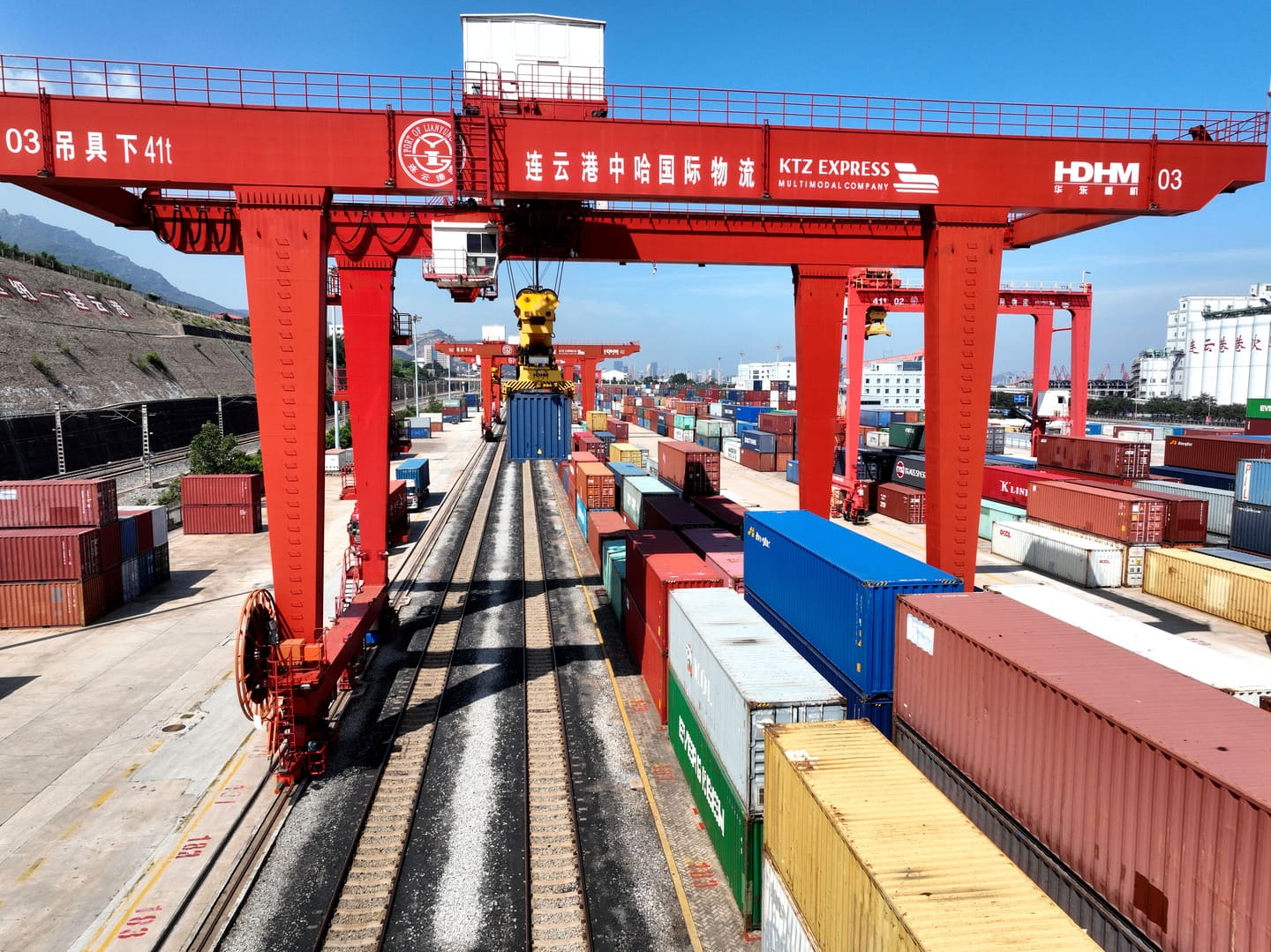
For the Middle Corridor to fulfill its promises, one of these routes must become scalable. At present, neither is.

Friedrich Conradi