

Commentary
This year’s wars have made alternative routes to transit through Russia no less risky for Central Asian countries.
Galiya Ibragimova
Far from being exhausted, the inspections process has just begun. Inspections should be pursued without ruling out future use of force. Iraq’s lack of full cooperation is a material breach, but not a casus belli.
Source: Carnegie

This new analysis, by the Carnegie team who helped write Iraq: A New Approach, last fall’s groundbreaking report that helped define the current inspections regime, provides a concise outline of the concerns over Iraq’s missile, nuclear, biological, and chemical weapons capabilities that inspectors are investigating. It addresses the effectiveness of intelligence sharing, site visits, the inspectors’ use of advanced technology, and Iraq’s willingness to cooperate. The report argues that a realistic timeframe for inspections is another year for the discovery process, followed by dismantlement and permanent monitoring.
Among its conclusions: Far from being exhausted, the inspections process has just begun. Inspections should be pursued without ruling out future use of force. Iraq’s lack of full cooperation is a material breach, but not a casus belli. As the report argues, "Disarmament achieved without a war would be an enormous—and enormously popular—achievement." In the meantime, "Saddam Hussein is effectively incarcerated and under watch by a force that could respond immediately and devastatingly to his aggression." However, if the aim is not, in fact, disarmament but regime change as a matter of principle, "then the inspection and disarmament processes now underway are largely irrelevant."
About the Authors
Joseph Cirincione is a senior associate and director of the Carnegie Non-Proliferation Project. Jessica T. Mathews is president of the Carnegie Endowment, and George Perkovich is its Vice President for Studies.
Miriam Rajkumar is a project associate and Marshall Breit is a research assistant with the Non-Proliferation Project. Dipali Mukhopadhyay is the project's Junior Fellow.
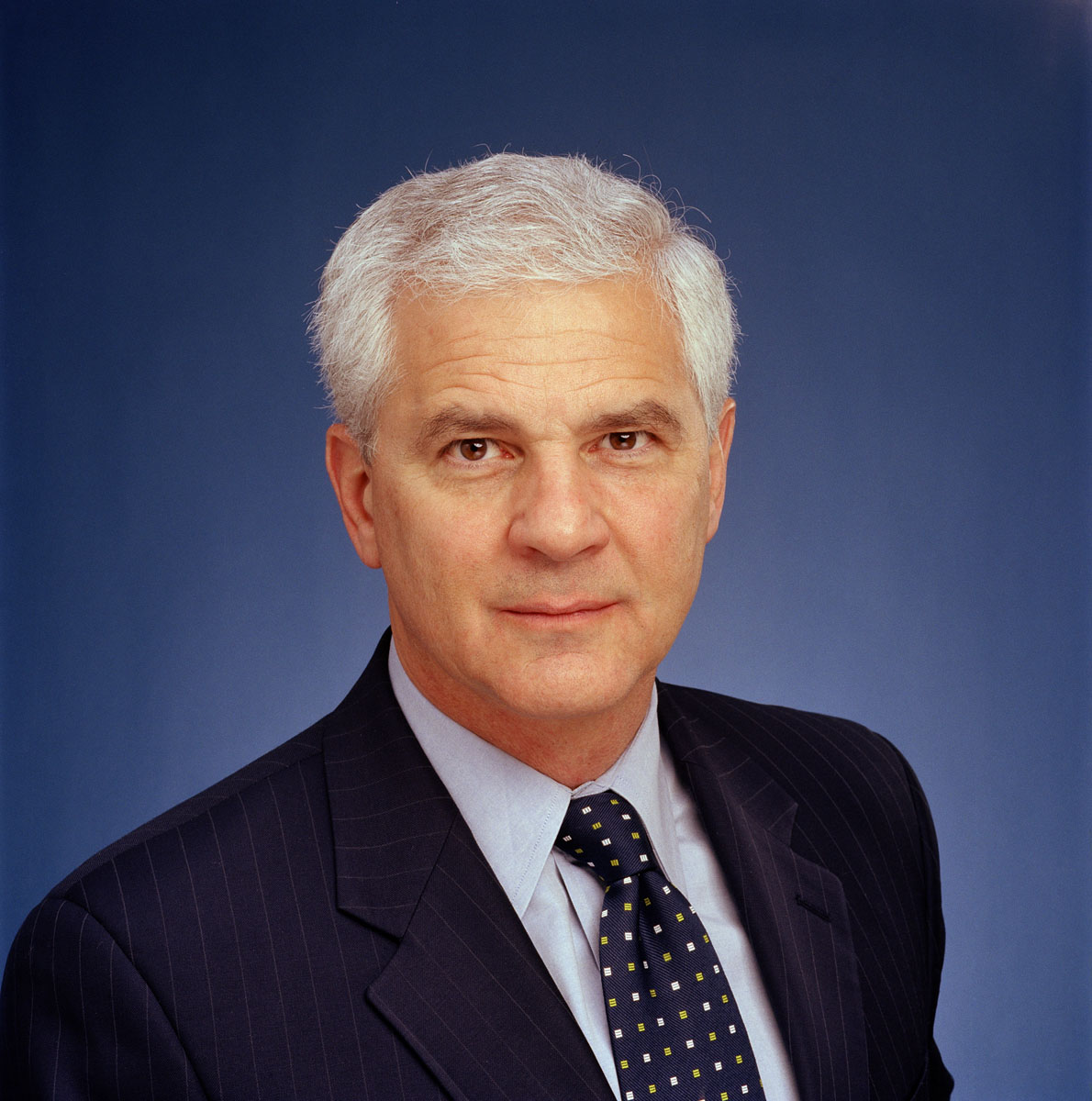
Former Senior Associate, Director for NonProliferation

Distinguished Fellow
Mathews is a distinguished fellow at the Carnegie Endowment for International Peace. She served as Carnegie’s president for 18 years.

Japan Chair for a World Without Nuclear Weapons, Senior Fellow
George Perkovich is the Japan Chair for a World Without Nuclear Weapons and a senior fellow in the Carnegie Endowment for International Peace’s Nuclear Policy Program. He works primarily on nuclear deterrence, nonproliferation, and disarmament issues, and is leading a study on nuclear signaling in the 21st century.
Carnegie does not take institutional positions on public policy issues; the views represented herein are those of the author(s) and do not necessarily reflect the views of Carnegie, its staff, or its trustees.
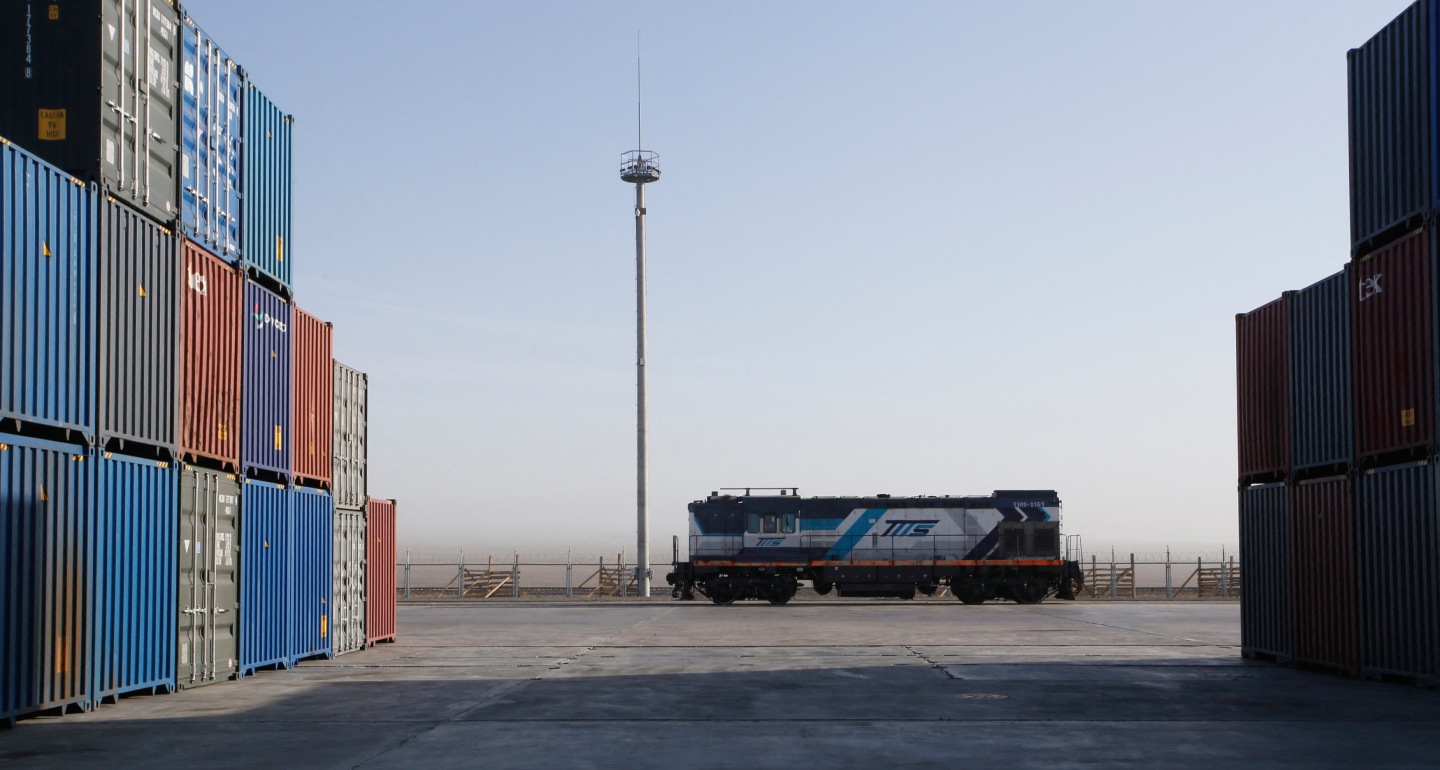
This year’s wars have made alternative routes to transit through Russia no less risky for Central Asian countries.

Galiya Ibragimova
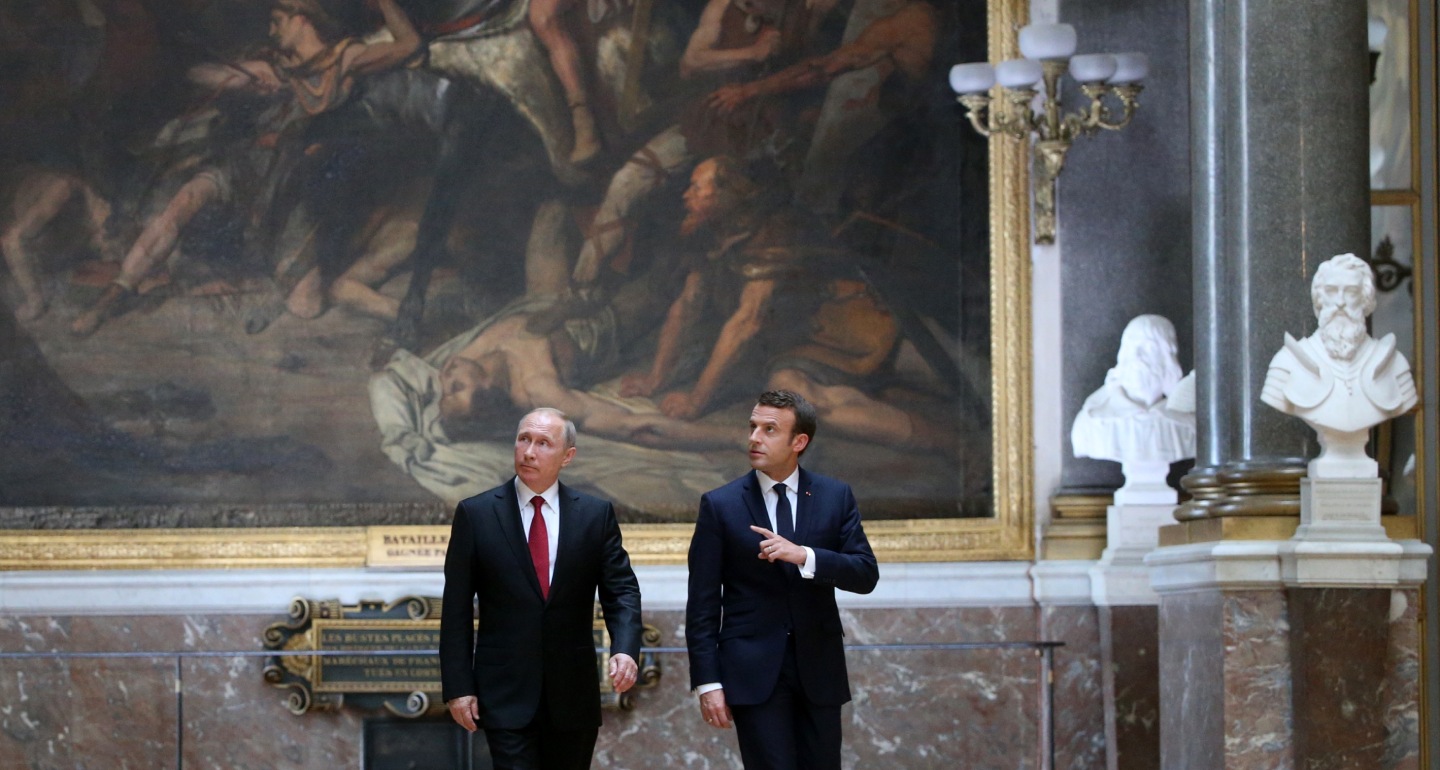
Reestablishing a dialogue with Moscow is not a goal in its own right. The goal is to guarantee the independence of Ukraine and the peace and security of Europe.
Arkady Moshes
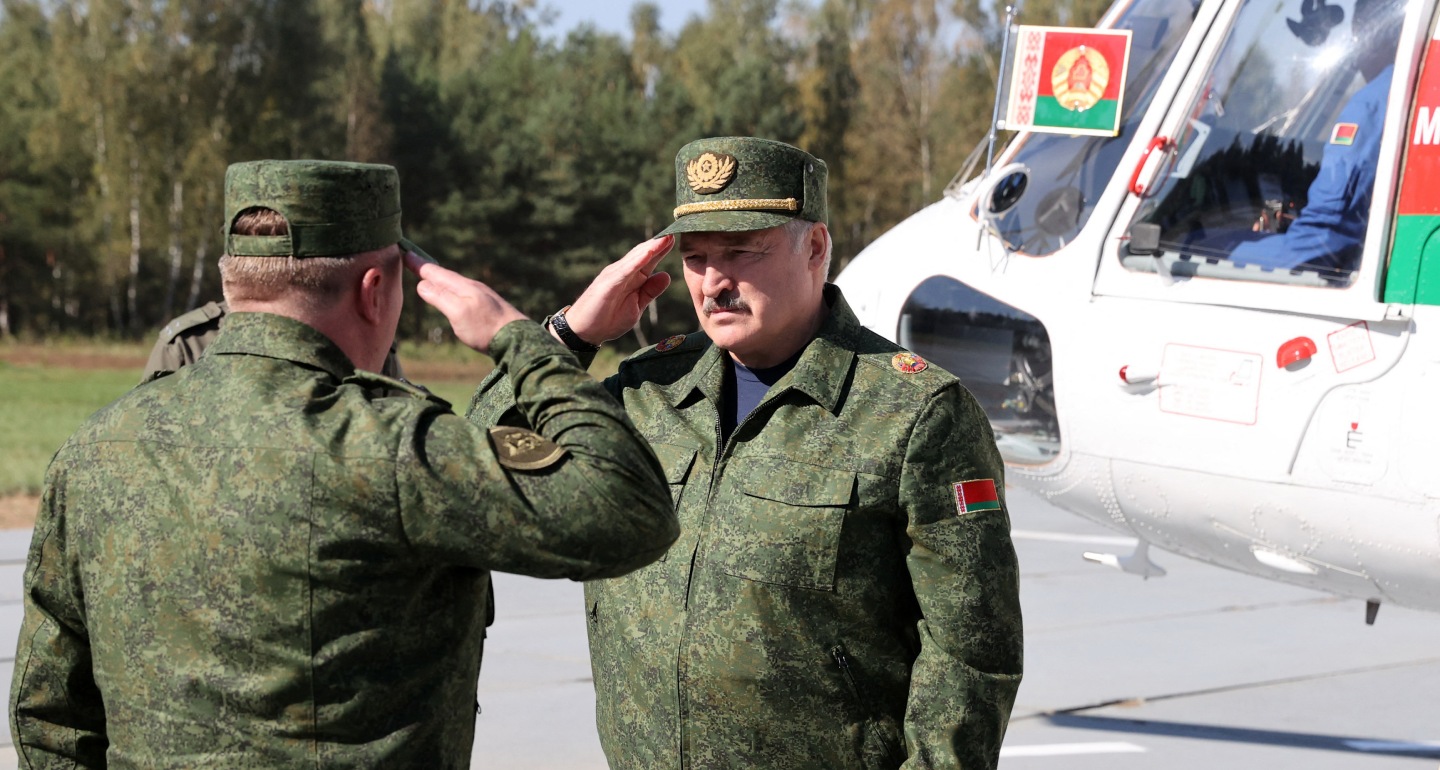
Ukraine’s increasingly confrontational posture on Belarus reflects Kyiv’s effort to shape the emerging regional order in Eastern Europe. Kyiv wants to limit European normalization with Minsk—and any future rapprochement with Russia.

Balázs Jarábik
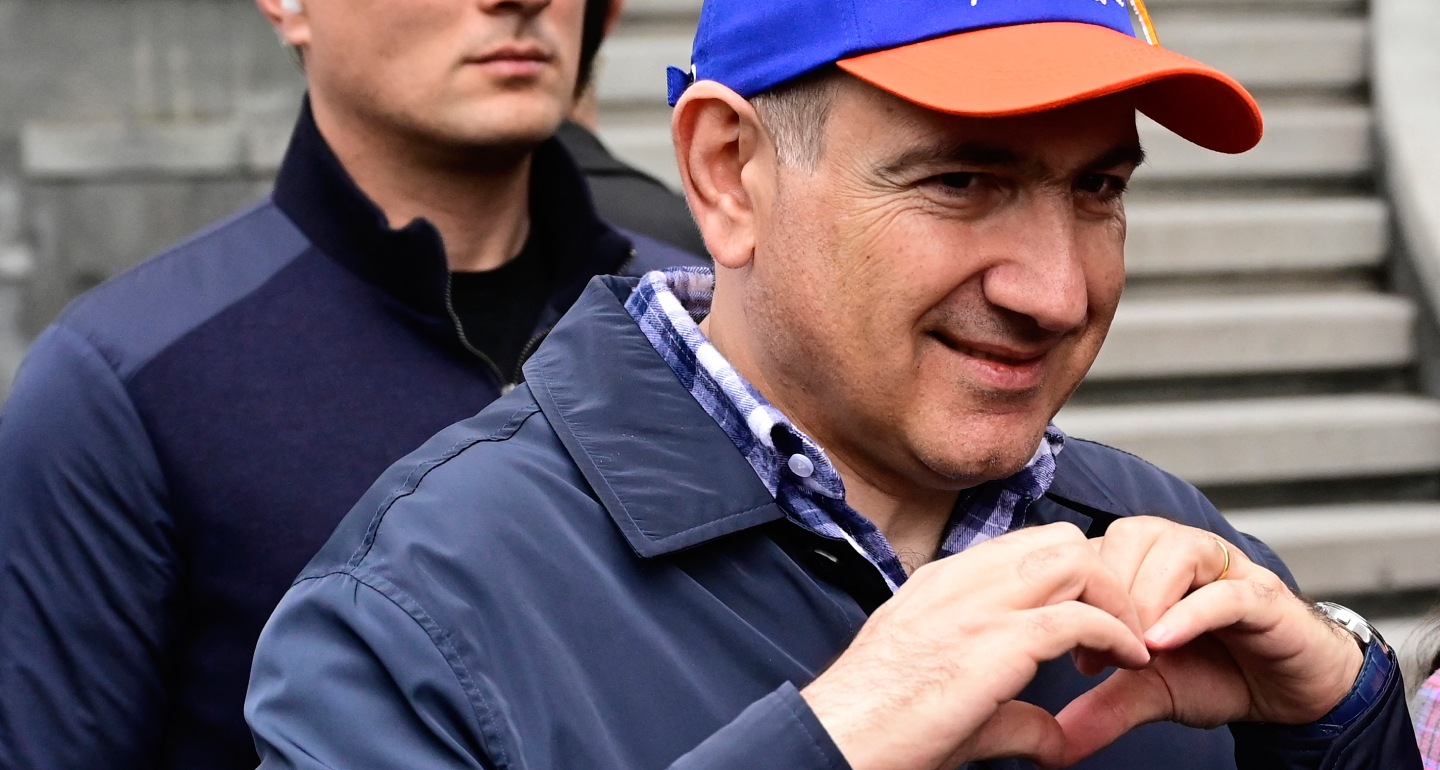
By fueling the arguments of both supporters and opponents of Armenian Prime Minister Nikol Pashinyan, Azerbaijan wants to ensure he is re-elected with a weaker mandate.

Bashir Kitachaev

A much-discussed disagreement over internet restrictions in Russia was never an existential threat for Putin: It was about elite groups protecting their interests.

Alexandra Prokopenko