

Report
- +2
George Perkovich, Jessica Tuchman Mathews, Joseph Cirincione, …

REQUIRED IMAGE
While it is not certain that North Korea would negotiate away their nuclear programs and fully abide by any agreement, such a resolution was and remains a possibility. By refusing to aggressively pursue a negotiated approach, the Bush administration has essentially green-lighted North Korea's nuclear program and may be encouraging the North to take even more drastic steps in the future.
North Korea is on the verge of becoming a nuclear weapon state. Yet, after a decade of concerted effort by Democrats and Republicans to keep the Koreas non-nuclear, the Bush administration has apparently decided either that a nuclear North Korea is not so bad, or that nothing can be done to prevent it. Both assumptions are dangerously wrong and the failure of the Bush administration's policy toward North Korea is a legacy the world will be forced to confront long after Iraq fades from the headlines.
Today, North Korea has enough plutonium-bearing spent fuel to produce 5-6 nuclear weapons. Produced during the early 1990s, this material was previously secured under a 1994 agreement between the United States and North Korea. The collapse of this agreement sparked by North Korea's secret uranium enrichment program and torched by the U.S. decision to cut off oil shipments to the North, has destroyed the freeze over North Korea's more advanced plutonium-based program. The spent fuel may now be on its way to an extraction facility and U.S. government officials suggest that North Korea could possess nuclear weapons within weeks.
U.S. policy toward North Korea since the Bush administration took office has been one of isolation and, with the discovery late last year of the secret uranium program, one of confrontation. The administration has refused to "negotiate" with North Korea, but has reluctantly expressed a willingness to "talk" to North Korea about how the North could re-freeze its nuclear activities. These overtures have produced no positive results, and in the meantime, North Korea has accelerated its efforts to produce nuclear materials and weapons.
In sum, the Bush administration's policies toward North Korea have failed to prevent North Korea from advancing its nuclear weapons capabilities. While the administration's distaste for negotiating with the North under duress can be appreciated, this posture has weakened U.S. security and that of our troops and allies in the region. Leaders in South Korea and Japan are no doubt reconsidering their future plans and nuclear status in light of the United States' inability or refusal to effectively manage the issue of North Korea's nuclear program.
While it is not certain that North Korea would negotiate away their programs and fully abide by any agreement, such a resolution was and remains a possibility. By refusing to aggressively pursue a negotiated approach, this administration has essentially green-lighted North Korea's nuclear program and may be encouraging the North to take even more drastic steps in the future. If North Korea's actions have been designed to grab U.S. attention and extract concessions from the U.S., there may be more to come. At any time, North Korea could provoke a monumental crisis by restarting its missile flight tests, increasing missile and weapon sales abroad and even, in the extreme, conducting a nuclear weapons test. By refusing to deal with the situation in North Korea over the past few months and years, the Bush administration has ensured that when the U.S. is forced to deal with North Korea's actions in the future, Washington will be in a far weaker position to do so.
Additional Resources:

Former Nonresident Scholar, Nuclear Policy Program
Jon Wolfsthal was a nonresident scholar with the Nuclear Policy Program.
Recent Work



George Perkovich, Jessica Tuchman Mathews, Joseph Cirincione, …
Jon Wolfsthal
Carnegie does not take institutional positions on public policy issues; the views represented herein are those of the author(s) and do not necessarily reflect the views of Carnegie, its staff, or its trustees.
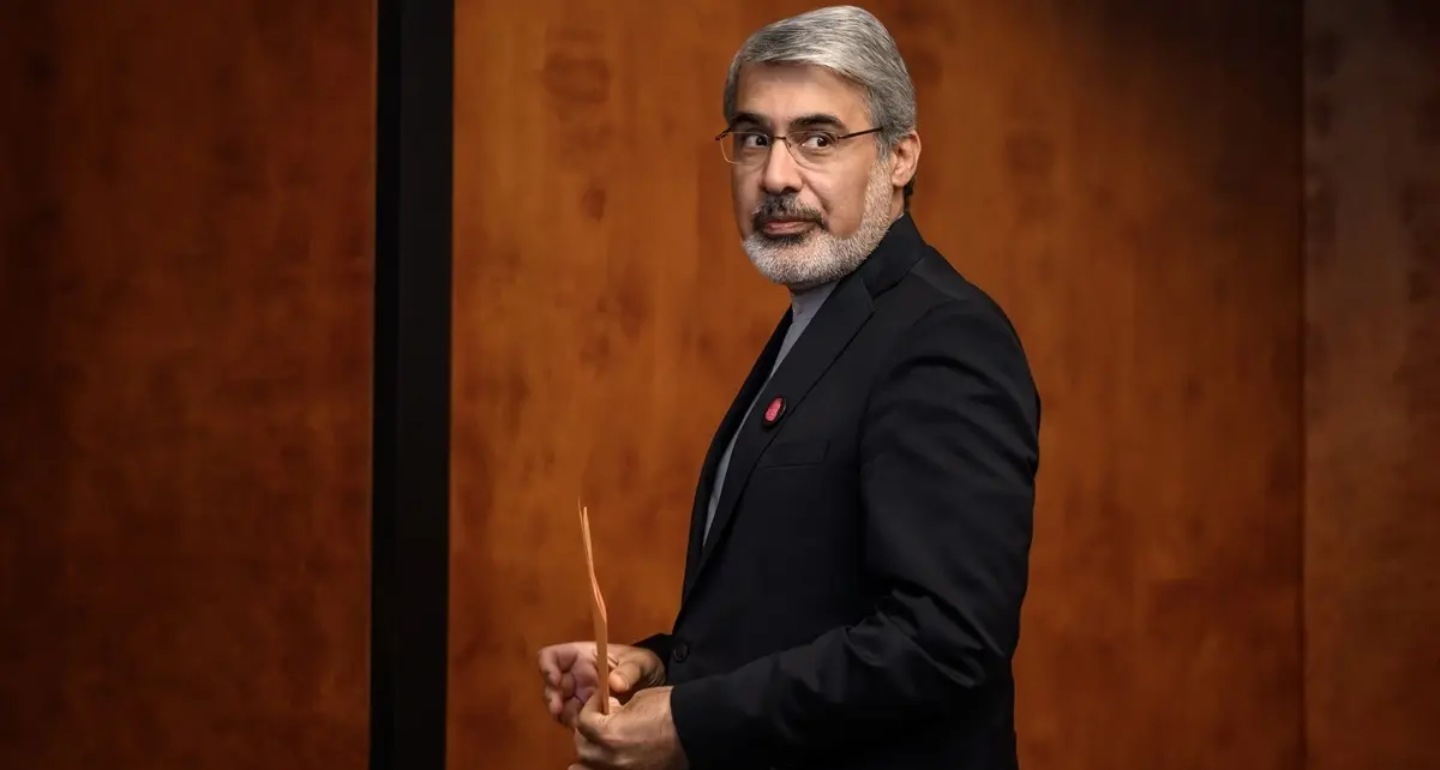
Ongoing uncertainty in the Middle East allows Moscow to both increase its influence in Tehran and continue to enjoy the financial windfall of higher oil prices.

Nikita Smagin

Governments in Estonia, Latvia, and Lithuania want to ensure that a U.S. military withdrawal would not leave them dangerously exposed to a Russian attack.

Sergejs Potapkins
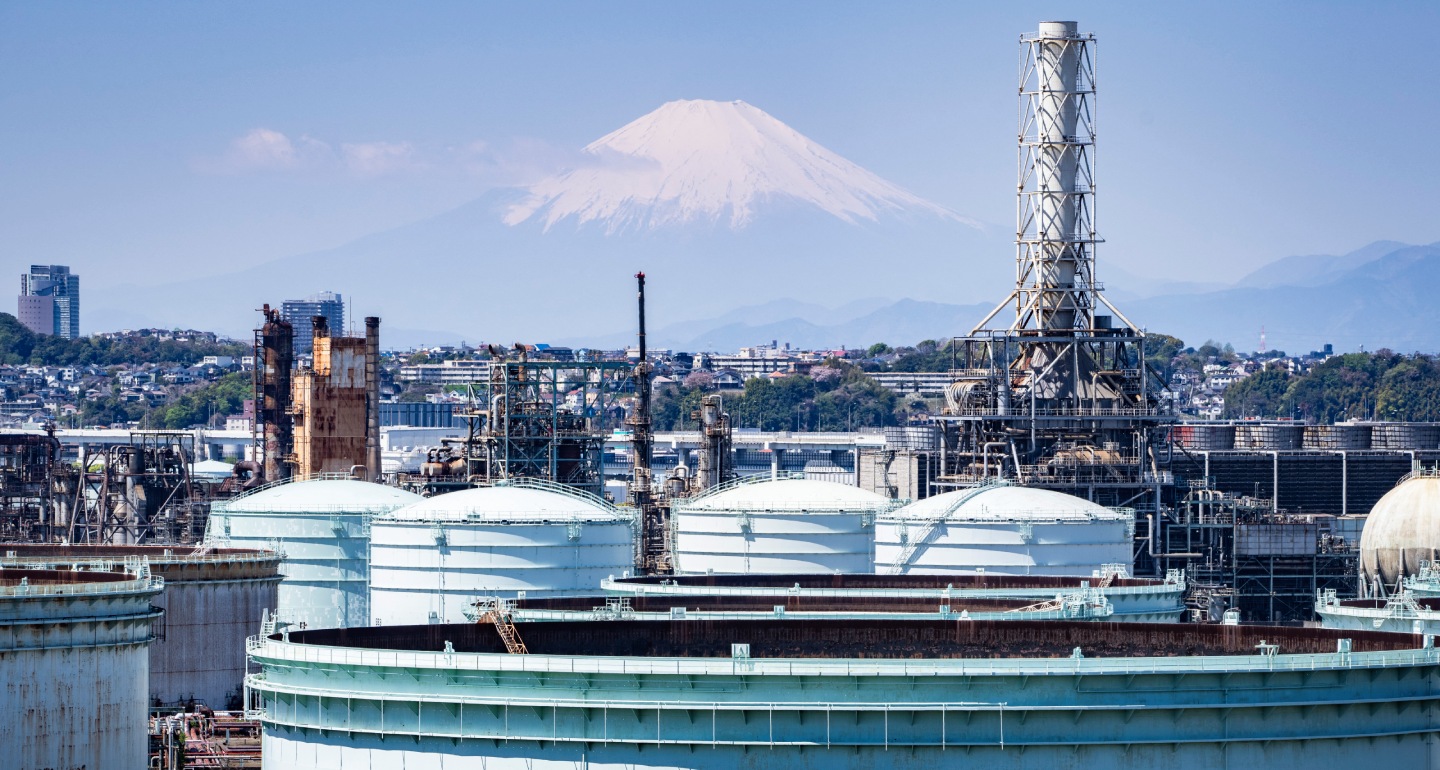
Tokyo would have to surmount a lot of obstacles—not least Western sanctions—if it wanted to return Russian oil imports to even modest pre-2022 volumes.

Vladislav Pashchenko
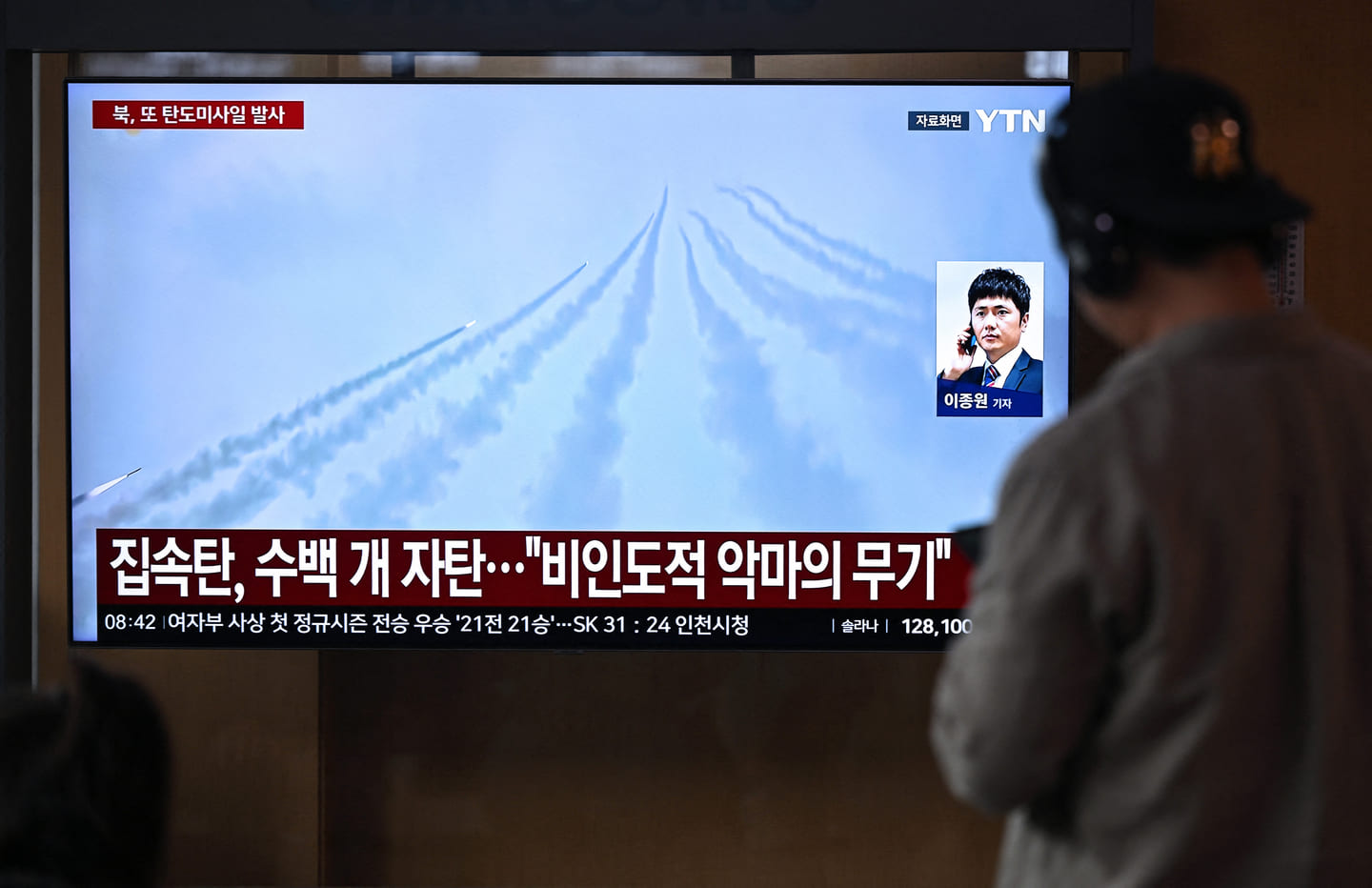
Troubled by the growing salience of nuclear debates in East Asia, Moscow has responded in its usual way: with condemnation and threats. But by exacerbating insecurity, Russia is forcing South Korea and Japan to consider radical security options.

James D.J. Brown
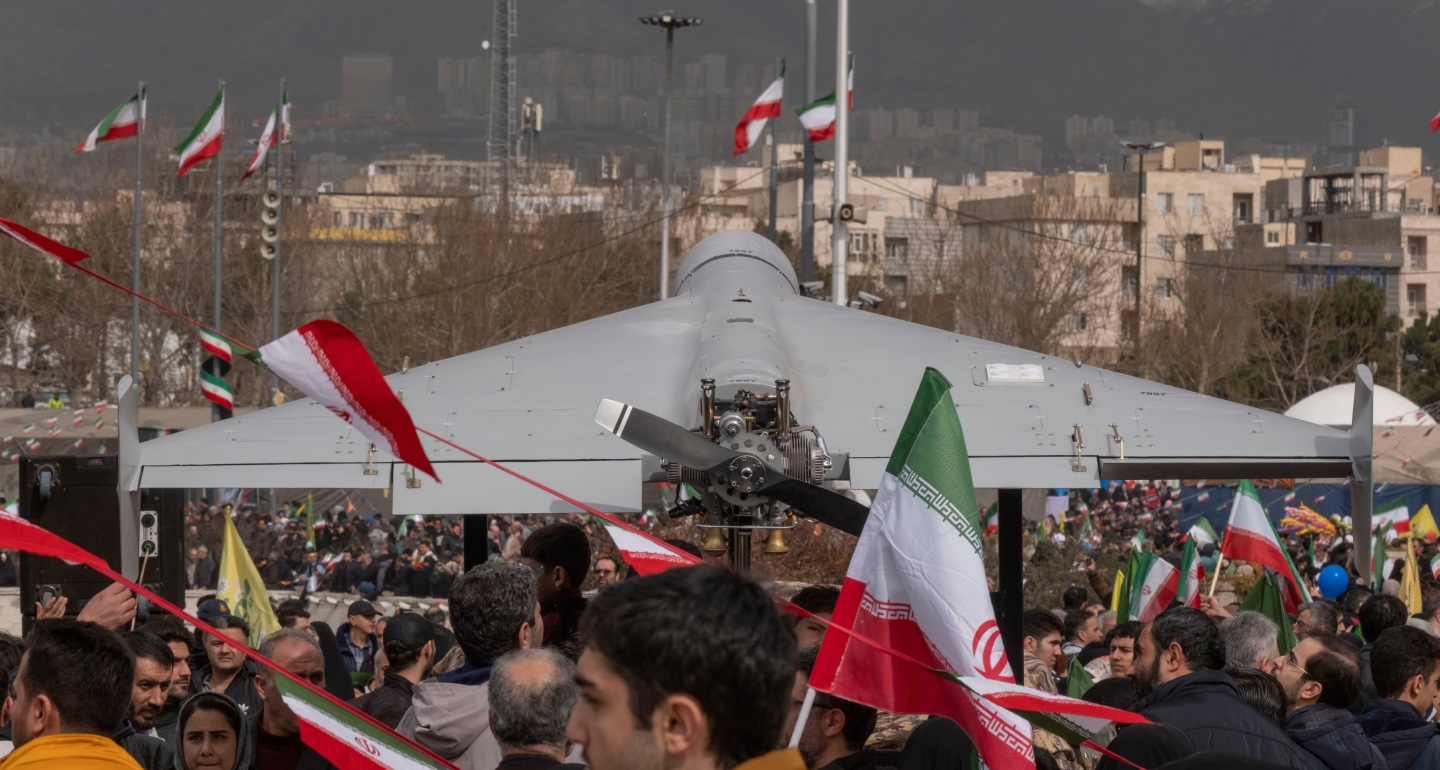
The Russian leadership wants to avoid a dangerous precedent in which it is squeezed out of Iran by the United States and Israel—and left powerless to respond in any meaningful way.
Nikita Smagin