

Commentary
Reestablishing a dialogue with Moscow is not a goal in its own right. The goal is to guarantee the independence of Ukraine and the peace and security of Europe.
Arkady Moshes

REQUIRED IMAGE
Source: Carnegie
Summary
The nuclear crisis on the Korean peninsula continues to
pose the most serious security threat to U.S. interests and friends in East
Asia. North Korea's nuclear activities include both an active plutonium
production capability and a still-under-construction uranium enrichment
capability. This program presents a critical security challenge for the United
States, countries in East Asia, and, through North Korea's potential to sell
nuclear materials abroad, the entire world. All of the states engaged with North
Korea agree that the goal of international efforts should be the complete
elimination of North Korea's nuclear program and the firm establishment of a
non-nuclear Korean peninsula.
The papers included in this report are meant to spur discussion and exploration of these complex issues, and give support to efforts to negotiate an agreement that ends the potential for North Korea to directly threaten the security of its neighbors and other countries.
Click on link above for full text of this Carnegie Paper.
About the Authors
Seongwhun Cheon is senior research fellow at the
Korea Institute for National Unification (KINU) in Seoul. Before joining KINU in
1991, he served with the Office of Arms Control, Ministry of National Defense,
Republic of Korea. He is the author of numberous books including U.S. NCM
Initiatives and Security of the Korean Peninsula (Seoul, KINU, 2001).
Fred McGoldrick is principle in the international consulting firm of Bengeslsdorf, McGoldrick and Associates, LLC. He has held senior positions in the U.S. Department of Energy and the U.S. Department of State, where he negotiated U.S. peaceful nuclear cooperation agreements and helped shape U.S. policy to prevent the spread of nuclear weapons.
Jon B. Wolfsthal is deputy director and associate of the Carnegie Endowment's Non-Proliferation Project. Prior to joining the Endowment, he held a number of positions at the U.S. Department of Energy, including service as the U.S. government's on-site monitor at North Korea's nuclear complex at Yongyon. He is the co-author of Deadly Arsenals: Tracking Weapons of Mass Destruction (Carnegie Endowment, 2002).
Click here to read more on issues related to weapons of mass destruction.
A limited number of print copies are also available.
Request
a copy
Carnegie does not take institutional positions on public policy issues; the views represented herein are those of the author(s) and do not necessarily reflect the views of Carnegie, its staff, or its trustees.
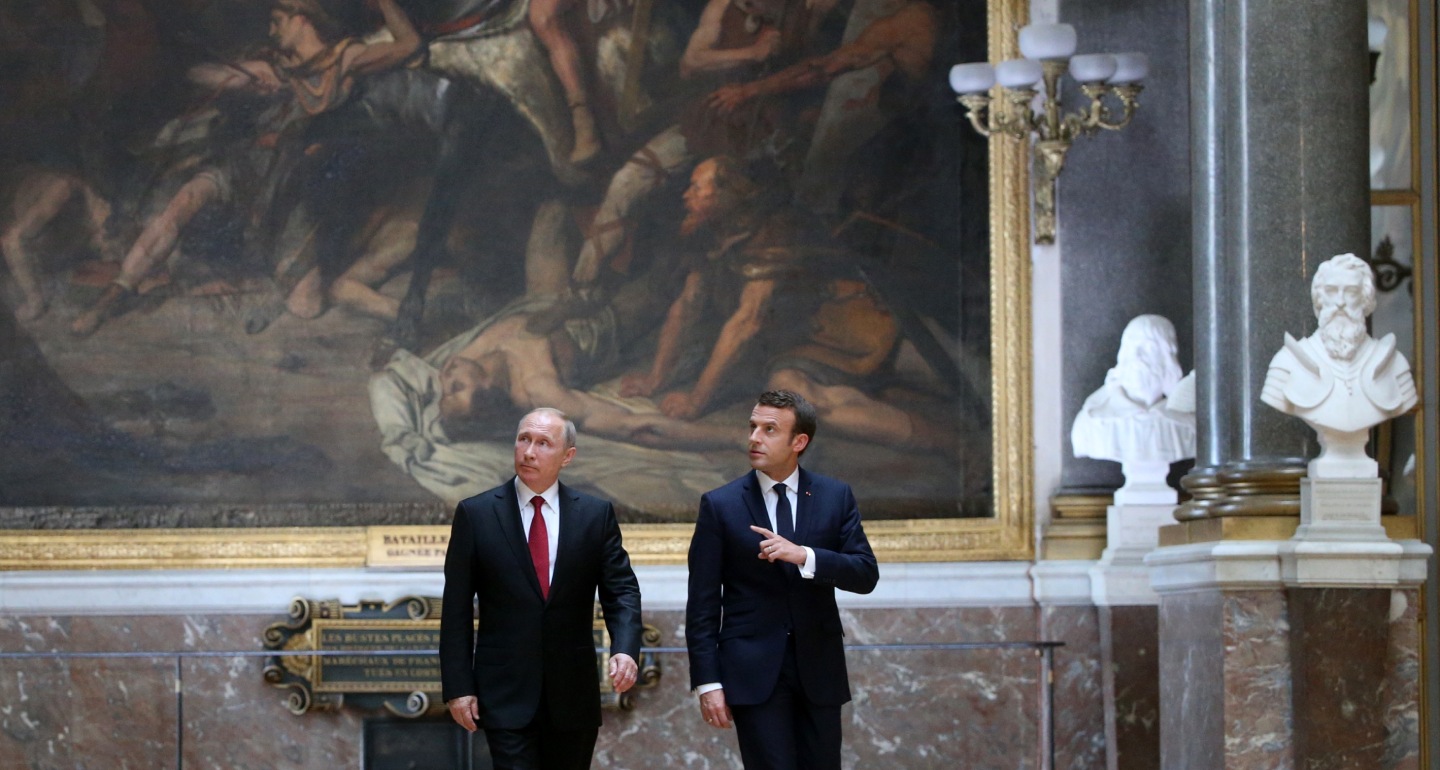
Reestablishing a dialogue with Moscow is not a goal in its own right. The goal is to guarantee the independence of Ukraine and the peace and security of Europe.
Arkady Moshes
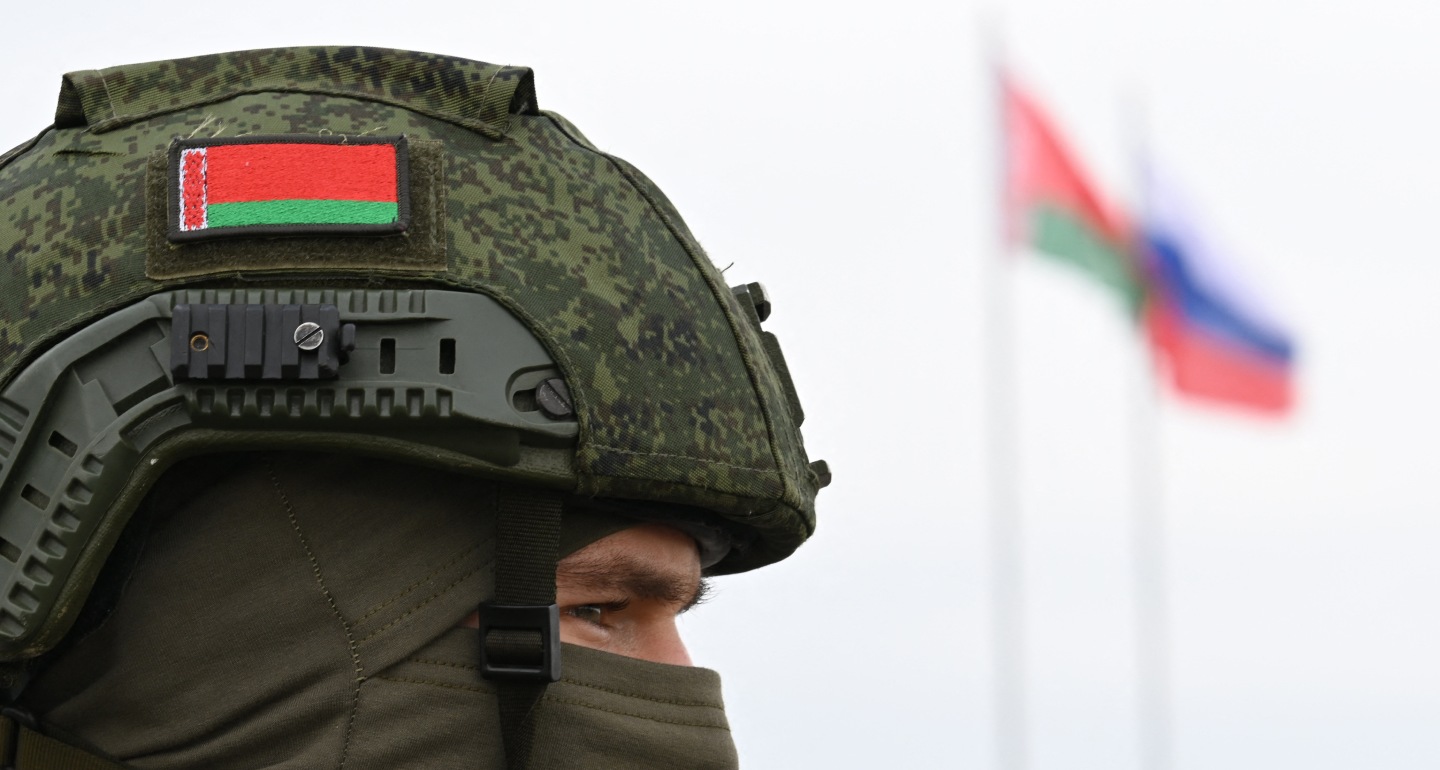
By reminding the world that Lukashenko is a threat to NATO and Ukraine, Kyiv is trying to return the focus to why the Belarusian regime needs to be contained rather than rewarded.

Artyom Shraibman
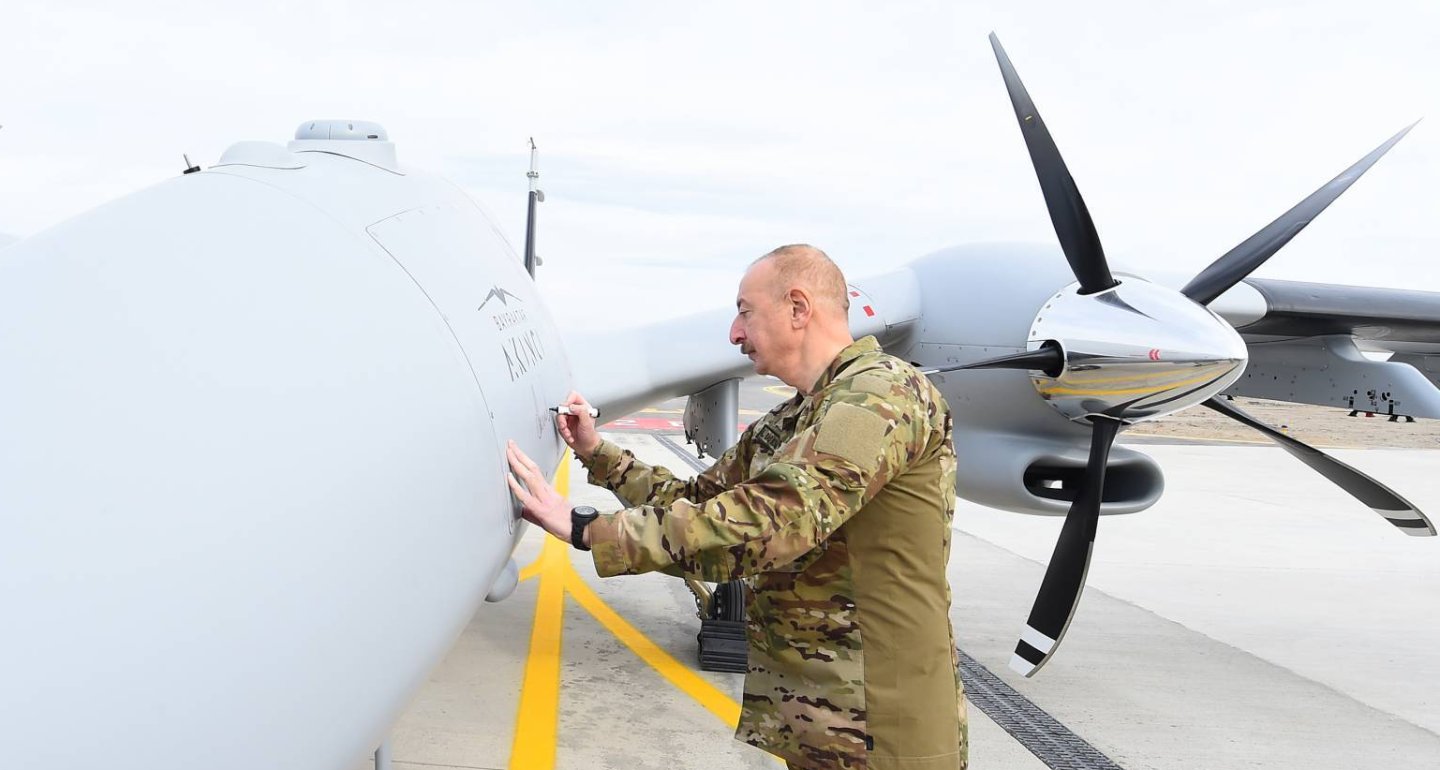
Baku’s backing for Ukraine is less about confronting Russia than about quietly broadening the mix of partners it relies on.

Zaur Shiriyev
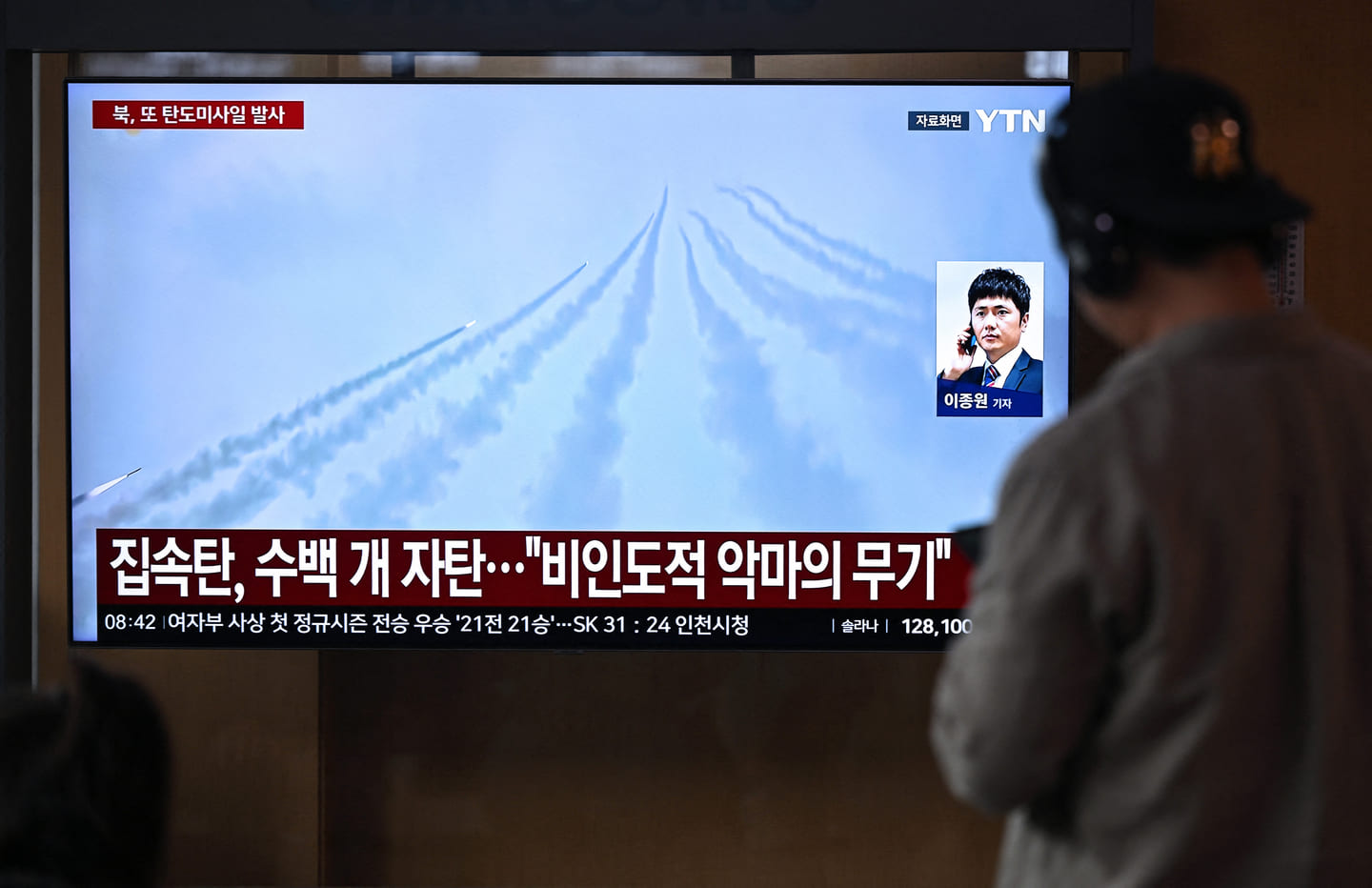
Troubled by the growing salience of nuclear debates in East Asia, Moscow has responded in its usual way: with condemnation and threats. But by exacerbating insecurity, Russia is forcing South Korea and Japan to consider radical security options.

James D.J. Brown
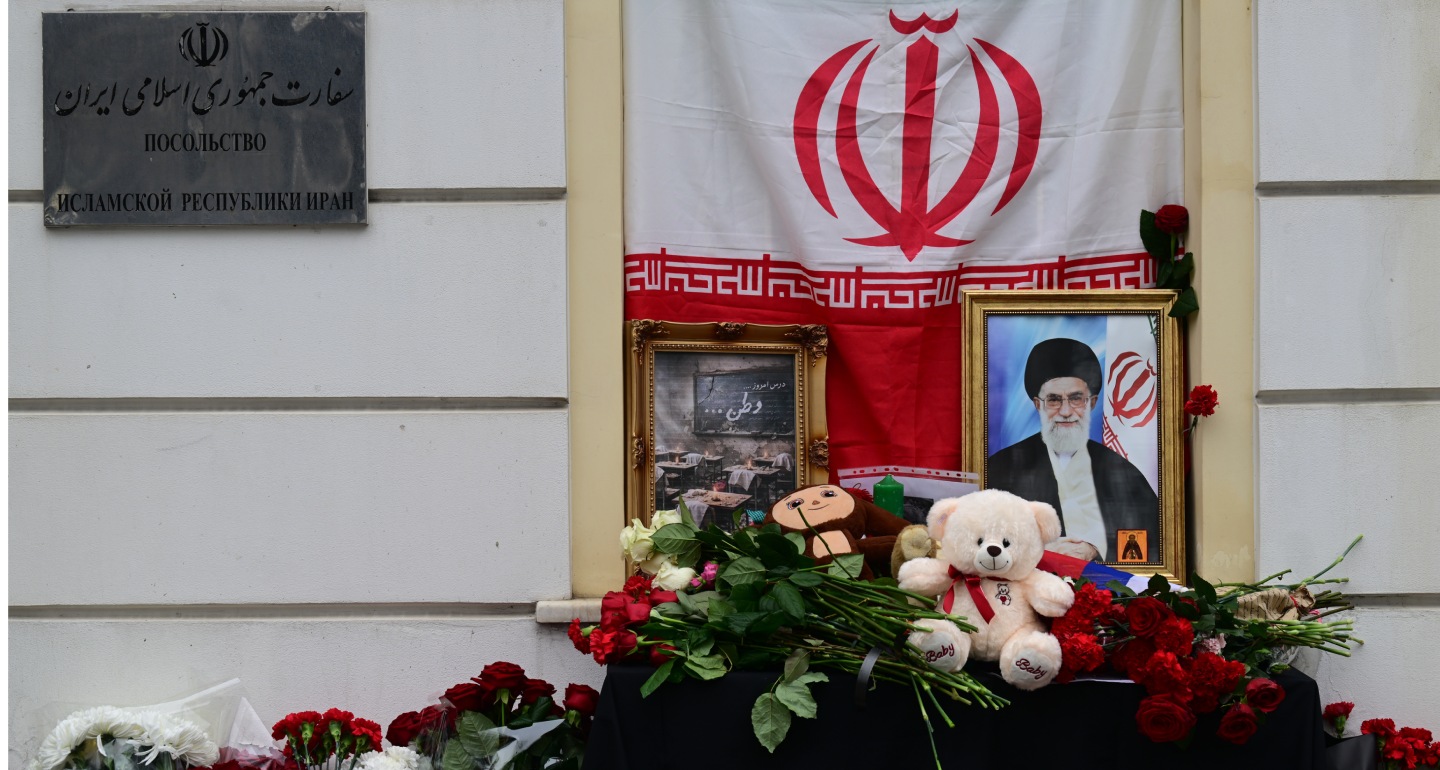
If the regime in Tehran survives, it could be obliged to hand Moscow significant political influence in exchange for supplies of weapons and humanitarian aid.

Nikita Smagin