

Article
Marina Ottaway, Omar Hossino

REQUIRED IMAGE
Source: Carnegie
Summary
The U.S. government has made the promotion of women's rights and the empowerment of women a central element of its new campaign to modernize and democratize the Arab world. This new focus is widely supported, but its popularity has generated confusion about the actual conditions of women in the Middle East and the problems they face; about the relationship between women's rights and democracy; and about what an outside intervenor like the United States can accomplish. This paper seeks to clarify some of these issues.
Click on link above for the full text of this Carnegie Paper.
This is the fourth in a series of papers that frame key issues relating to democracy promotion policies and programs in the Middle East. Also in the series:

About the Author
Marina Ottaway is senior associate in the Democracy and Rule of Law Project. Among her most recent publications are The Right Road to Sovereignty in Iraq (Policy Brief no. 27) and Democracy Challenged: The Rise of Semi-Authoritarianism (Carnegie Endowment, 2003).
Some print copies are available.
Request a copy

Former Senior Associate, Middle East Program
Before joining the Endowment, Ottaway carried out research in Africa and in the Middle East for many years and taught at the University of Addis Ababa, the University of Zambia, the American University in Cairo, and the University of the Witwatersrand in South Africa.
Recent Work
Marina Ottaway, Omar Hossino
Marina Ottaway
Carnegie does not take institutional positions on public policy issues; the views represented herein are those of the author(s) and do not necessarily reflect the views of Carnegie, its staff, or its trustees.
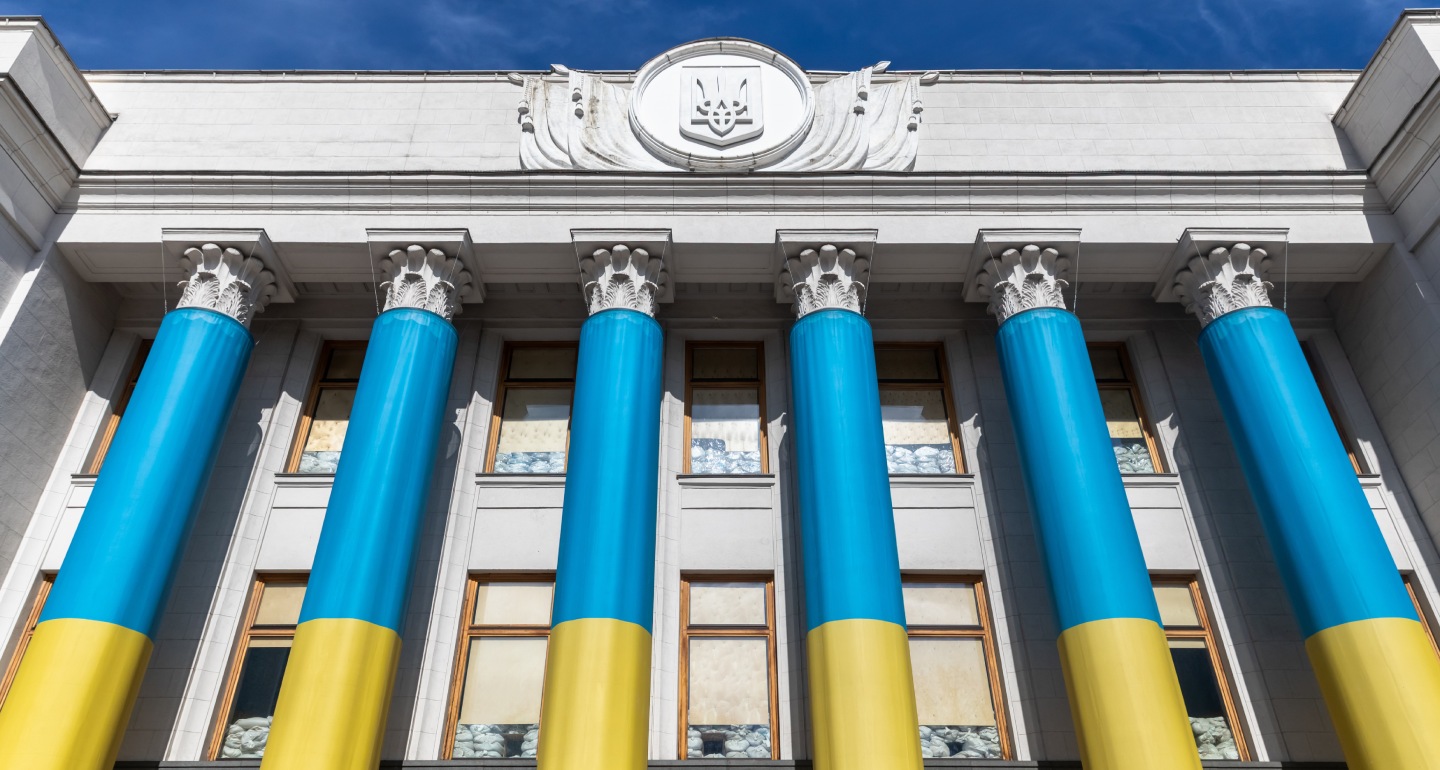
The return of parliamentary politics reflects a broader shift from earlier expectations of a settlement and elections toward the reality of a prolonged war.
Balázs Jarábik
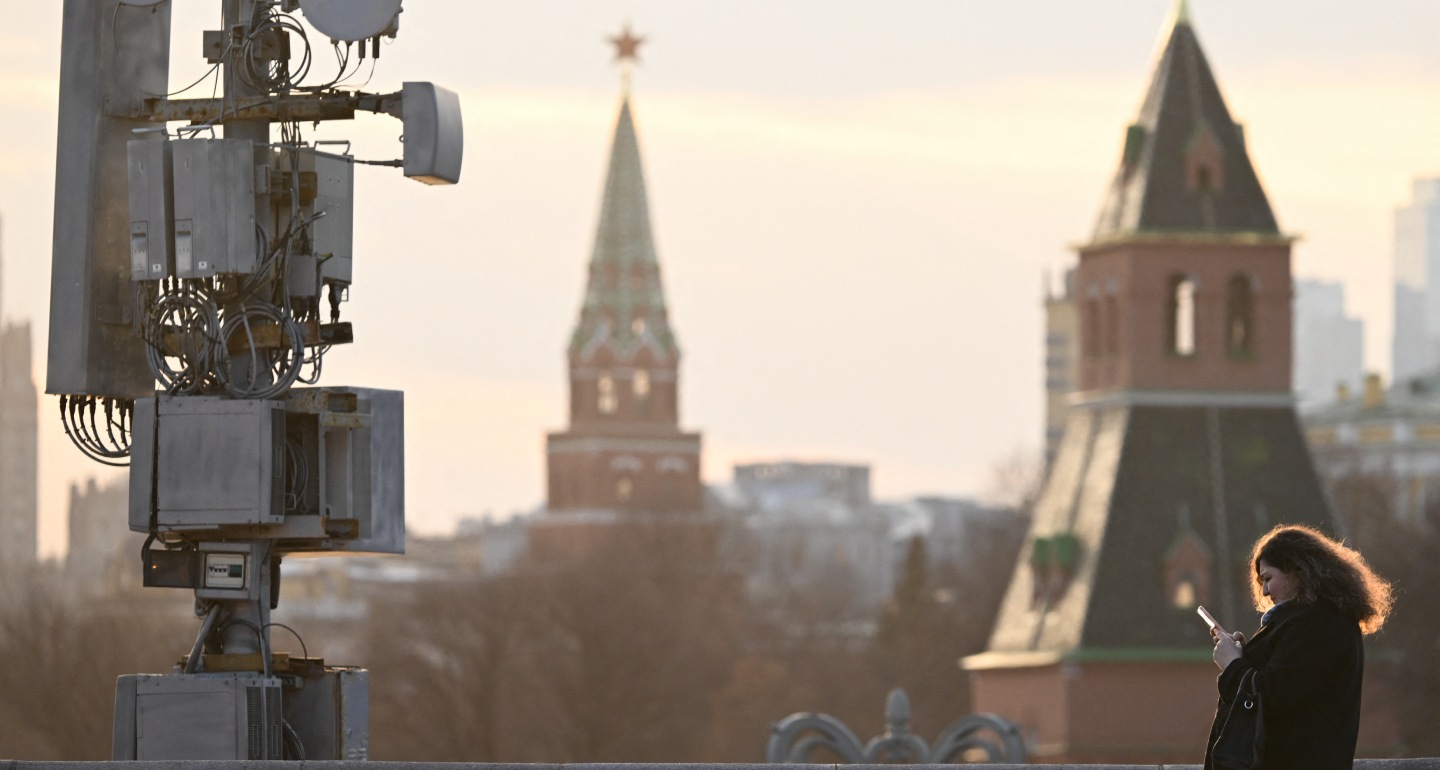
The Russian state has opted for complete ideological control of the internet and is prepared to bear the associated costs.

Maria Kolomychenko
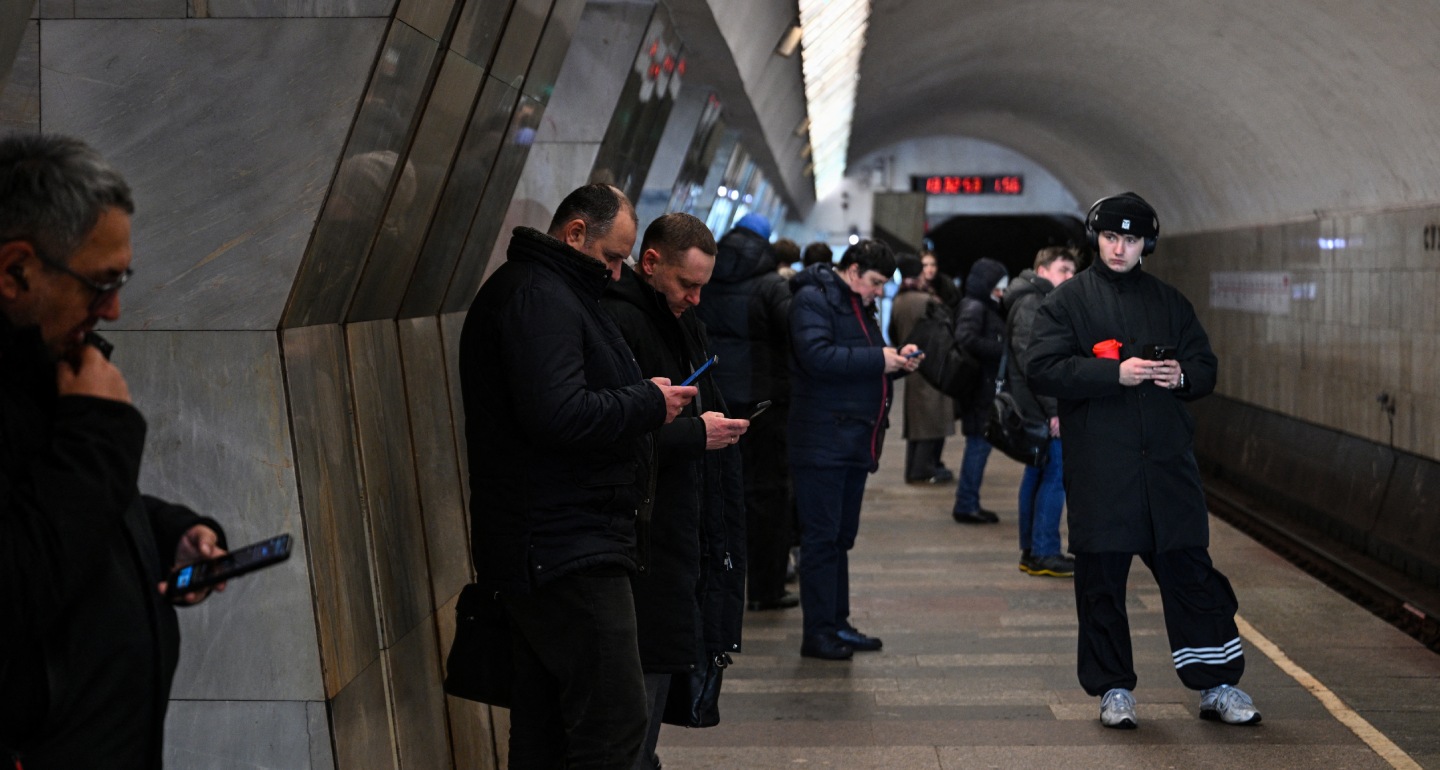
After four years of war, there is no one who can stand up to the security establishment, and President Vladimir Putin is increasingly passive.

Tatiana Stanovaya
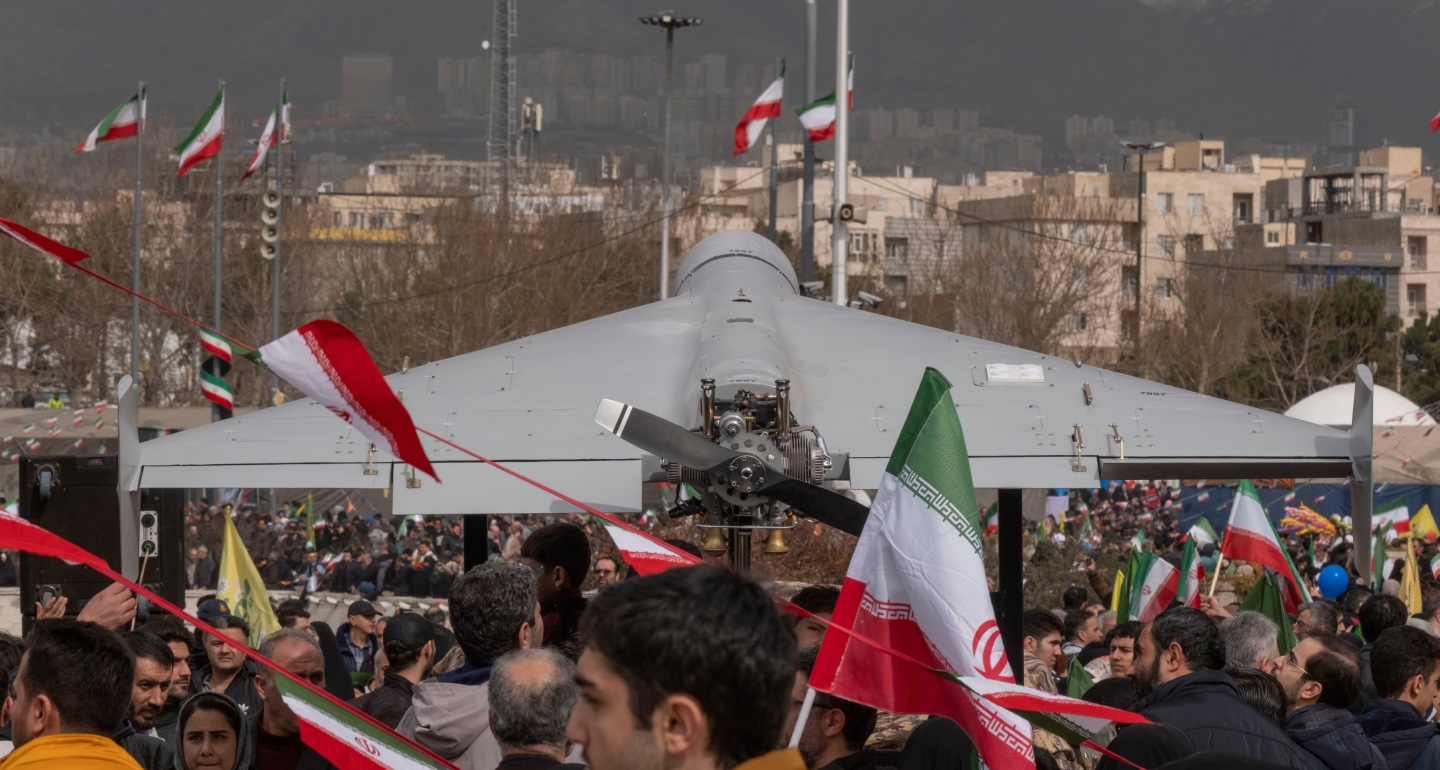
The Russian leadership wants to avoid a dangerous precedent in which it is squeezed out of Iran by the United States and Israel—and left powerless to respond in any meaningful way.

Nikita Smagin
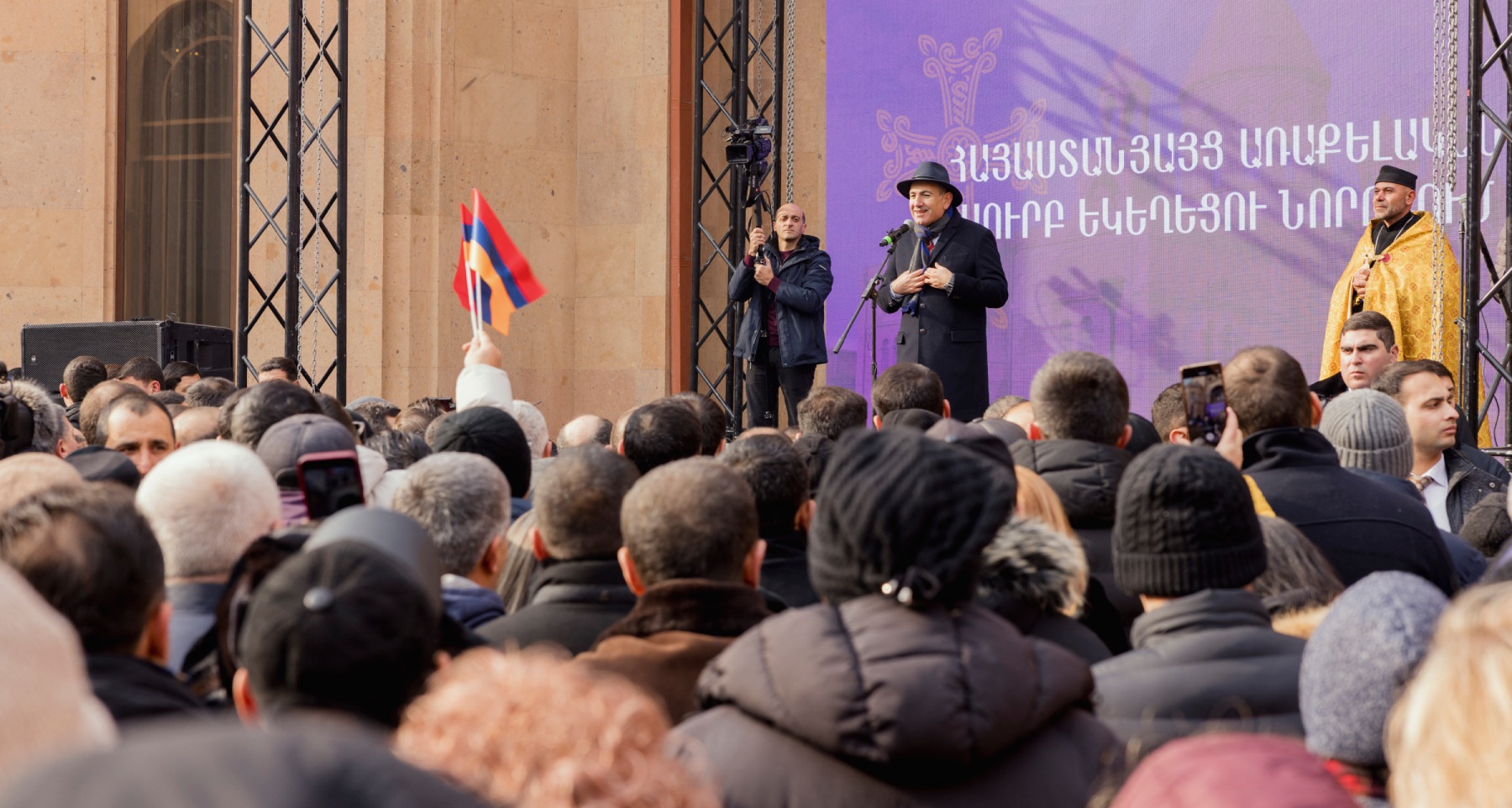
It’s true that many Armenians would vote for anyone just to be rid of Pashinyan, whom they blame for the loss of Nagorno-Karabakh, but the pro-Russia opposition is unlikely to be able to channel that frustration into an electoral victory.
Mikayel Zolyan