• Research
  • Politika
  • About
Carnegie Russia Eurasia center logoCarnegie lettermark logo
  • Donate
REQUIRED IMAGE

REQUIRED IMAGE

Paper

Development and Foreign Investment: Lessons Learned from Mexican Banking

Foreign direct investment (FDI) has transformed Mexico's banking system over the past decade and made it the most foreign owned financial sector in Latin America. This paper traces the foreign investments and resulting structural changes in Mexico's banking sector, identifies key impacts on Mexican finance, and evaluates the results from an economic and development perspective.

Link Copied
By Jacob Steinfeld
Published on Jul 18, 2004

Additional Links

Full Text (PDF)

Summary
Foreign direct investment (FDI) has transformed Mexico's banking system over the past decade and made it the most foreign owned financial sector in Latin America. This paper traces the foreign investments and resulting structural changes in Mexico's banking sector, identifies key impacts on Mexican finance, and evaluates the results from an economic and development perspective.

Click on link above for the full text of this Carnegie Paper.

About the Author
Jacob Steinfeld
is the Junior Fellow on the Trade, Equity, and Development Project. He is a former Fulbright Binational Business Scholar in Mexico and a graduate of Emory University.

About the Author

Jacob Steinfeld

Jacob Steinfeld
North AmericaSouth AmericaEconomyTrade

Carnegie does not take institutional positions on public policy issues; the views represented herein are those of the author(s) and do not necessarily reflect the views of Carnegie, its staff, or its trustees.

More Work from Carnegie Russia Eurasia Center

  • Commentary
    Carnegie Politika
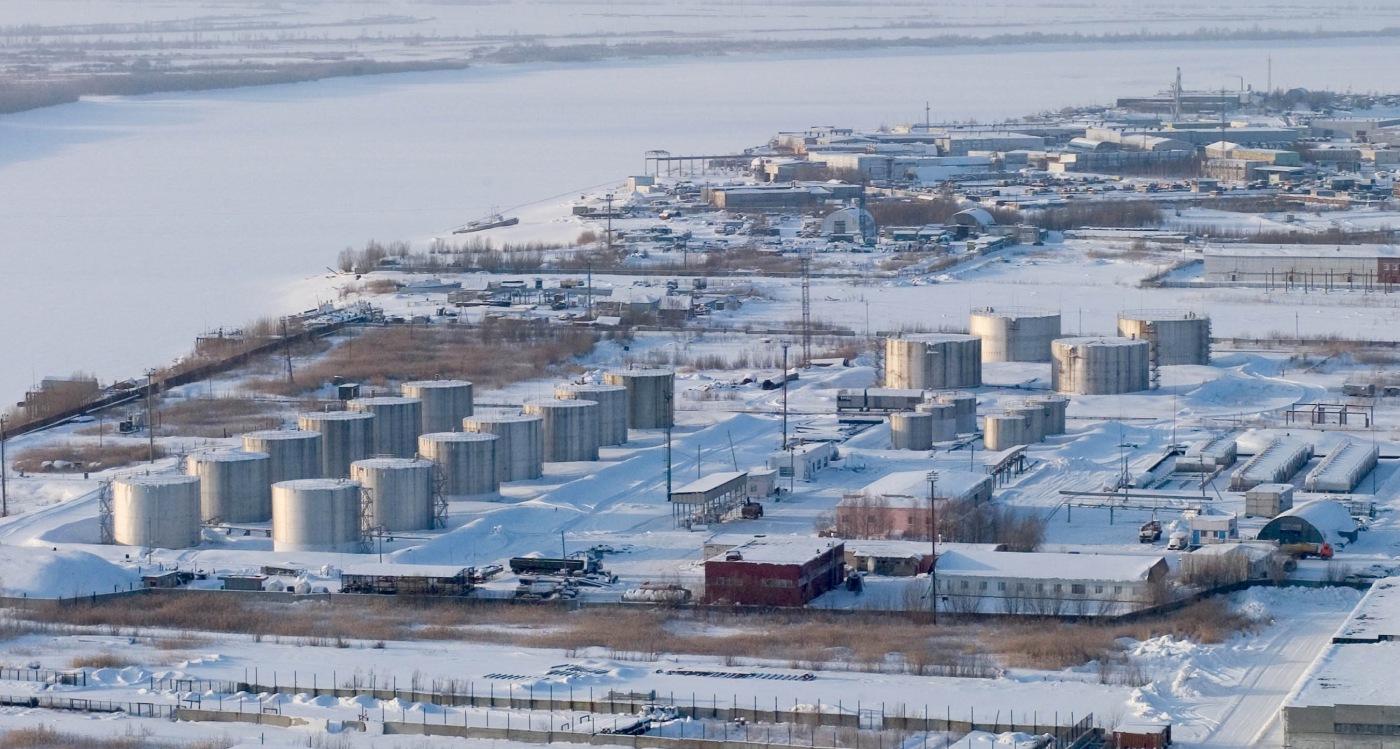
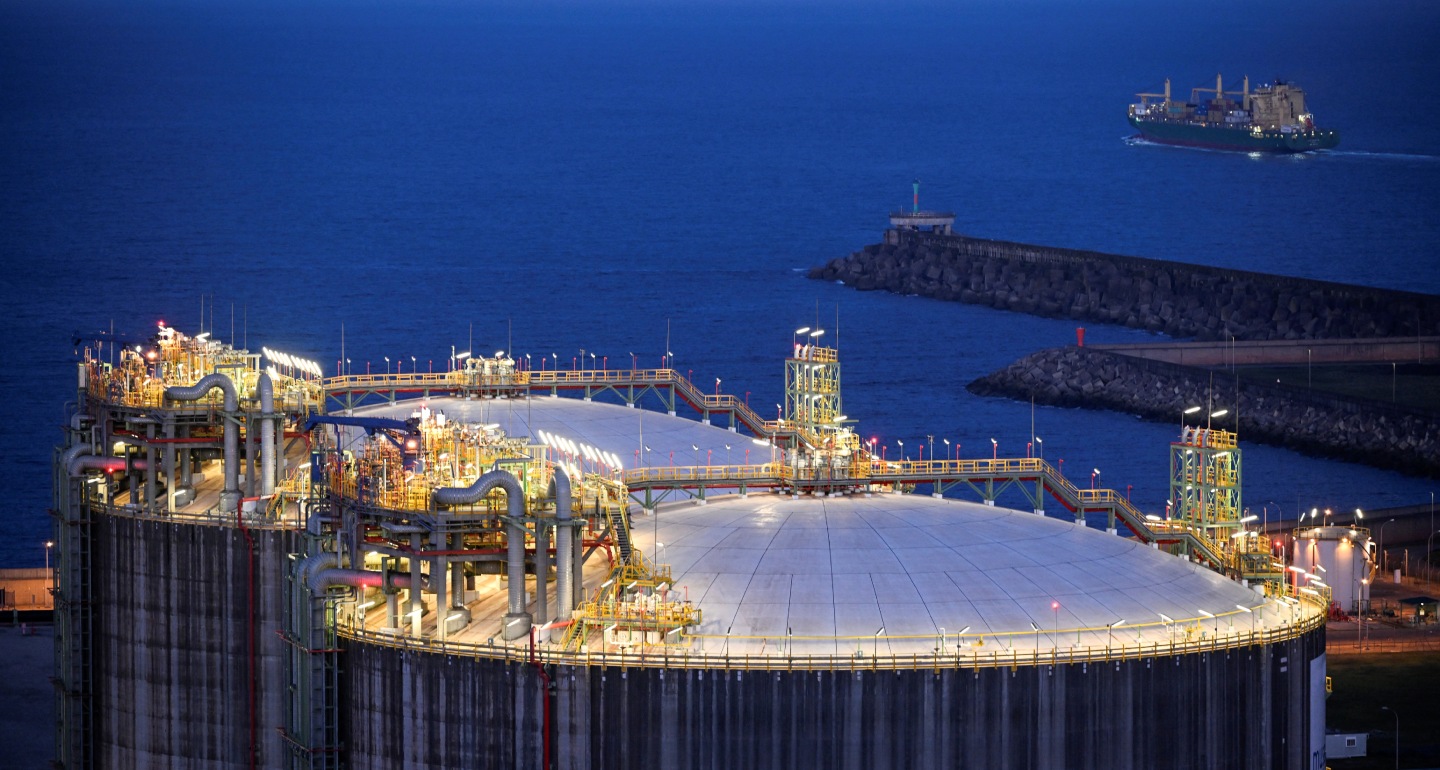
    What the Russian Energy Sector Stands to Gain From War in the Middle East

    The future trajectory of the U.S.-Iran war remains uncertain, but its impact on global energy trade flows and ties will be far-reaching. Moscow is likely to become a key beneficiary of these changes; the crisis in the Gulf also strengthens Russia’s hand in its relationships with China and India, where advantages might prove more durable.

      • Sergey Vakulenko

      Sergey Vakulenko

  • Commentary
    Carnegie Politika
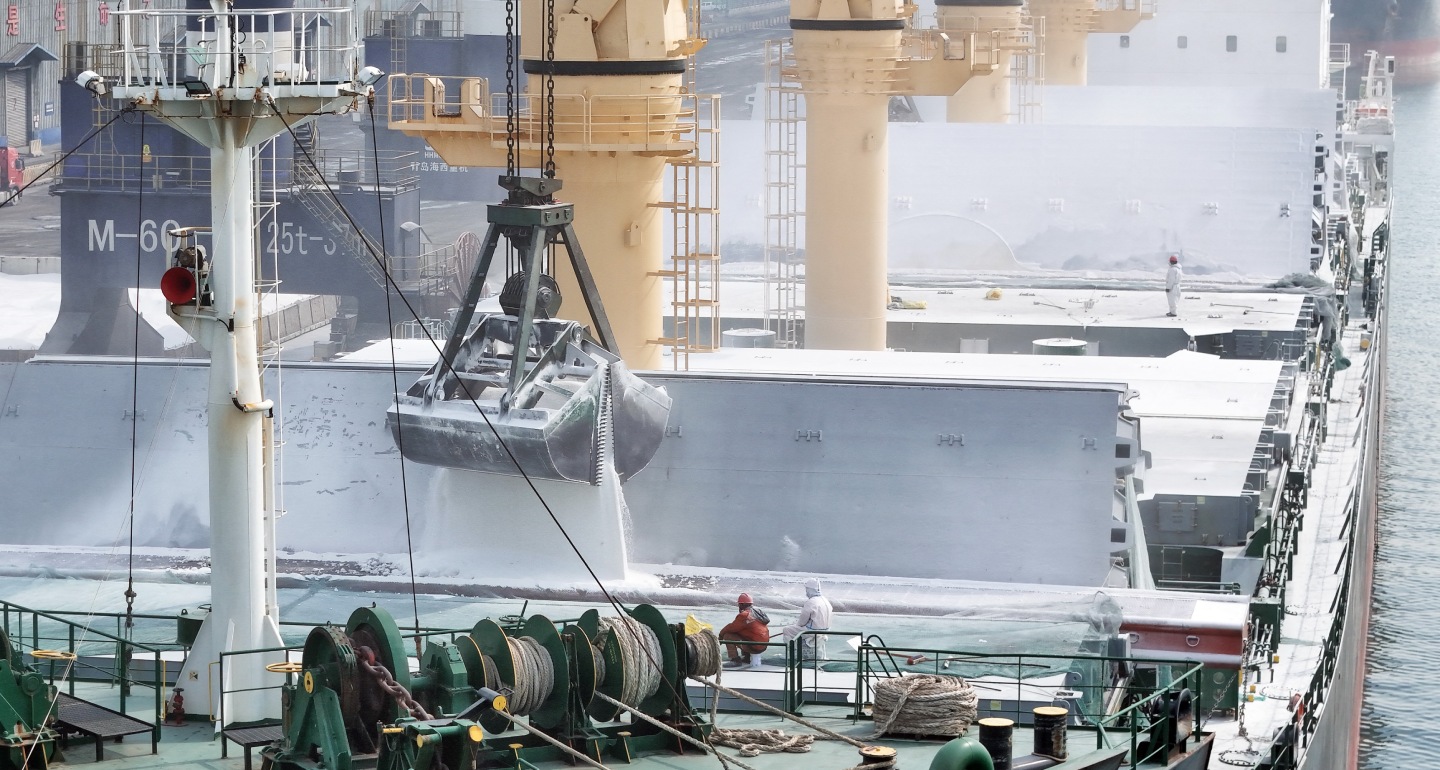
    Beyond Oil: Hormuz Closure Puts Russia in the Lead in the Fertilizer Market

    The Kremlin expects to not only profit from rising fertilizer prices but also exact revenge for the collapse of the 2023 grain deal.

      Alexandra Prokopenko

  • Paper
    A Tight Spot: Challenges Facing the Russian Oil Sector Through 2035

    Russian oil production is remarkably resilient to significant price changes, but significant political headwinds may lead to a drop regardless of economics.

      • Sergey Vakulenko

      Sergey Vakulenko

  • Commentary
    Carnegie Politika
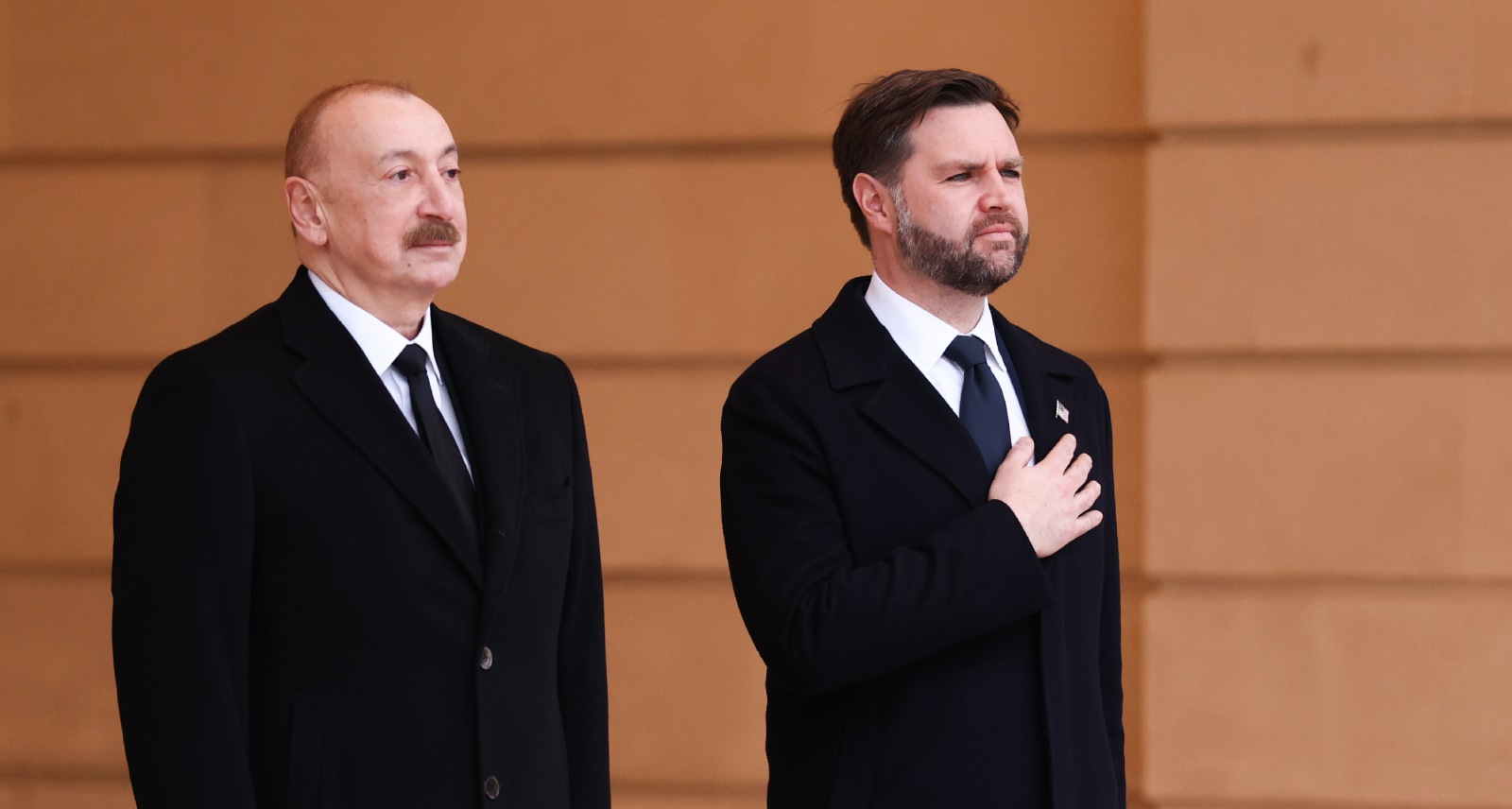
    Georgia’s Fall From U.S. Favor Heralds South Caucasus Realignment

    With the White House only interested in economic dealmaking, Georgia finds itself eclipsed by what Armenia and Azerbaijan can offer.

      Bashir Kitachaev

  • Commentary
    Carnegie Politika
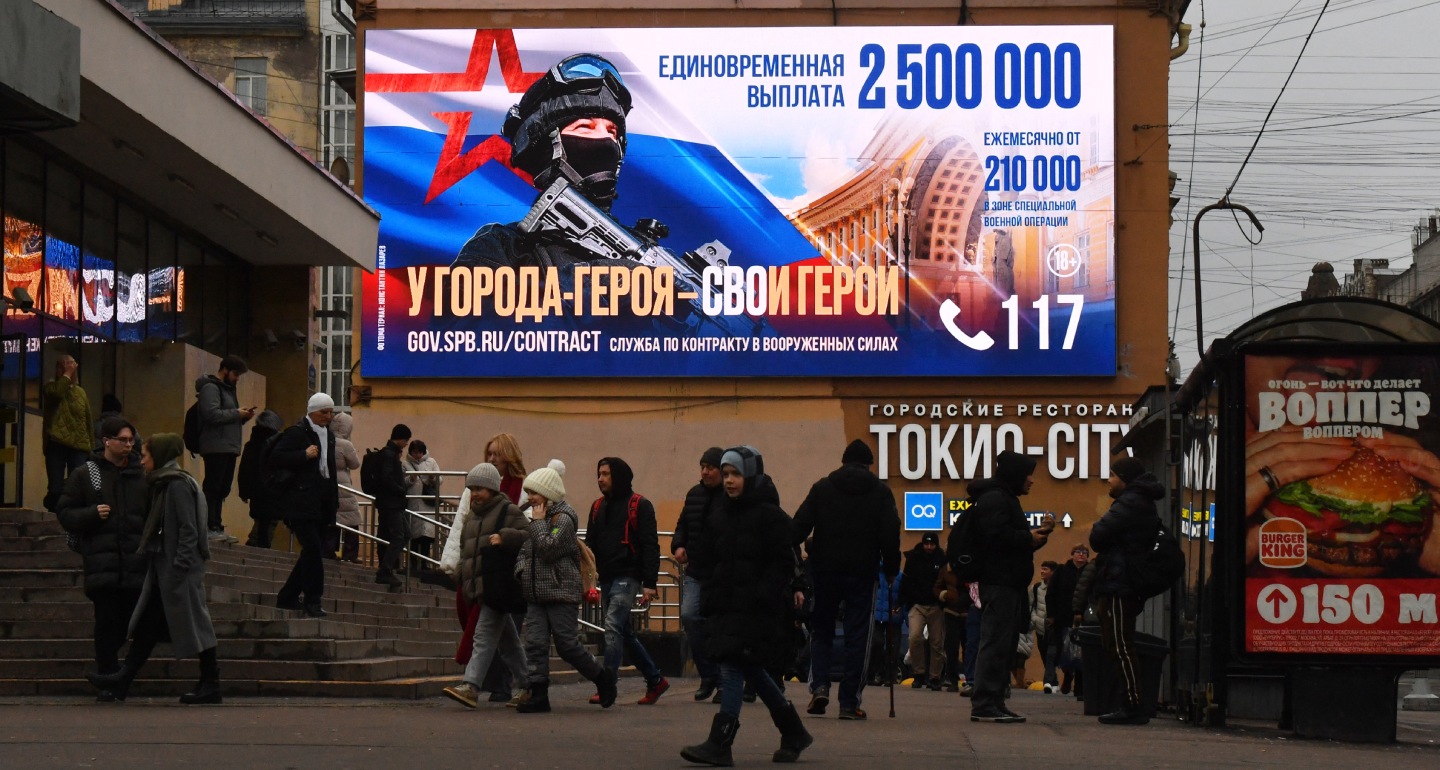
    Does Russia Have Enough Soldiers to Keep Waging War Against Ukraine?

    The Russian army is not currently struggling to recruit new contract soldiers, though the number of people willing to go to war for money is dwindling.

      Dmitry Kuznets

Get more news and analysis from
Carnegie Russia Eurasia Center
Carnegie Russia Eurasia logo, white
  • Research
  • Politika
  • About
  • Experts
  • Events
  • Contact
  • Privacy
  • For Media
Get more news and analysis from
Carnegie Russia Eurasia Center
© 2026 Carnegie Endowment for International Peace. All rights reserved.