

Other
Michael D. Swaine
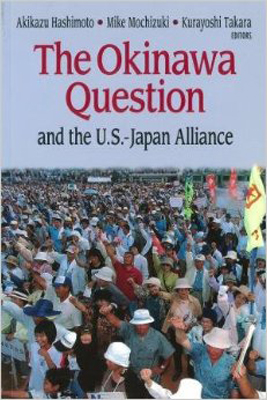
An examination of the broad context of U.S.-China relations, highlighting both the current strengthened foundation for cooperation that exists between the two countries and the continued presence of factors that could produce confrontation and even conflict in the future.
Source: The Okinawa Question and the U.S.-Japan Alliance
In his chapter in The Okinawa Question and the U.S.-Japan Alliance, Michael Swaine examines the broad context of U.S.-China relations, highlighting both the current strengthened foundation for cooperation that exists between the two countries and the continued presence of factors that could produce confrontation and even conflict in the future. In the latter area, the Taiwan problem is especially significant and thus receives particular attention. Dr. Swaine then examines in some detail the specific implications of the preceding analysis for Okinawa, focusing in particular on the potential Chinese threat to the island resulting from the presence of U.S. forces. The final section of the chapter discusses the options available to Okinawa to reduce the potential dangers to which it is exposed by its association with the U.S.-China relationship.
The Okinawa Question and the U.S.-Japan Alliance is available to order from the Sigur Center for Asian Studies at George Washington University.

Former Senior Fellow, Asia Program
Swaine was a senior fellow at the Carnegie Endowment for International Peace and one of the most prominent American analysts in Chinese security studies.
Recent Work
Michael D. Swaine
Michael D. Swaine
Carnegie does not take institutional positions on public policy issues; the views represented herein are those of the author(s) and do not necessarily reflect the views of Carnegie, its staff, or its trustees.

When faced with fuel shortages in the past, Central Asian governments could always count on additional supplies from Moscow. That safety net no longer exists.

Galiya Ibragimova

Despite unhappiness on the ground, Moscow is determined to use both carrot and stick to ensure there is record support for United Russia in occupied Ukraine.

Konstantin Skorkin
The recent damage inflicted by Ukrainian drones and missiles on Russia has made Belarus aware of its own vulnerabilities—and surprisingly amenable to Kyiv’s demands.

Artyom Shraibman
Russia looks set to reap economic benefits from closer ties with Southeast Asian countries that are keen to find reliable energy suppliers and diversify trade ties.

Alexander Gabuev

Ongoing uncertainty in the Middle East allows Moscow to both increase its influence in Tehran and continue to enjoy the financial windfall of higher oil prices.

Nikita Smagin