

Commentary
Nathan J. Brown

REQUIRED IMAGE
Criticism of the PA’s growing authoritarianism gave birth to a “paper Palestine,” in which citizens have rights of free speech and assembly; independent judiciary adjudicates disputes; leaders are selected in elections overseen by an independent electoral commission; and a representative assembly monitors the executive. Yet the institutions that would ensure democracy are missing or lagging.
Summary
Criticism of the PA’s growing authoritarianism gave birth to what Brown calls “paper Palestine,” in which citizens have rights of free speech and assembly; the Arab world’s most independent judiciary adjudicates disputes; leaders are selected in elections overseen by an independent electoral commission; and a representative assembly monitors the executive. Yet the institutions that would ensure democracy are either missing or lagging.
About the Author
Nathan J. Brown is a senior associate in the Democracy and Rule of Law Project at the Carnegie Endowment while on leave from his position as professor of political science and international affairs at George Washington University. Brown’s research interests include Egyptian and Palestinian politics, legal reform in the modern Middle East, as well as democratization. He is author of four books, including his most recent, Palestinian Politics after the Oslo Accords: Resuming Arab Palestine (University of California Press, 2003), which presents research on Palestinian society and governance after the establishment of the Palestinian Authority.
A limited number of print copies are available.
Request a copy

Nonresident Senior Fellow, Middle East Program
Nathan J. Brown, a professor of political science and international affairs at George Washington University, is a distinguished scholar and author of nine books on Arab politics and governance, as well as editor of five books.
Recent Work
Nathan J. Brown
Nathan J. Brown
Carnegie does not take institutional positions on public policy issues; the views represented herein are those of the author(s) and do not necessarily reflect the views of Carnegie, its staff, or its trustees.

Two divergent trends—Putin’s hardline vision of how to prosecute the war in Ukraine, and a growing desire for change in Russia—could tear the regime apart.

Tatiana Stanovaya
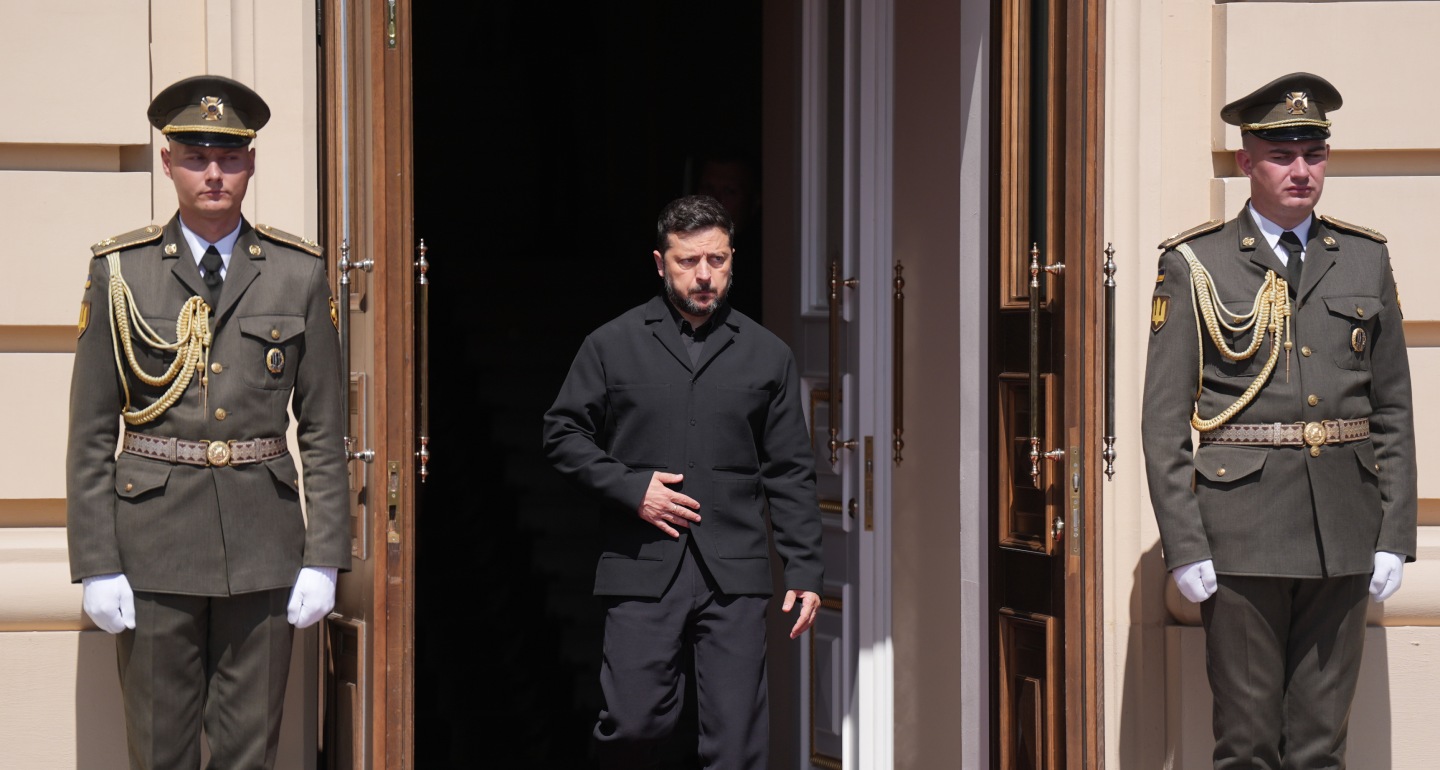
Ultimately, Zelensky sided neither with the reform camp nor with the military establishment as such, but with political control.

Balázs Jarábik
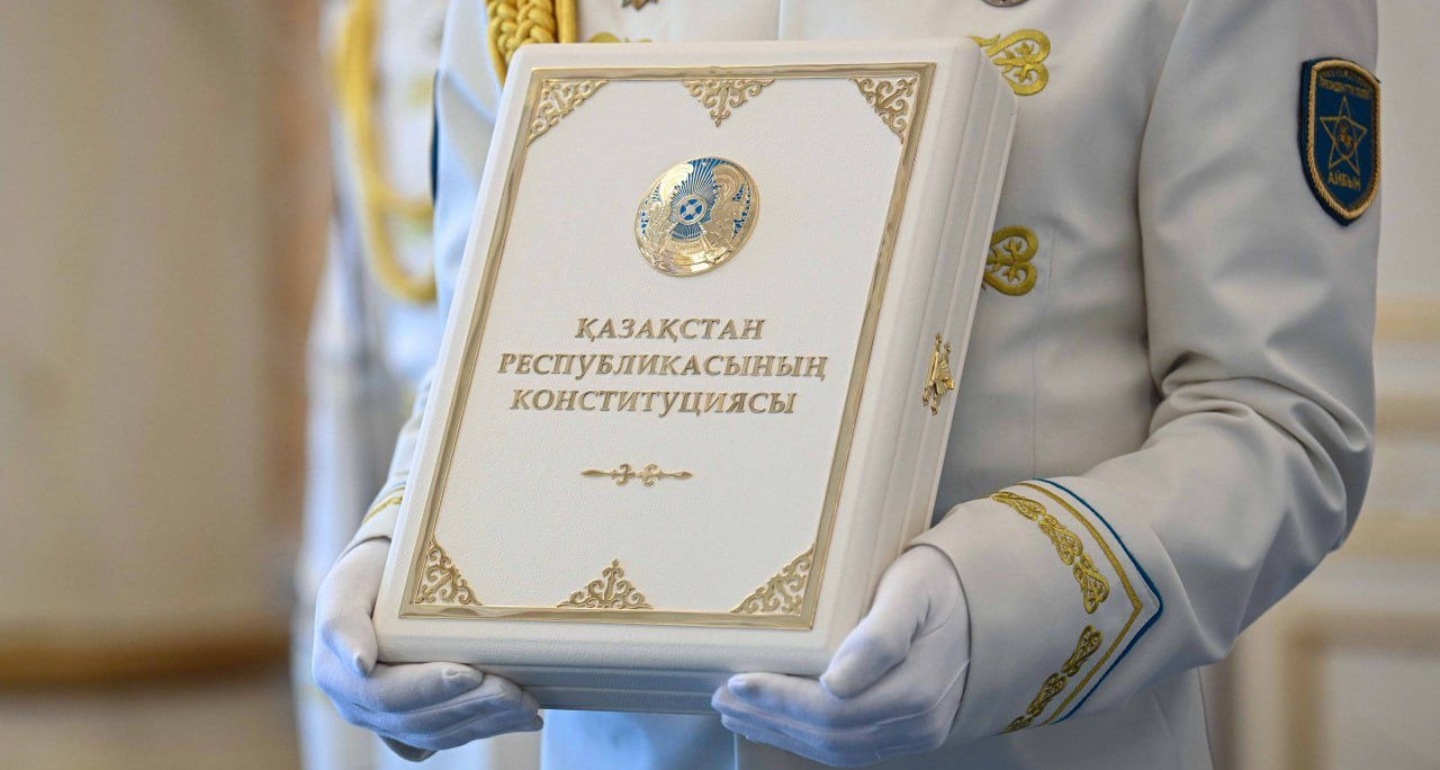
Tokayev’s predecessor, Nursultan Nazarbayev, outlined arrangements for a power transition too soon and in too much detail, ultimately losing control over the process. Tokayev is determined not to meet the same fate.

Temur Umarov

Despite unhappiness on the ground, Moscow is determined to use both carrot and stick to ensure there is record support for United Russia in occupied Ukraine.

Konstantin Skorkin

Whether PAS can refocus on the unfinished business of state-building may ultimately prove more consequential for Moldova’s European future than the pace of its accession negotiations.
Balázs Jarábik