

Paper
George Perkovich
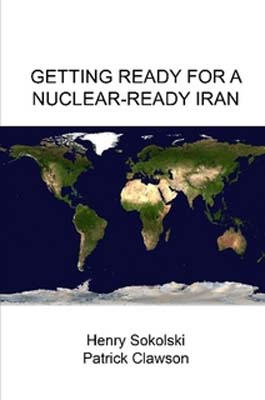
The acquisition of nuclear weapons by terrorists or any additional states would shake the international system. The more strategically important the state, the greater the potential threat to global security.
Source: Strategic Studies Institute
This chapter appears in Sokolski, H. D. and Clawson, P. (eds) Getting Ready for a Nuclear-Ready Iran, Strategic Studies Institute, United States Army War College, 2005.
The acquisition of nuclear weapons by terrorists or any additional states would shake the international system. The more strategically important the state, the greater the potential threat to global security.
Iran is a strategically vital actor in the international system. It incarnates an historically major civilization. It is the largest state in the regional complex that comprises the Persian Gulf, the Middle East, and Central Asia, including Turkey. Major developments in Iran, therefore, have wide reverberations simply as a matter of political geophysics. Iran’s large role in the global supply of fossil fuels makes it still more important. As a direct source of fuel, and also as a shaper of regional dynamics, Iran can signifi cantly affect the global economy, and therefore politics. Iran’s ties to terrorist organizations operating (primarily) in the Middle East renders Tehran a vital actor in the international campaign against terrorism.
Iran has the capability to peacefully augment or violently disrupt U.S. missions in Afghanistan and Iraq. Thus, a major change in Iran’s military strength and/or political status would directly affect major U.S. and international interests.
To continue reading this article, please follow the PDF link above.

Japan Chair for a World Without Nuclear Weapons, Senior Fellow
George Perkovich is the Japan Chair for a World Without Nuclear Weapons and a senior fellow in the Carnegie Endowment for International Peace’s Nuclear Policy Program. He works primarily on nuclear deterrence, nonproliferation, and disarmament issues.
Recent Work
George Perkovich
George Perkovich
Carnegie does not take institutional positions on public policy issues; the views represented herein are those of the author(s) and do not necessarily reflect the views of Carnegie, its staff, or its trustees.
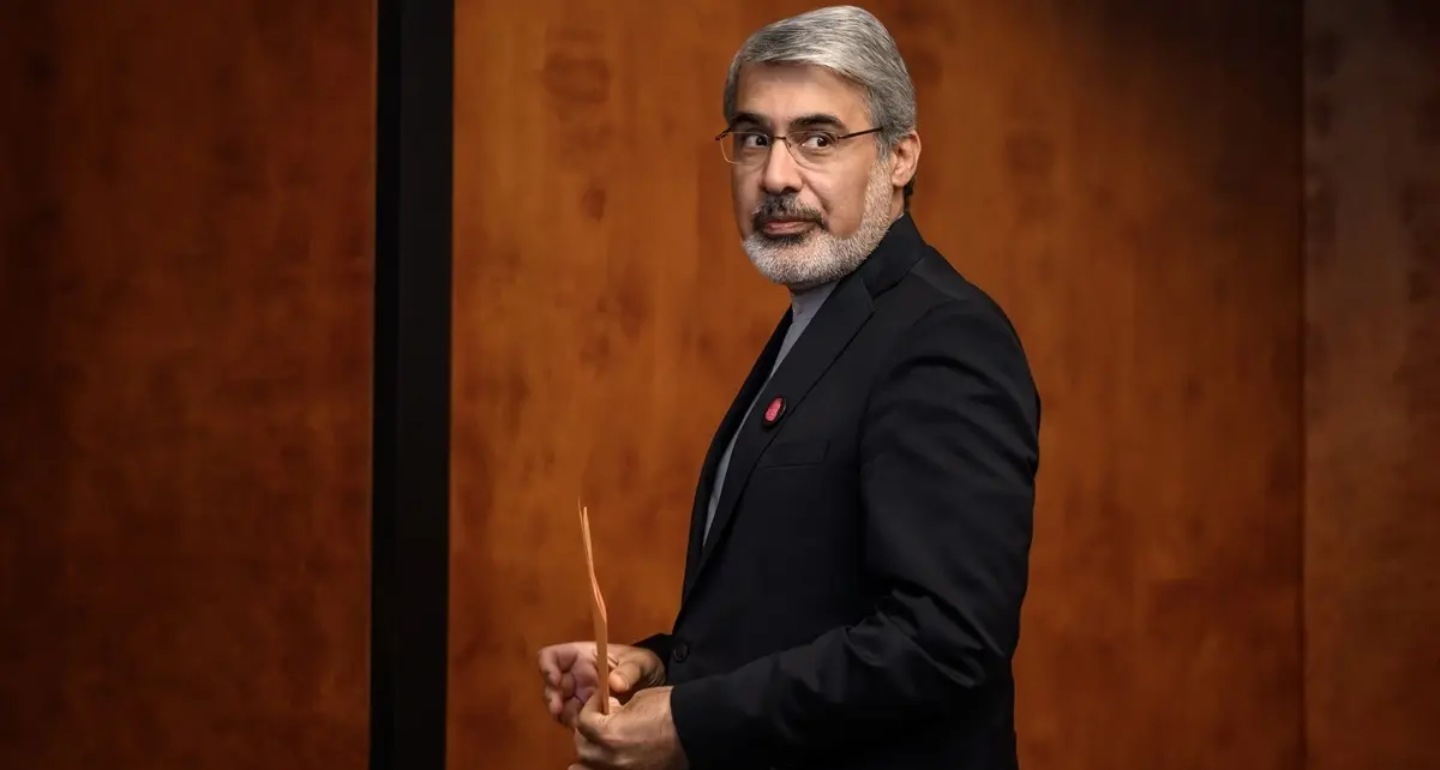
Ongoing uncertainty in the Middle East allows Moscow to both increase its influence in Tehran and continue to enjoy the financial windfall of higher oil prices.

Nikita Smagin

This year’s wars have made alternative routes to transit through Russia no less risky for Central Asian countries.

Galiya Ibragimova
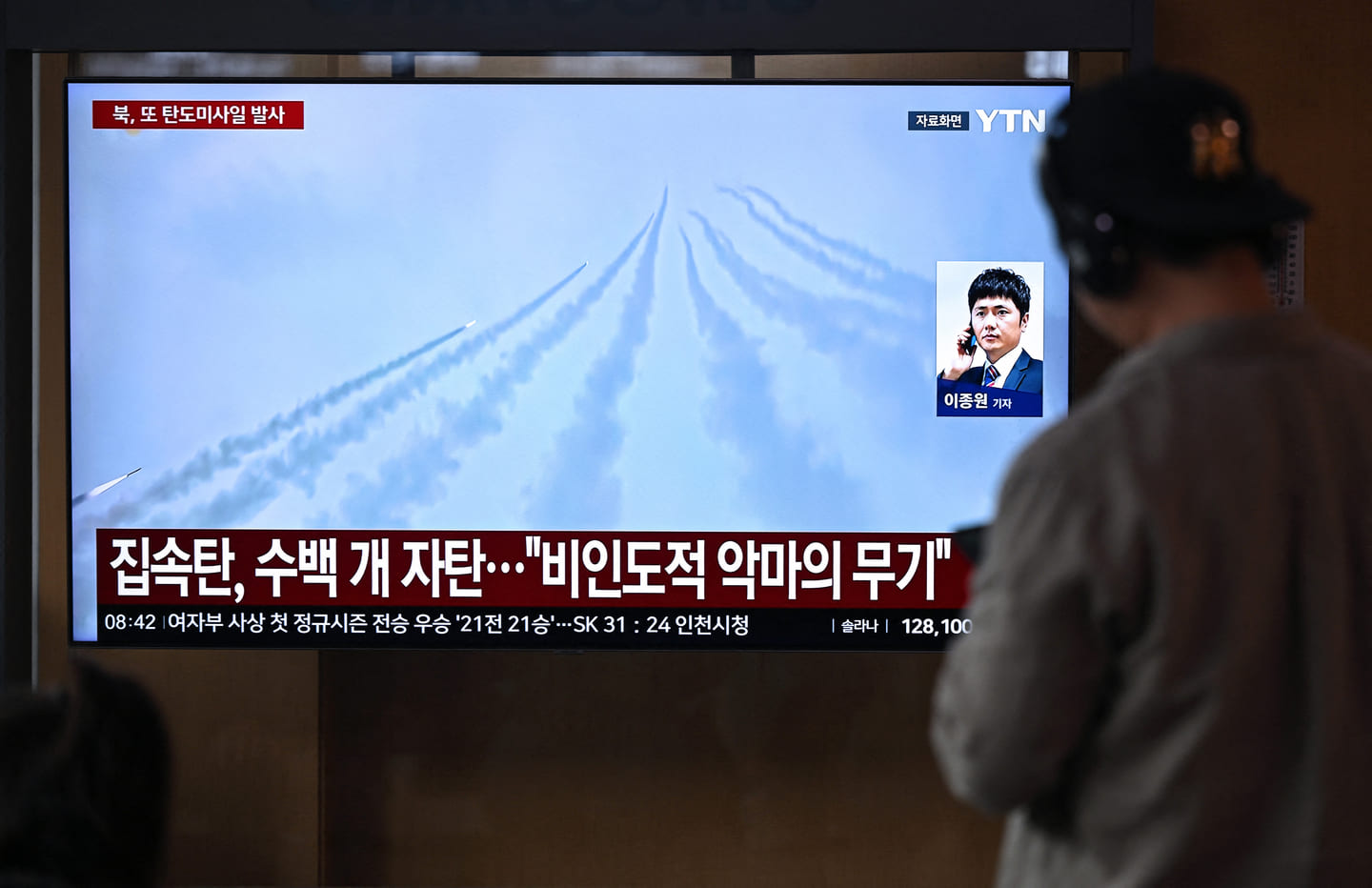
Troubled by the growing salience of nuclear debates in East Asia, Moscow has responded in its usual way: with condemnation and threats. But by exacerbating insecurity, Russia is forcing South Korea and Japan to consider radical security options.

James D.J. Brown
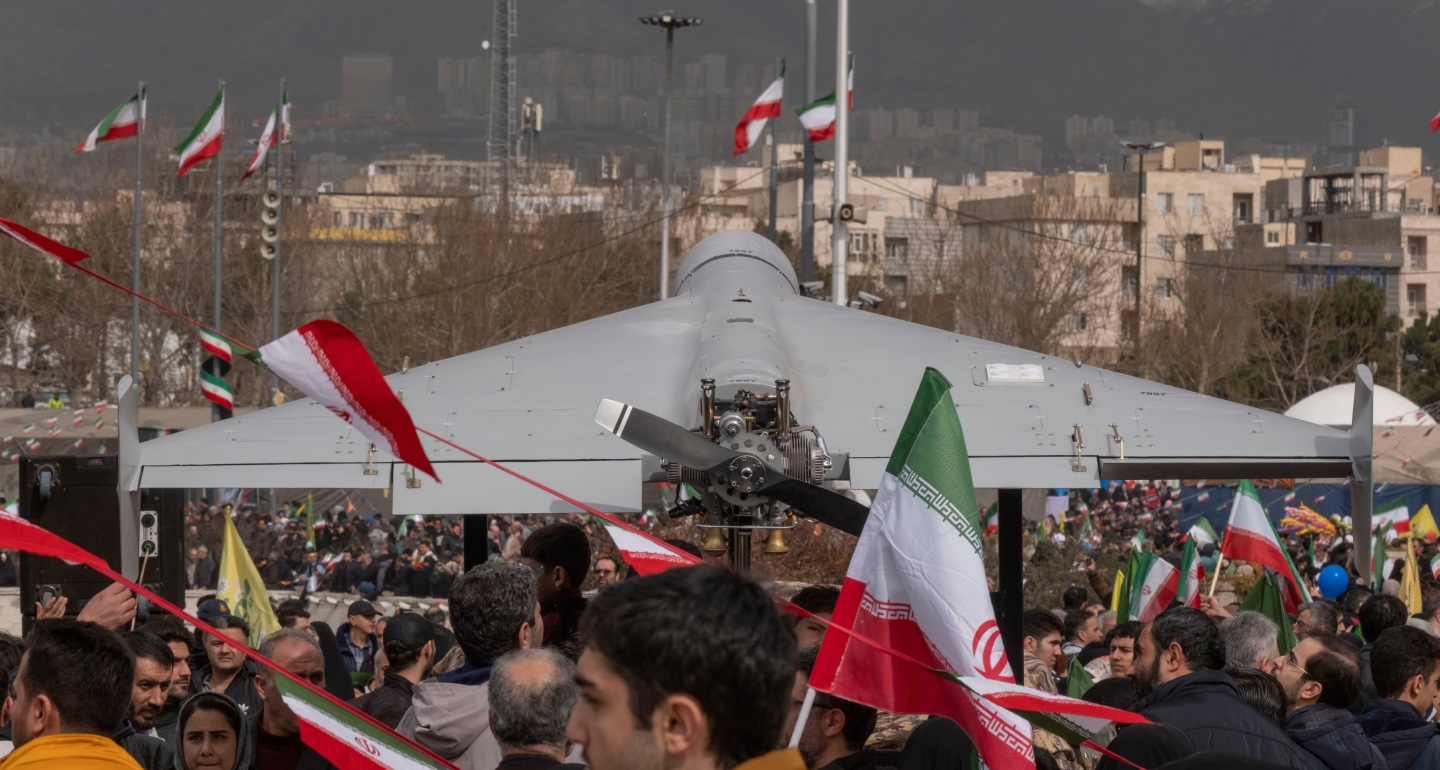
The Russian leadership wants to avoid a dangerous precedent in which it is squeezed out of Iran by the United States and Israel—and left powerless to respond in any meaningful way.
Nikita Smagin
Not only does the fighting jeopardize regional security, it undermines Russian attempts to promote alternatives to the Western-dominated world order.
Ruslan Suleymanov