

Commentary
Trump has promised Belarus a massive potash deal. But Minsk is seeking something greater: restored Western transit and greater room for maneuver from Russia.
Balázs Jarábik

REQUIRED IMAGE
In a candid January 18 press conference, Carnegie Vice-President George Perkovich and Visiting Scholar Pierre Goldschmidt discussed the current Iran crisis with reporters. Goldschmidt said he is urging officials to take a generic proactive approach that could solve other potential or actual cases of noncompliance:
“The UN Security Council should adopt a generic resolution saying that when the IAEA has found a country to be in noncompliance and if the IAEA requests more verification authority, the UN Security Council would immediately, under a Chapter 7 resolution, provide this additional authority.”
Unfortunately, the “international community” has a tendency “to only react to crisis,” Goldschmidt said, which puts him in an “uncomfortable” position trying to “solve one specific case, which is Iran.” He offered two solutions that, by involving the UN Security Council, would make Iran’s current voluntary commitments legally binding:
“The minimum for me is to report [Iran] to the Security Council to request Iran to immediately resume the suspension of all enrichment-related activities, and, second, [for the Security Council] to provide the IAEA with a significantly increased verification mandate and authority. Once more, this has nothing to do with sanctions.”
(Read More)
In a candid January 18 press conference, Carnegie Vice-President George Perkovich and Visiting Scholar Pierre Goldschmidt discussed the current Iran crisis with reporters. Goldschmidt said he is urging officials to take a generic proactive approach that could solve other potential or actual cases of noncompliance:
“The UN Security Council should adopt a generic resolution saying that when the IAEA has found a country to be in noncompliance and if the IAEA requests more verification authority, the UN Security Council would immediately, under a Chapter 7 resolution, provide this additional authority.”
Unfortunately, the “international community” has a tendency “to only react to crisis,” Goldschmidt said, which puts him in an “uncomfortable” position trying to “solve one specific case, which is Iran.” He offered two solutions that, by involving the UN Security Council, would make Iran’s current voluntary commitments legally binding:
“The minimum for me is to report [Iran] to the Security Council to request Iran to immediately resume the suspension of all enrichment-related activities, and, second, [for the Security Council] to provide the IAEA with a significantly increased verification mandate and authority. Once more, this has nothing to do with sanctions.”
George Perkovich elaborated on Goldschmidt’s account of Iranian noncompliance:
“[There were centrifuges in Iran that] were contaminated with uranium particles, but then when the inspectors went to the place where they were stored–which is an unnamed country by the IAEA, but which I know is Dubai–and did environmental samplings in the storage facility, there were no isotopes found in the facility….If the machines in Iran were contaminated and they had been in the facility in Dubai, the facility should have had some of this contamination as well.”
Perkovich, in response to a question on Iran’s “shift in their negotiating behavior,” said:
“The president of Iran says…Iran was either mistaken to engage in the suspension and the negotiations or at least was way too accommodating, and that the President Ahmadinejad and perhaps others have a view that the way the world works is you act tough, you make clear what your bottom lines are and you pursue it, and you don’t act as if people have the strength or will to stop you and you create facts on the ground and eventually the rest of the world has to adapt to this.”
Perkovich drove this point home by noting that during the UN Summit in New York he was told that President Ahmadinejad “turned to one of his agents and said, you know, these Europeans are like barking dogs, if you kick them they’ll run away.” Iran’s recent negotiating tactics, Perkovich said, “suggests that logic.”
Read more about these and other issues and Goldschmidt’s three-minute summary of “a couple of hundred pages of IAEA reports and about three years of chronology.” Click here to access the transcript.
Jill Marie Parillo
Carnegie does not take institutional positions on public policy issues; the views represented herein are those of the author(s) and do not necessarily reflect the views of Carnegie, its staff, or its trustees.

Trump has promised Belarus a massive potash deal. But Minsk is seeking something greater: restored Western transit and greater room for maneuver from Russia.

Balázs Jarábik

Minsk clearly expected the dialogue with Washington to yield more results, in particular the lifting of EU sanctions and permission to export potash.

Artyom Shraibman

Ongoing uncertainty in the Middle East allows Moscow to both increase its influence in Tehran and continue to enjoy the financial windfall of higher oil prices.

Nikita Smagin
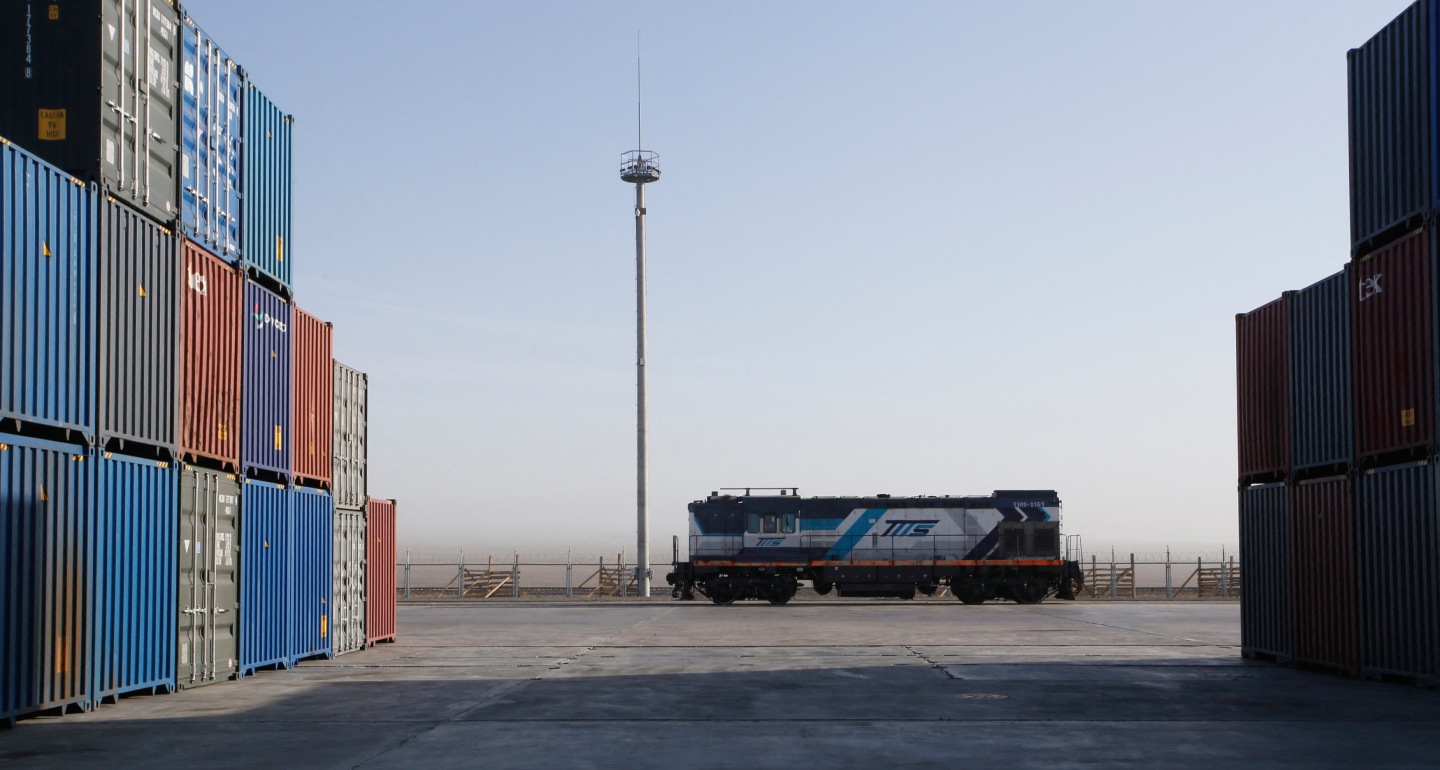
This year’s wars have made alternative routes to transit through Russia no less risky for Central Asian countries.

Galiya Ibragimova
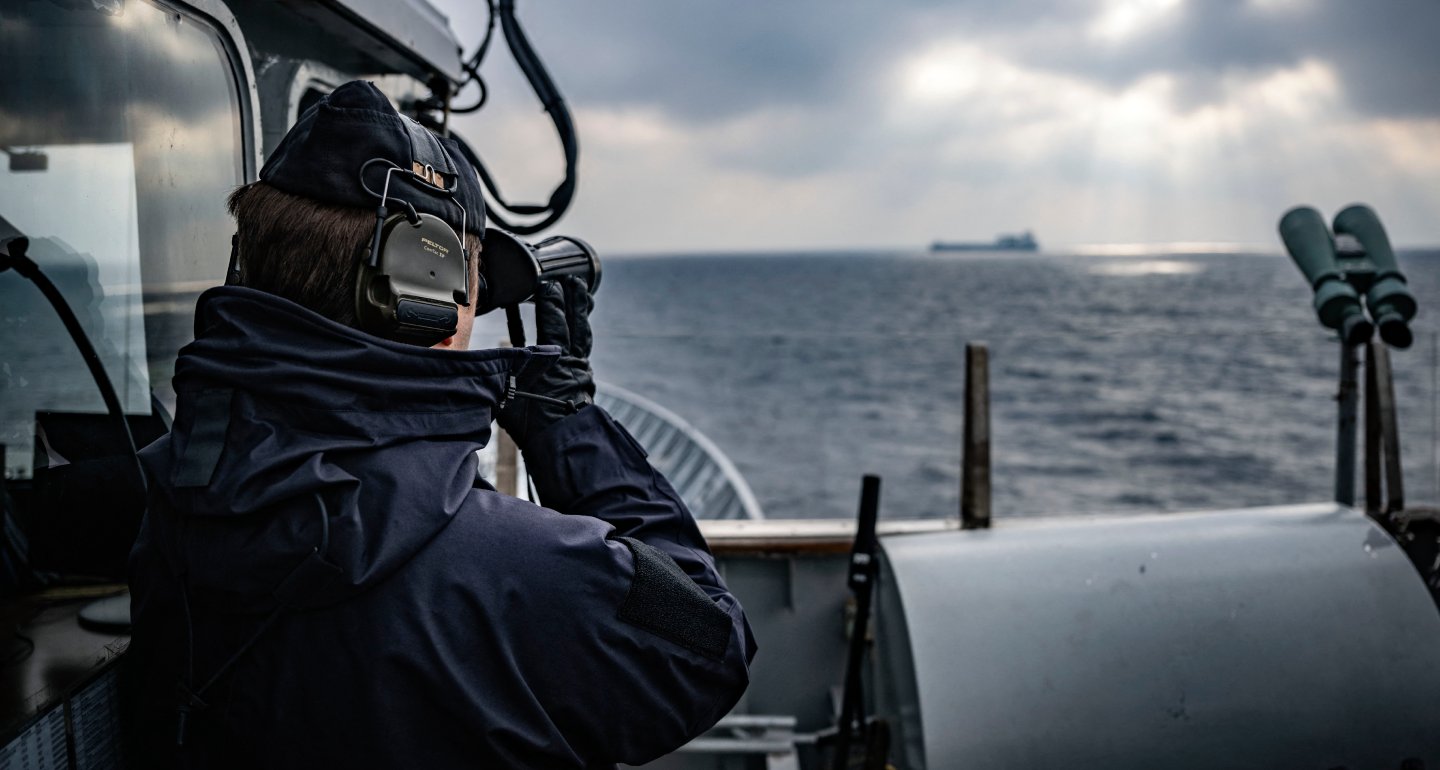
Governments in Estonia, Latvia, and Lithuania want to ensure that a U.S. military withdrawal would not leave them dangerously exposed to a Russian attack.

Sergejs Potapkins