

Commentary
Trump has promised Belarus a massive potash deal. But Minsk is seeking something greater: restored Western transit and greater room for maneuver from Russia.
Balázs Jarábik

REQUIRED IMAGE
In a February 14 letter to Congress, six nonproliferation experts and former government officials detailed the serious problems with the proposed US-India nuclear deal. Their core concern is thatU.S.trade and cooperation would directly assistIndia’s nuclear weapons program. This would violate existingU.S.laws and theU.S.commitment in the nuclear Non-Proliferation Treaty “not in any way to assist, encourage, or induce any non-nuclear weapon State to manufacture or otherwise acquire nuclear weapons or other nuclear explosive devices.”
The experts say, “Building upon the already strong U.S.-Indian partnership is an important goal, and we remain convinced that it can be achieved without underminingU.S.leadership efforts to prevent the proliferation of the world’s most dangerous weapons.”
They caution, however, that “on balance,India’s commitments under the current terms of the proposed arrangement do not justify making far-reaching exceptions toU.S.law and international nonproliferation norms. At a minimum, this requires permanent, facility-specific safeguards on a mutually agreed and broad list of current and future civil Indian nuclear facilities and material, as well a cutoff of Indian fissile material production for weapons.”
For a pdf of the seven-page letter, click here.
In a February 14 letter to Congress, six nonproliferation experts and former government officials detailed the serious problems with the proposed US-India nuclear deal. Their core concern is that
The experts say, “Building upon the already strong U.S.-Indian partnership is an important goal, and we remain convinced that it can be achieved without undermining
They caution, however, that “on balance,
For a pdf of the seven-page letter, click here.
Caterina Dutto
Former Research Assistant
Carnegie does not take institutional positions on public policy issues; the views represented herein are those of the author(s) and do not necessarily reflect the views of Carnegie, its staff, or its trustees.

Trump has promised Belarus a massive potash deal. But Minsk is seeking something greater: restored Western transit and greater room for maneuver from Russia.

Balázs Jarábik

Minsk clearly expected the dialogue with Washington to yield more results, in particular the lifting of EU sanctions and permission to export potash.

Artyom Shraibman

With the growth in points of friction between the great powers, organizations like the SCO will continue to play a role in the strategic adaptation of the smaller powers caught between them.

Temur Umarov

Ongoing uncertainty in the Middle East allows Moscow to both increase its influence in Tehran and continue to enjoy the financial windfall of higher oil prices.

Nikita Smagin
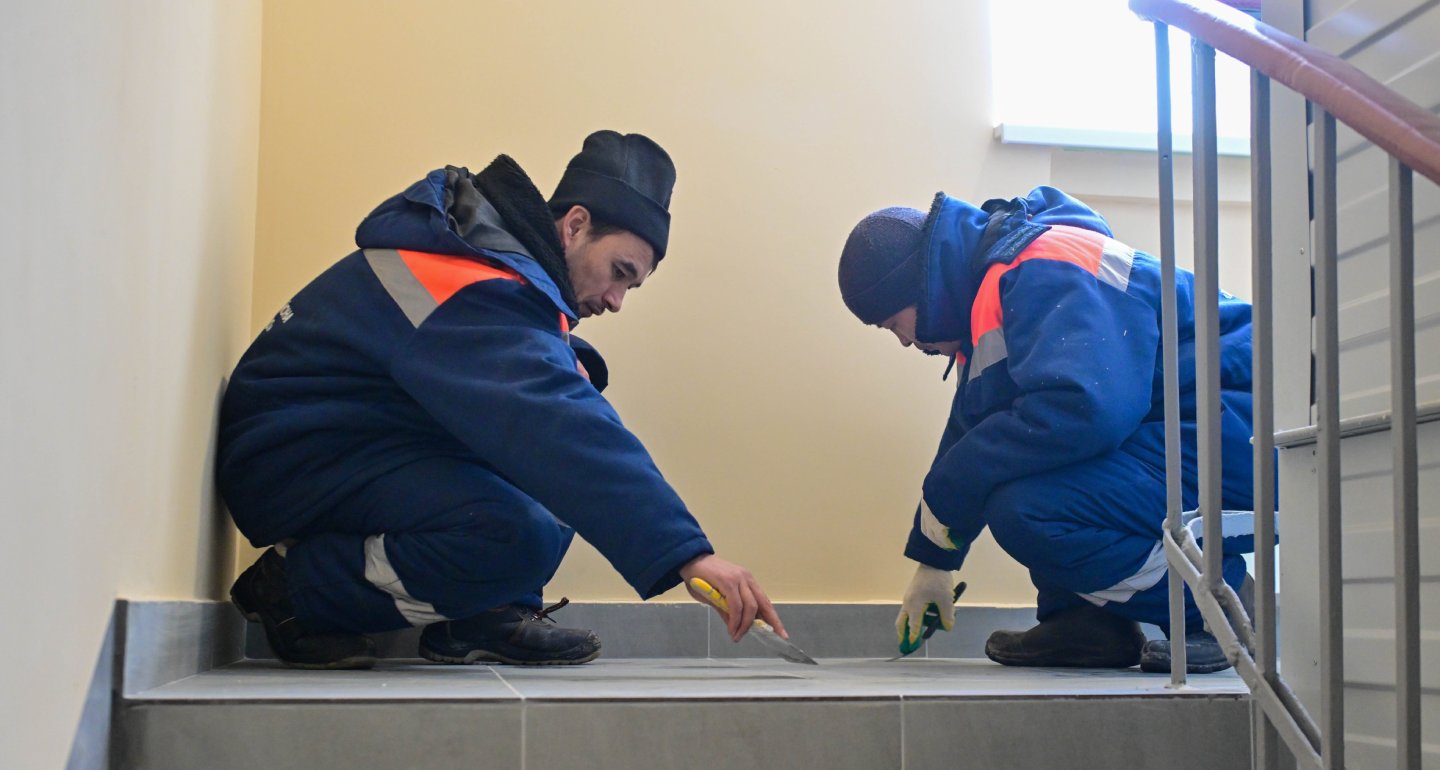
The demands of the Kremlin’s war in Ukraine, demographic problems, and public hostility toward Central Asians mean Russia does not have enough workers.
Salavat Abylkalikov