

Commentary
Russian strikes are weakening the economy sustaining Ukraine’s war effort. Closing the growing funding gap will require more European support and politically contentious reforms in Kyiv.
Balázs Jarábik
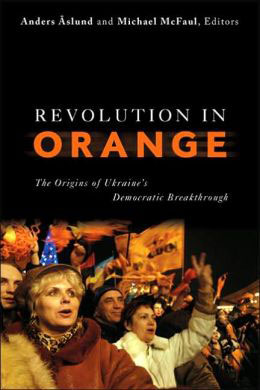
The dramatic series of protests and political events that unfolded in Ukraine in the fall of 2004—the “Orange Revolution”—were seminal both for Ukrainian history and the history of democratization. Revolution in Orange seeks to explain why and how this nationwide protest movement occurred.
Source: Washington

This volume attempts to distinguish between necessary and facilitating factors in the success of the Orange Revolution. It also discusses the elements that have been commonly assumed to be critical, but in fact were not instrumental in the movement. Chapters explore the role of former president Kuchma and the oligarchs, societal attitudes, the role of the political opposition and civil society, the importance of the media, and the roles of Russia and the West.
"Keen observers of the recent transition, Aslund and his coauthors write with authority about the challenges and opportunities Ukraine faces today.... This book should be read carefully by students and policy makers alike."
—George Soros, chairman of the Open Society Institute
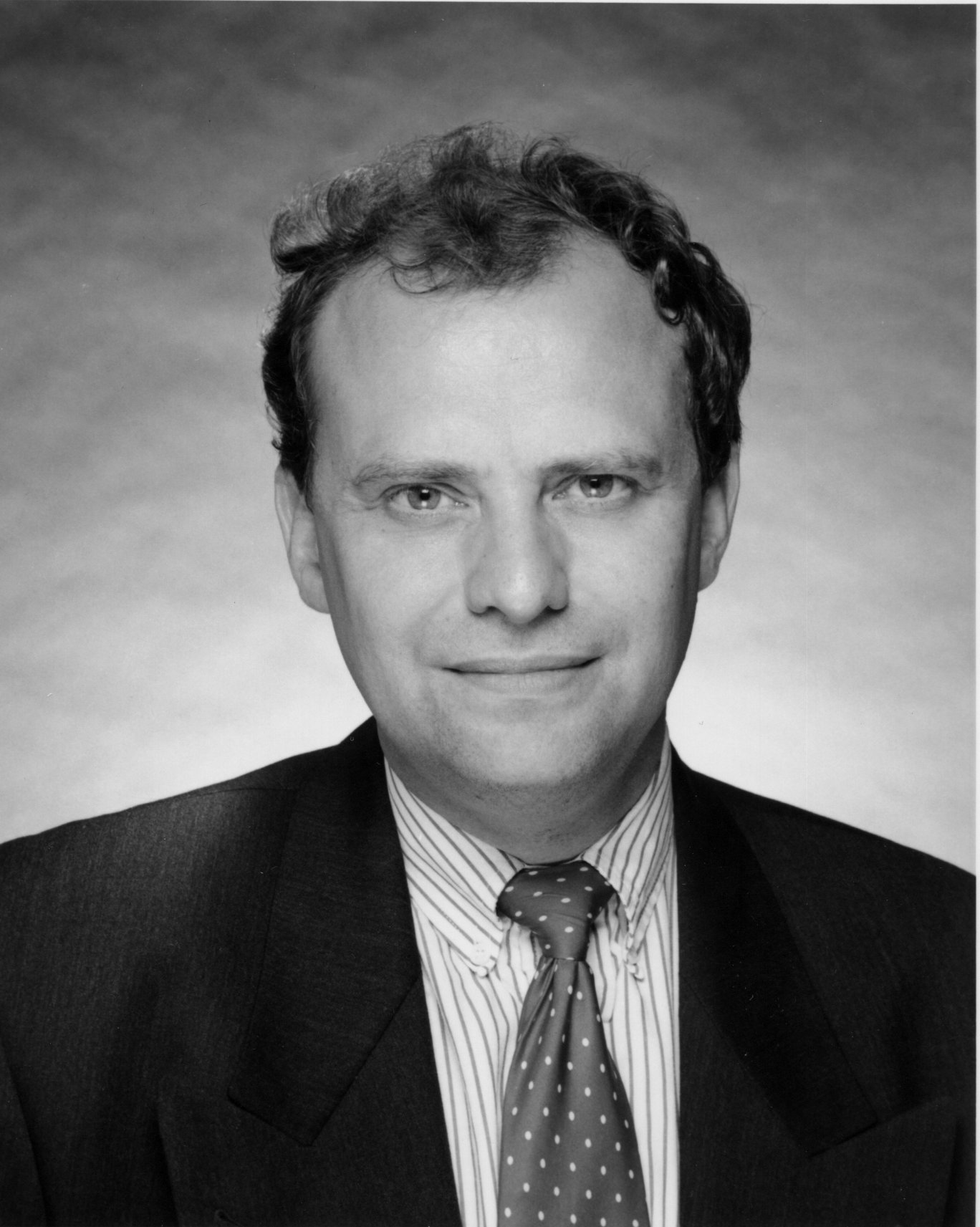
Former Senior Associate, Director, Russian and Eurasian Program
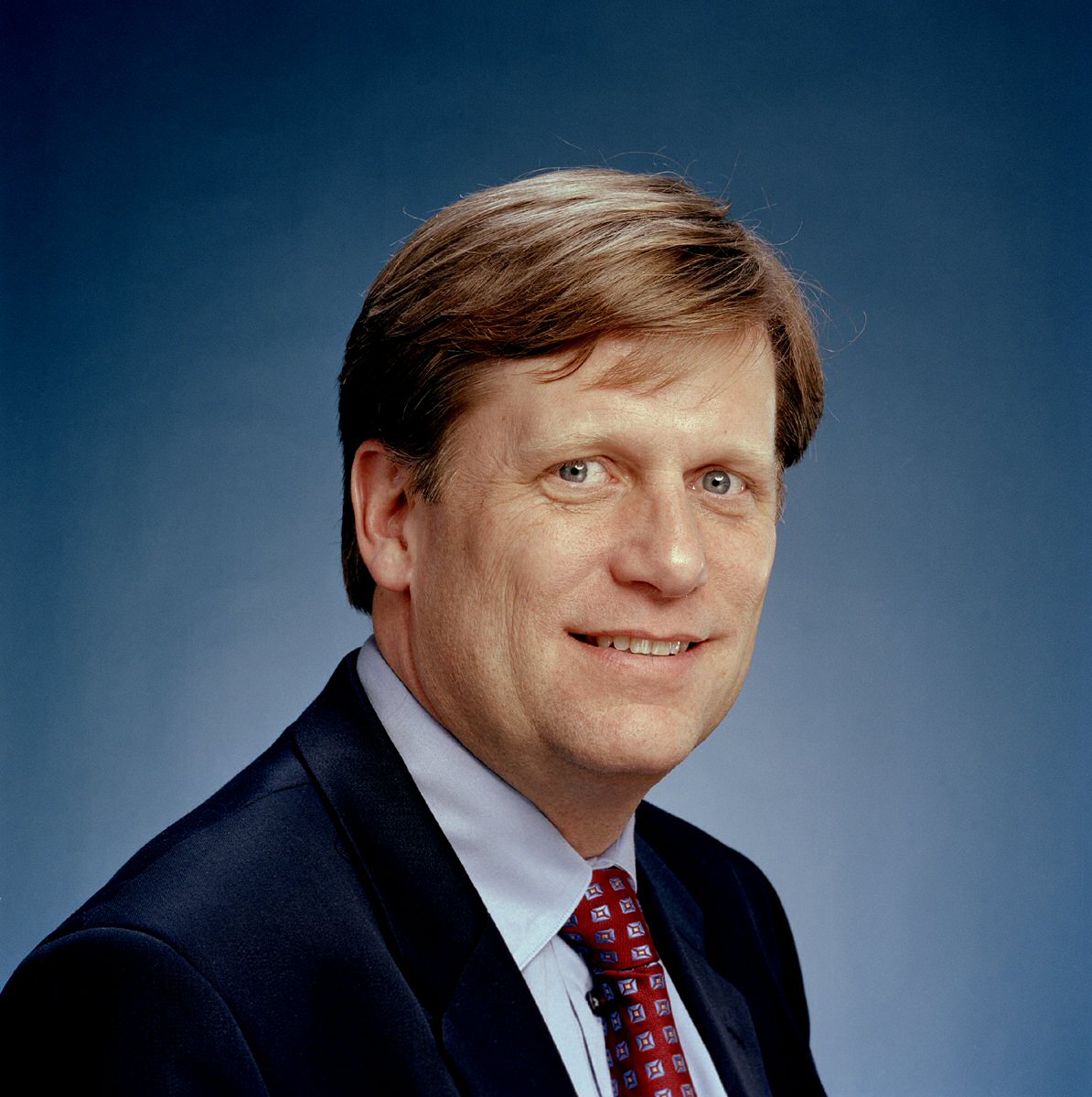
Former Senior Associate
In addition to his role at Carnegie, McFaul is Peter and Helen Bing Senior Fellow at the Hoover Institution and associate professor of political science at Stanford University.
Carnegie does not take institutional positions on public policy issues; the views represented herein are those of the author(s) and do not necessarily reflect the views of Carnegie, its staff, or its trustees.

Russian strikes are weakening the economy sustaining Ukraine’s war effort. Closing the growing funding gap will require more European support and politically contentious reforms in Kyiv.

Balázs Jarábik

Ex-president Gurbanguly Berdimuhamedov remains interested in politics, but his son Serdar, Turkmenistan’s current president, is becoming increasingly independent and willing to break with his father’s legacy. If their covert rivalry goes too far, both risk losing power.

Galiya Ibragimova

Despite a new textbook, an influx of Russian teachers and managers, and an end to the teaching of Ukrainian, the Kremlin is unlikely to have “reprogrammed” locals.

Konstantin Skorkin

For every ruble allocated to social policy, health, and education in 2027, double that amount is earmarked for the army, the police, and the security services.

Alexandra Prokopenko

Cargo traffic through Russia’s Northern Sea Route has increased because of the disruption caused by the conflict in the Middle East, the Ukraine war, and U.S.-China tensions.

Mikhail Korostikov