

Commentary
Ongoing uncertainty in the Middle East allows Moscow to both increase its influence in Tehran and continue to enjoy the financial windfall of higher oil prices.
Nikita Smagin

REQUIRED IMAGE
The best estimates indicate that Iran is 5-10 years away from the ability to enrich enough weapons-grade uranium for a nuclear weapon. But there are major uncertainties with these estimates. One worst-case scenario could have Iran with a nuclear bomb at the end of 2009, but that assumes that Iran does not encounter any of the technical problems that typically plague such programs.
How long will it take for
The best estimates indicate that
As reported in August 2005 by the Washington Post, the National Intelligence Estimate on
This analysis explores this worst-case estimate. It concludes that carefully tracking the Iranian progress over the next two years and giving IAEA inspectors the authority and ability to fully investigate all facilities will be the key to determining when, or if,
How to Make a Bomb
The start-to-finish process of producing weapons-grade uranium involves the extraction of natural uranium from deposits, milling to produce uranium concentrate (more commonly referred to as “yellowcake”), uranium conversion to UF6 gas, and centrifuge enrichment to low-enriched (LEU) and then to highly-enriched uranium (HEU) or directly from UF6 to HEU.
The IAEA Director General noted in his March report to the IAEA Board of Governors that by February 2006,
How quickly
Albright and Hinderstein estimate that
The Iranian program is based on P1 centrifuges. These are the original Pakistani design. The general rule of thumb is that it would take 1500 P1 centrifuges operation for a year to produce 28 kilograms of highly-enriched uranium (90 percent Uranium-235). This is enough for one weapon. The Department of State on April 12 estimated that 3000 centrifuges could produce enough HEU for one nuclear bomb in about 9 months.
Pilot Fuel Enrichment Plant (PFEP)
The Pilot Fuel Enrichment Plant, located at Natanz, 200 miles south of
The Iranian reports of April 11, 2006 that
Operating a test cascade will allow
Breakout at FEP
The ISIS worst case estimate is based on the possible break-out capability that even a partially complete enrichment facility could give
For example,
Carefully tracking the Iranian progress over the next two years and giving IAEA inspectors the authority and ability to fully investigate all facilities will be the key to determining when, or if,
Related Links:
The Clock is Ticking, But How Fast?
David Albright and Corey Hinderstein, Institute for Science and International Security, 27 March 2006
Iran's Strategic Weapons Programmes
International Institute for Strategic Studies, 6 September 2005
IAEA Reports on Iran, International Atomic Energy Agency website
Caterina Dutto
Former Research Assistant
Carnegie does not take institutional positions on public policy issues; the views represented herein are those of the author(s) and do not necessarily reflect the views of Carnegie, its staff, or its trustees.
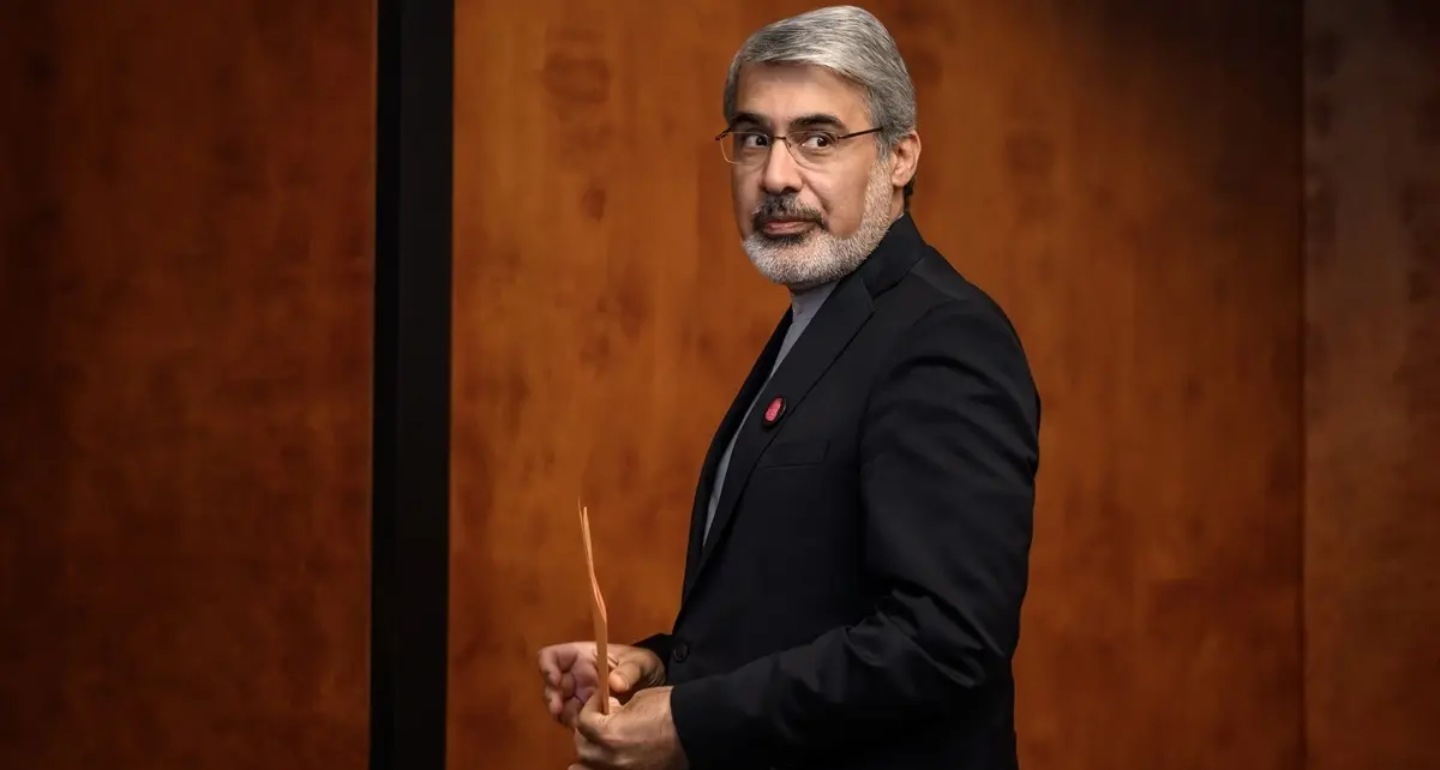
Ongoing uncertainty in the Middle East allows Moscow to both increase its influence in Tehran and continue to enjoy the financial windfall of higher oil prices.

Nikita Smagin
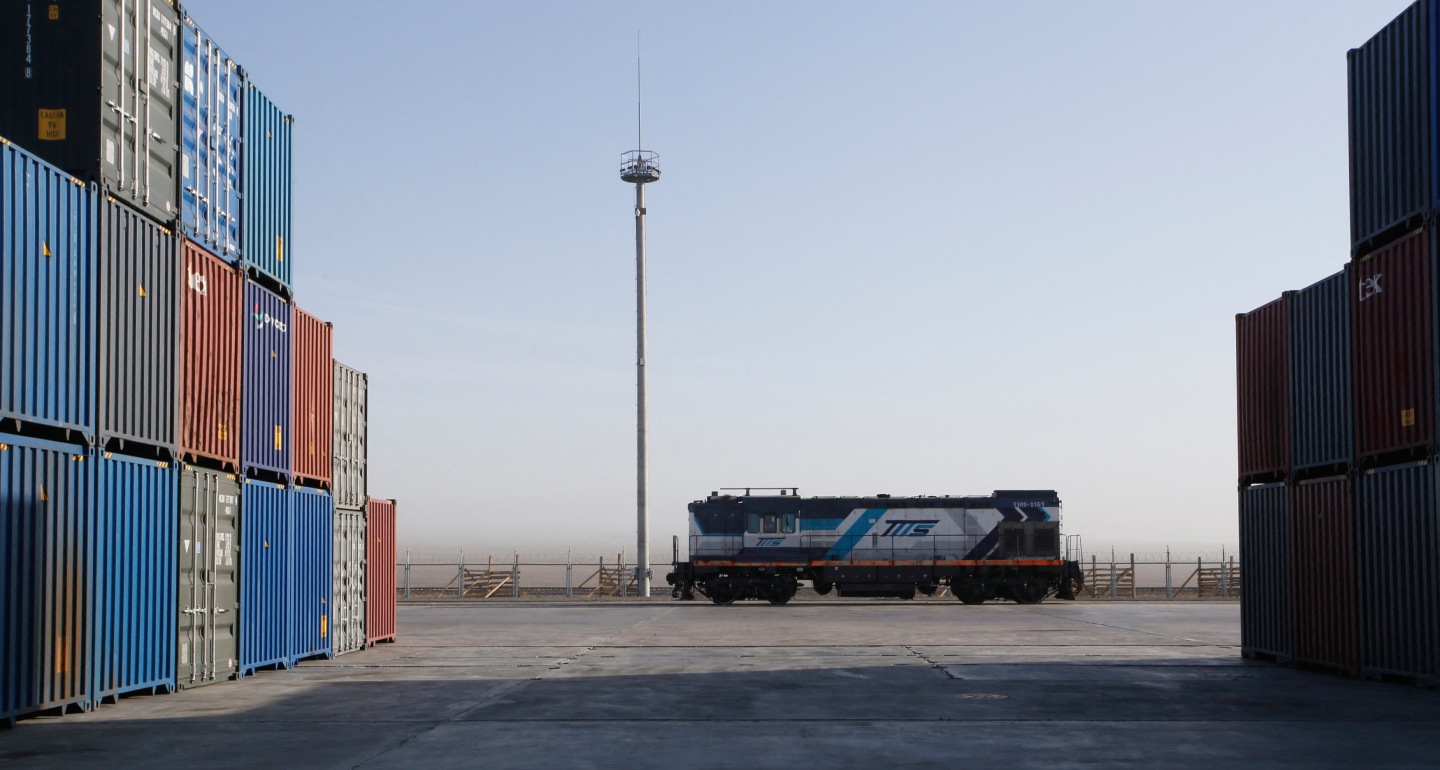
This year’s wars have made alternative routes to transit through Russia no less risky for Central Asian countries.

Galiya Ibragimova

Troubled by the growing salience of nuclear debates in East Asia, Moscow has responded in its usual way: with condemnation and threats. But by exacerbating insecurity, Russia is forcing South Korea and Japan to consider radical security options.

James D.J. Brown
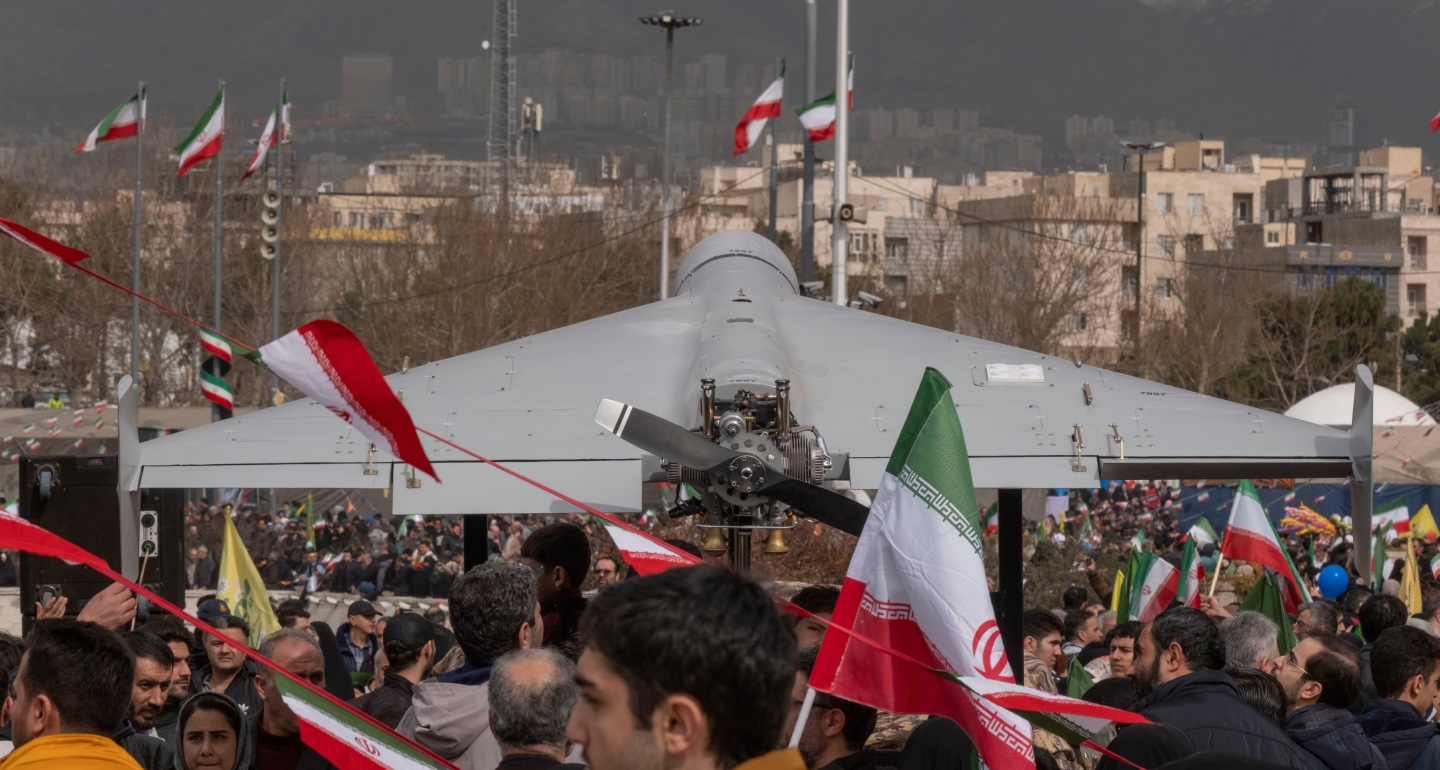
The Russian leadership wants to avoid a dangerous precedent in which it is squeezed out of Iran by the United States and Israel—and left powerless to respond in any meaningful way.
Nikita Smagin
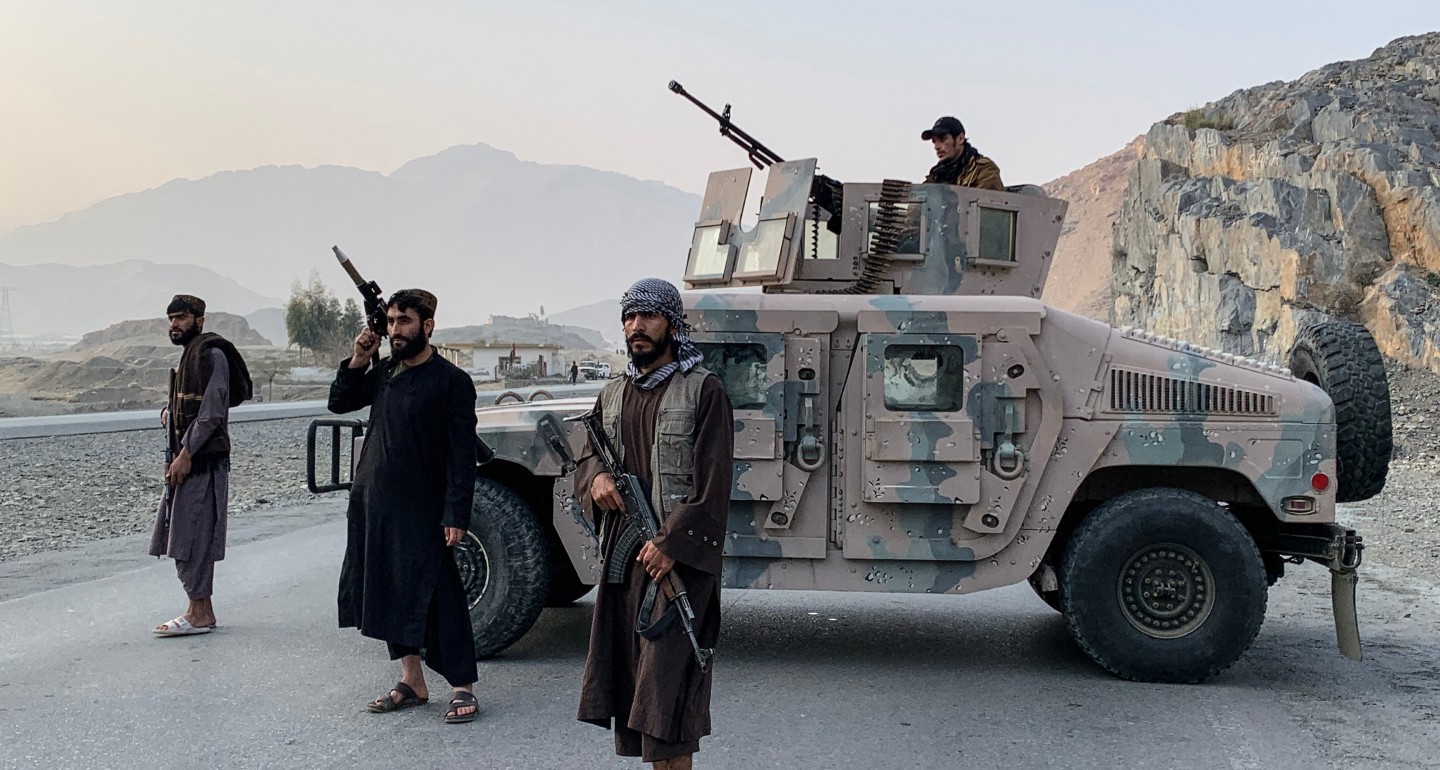
Not only does the fighting jeopardize regional security, it undermines Russian attempts to promote alternatives to the Western-dominated world order.

Ruslan Suleymanov