

Commentary
A leak of Russian gas price data helps establish that China is paying Russia far less than Central Asian countries and Gazprom’s former European customers.
Sergey Vakulenko

REQUIRED IMAGE
Source: Carnegie Endowment
Russia has been in the process of seeking membership in the World Trade Organization (WTO) since June 1993. Currently, the United States is the only major economic power that has yet to finalize a bilateral market access agreement with the Russian Federation. Most observers of the situation concur that the enforcement of intellectual property rights laws remains, along with agriculture, one of the two major hurdles to Russian accession to the World Trade Organization.
This paper seeks to elucidate the challenges and policy options that Russia faces on enforcing intellectual property rights, highlighting lessons learned from the experiences of China and Ukraine. Its goal is to advance the United States–Russia dialogue on accession and to help achieve the kind of progress desired by all parties.
Click on icon above for the full text of this Carnegie Paper.
Sherman E. Katz is a senior associate at Carnegie Endowment for International Peace. His research focuses on WTO global trade negotiations in the Doha Round, implications of Chinese accession to the WTO, and the distribution of benefits from U.S. Free Trade Agreements.
Matthew Ocheltree has been a research assistant with the Trade, Equity and Development Project since February 2006.
Former Senior Associate
Matthew Ocheltree
Carnegie does not take institutional positions on public policy issues; the views represented herein are those of the author(s) and do not necessarily reflect the views of Carnegie, its staff, or its trustees.
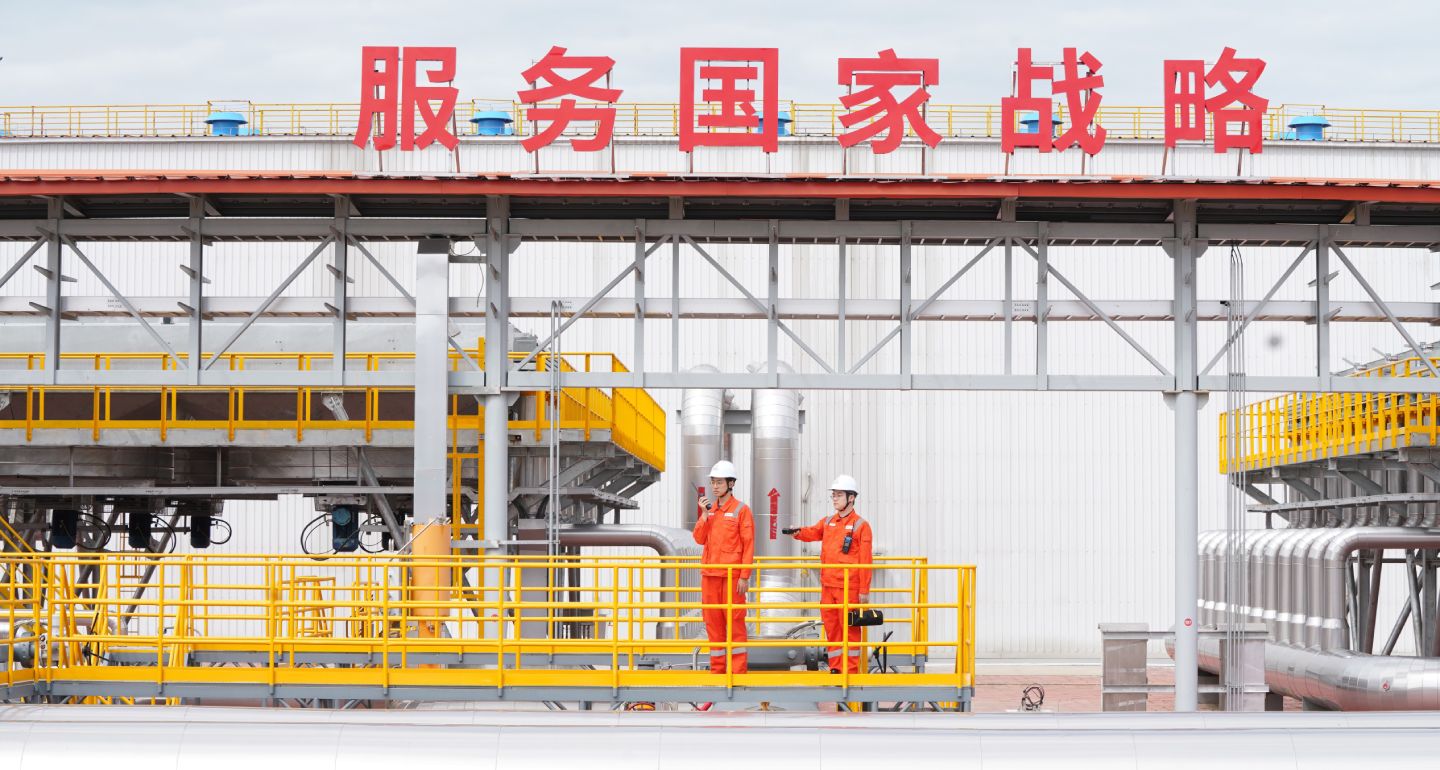
A leak of Russian gas price data helps establish that China is paying Russia far less than Central Asian countries and Gazprom’s former European customers.

Sergey Vakulenko

Japan’s long-term security policy is driven by concerns about China, and there is little appetite for (or interest in) pursuing a confrontation with Moscow.

James D.J. Brown

The truth of the strategic situation is that Europe and Russia are extremely unlikely to be able to “turn the page” on their confrontation within the next two decades.

Arkady Moshes

Russia spent years building a “sovereign internet,” concentrating web infrastructure exclusively within Russian territory. Ukrainian drone attacks have shown how vulnerable that approach has left the Russian internet.

Maria Kolomychenko

Putin’s conservative staffing policies and search for ever greater control have cemented parliament’s transformation into a bureaucratic appendage of the executive branch.

Andrey Pertsev