

Commentary
Putin’s conservative staffing policies and search for ever greater control have cemented parliament’s transformation into a bureaucratic appendage of the executive branch.
Andrey Pertsev

REQUIRED IMAGE
Arab countries are undertaking diplomatic initiatives that clearly contradict U.S. policy, because they no longer trust the U.S. capacity to contend with escalating regional crises.
Source: Carnegie Endowment
Arab countries are undertaking diplomatic initiatives that clearly contradict U.S. policy, because they no longer trust the U.S. capacity to contend with escalating regional crises. Even Arab countries traditionally aligned with the United States are no longer willing to follow Washington’s lead on policies toward Iran, Lebanon, or Hamas, concludes a new paper from the Carnegie Middle East Program.
Marina Ottaway and Mohammed Herzallah assess the diplomatic efforts of Arab regimes seeking to fill the power vacuum left by the absence of a strong regime in Iraq and ineffectual U.S. policy in The New Arab Diplomacy: Not With the U.S. and Not Against the U.S.
Key Conclusions:
• While new Arab diplomatic initiatives may contradict current U.S. policy, they may not contravene long-term U.S. interests.
• Arab regional diplomacy lacks an overarching vision and is instead based on a desire to reduce imminent threats.
• Influence in the Arab world has shifted to the Gulf and the change is likely permanent due to increased oil wealth and the crises engulfing other regions.
• The United States and Saudi Arabia, historically close allies, often hope for the same outcome in regional conflicts but pursue different strategies. In trying to contain Iran, Saudi Arabia seeks to avoid confrontation through diplomatic engagement, while the United States favors isolation. Saudi Arabia promotes reconciliation between Fatah and Hamas as a necessary step in the Israeli–Palestinian peace process, while the United States refuses to recognize Hamas.
• Qatar and the United Arab Emirates unexpectedly emerged as extremely active participants in the new regional diplomacy. Qatar’s success in negotiating the Doha agreement between Lebanese rivals prompted other initiatives among other Gulf countries.
• Egypt, consumed by domestic challenges and a looming succession crisis, has refrained from intervening in regional issues unless directly affected, such as the humanitarian crisis in Gaza.
• Aid-dependent Jordan remains a quiet ally of the United States, neither opposing the initiatives of other Arab countries, nor embarking on any of its own.
The authors conclude:
“The question going forward is whether the new assertiveness and diplomatic activism, and with them the divergence from U.S. policies, will continue. This is a question of great importance to the new U.S. administration. Except in the case of Egypt, the foreign policies of the countries discussed depend heavily on the position taken by individual leaders, so they could easily change. However, Gulf countries are now richer, more developed, and courted by many for their oil, gas, and investment, and thus are less likely to simply follow the U.S. lead without questions. Whether the policies of these countries will diverge from those of the United States depends as much on U.S. choices as on theirs.”
Click on icon above for the full text of this Carnegie Paper.
A limited number of print copies of this Carnegie Paper are available.
Request a copy
About the Authors
Marina S. Ottaway, director of the Carnegie Middle East Program, specializes in democracy and post-conflict reconstruction issues, including political transformation in the Middle East and reconstruction in Iraq, Afghanistan, the Balkans, and African countries. She is a senior associate in the Democracy and Rule of Law Program, which analyzes the state of democracy around the world and the efforts by the United States and other countries to promote democracy.
Mohammed Herzallah was the 2007–2008 junior research fellow for the Carnegie Middle East Program. His research interests include democracy and the rule of law, international economic development, and Arab politics.
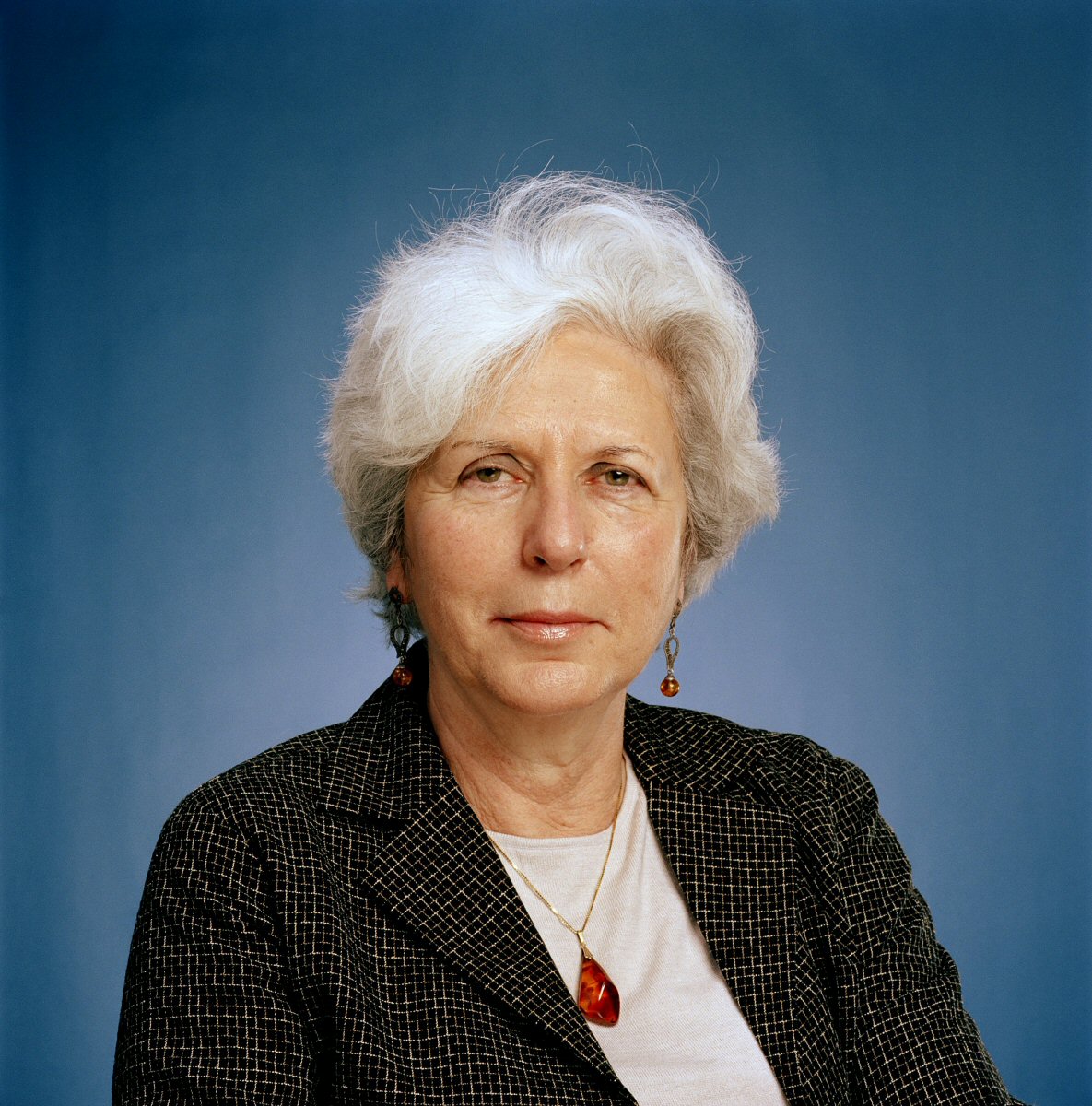
Former Senior Associate, Middle East Program
Before joining the Endowment, Ottaway carried out research in Africa and in the Middle East for many years and taught at the University of Addis Ababa, the University of Zambia, the American University in Cairo, and the University of the Witwatersrand in South Africa.
Mohammed Herzallah
Former Junior Fellow, Middle East
Carnegie does not take institutional positions on public policy issues; the views represented herein are those of the author(s) and do not necessarily reflect the views of Carnegie, its staff, or its trustees.

Putin’s conservative staffing policies and search for ever greater control have cemented parliament’s transformation into a bureaucratic appendage of the executive branch.

Andrey Pertsev

Russia’s AI-driven propaganda campaigns operate in a fragmented, chaotic, and often illogical manner. That’s not necessarily a problem for the Kremlin, though: It’s much easier to mimic genuine public debate that way.

Ilya Klishin

Without a ceasefire with Ukraine on attacking each other’s energy infrastructure—to which the Kremlin is unlikely to agree—the diesel agreement between Putin and Trump is largely for show, rather than representing a genuine increase in the volumes of Russian diesel on the global market.

Sergey Vakulenko

Russian strikes are weakening the economy sustaining Ukraine’s war effort. Closing the growing funding gap will require more European support and politically contentious reforms in Kyiv.

Balázs Jarábik

Ex-president Gurbanguly Berdimuhamedov remains interested in politics, but his son Serdar, Turkmenistan’s current president, is becoming increasingly independent and willing to break with his father’s legacy. If their covert rivalry goes too far, both risk losing power.

Galiya Ibragimova