

Commentary
Russian strikes are weakening the economy sustaining Ukraine’s war effort. Closing the growing funding gap will require more European support and politically contentious reforms in Kyiv.
Balázs Jarábik
Source: Getty
Investors fled from developing countries for U.S. and European safe havens during the crisis, but the rapid recovery in emerging economies has sparked a potentially dangerous rush of capital inflows.
During the financial crisis, capital flows to emerging markets plummeted as investors fled riskier markets for U.S. and European safe havens. As emerging markets have recovered, many of them faster than advanced economies, investors are moving capital back to developing economies. However, flows remain significantly depressed relative to 2007, the last complete year before the crisis erupted.
A recent note by the Institute of International Finance (IIF) details these trends in emerging market capital flows, providing an improvement on IMF and World Bank forecasts.
Strengthening Flows
Capital flows to emerging markets have been surging since they hit March lows, as improving economic prospects in the developing world have encouraged both foreign direct investment (investment in productive assets in which the investor has an ownership stake) and bond and equity investment.

Asia Leads
Asia and Latin America have benefit from stabilizing markets and recovering portfolio inflows. Financial stresses have eased in Eastern Europe, though the region remains the most affected by the crisis.
Improvements Expected to Persist
Improvements in bond and equity markets are expected to be maintained, though weaknesses still persist.
Capital flows are expected to continue to rebound through 2010, though they will remain below the 2007 peaks.
Risks of a Bubble
Countries that have most successfully emerged from the recession are now facing the risk of asset bubbles and currency appreciation as liquidity from slowly recovering countries searches for a destination. Record low U.S. dollar short-term interest rates and the possibility of further dollar decline are underpinning a large dollar “carry trade,” borrowing in dollars to fund punts on emerging market assets. Policy makers are looking to a variety of responses, from taxes in specific sectors to capital controls.
Policy makers are trying to balance maintaining international competitiveness with quelling asset bubbles.
Elsewhere, equity markets benefited from strong data in the Euro-area. Indicators in the United States were mixed.
Looking Ahead
Several major economies in Europe will release initial GDP estimates on Friday, November 13, including Germany, France, Italy, and the European Commission’s estimate for the European Union.
This analysis was produced by the editorial staff of the International Economic Bulletin, including Shimelse Ali, Vera Eidelman, Bennett Stancil, and Uri Dadush.
Carnegie does not take institutional positions on public policy issues; the views represented herein are those of the author(s) and do not necessarily reflect the views of Carnegie, its staff, or its trustees.

Russian strikes are weakening the economy sustaining Ukraine’s war effort. Closing the growing funding gap will require more European support and politically contentious reforms in Kyiv.

Balázs Jarábik

For every ruble allocated to social policy, health, and education in 2027, double that amount is earmarked for the army, the police, and the security services.

Alexandra Prokopenko

Depleted financial reserves and a shrinking tax base mean it is no longer possible to simultaneously deliver high defense spending, price stability, and economic growth.
Alexandra Prokopenko
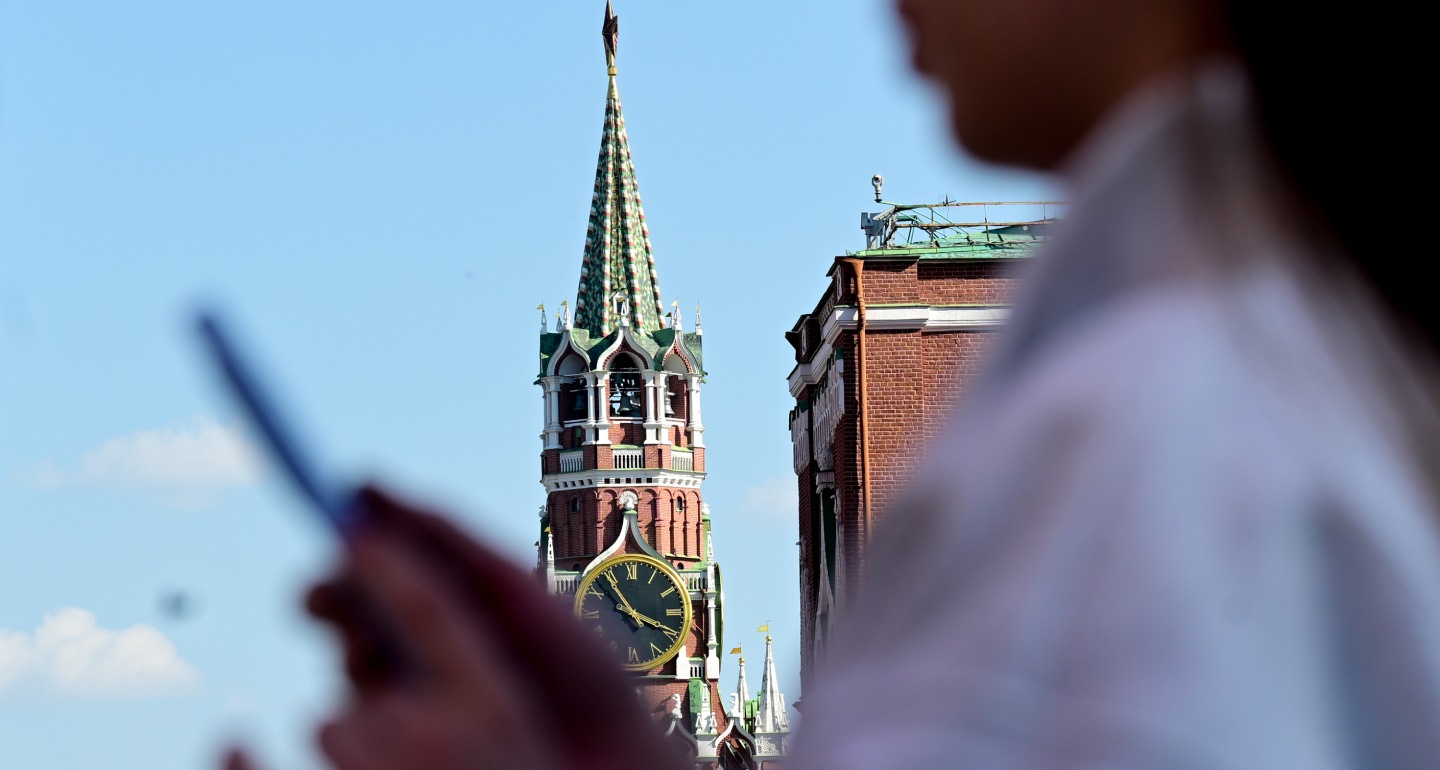
A much-discussed disagreement over internet restrictions in Russia was never an existential threat for Putin: It was about elite groups protecting their interests.
Alexandra Prokopenko

The demands of the Kremlin’s war in Ukraine, demographic problems, and public hostility toward Central Asians mean Russia does not have enough workers.

Salavat Abylkalikov