

Commentary
Putin’s conservative staffing policies and search for ever greater control have cemented parliament’s transformation into a bureaucratic appendage of the executive branch.
Andrey Pertsev
Source: Getty
The saga of the banning and unbanning of alleged Baathists has cast a pall on the elections even before the campaign starts in earnest. Whatever the final decision on the banning issue, it is bound to be highly controversial.
Editor's Note: Read updates on the JAC ban: February 25, 2010.
In a continuation of an increasingly politicized and confusing saga, the decision of the ad hoc appeals committee that ordered the conditional unbanning of alleged former Baathists has been reversed. On February 3 the committee ruled that the banned individuals should be allowed to participate in the elections, but that all cases would be reviewed after the elections to determine whether the allegations were valid. This raised the possibility that some elected candidates would not be allowed to take their seats.
The unbanning provoked a storm of protest particularly by the predominant Shia parties, which insisted that Baathists could not be allowed to run. Prime Minister Nouri al-Maliki’s Dawa party in particular organized a number of demonstrations around Iraq to protest the decision. Responding to the outcry and to political pressures, the ad hoc committee backtracked. Claiming that it had originally misunderstood its mandate as requiring it to examine all banning cases, rather than just those of the 177 individuals who appealed the ban, it revoked the blanket unbanning and announced that it would review all appeals by February 11 to decide who is eligible to run. At the same time the election commission announced that the election campaign, originally scheduled to start on February 8, would start instead on February 12.
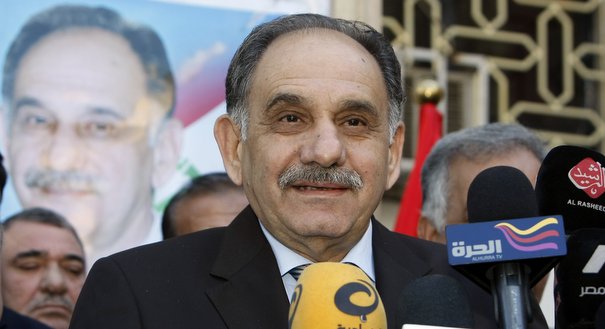
The saga of the banning and unbanning of alleged Baathists has cast a pall on the elections even before the campaign starts in earnest. The final ruling of the review committee will probably not put the issue to rest completely. It is bound to be highly controversial, no matter what it decides, particularly in the case of high profile candidates. Above all, a decision to maintain the ban on Saleh al-Mutlaq risks reviving threats of an election boycott by his allies in the Iraqi National Movement and by some Sunni parties. The decision to let him run would enrage Shia parties and possibly put Maliki at a disadvantage vis-à-vis his adversaries in the Iraqi National Alliance.
Carnegie does not take institutional positions on public policy issues; the views represented herein are those of the author(s) and do not necessarily reflect the views of Carnegie, its staff, or its trustees.

Putin’s conservative staffing policies and search for ever greater control have cemented parliament’s transformation into a bureaucratic appendage of the executive branch.

Andrey Pertsev

Ex-president Gurbanguly Berdimuhamedov remains interested in politics, but his son Serdar, Turkmenistan’s current president, is becoming increasingly independent and willing to break with his father’s legacy. If their covert rivalry goes too far, both risk losing power.

Galiya Ibragimova

Sergei Kiriyenko used Russia’s parliamentary vote to further hone his strategy of corporate mobilization that is designed to maximize votes for United Russia.
Andrey Pertsev

The European far right might fail to steer EU policy in the direction Russia wants, but they will create enough chaos inside Europe to benefit the Kremlin.

Dimitar Bechev

If the Russian-speaking community in Latvia cannot articulate their interests without being seen as disloyal, they could end up embracing a pro-Kremlin agenda.

Sergejs Potapkins