

Commentary
When faced with fuel shortages in the past, Central Asian governments could always count on additional supplies from Moscow. That safety net no longer exists.
Galiya Ibragimova
Source: Getty
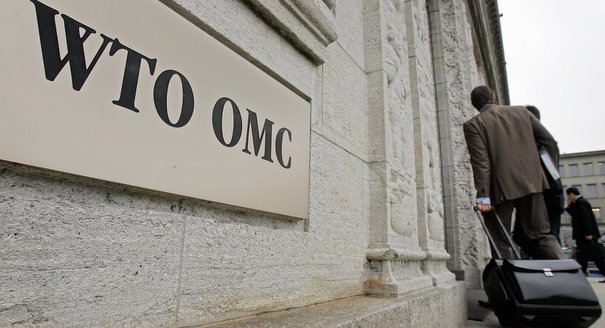
Although World Trade Organization policies helped limit the increase in protectionist measures during the recent financial crisis, a mutually reinforcing set of legal and structural changes in the world economy played a larger role in keeping global markets open.
Despite a limited increase in the incidence of protectionist measures during the recent financial and economic crisis, the effects on global trade appear small—the world, remarkably, did not resort to protectionism. In addition to the concerted stimulus measures, financial rescues, and the strengthening of lender-of-last-resort facilities that restricted the duration and depth of the economic downturn, the World Trade Organization’s disciplines, enforceable through its dispute settlement mechanism, no doubt played an important role in staving off trade protection.
But this is only one part of the story. The increased resistance to protectionism is the result of a complex, mutually reinforcing set of legal and structural changes in the world economy that have made a return to protection more costly and disruptive and have established new vested interests in open markets.
These changes include:
In addition to good macroeconomic and social policies that limit the impact of economic downturns, ensuring an open and predictable trade policy requires a more realistic approach to trade negotiation that embraces plurilateral, bilateral, and regional processes. This, in turn, will maintain the momentum of change, creating more “facts on the ground.” For the World Trade Organization to remain relevant, it must view itself as the facilitator of all these processes and not exclusively as a forum for the exchange of multilateral concessions. Domestic mechanisms that require trade protection proposals to be examined transparently by broad constituencies will further guarantee a predictable trading regime. In an interconnected world, increased attention to trade facilitation is also needed to lower trade costs and consolidate the vested interest in and support for trade. These steps together will help to foster a liberal trading environment and prevent a future recourse to protectionism.
Former Senior Associate, International Economics Program
Dadush was a senior associate at the Carnegie Endowment for International Peace. He focuses on trends in the global economy and is currently tracking developments in the eurozone crisis.
Shimelse Ali
Rachel Esplin Odell
Former Nonresident Research Analyst, Asia Program
Odell is a nonresident research analyst in Carnegie’s Asia Program, where her research focuses on Chinese security studies, East Asian international relations, and U.S. strategy in the Asia-Pacific region.
Carnegie does not take institutional positions on public policy issues; the views represented herein are those of the author(s) and do not necessarily reflect the views of Carnegie, its staff, or its trustees.

When faced with fuel shortages in the past, Central Asian governments could always count on additional supplies from Moscow. That safety net no longer exists.

Galiya Ibragimova
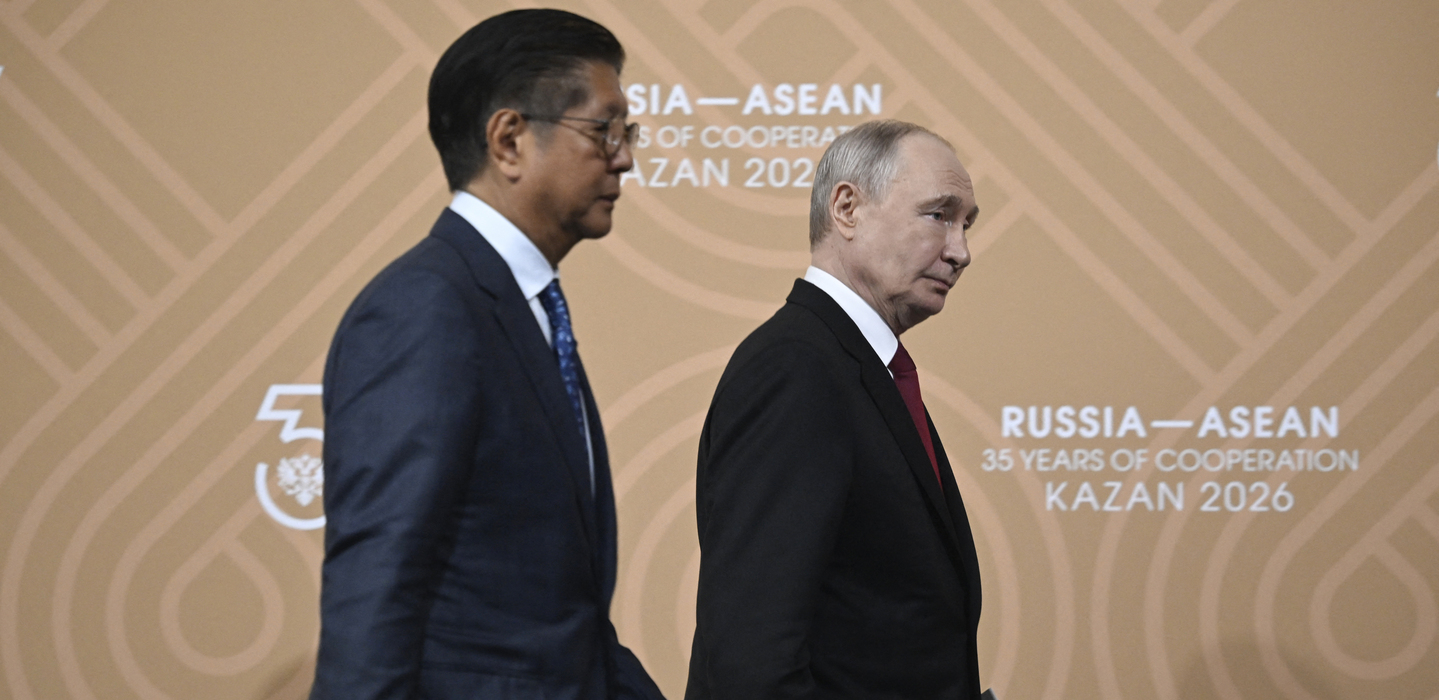
Russia looks set to reap economic benefits from closer ties with Southeast Asian countries that are keen to find reliable energy suppliers and diversify trade ties.

Alexander Gabuev
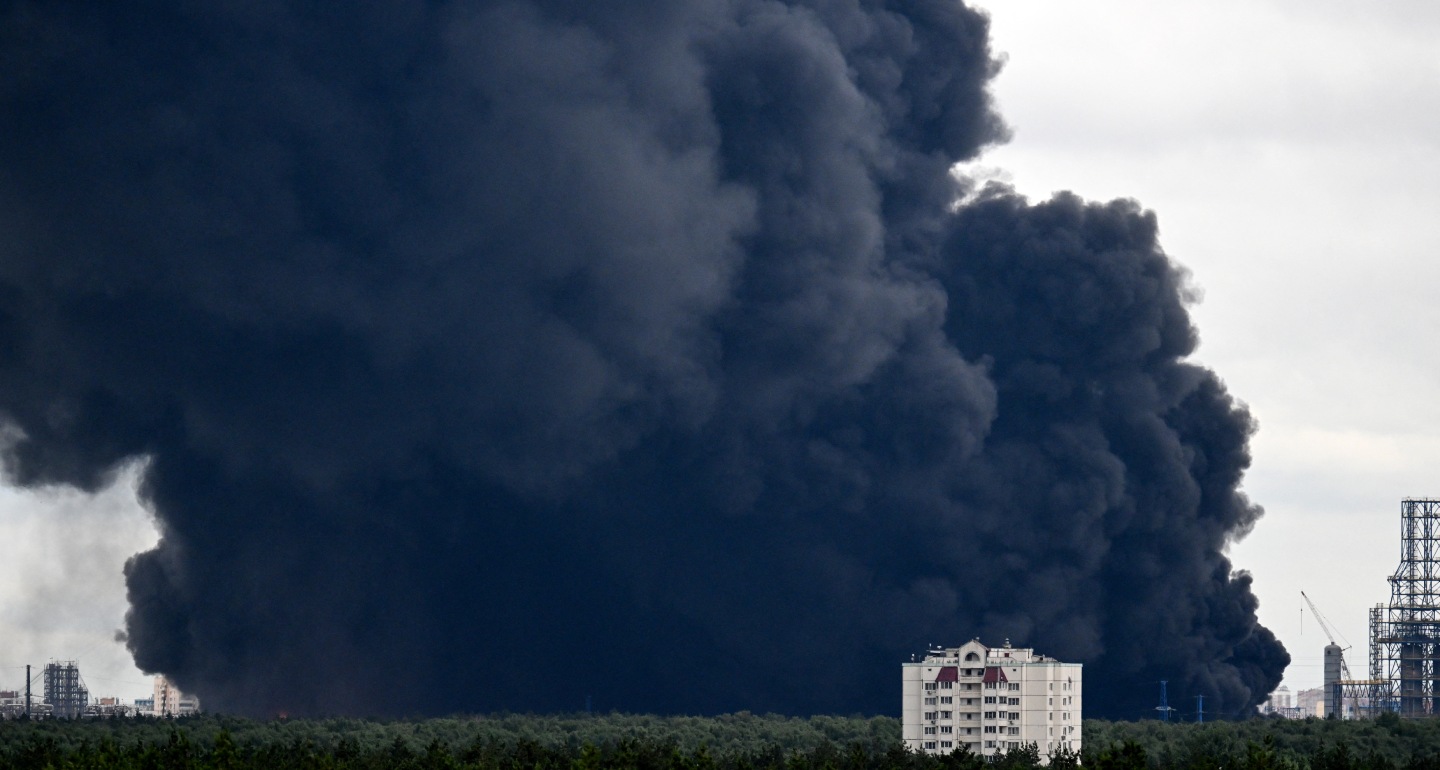
If it proves impossible for the Russian authorities to avoid a gasoline deficit, the question then becomes how they will organize the distribution of a scarce resource.

Sergey Vakulenko
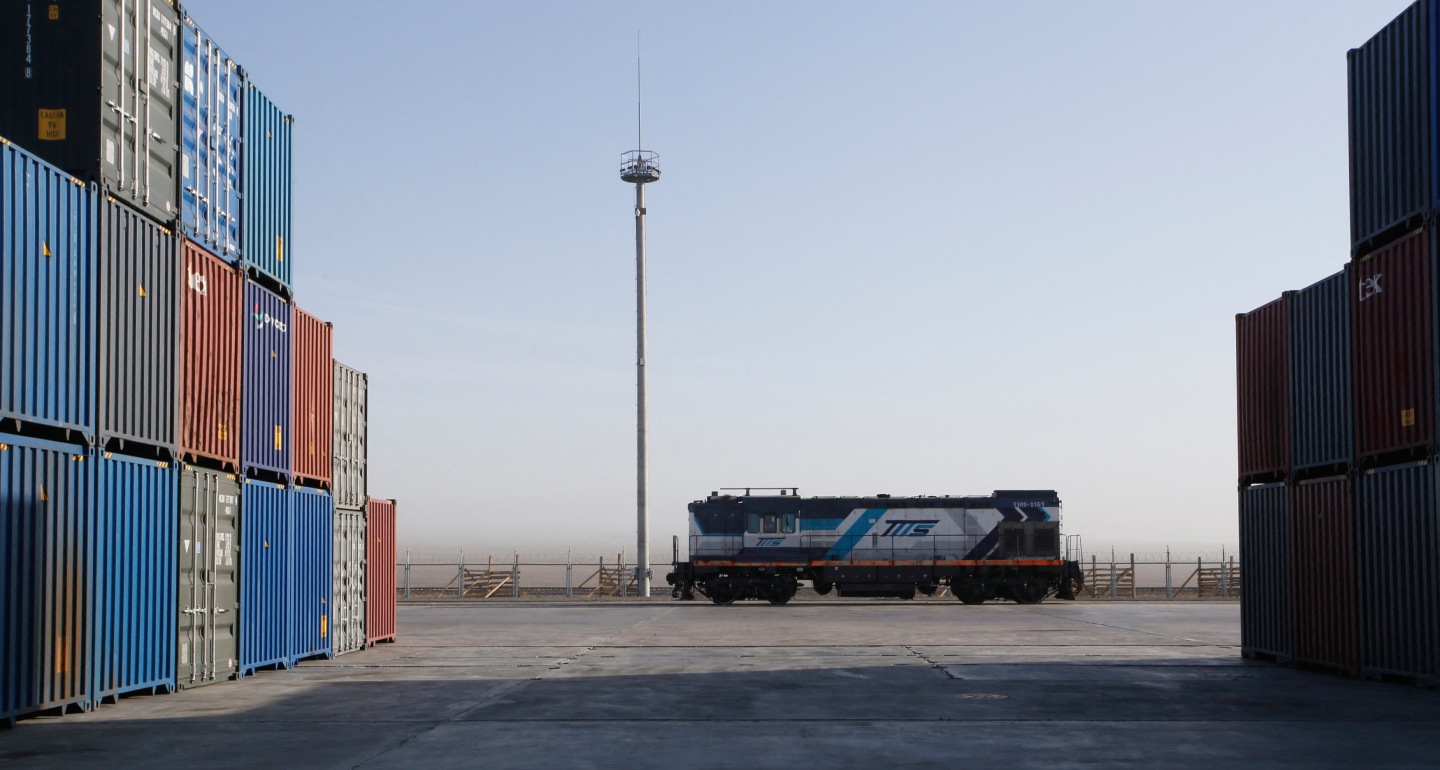
This year’s wars have made alternative routes to transit through Russia no less risky for Central Asian countries.
Galiya Ibragimova

A much-discussed disagreement over internet restrictions in Russia was never an existential threat for Putin: It was about elite groups protecting their interests.

Alexandra Prokopenko