

Commentary
Alexey Malashenko
Source: Getty
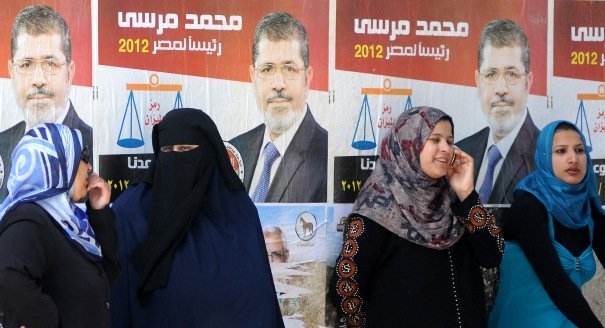
The Muslim Brotherhood’s candidate, Mohamed Morsi, is likely to win the second round of Egypt’s presidential election, with important ramification not only for Egypt but also for the region as a whole.
In the opening round of Egypt’s presidential election, Mohamed Morsi, the Muslim Brotherhood’s candidate, and Ahmed Shafiq, a former prime minister under now-toppled president Hosni Mubarak, finished in first and second place. The two will go head-to-head in the next round on June 16 and 17, and the result of that vote will have far-reaching impact.
At the moment, it seems that Morsi could win up to 60 percent of the votes in the second round. A victory for the Muslim Brotherhood would bolster Islamists’ international standing and strengthen their position in Libya, Tunisia—where they already hold power—and Algeria, where, although they were defeated in the parliamentary election, they have no intention of leaving the political stage. And an Islamist victory in Egypt would certainly be a blow for Syrian President Bashar al-Assad.
An alternative outcome is possible if Egyptians suddenly vote against Morsi because they are concerned about the Islamists and the threat of potential destabilization. But this turn of events does not look very likely.Even if the Muslim Brotherhood’s candidate loses, the organization will remain one of the country’s biggest political forces. If Morsi is defeated, the Muslim Brotherhood and its allies will likely accuse the authorities of fraud and bring hundreds of thousands of their supporters into the streets, perhaps setting off a second wave of Arab uprisings. This time, the struggle might look less like a revolution and more like a civil war.
Meanwhile, the political lineup taking shape in the Muslim world, particularly in the Arab world, looks like a stable political “square” composed of supporters of authoritarian secular regimes, secular liberals, moderate Islamists, and radical Islamists. Of course, there are nuances in each component of the square, but each corner and side stands out clearly. Egypt is an almost perfect example in this respect, but the same structure is evident in other countries too.
The region will unavoidably face instability over the coming years. One of the reasons for that instability will be the almost inevitable disappointment the Arab revolutionaries will feel about their revolutions’ results. The young people from Tahrir Square will grow up, but the social and economic problems and other issues will remain unresolved. And some people are bound to clutch at the idea of an Islamic alternative, whether in moderate or radical form.
In this context, what happens in Egypt is very important not just for the country itself but for the region as a whole, and for a broader understanding of present and future developments within the Muslim community in general.
Former Scholar in Residence, Religion, Society, and Security Program
Malashenko is a former chair of the Carnegie Moscow Center’s Religion, Society, and Security Program.
Recent Work
Alexey Malashenko
Alexey Malashenko
Carnegie does not take institutional positions on public policy issues; the views represented herein are those of the author(s) and do not necessarily reflect the views of Carnegie, its staff, or its trustees.
Not only does the fighting jeopardize regional security, it undermines Russian attempts to promote alternatives to the Western-dominated world order.
Ruslan Suleymanov
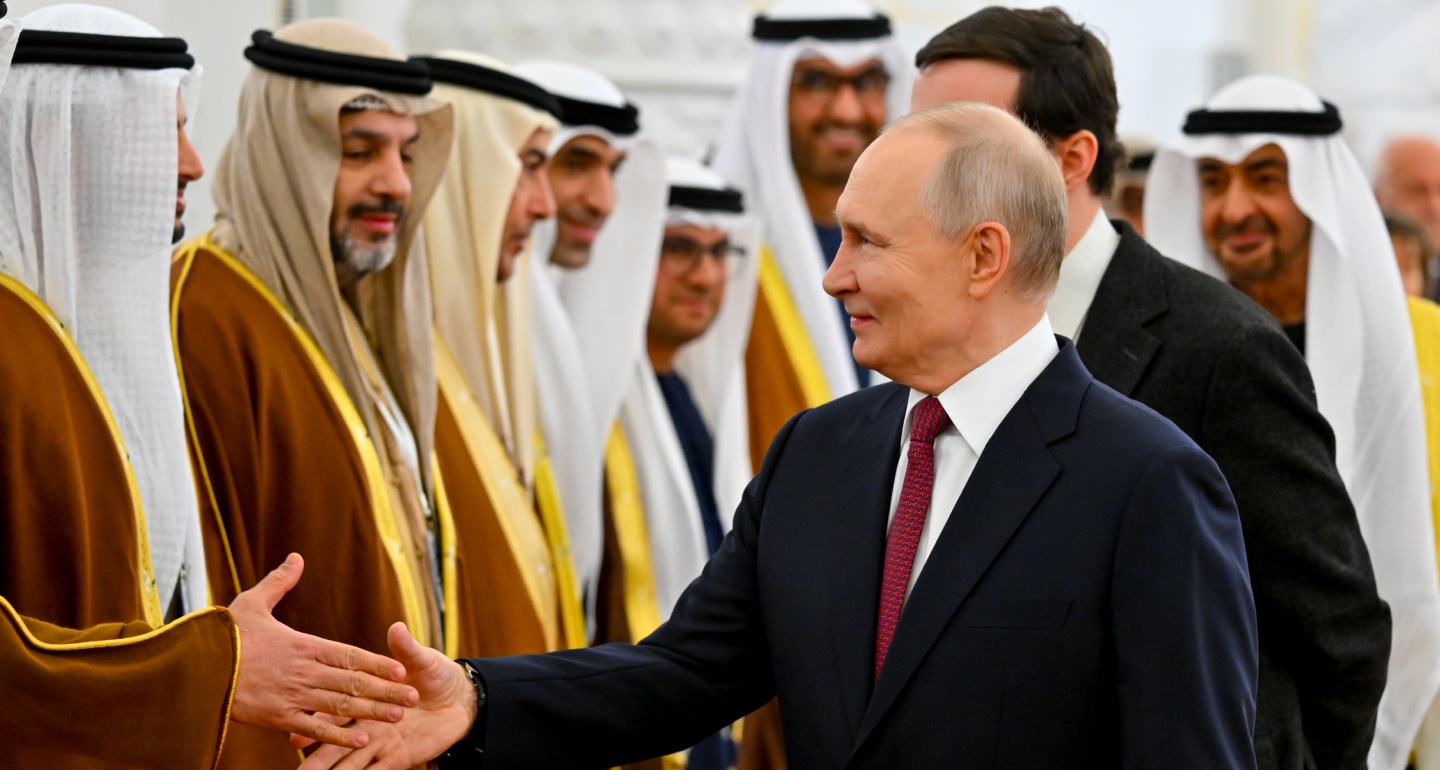
Disillusioned with the West over Gaza, Arab countries are not only trading more with Russia; they are also more willing to criticize Kyiv.
Ruslan Suleymanov

Baku may allow radical nationalists to publicly discuss “reunification” with Azeri Iranians, but the president and key officials prefer not to comment publicly on the protests in Iran.

Bashir Kitachaev
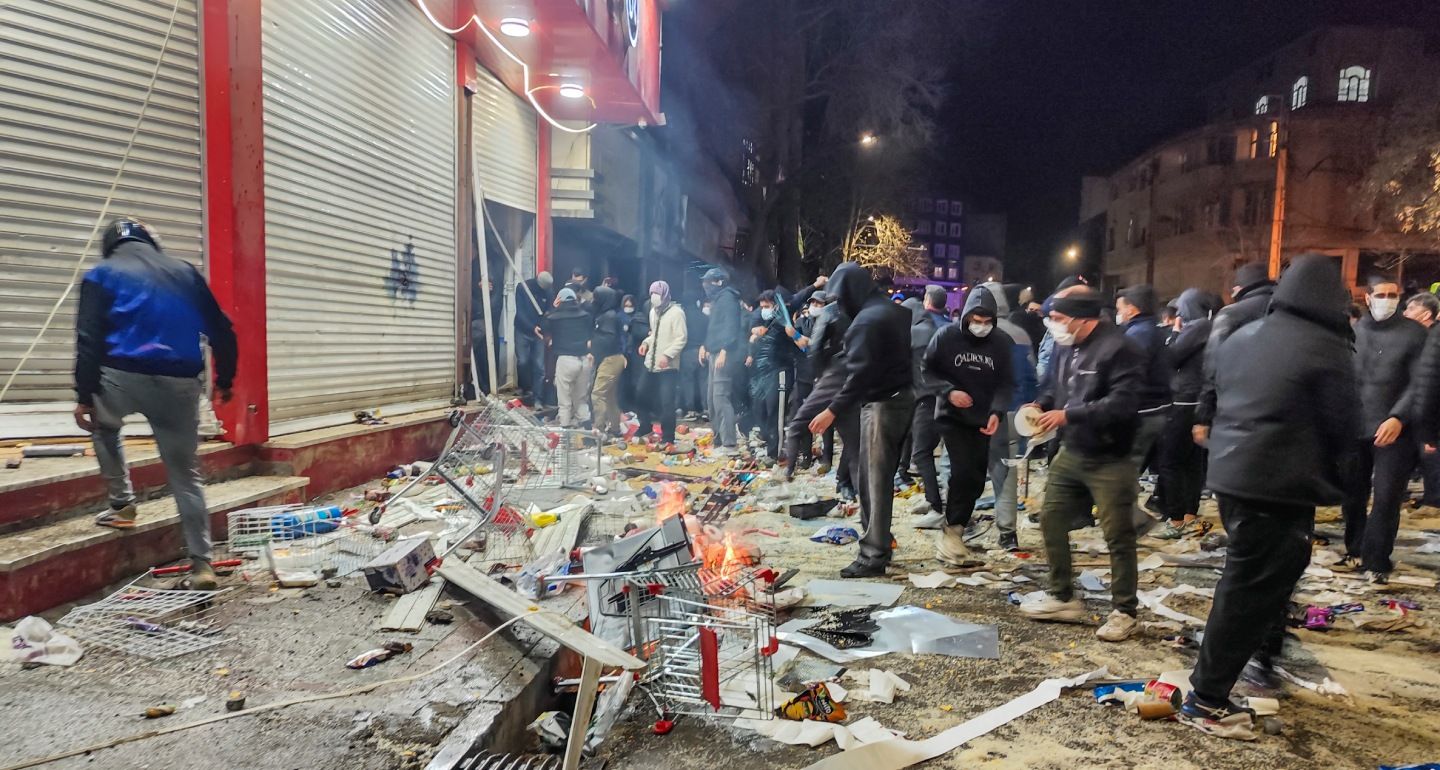
It’s one thing to export Russian helicopters to Iran to fight the insurgency, and it’s easy to imagine Moscow becoming a haven for fleeing Iranian leaders. But it’s very difficult to imagine Russian troops defending the Iranian regime on the ground.

Nikita Smagin
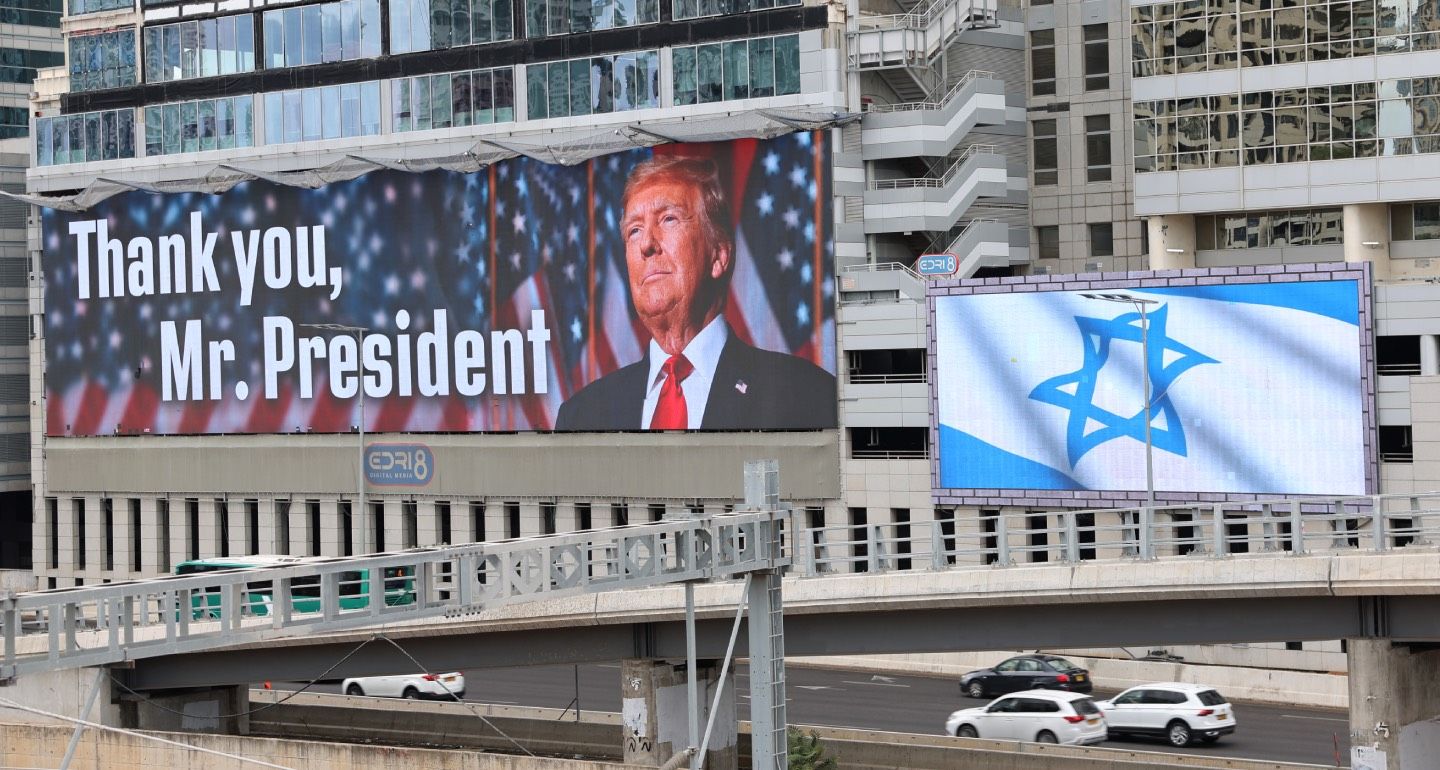
The U.S. president’s successful imposition of a ceasefire on notorious sworn enemies who have both agreed to make concessions only highlights Putin’s intransigence and his lack of competence and reason.
Alexander Baunov