

Commentary
When faced with fuel shortages in the past, Central Asian governments could always count on additional supplies from Moscow. That safety net no longer exists.
Galiya Ibragimova

Source: Getty
The impact that America’s next president will have on various areas of French national interests will likely be less significant than in the past.
France was energized by the 2008 U.S. presidential election in a way that had never been seen before, and may never be seen again. The unilateral foreign policy and anti-French rhetoric of the presidency of George W. Bush had seen Franco-American relations hit all-time lows. The reaction was a massive majority across France expressing its support and enthusiasm for Barack Obama, a candidate with whom it could far more easily identify.
Four years later, however, much has changed in French domestic politics, and in the country’s foreign policy. With a new president in office, and the country facing an economic crisis of unprecedented intensity, France’s attention has turned decidedly inward. Obama may still be France’s favorite candidate, but the novelty has worn off.
The Iraq episode in particular is important in understanding why both French elites and the French public supported Barack Obama in such overwhelming numbers in 2008. Then secretary of defense Donald Rumsfeld drew heavy criticism in 2003 for his pision of Europe into “old,” countries that were opposed to the invasion of Iraq, and “new,” countries that supported U.S. intervention. Rumsfeld’s statements hit a nerve with French decisionmakers in particular, and the relationship between France and the United States rapidly soured.
Another reason for France’s support of Obama—or rather its support of America’s Democratic Party—is found in the organization of the French political system. Observers of its politics will note that France has had a succession of strongly interventionist governments since at least 1945. France’s traditional right-wing parties are no less interventionist in terms of social protection than their opponents on the left. The French people are so used to Keynesian-style economic policy from their governments that it is almost unimaginable for a liberal government, in the European, classical sense of the term, to take power. In U.S. elections, therefore, the French tend to identify with the candidate who favors stronger social policies—this year, as often, the Democrats.
The French policy environment has changed significantly in recent years with a reorientation of focus for French public opinion, shifting from a wider interest in international affairs to an increasing preoccupation with domestic politics. In 2008, recently elected president Nicolas Sarkozy was keen to improve the desperate state of Franco-American relations. Sarkozy wanted France to return to NATO’s integrated command, and was ready to increase France’s participation in Afghanistan. Transatlantic relations were placed at the forefront of French foreign policy, a fact that was clearly stated in France’s 2008 defense white paper.
Since his election as president in May this year, François Hollande has been focused on the economy, which he has seen as vital for establishing his authority and legitimacy. The financial crisis had a significant impact in France as in so many other economies in Europe and this is unsurprising. France is currently shaken by the specter of a steadily climbing unemployment rate, which recently topped 3 million for the first time since June 1999. The new government is therefore far more preoccupied with trying to address the worst effects of the crisis and avoid any possible social unrest.
Moreover, the withdrawal of French forces from Afghanistan is now well underway. French casualties in Afghanistan have dramatically declined since June 2012, and by the end of this year the French contingent’s presence in in the country will be very limited. As the period of close U.S.-French military cooperation in Afghanistan comes to an end, this is one additional reason why many in France have less interest in scrutinizing the evolution of U.S. policy. The increased political focus on engagement with emerging countries such as Brazil, China, and India has added to this lack of interest.
The impact that America’s next president will have on various areas of French national interests—including Afghanistan, the global financial crisis, and relations with emerging powers—will likely be less significant than in the past. Relative apathy in France with respect to the U.S. elections is therefore not an illustration of ignorance of American political life. If anything, the current situation may be just a return to business as usual, as the French together with their European partners learn to deal with their own problems, and not wait for the Americans.
Ronald Hatto is a senior lecturer at Sciences-Po in Paris, currently attached to the Centre d'Etudes et de Recherches Internationales (CERI).
Ronald Hatto
Carnegie does not take institutional positions on public policy issues; the views represented herein are those of the author(s) and do not necessarily reflect the views of Carnegie, its staff, or its trustees.

When faced with fuel shortages in the past, Central Asian governments could always count on additional supplies from Moscow. That safety net no longer exists.

Galiya Ibragimova
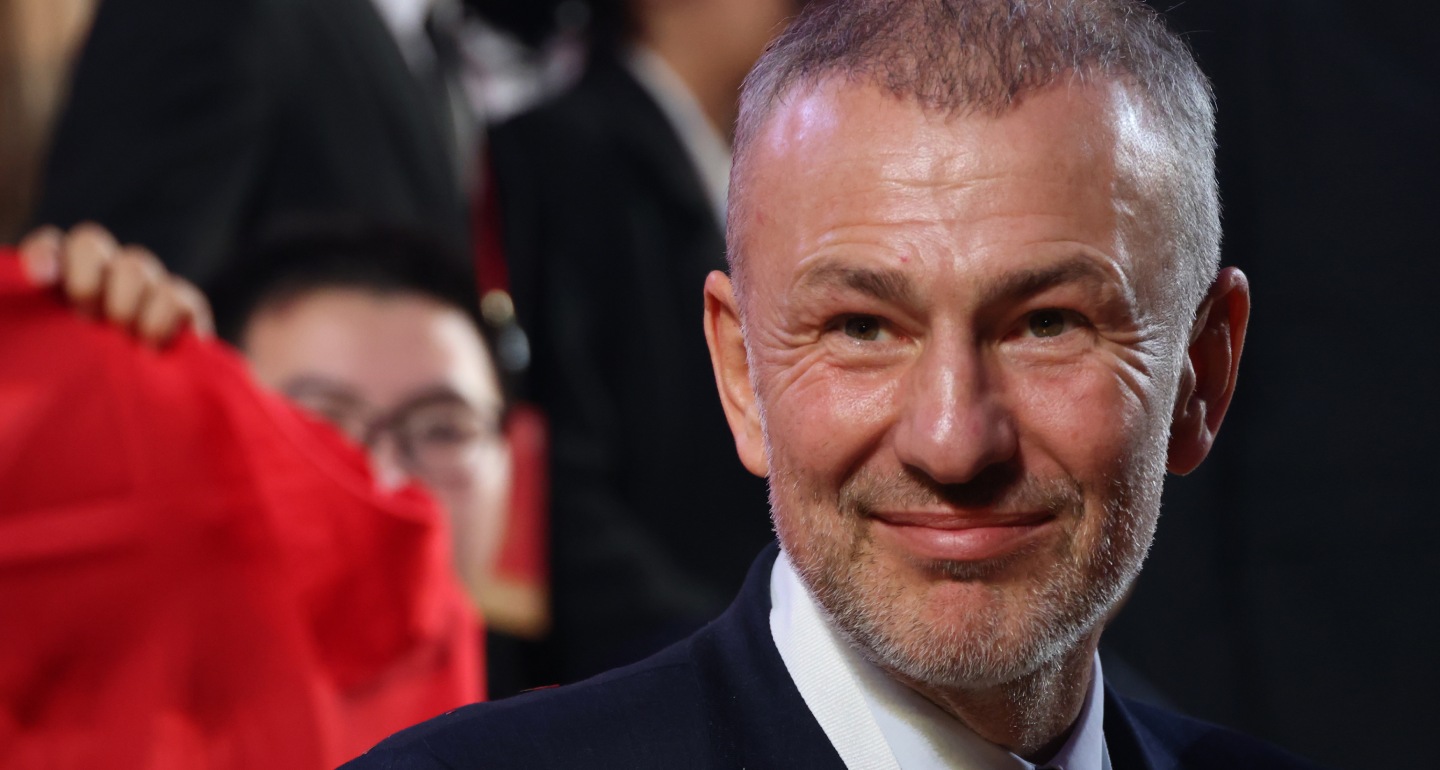
Andrey Melnichenko’s essay offers no answer to the fundamental question of how, under any kind of negotiated settlement, Europe can protect itself from the Russian ressentiment that is inevitable in all scenarios except for an outright victory for Putin.

Leonid Bershidsky
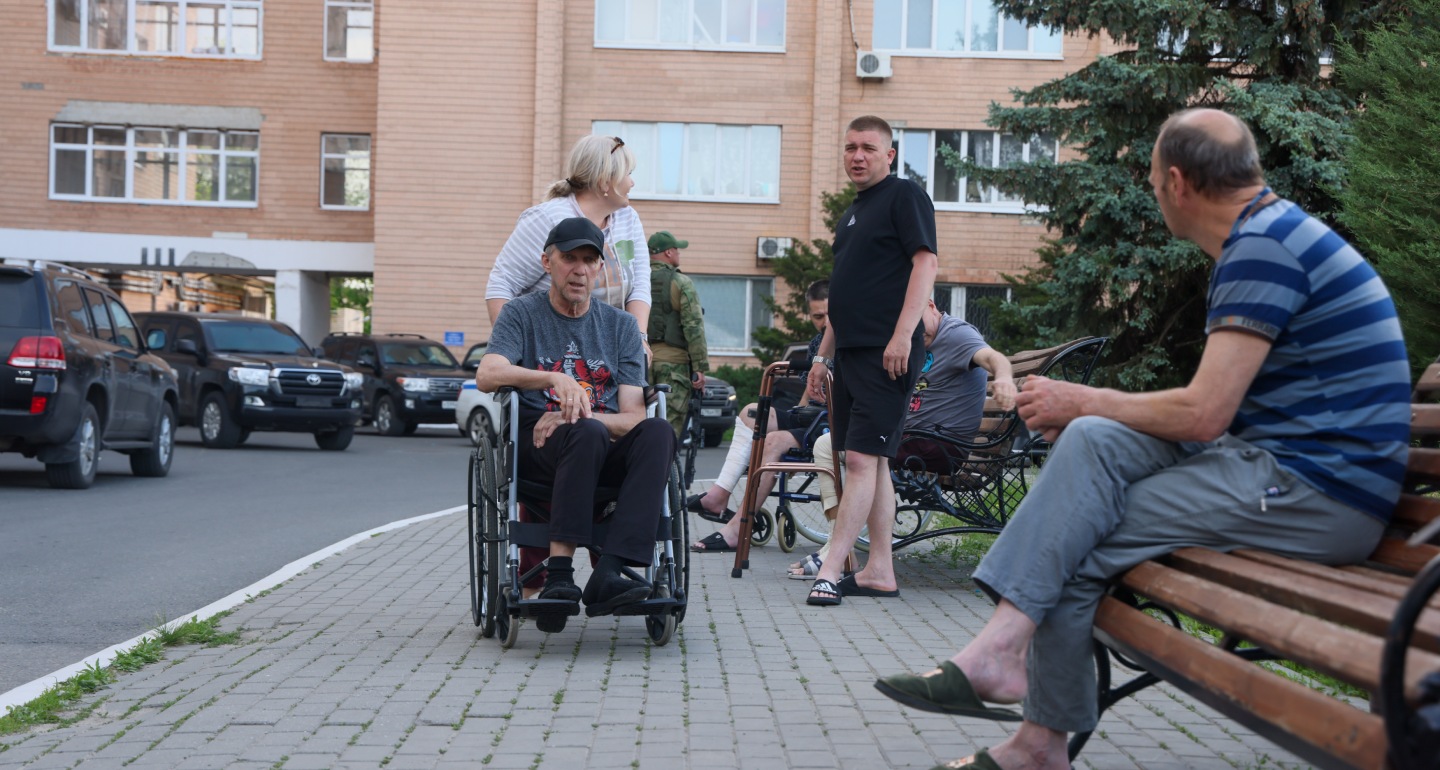
Despite unhappiness on the ground, Moscow is determined to use both carrot and stick to ensure there is record support for United Russia in occupied Ukraine.

Konstantin Skorkin
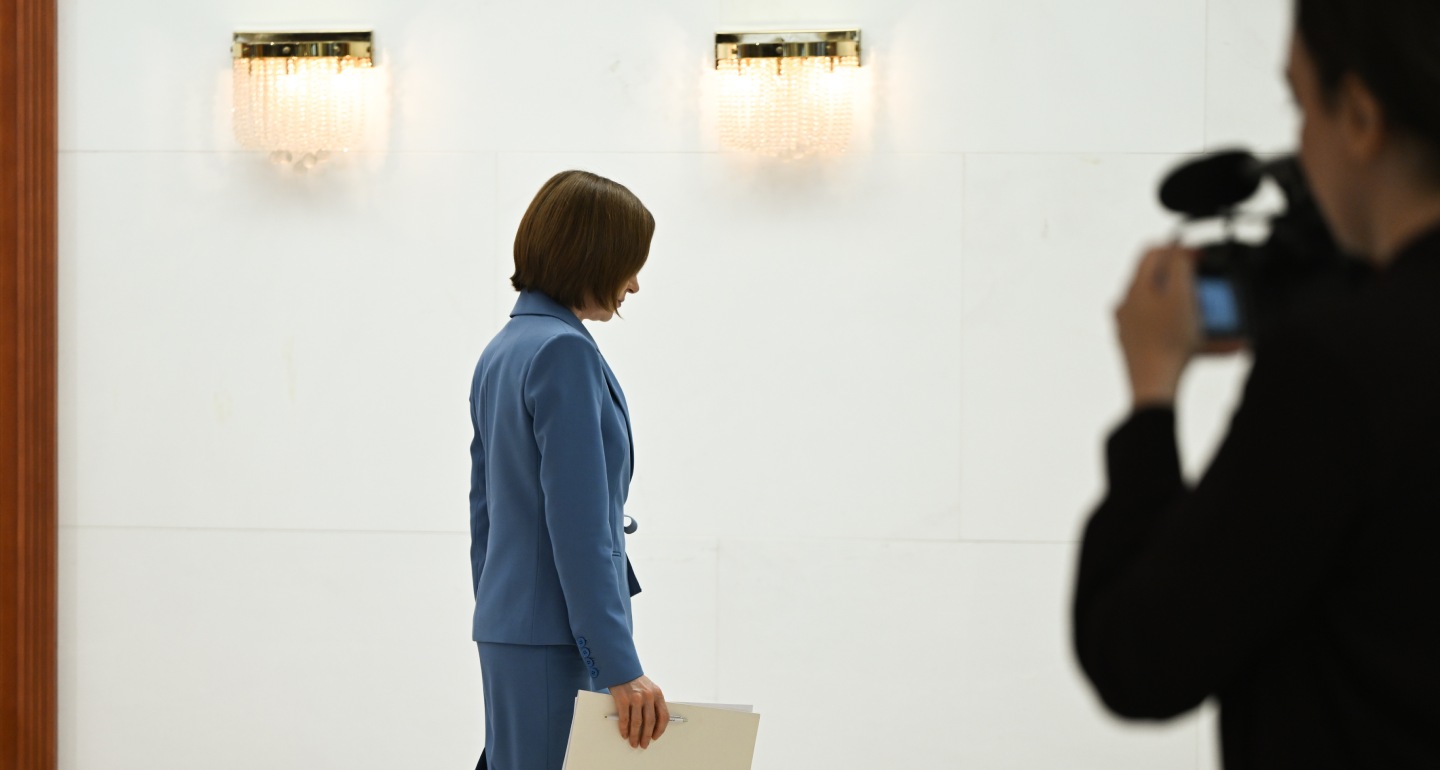
Whether PAS can refocus on the unfinished business of state-building may ultimately prove more consequential for Moldova’s European future than the pace of its accession negotiations.

Balázs Jarábik
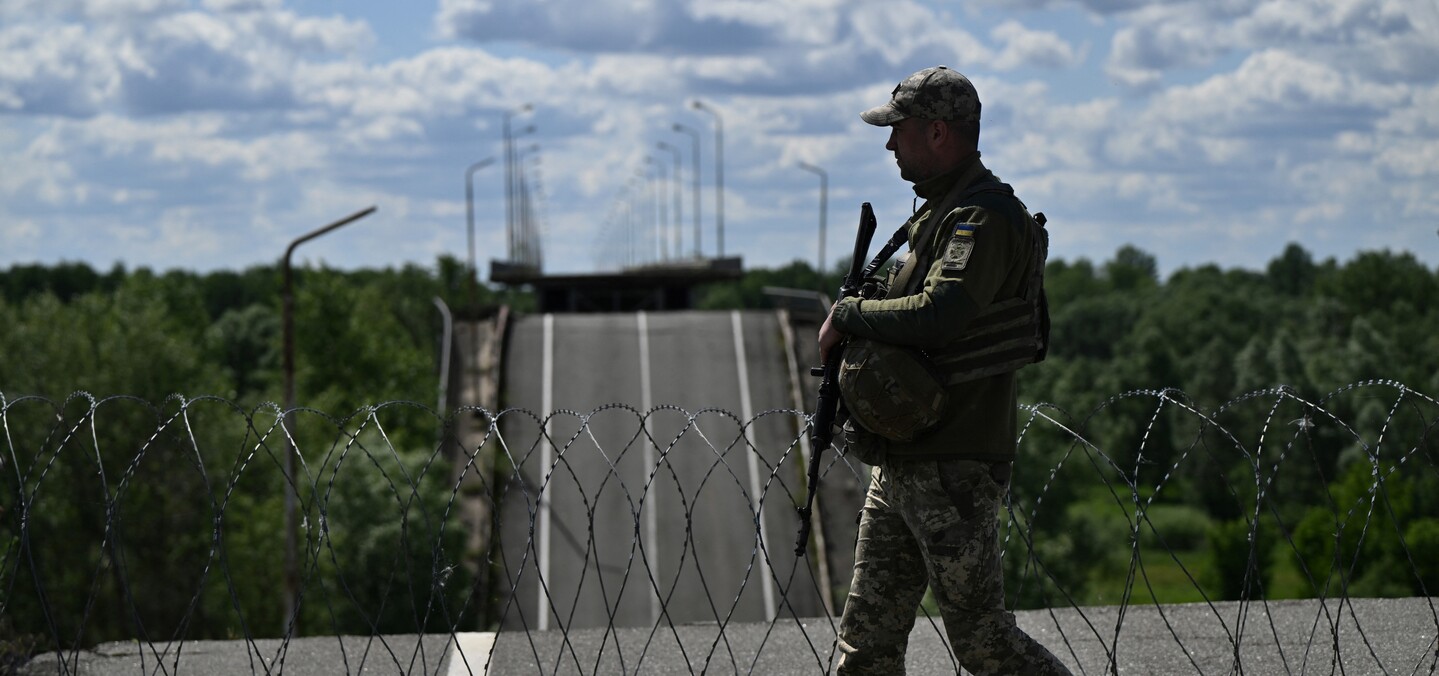
The recent damage inflicted by Ukrainian drones and missiles on Russia has made Belarus aware of its own vulnerabilities—and surprisingly amenable to Kyiv’s demands.

Artyom Shraibman