

Commentary
The recent damage inflicted by Ukrainian drones and missiles on Russia has made Belarus aware of its own vulnerabilities—and surprisingly amenable to Kyiv’s demands.
Artyom Shraibman
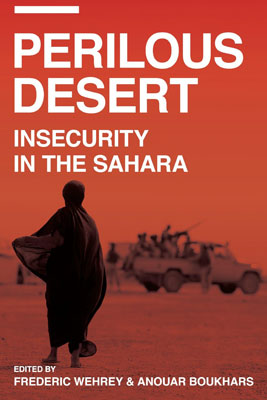
The Sahara suffers from a perfect storm of weaknesses. Foreign assistance that relies exclusively on counterterrorism will only exacerbate the problems.
Source: Carnegie Endowment for International Peace
The geopolitical significance of the Sahara is becoming painfully clear. Islamist militant groups and transnational criminal networks are operating in the region's most fragile states, exploiting widespread corruption, weak government capacity, crushing poverty, and entrenched social and ethnic tensions. The unrest spills over borders and aggravates protracted regional crises.
This insecurity raises urgent concerns for the broader Sahara and the West. Perilous Desert details the sources of instability and what can be done to minimize the threat of simmering conflicts.
Leading experts, through comprehensive accounts of the changing landscape, demonstrate how foreign assistance that relies exclusively on counterterrorism will only exacerbate the problems. Solutions require understanding and combatting the roots of the Sahara's many challenges.

Senior Fellow, Middle East Program
Frederic Wehrey is a senior fellow in the Middle East Program at the Carnegie Endowment for International Peace, where his research focuses on governance, conflict, and security in Libya, North Africa, and the Persian Gulf.
Former Nonresident Fellow, Middle East Program
Boukhars was a nonresident fellow in Carnegie’s Middle East Program. He is a professor of countering violent extremism and counter-terrorism at the Africa Center for Strategic Studies, National Defense University.
Carnegie does not take institutional positions on public policy issues; the views represented herein are those of the author(s) and do not necessarily reflect the views of Carnegie, its staff, or its trustees.
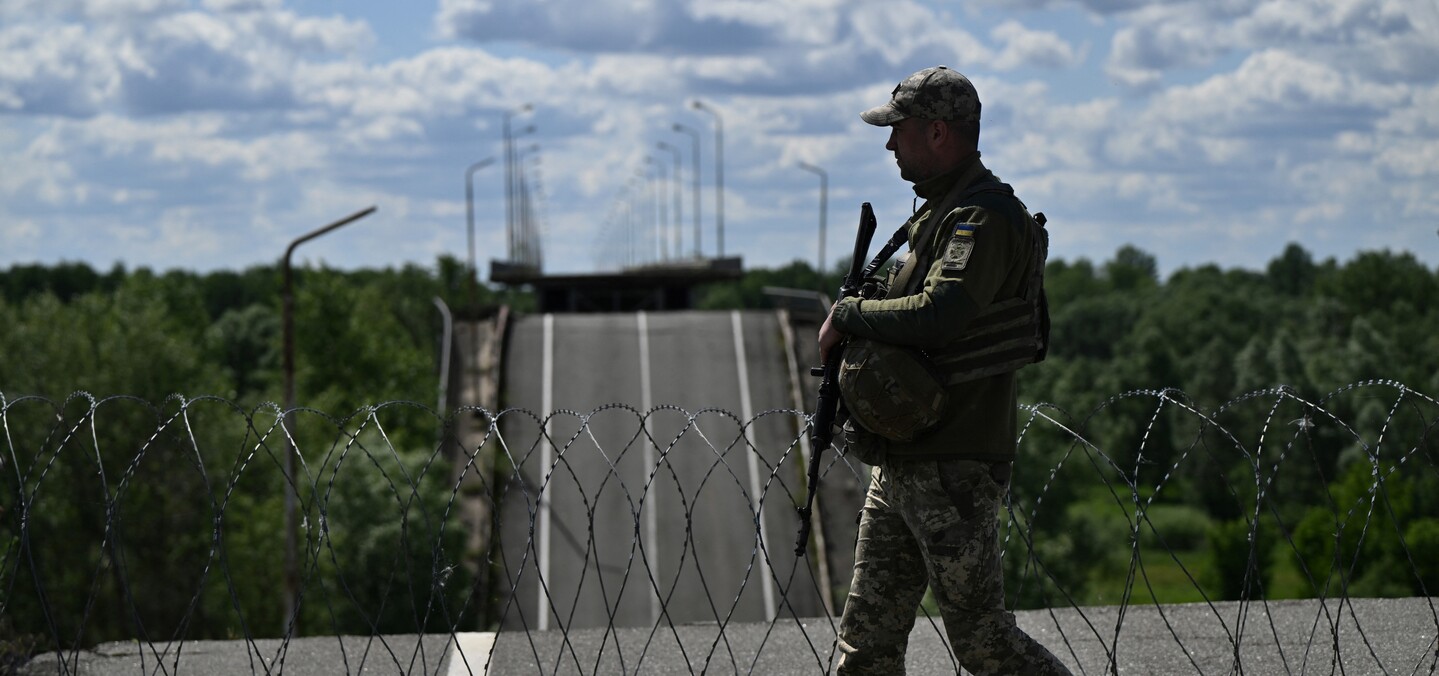
The recent damage inflicted by Ukrainian drones and missiles on Russia has made Belarus aware of its own vulnerabilities—and surprisingly amenable to Kyiv’s demands.

Artyom Shraibman
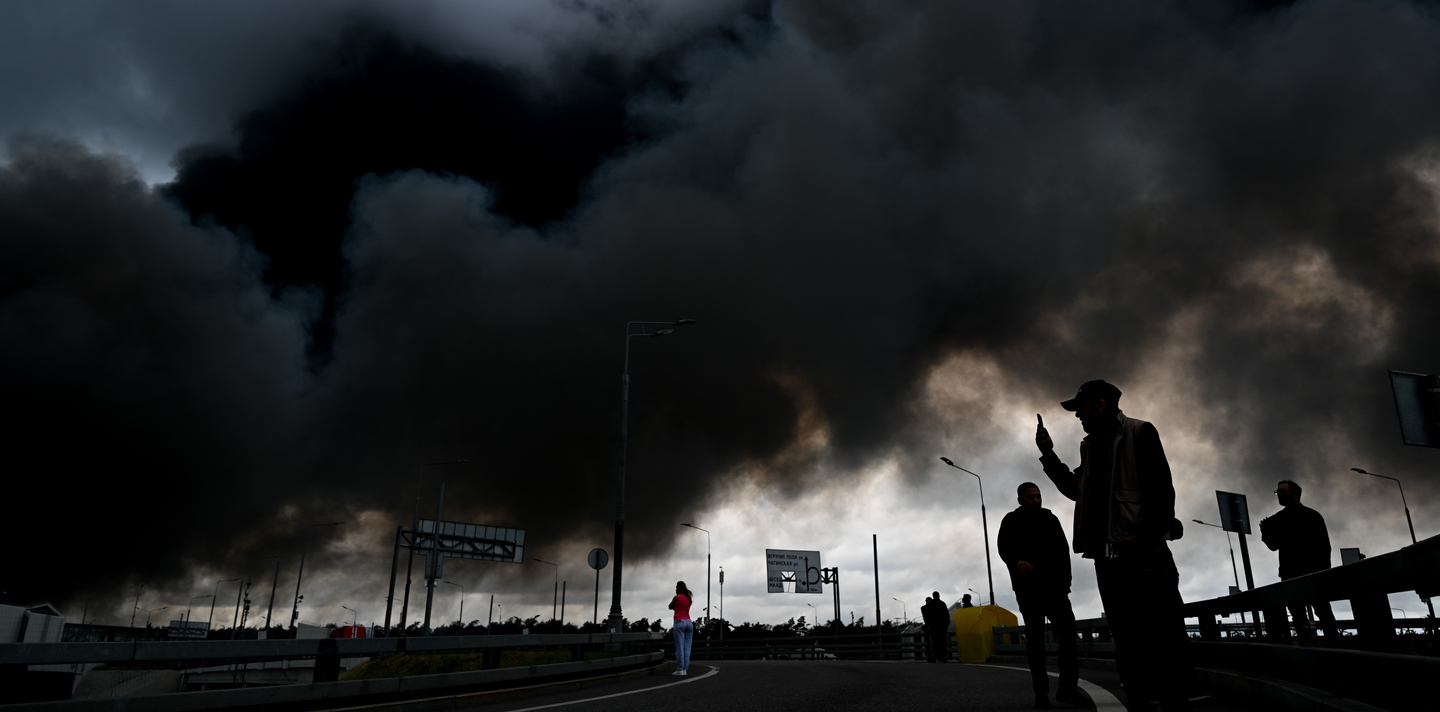
It is not a phenomenon unique to Russia that the public of a country at war (even the aggressor) enduring airstrikes will not overturn its government but rather show solidarity with it and blame its woes on the enemy.
Vladislav Gorin
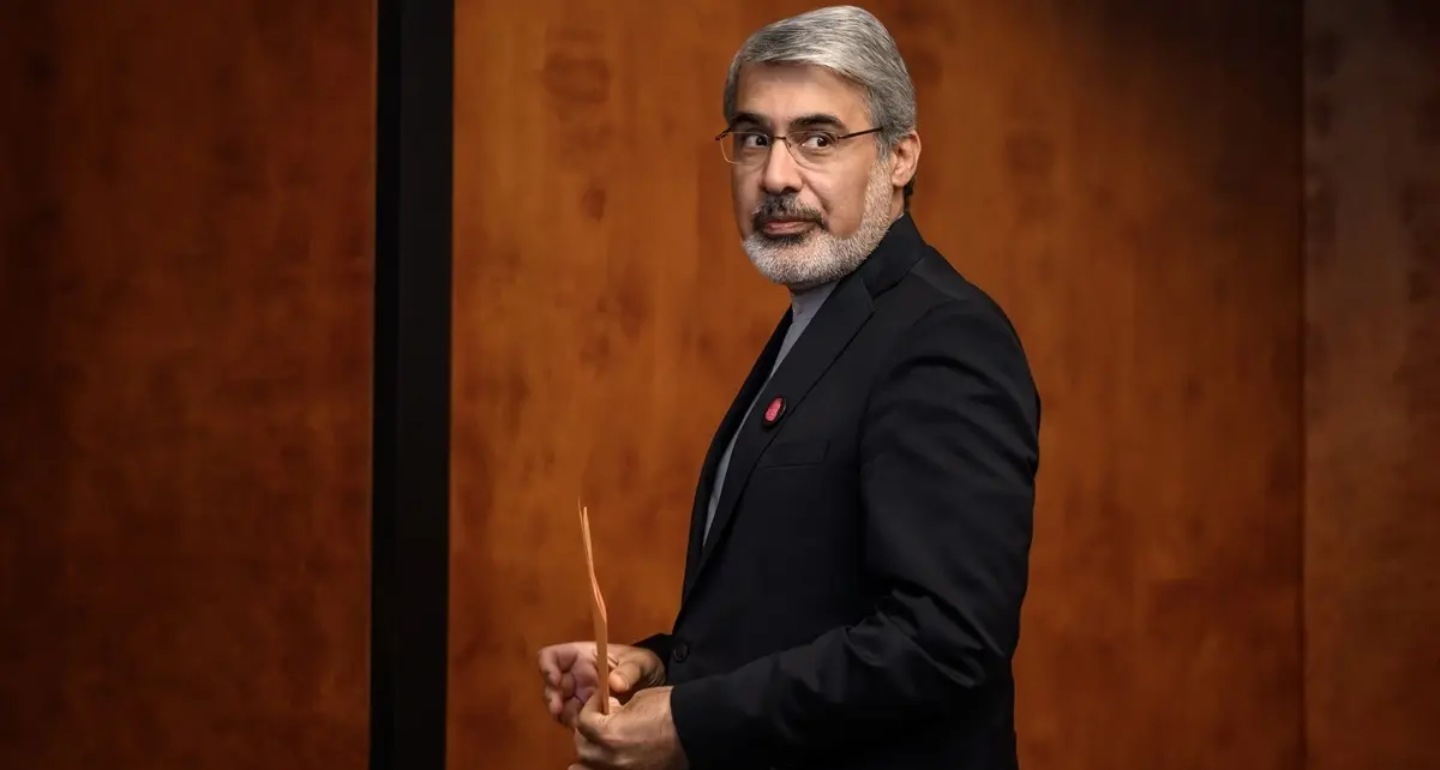
Ongoing uncertainty in the Middle East allows Moscow to both increase its influence in Tehran and continue to enjoy the financial windfall of higher oil prices.

Nikita Smagin
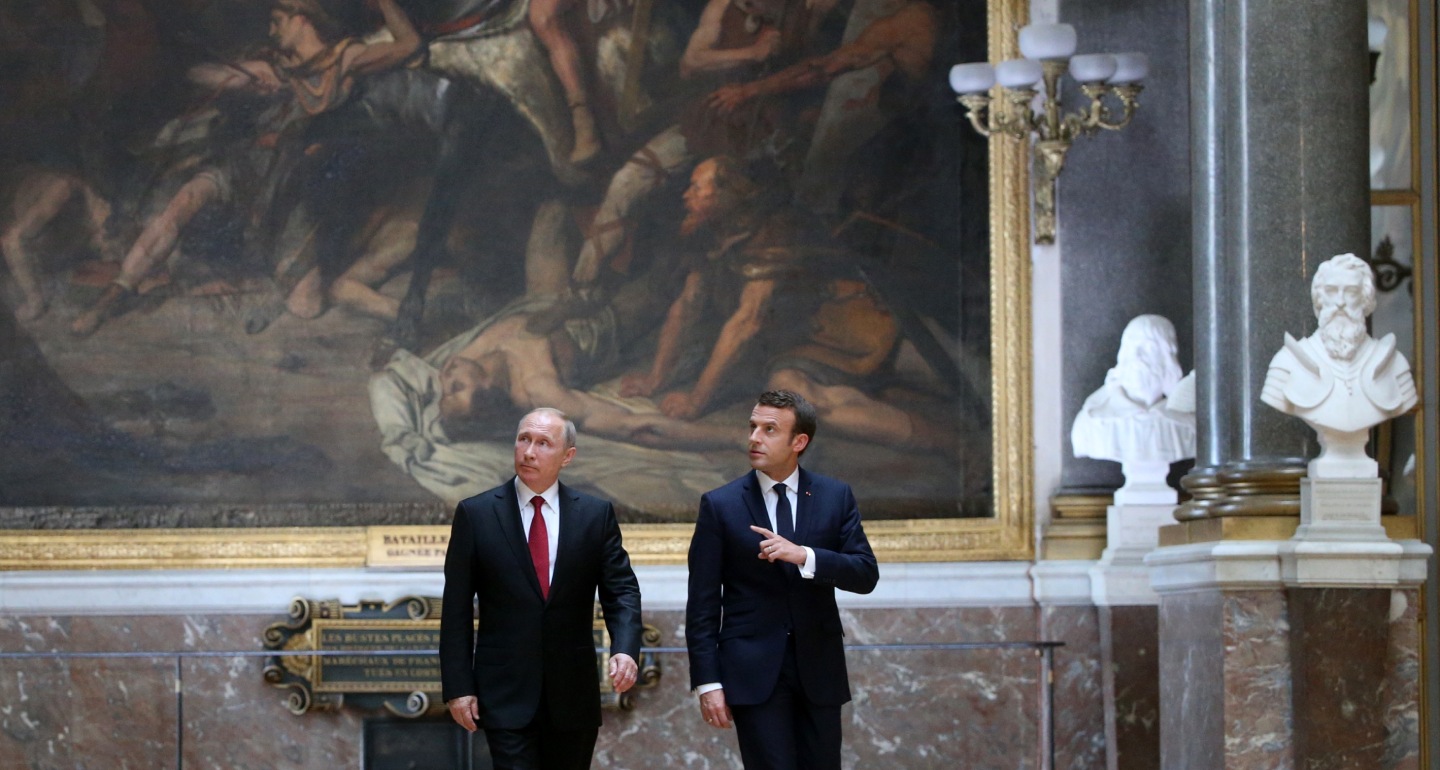
Reestablishing a dialogue with Moscow is not a goal in its own right. The goal is to guarantee the independence of Ukraine and the peace and security of Europe.
Arkady Moshes
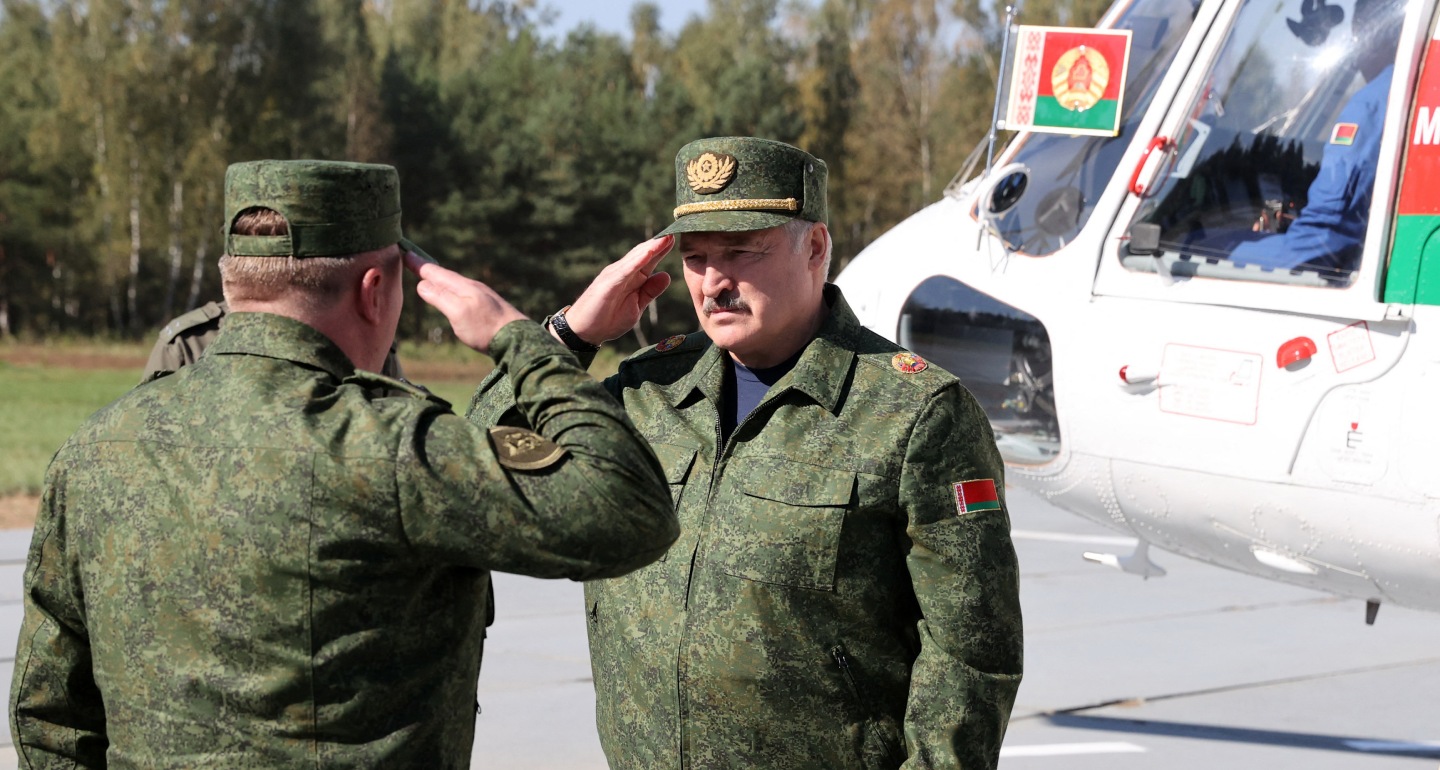
Ukraine’s increasingly confrontational posture on Belarus reflects Kyiv’s effort to shape the emerging regional order in Eastern Europe. Kyiv wants to limit European normalization with Minsk—and any future rapprochement with Russia.

Balázs Jarábik