

Commentary
Two divergent trends—Putin’s hardline vision of how to prosecute the war in Ukraine, and a growing desire for change in Russia—could tear the regime apart.
Tatiana Stanovaya
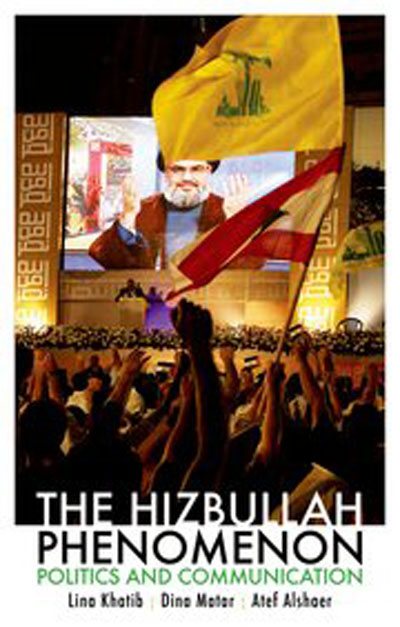
Hizbullah uses its image, language, and its charismatic leader, Hassan Nasrallah, to legitimize its political aims and ideology and appeal to different target groups.
Source: Oxford University Press
Hizbullah is not only a leading political actor in Lebanon and a dynamic force in the Middle East, but it is also distinguished by a sophisticated communication strategy. From relatively humble beginnings in the 1980s, Hizbullah’s political clout and its public perception have followed an upward trajectory, thanks to a political program that blends military, social, economic, and religious elements and adapts to changes in its environment. Its communication strategy is similarly adaptive, supporting the group’s political objectives. Hizbullah’s target audience has expanded to a regional and global viewership.Its projected identity, too, shifted from an Islamist resistance party opposed to Israel’s presence in Lebanon to a key player within the Lebanese state. At the same time, Hizbullah’s image has retained fixed features, including its image as an ally of Iran; its role as a resistance group (to Israel); and its original base as a religious party representative of the Lebanese Shiites. The authors of this book address how Hizbullah uses image, language, and its charismatic leader, Hassan Nasrallah, to legitimize its political aims and ideology and appeal to different target groups.
Former Director, Middle East Center
Khatib was director of the Carnegie Middle East Center in Beirut. Previously, she was the co-founding head of the Program on Arab Reform and Democracy at Stanford University’s Center on Democracy, Development, and the Rule of Law.
Dina Matar
Atef Alshaer
Carnegie does not take institutional positions on public policy issues; the views represented herein are those of the author(s) and do not necessarily reflect the views of Carnegie, its staff, or its trustees.

Two divergent trends—Putin’s hardline vision of how to prosecute the war in Ukraine, and a growing desire for change in Russia—could tear the regime apart.

Tatiana Stanovaya
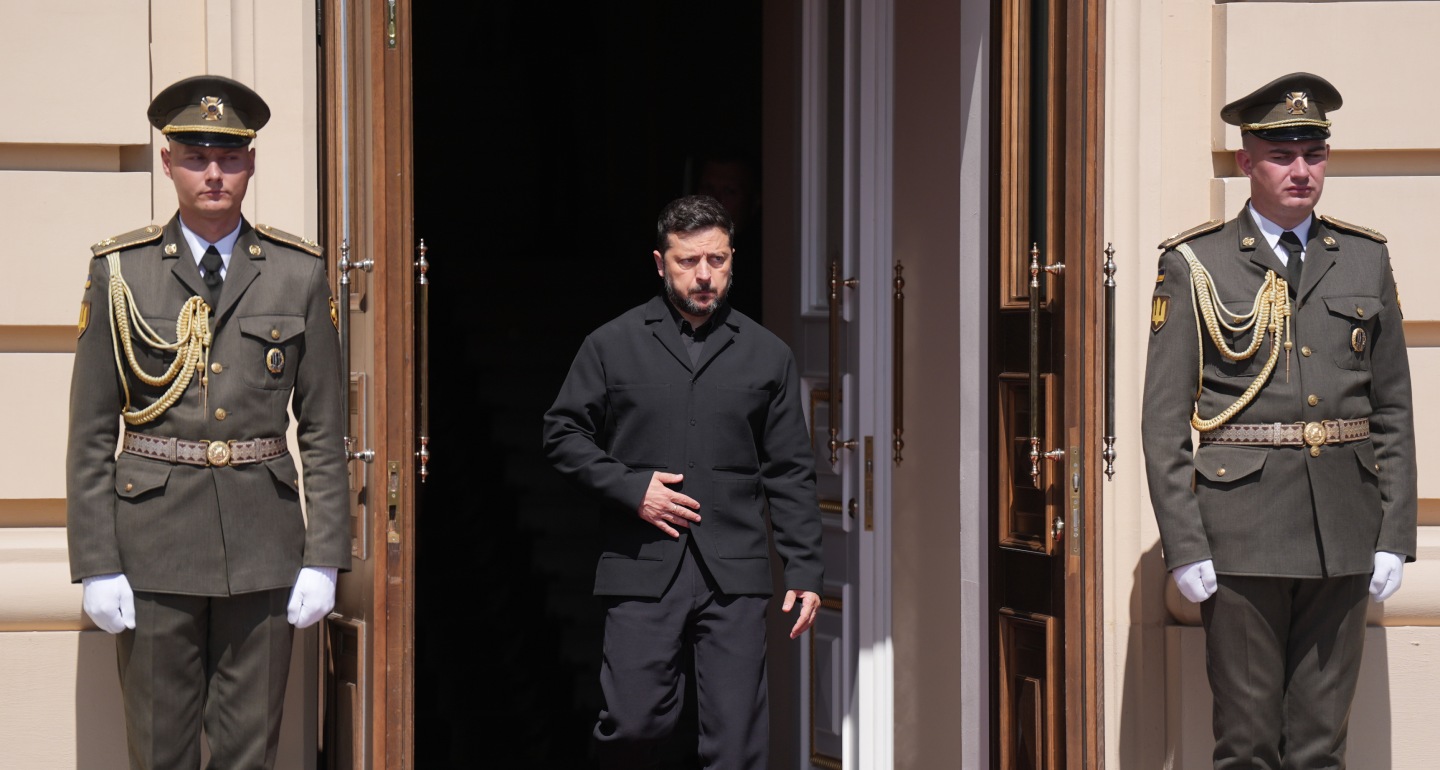
Ultimately, Zelensky sided neither with the reform camp nor with the military establishment as such, but with political control.

Balázs Jarábik
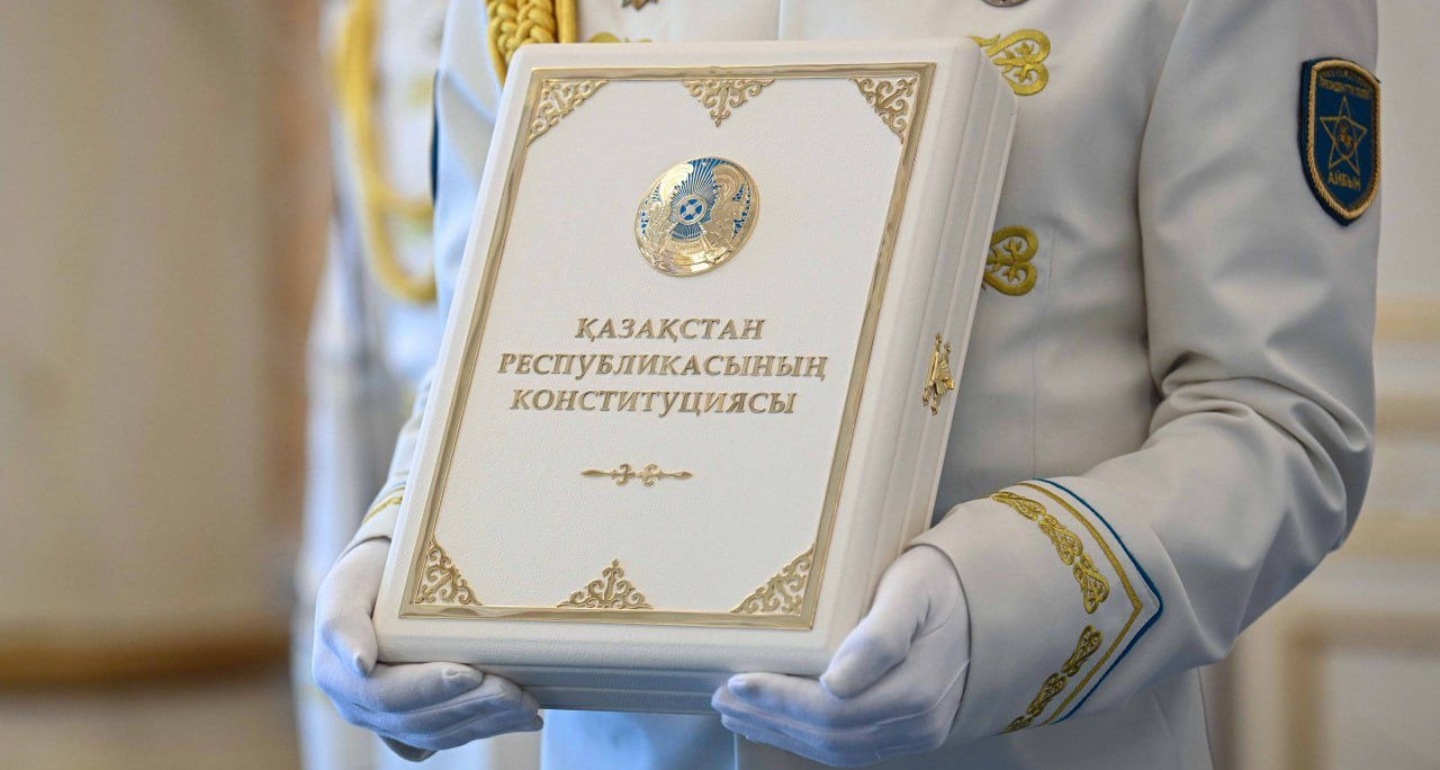
Tokayev’s predecessor, Nursultan Nazarbayev, outlined arrangements for a power transition too soon and in too much detail, ultimately losing control over the process. Tokayev is determined not to meet the same fate.

Temur Umarov

Andrey Melnichenko’s essay offers no answer to the fundamental question of how, under any kind of negotiated settlement, Europe can protect itself from the Russian ressentiment that is inevitable in all scenarios except for an outright victory for Putin.

Leonid Bershidsky

Despite unhappiness on the ground, Moscow is determined to use both carrot and stick to ensure there is record support for United Russia in occupied Ukraine.

Konstantin Skorkin