

Commentary
It is not a phenomenon unique to Russia that the public of a country at war (even the aggressor) enduring airstrikes will not overturn its government but rather show solidarity with it and blame its woes on the enemy.
Vladislav Gorin
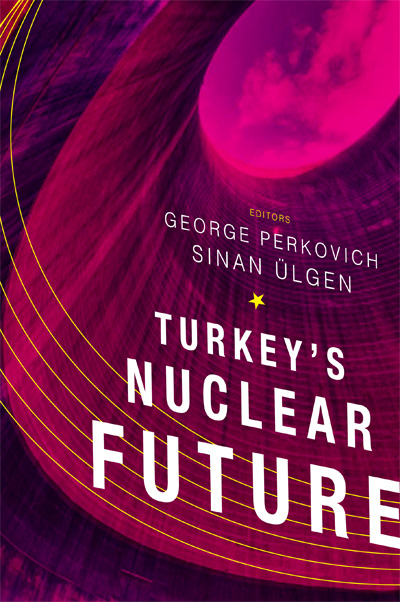
Turkey is a rising economic and political force with the ability to affect dynamics in the greater Middle East, the Caucasus, and Central Asia. To meet its rising energy needs, the country—already an important actor in the international nuclear order—plans to establish nuclear power plants on its territory.
Turkey, with a robust modern economy and growing energy needs, is pursuing a switch to nuclear power. But that shift is occurring in an environment fraught with security challenges: Turkey borders Iraq, Syria, and Iran—all states with nuclear or WMD ambitions or capabilities. As a NATO member, Turkey also hosts U.S. nuclear bombs on its territory, although some question the durability of this relationship.
This dynamic has naturally led to speculation that Turkish leaders might someday consider moving beyond a civilian course to develop nuclear weapons. Yet there has been remarkably little informed analysis and debate on Turkey’s nuclear future, either within the country or in broader international society.
This volume explores the current status and trajectory of Turkey’s nuclear program, adding historical perspective, analytical rigor, and strategic insight.

Japan Chair for a World Without Nuclear Weapons, Senior Fellow
George Perkovich is the Japan Chair for a World Without Nuclear Weapons and a senior fellow in the Carnegie Endowment for International Peace’s Nuclear Policy Program. He works primarily on nuclear deterrence, nonproliferation, and disarmament issues, and is leading a study on nuclear signaling in the 21st century.

Senior Fellow, Carnegie Europe
Sinan Ülgen is a senior fellow at Carnegie Europe in Brussels, where his research focuses on Turkish foreign policy, transatlantic relations, international trade, economic security, and digital policy.
Carnegie does not take institutional positions on public policy issues; the views represented herein are those of the author(s) and do not necessarily reflect the views of Carnegie, its staff, or its trustees.
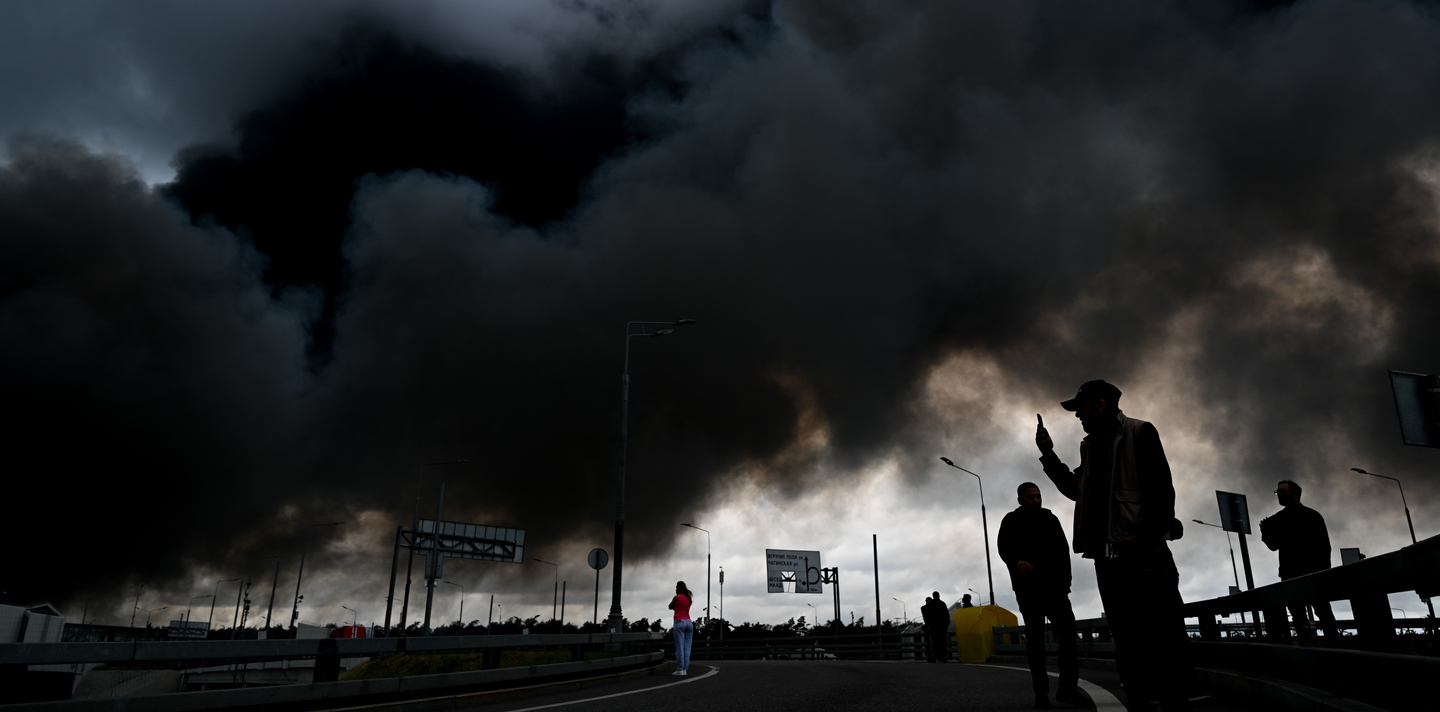
It is not a phenomenon unique to Russia that the public of a country at war (even the aggressor) enduring airstrikes will not overturn its government but rather show solidarity with it and blame its woes on the enemy.
Vladislav Gorin
Ongoing uncertainty in the Middle East allows Moscow to both increase its influence in Tehran and continue to enjoy the financial windfall of higher oil prices.

Nikita Smagin
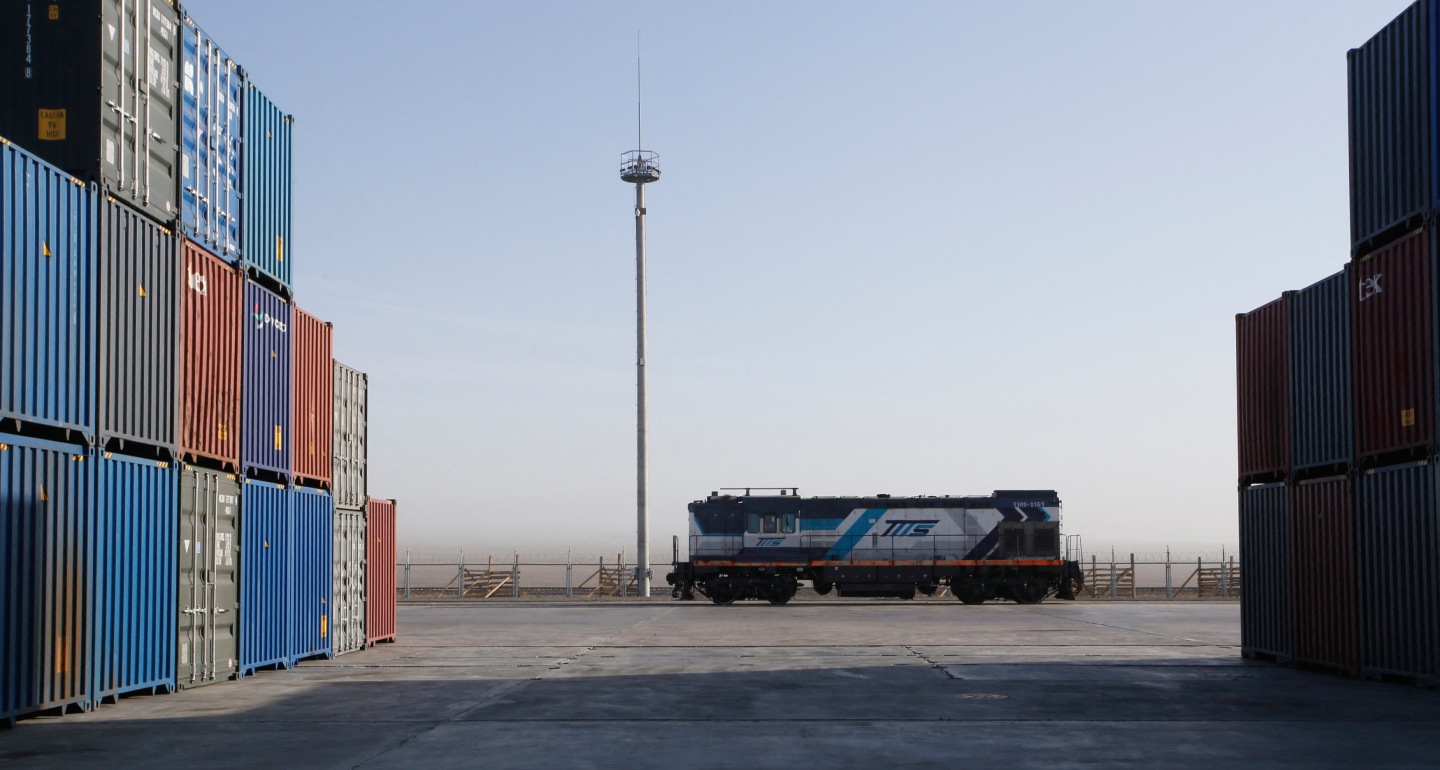
This year’s wars have made alternative routes to transit through Russia no less risky for Central Asian countries.

Galiya Ibragimova
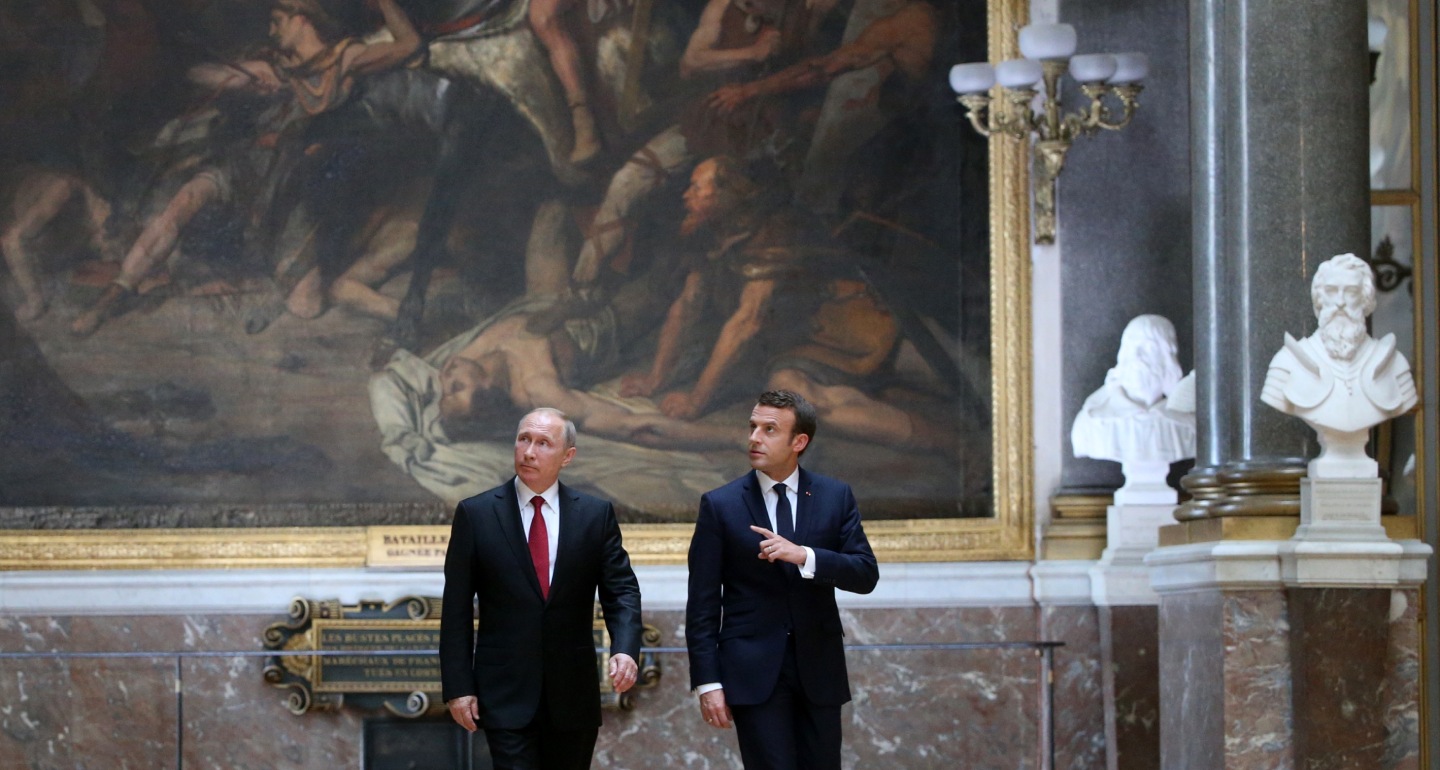
Reestablishing a dialogue with Moscow is not a goal in its own right. The goal is to guarantee the independence of Ukraine and the peace and security of Europe.
Arkady Moshes
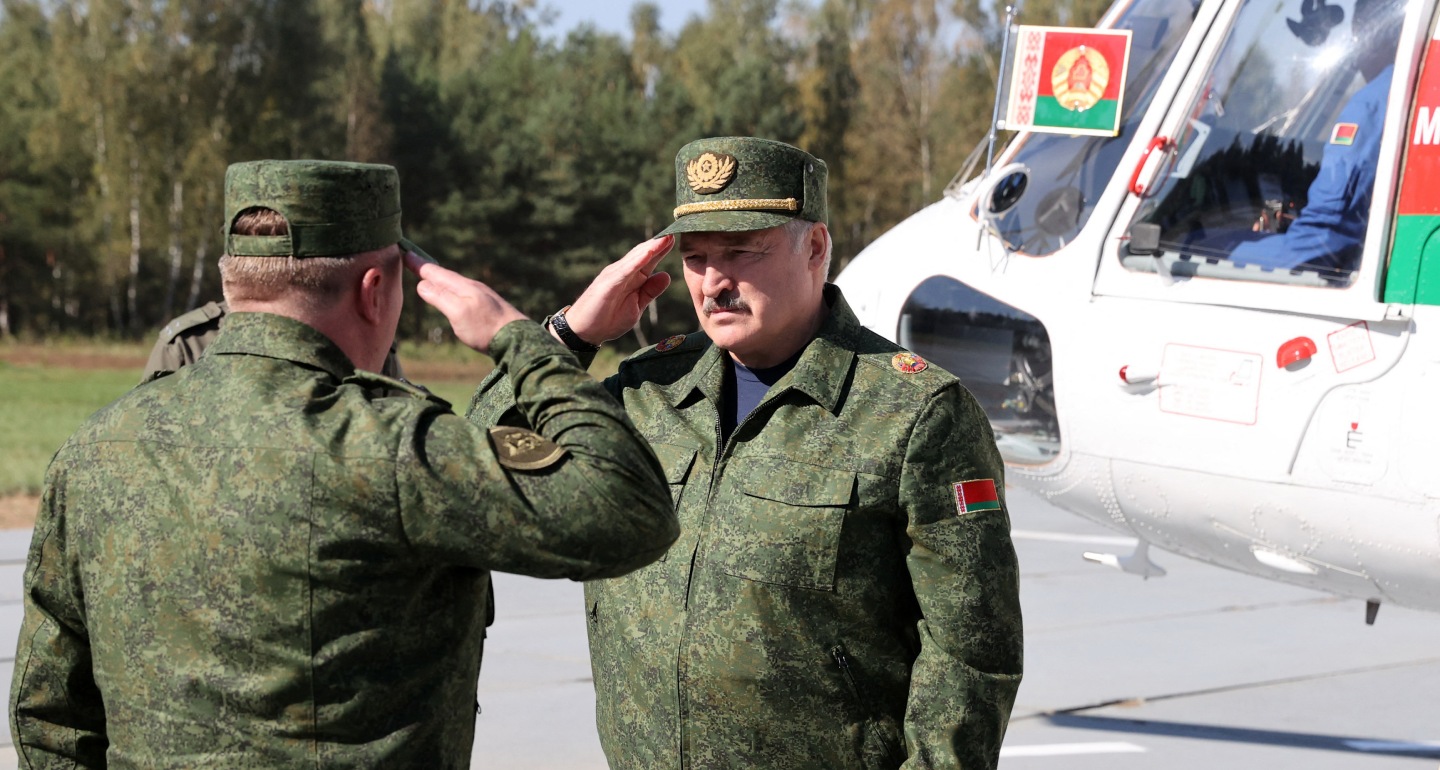
Ukraine’s increasingly confrontational posture on Belarus reflects Kyiv’s effort to shape the emerging regional order in Eastern Europe. Kyiv wants to limit European normalization with Minsk—and any future rapprochement with Russia.

Balázs Jarábik