• Research
  • Politika
  • About
Carnegie Russia Eurasia center logoCarnegie lettermark logo
  • Donate
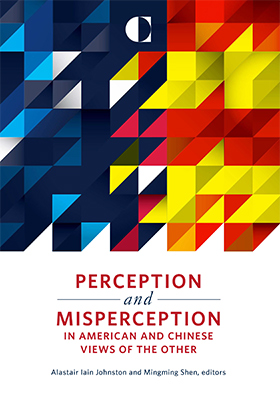
Perception and Misperception in American and Chinese Views of the Other
Report

Perception and Misperception in American and Chinese Views of the Other

The underlying beliefs that people in the United States and China hold toward each other in the security realm are likely to influence, directly or indirectly, each side’s foreign policy with regard to the bilateral relationship.

Link Copied
Published on Sep 22, 2015

Additional Links

BriefFull Text

The underlying beliefs that people in the United States and China hold toward each other in the security realm are likely to influence, directly or indirectly, each side’s foreign policy with regard to the bilateral relationship. In-depth analyses of elite and public opinion survey data from the United States and China on a wide range of security issues provide nuanced and far-reaching insights into the potential effects of these attitudes on the U.S.-China relationship.

Key Findings

  • There are substantial gaps in American and Chinese perceptions of the basic traits and characteristics that each side exhibits. However, at the individual level, strong in-group exceptionalism does not necessarily predict out-group denigration.
     
  • A considerable part of the Chinese population appears to believe that China should not take on a world leadership role, or if it does, it should jointly lead the world with the United States. These attitudes are associated both with older respondents and with those in their thirties and early forties.
     
  • In general, mistrust of the external world on the Chinese side stems from educational socialization and media messaging.
     
  • Tea Party supporters in the United States demonstrate very low levels of trust toward China and, as a result, advocate much tougher economic and military policies. However, the Tea Party is less interested in interfering in the internal affairs of China than other elements of the population.

Analyzing the Results

  • Credible reassurance signals from the United States may be well received if aimed at individuals in the Chinese government, even if said individuals espouse a strong belief in Chinese exceptionalism.
     
  • The younger cohort of Chinese citizens has yet to influence Chinese politics and policy, and there may be some basis for expecting that this group could be more accepting of a continued, dominant U.S. role in international politics.
     
  • Efforts to affect Chinese beliefs about the United States may be limited by the powerful socializing effects of the Chinese government–controlled education and propaganda systems.
     
  • If the U.S. Congress and the next president are beholden to the Tea Party for electoral success, then there might be more conflict in the security and economic realms but somewhat less support for the United States’ cost-imposing policies on China’s internal affairs.
Read Full Text
North AmericaUnited StatesEast AsiaChinaForeign Policy

Carnegie does not take institutional positions on public policy issues; the views represented herein are those of the author(s) and do not necessarily reflect the views of Carnegie, its staff, or its trustees.

More Work from Carnegie Russia Eurasia Center

  • Commentary
    Carnegie Politika
    Why Has Kazakhstan Started Deporting Political Activists?

    The current U.S. indifference to human rights means Astana no longer has any incentive to refuse extradition requests from its authoritarian neighbors—including Russia.

      Temur Umarov

  • Commentary
    Carnegie Politika
    Why Are China and Russia Not Rushing to Help Iran?

    Most of Moscow’s military resources are tied up in Ukraine, while Beijing’s foreign policy prioritizes economic ties and avoids direct conflict.   

      • Alexander Gabuev

      Alexander Gabuev, Temur Umarov

  • Commentary
    Carnegie Politika
    Georgia’s Fall From U.S. Favor Heralds South Caucasus Realignment

    With the White House only interested in economic dealmaking, Georgia finds itself eclipsed by what Armenia and Azerbaijan can offer.

      Bashir Kitachaev

  • Commentary
    Carnegie Politika
    What Does War in the Middle East Mean for Russia–Iran Ties?

    If the regime in Tehran survives, it could be obliged to hand Moscow significant political influence in exchange for supplies of weapons and humanitarian aid.

      Nikita Smagin

  • Commentary
    Carnegie Politika
    How Trump’s Wars Are Boosting Russian Oil Exports

    The interventions in Iran and Venezuela are in keeping with Trump’s strategy of containing China, but also strengthen Russia’s position.

      • Mikhail Korostikov

      Mikhail Korostikov

Get more news and analysis from
Carnegie Russia Eurasia Center
Carnegie Russia Eurasia logo, white
  • Research
  • Politika
  • About
  • Experts
  • Events
  • Contact
  • Privacy
Get more news and analysis from
Carnegie Russia Eurasia Center
© 2026 Carnegie Endowment for International Peace. All rights reserved.