

Commentary
Chung Min Lee
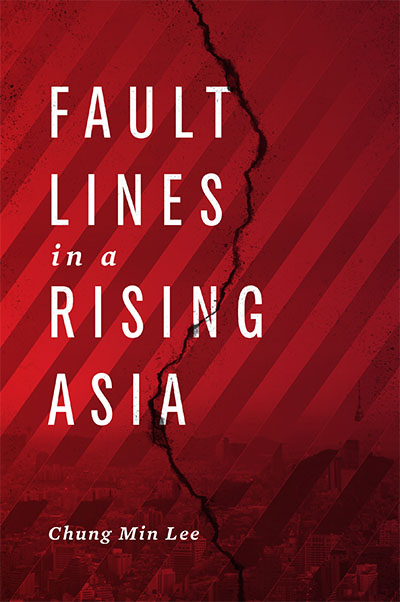
While Asia has been an unparalleled economic success, it is also home to some of the world’s most dangerous, diverse, and divisive challenges.
Source: Carnegie Endowment for International Peace
Asia has already risen by most hard-power measures. But without an understanding of the downsides of Asia’s rise, the conventional narrative is incomplete, misleading, and inaccurate.
Chung Min Lee explores the fundamental dichotomy that defines contemporary Asia. While the region has been an unparalleled economic success, it is also home to some of the world’s most dangerous, diverse, and divisive challenges. Contrary to prevailing wisdom, he says, Asia’s rise doesn’t mean the demise of the West.
“Is Asia ready for the Asian century? Chung Min Lee’s thought-provoking new book raises serious questions about whether Asia’s fragile political structures and fraught geopolitics can sustain global leadership. An important corrective to current jeremiads in America about its own decline and the remorseless rise of the East.”
—Simon Long, Banyan columnist, Economist
“Chung Min Lee—with clarity and tremendous skill—illustrates the political and military challenges that the rise of Asia has brought upon the region.”
—Kiichi Fujiwara, University of Tokyo

Senior Fellow, Asia Program
Chung Min Lee is a senior fellow in Carnegie’s Asia Program. He is an expert on Korean and Northeast Asian security, defense, intelligence, and crisis management.
Recent Work
Chung Min Lee
Carnegie does not take institutional positions on public policy issues; the views represented herein are those of the author(s) and do not necessarily reflect the views of Carnegie, its staff, or its trustees.

Whether PAS can refocus on the unfinished business of state-building may ultimately prove more consequential for Moldova’s European future than the pace of its accession negotiations.

Balázs Jarábik
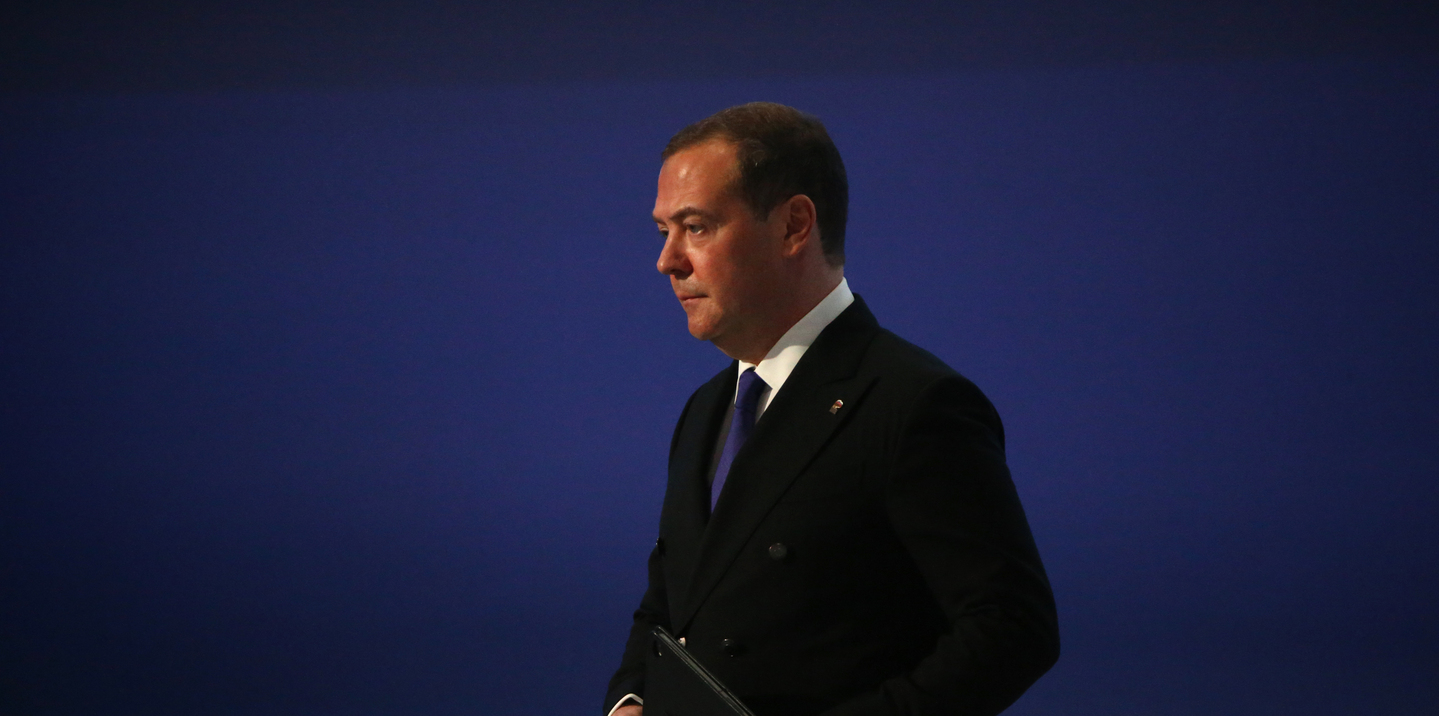
Medvedev’s defeat in the battle for the position of speaker appears to signal that the long process of his marginalization in Russian politics has passed the point of no return.

Andrey Pertsev
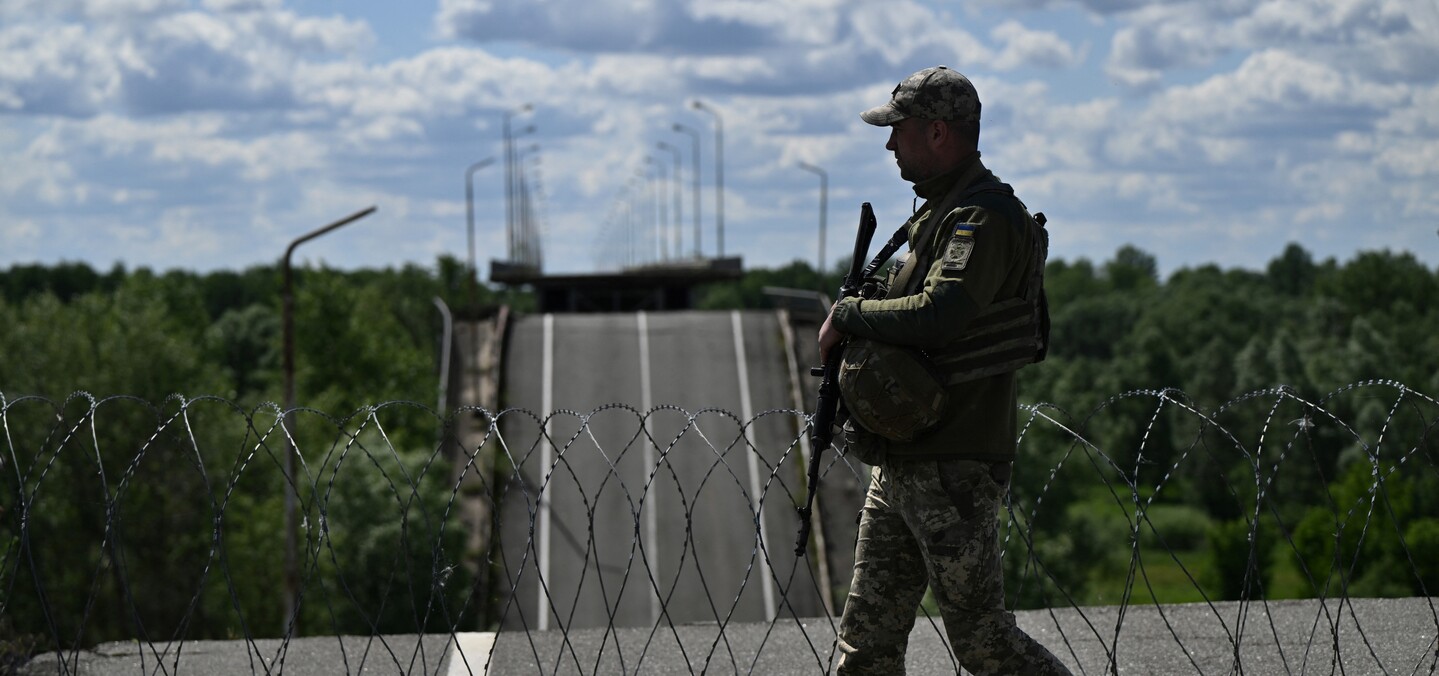
The recent damage inflicted by Ukrainian drones and missiles on Russia has made Belarus aware of its own vulnerabilities—and surprisingly amenable to Kyiv’s demands.

Artyom Shraibman
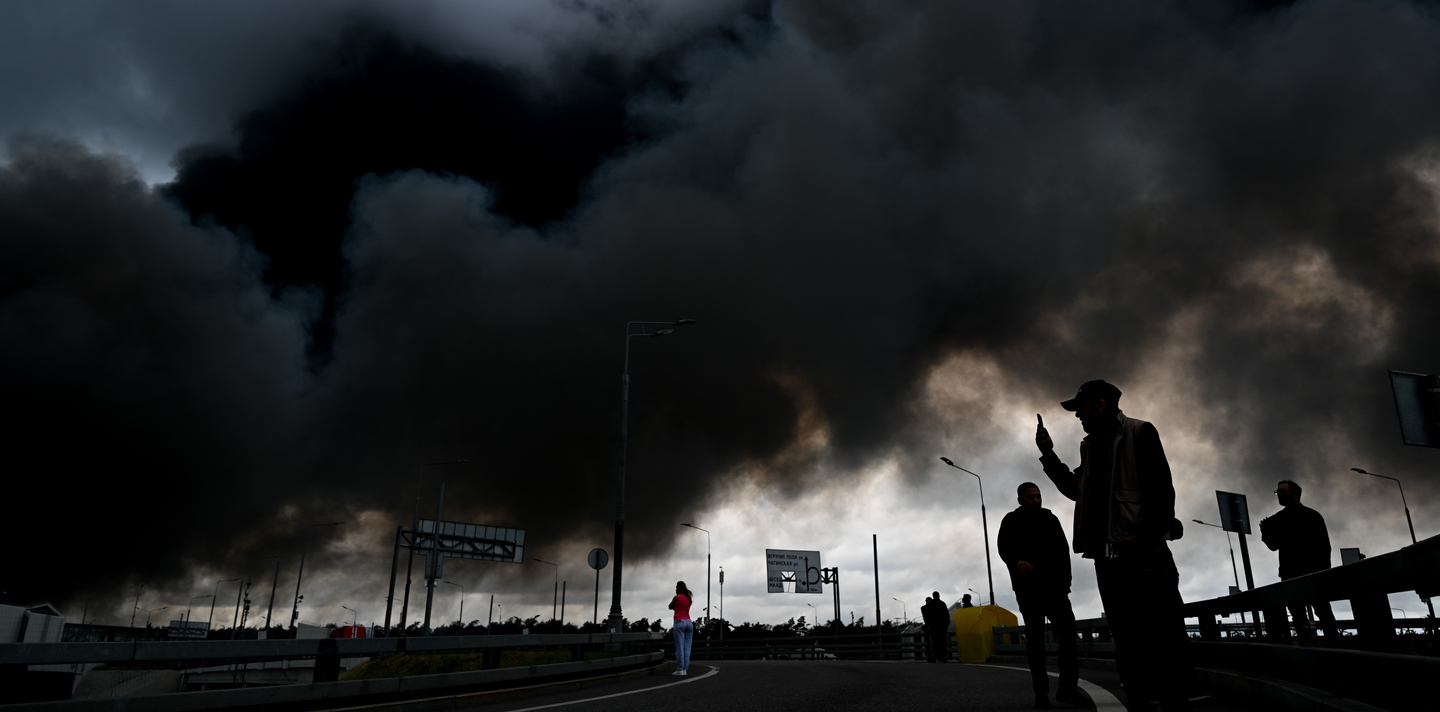
It is not a phenomenon unique to Russia that the public of a country at war (even the aggressor) enduring airstrikes will not overturn its government but rather show solidarity with it and blame its woes on the enemy.

Vladislav Gorin
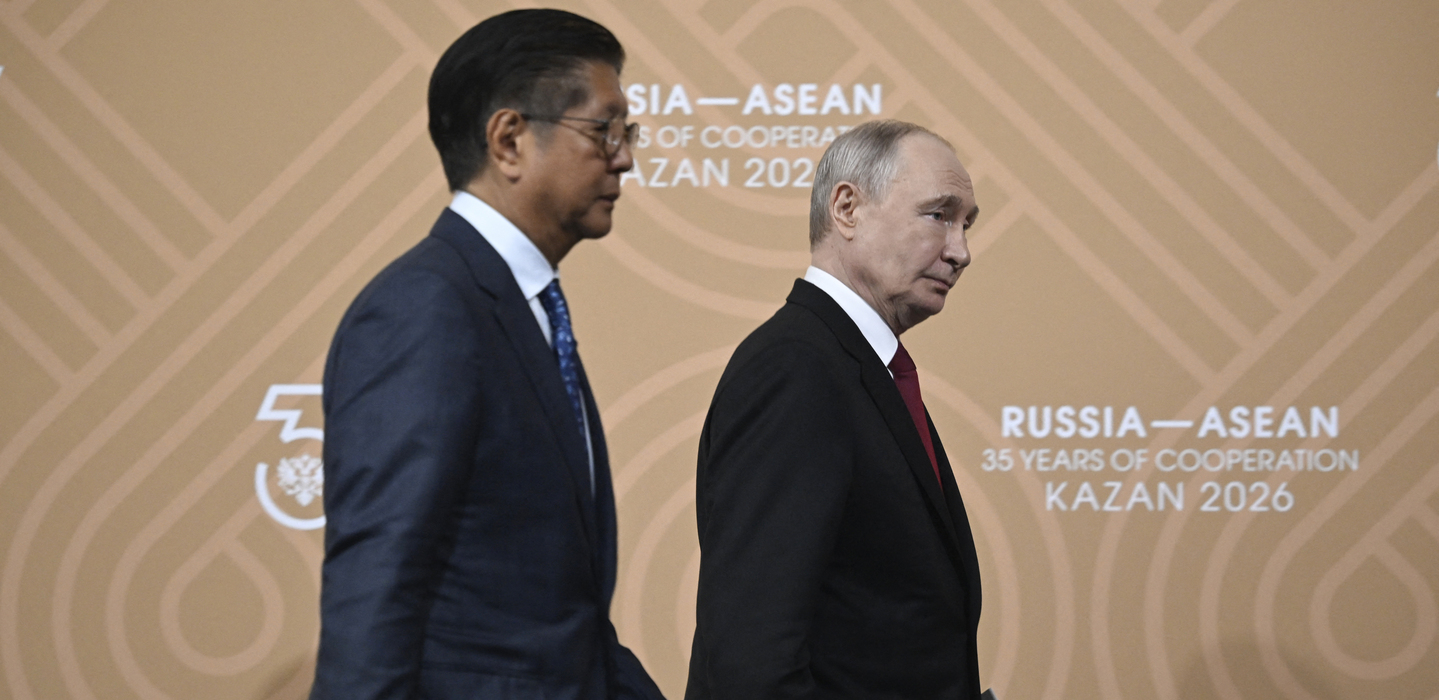
Russia looks set to reap economic benefits from closer ties with Southeast Asian countries that are keen to find reliable energy suppliers and diversify trade ties.

Alexander Gabuev