

Commentary
Russia looks set to reap economic benefits from closer ties with Southeast Asian countries that are keen to find reliable energy suppliers and diversify trade ties.
Alexander Gabuev
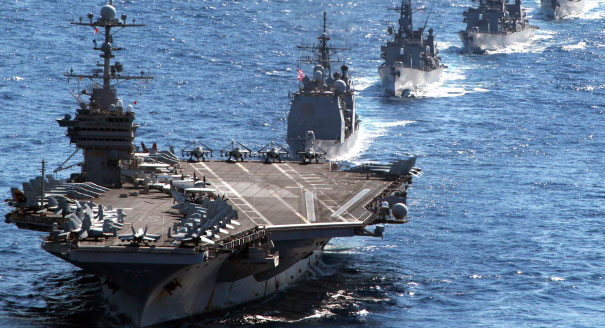
This book identifies how Asia’s major powers have developed military strategies to address their most significant challenges.
Source: National Bureau of Asian Research
Co-edited and introduced by Ashley J. Tellis, Strategic Asia 2017-18: Power, Ideas, and Military Strategy in the Asia-Pacific identifies how Asia’s major powers have developed military strategies to address their most significant challenges. In each chapter, a leading expert analyzes how national power and capabilities interact with strategic culture to shape a country’s military strategies and explains why decision-makers come to favor certain options over others. This is the final volume from a three-year project that takes stock of the national power of the major Asian states.
Order this book, or read the introduction by Ashley J. Tellis for free.
Ashley J. Tellis holds the Tata Chair for Strategic Affairs and is a senior fellow at the Carnegie Endowment for International Peace and research director of the Strategic Asia Program at the National Bureau of Asian Research (NBR).
Alison Szalwinski is assistant director for political and security affairs at NBR.
Michael Wills is senior vice president for strategy and finance at NBR.
Former Senior Fellow
Ashley J. Tellis was a senior fellow at the Carnegie Endowment for International Peace.
Alison Szalwinski
National Bureau of Asian Research
Alison Szalwinski is assistant director for political and security affairs at NBR.
Michael Wills
National Bureau of Asian Research
Michael Wills is senior vice president for strategy and finance at NBR.
Carnegie does not take institutional positions on public policy issues; the views represented herein are those of the author(s) and do not necessarily reflect the views of Carnegie, its staff, or its trustees.
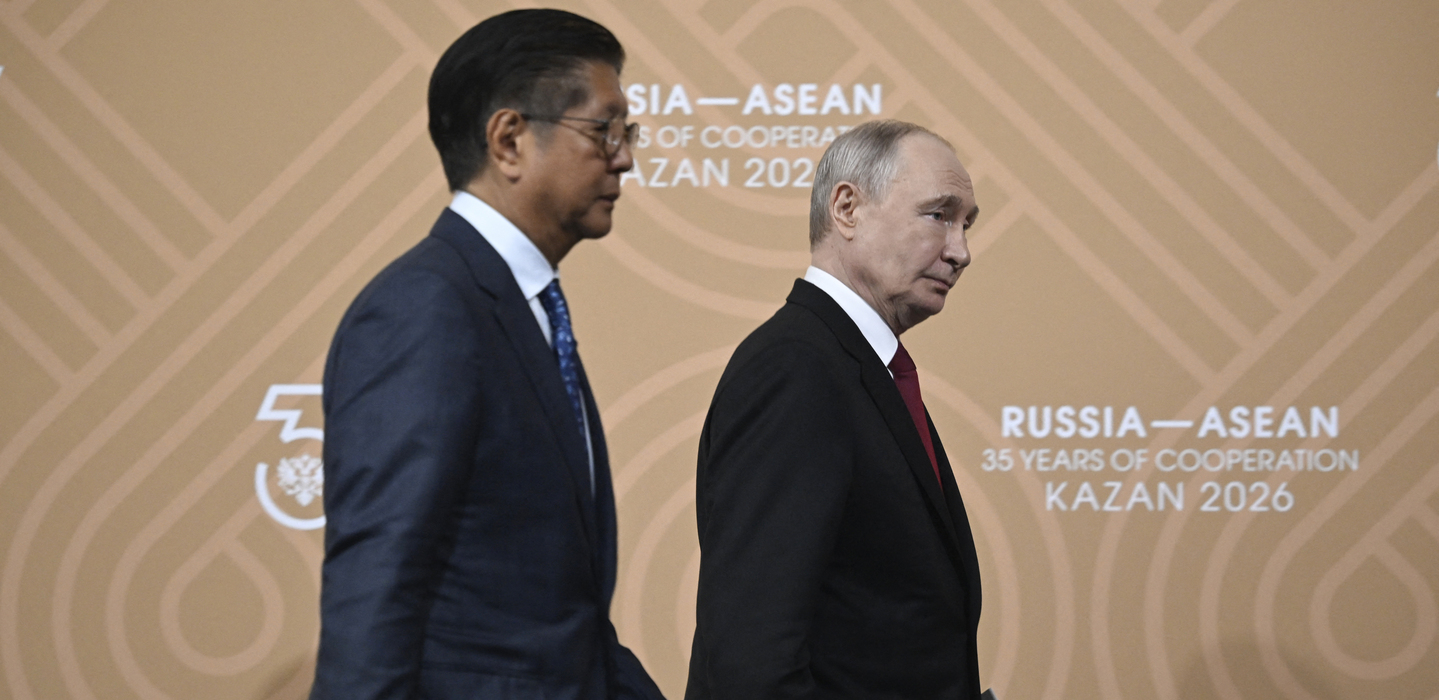
Russia looks set to reap economic benefits from closer ties with Southeast Asian countries that are keen to find reliable energy suppliers and diversify trade ties.

Alexander Gabuev
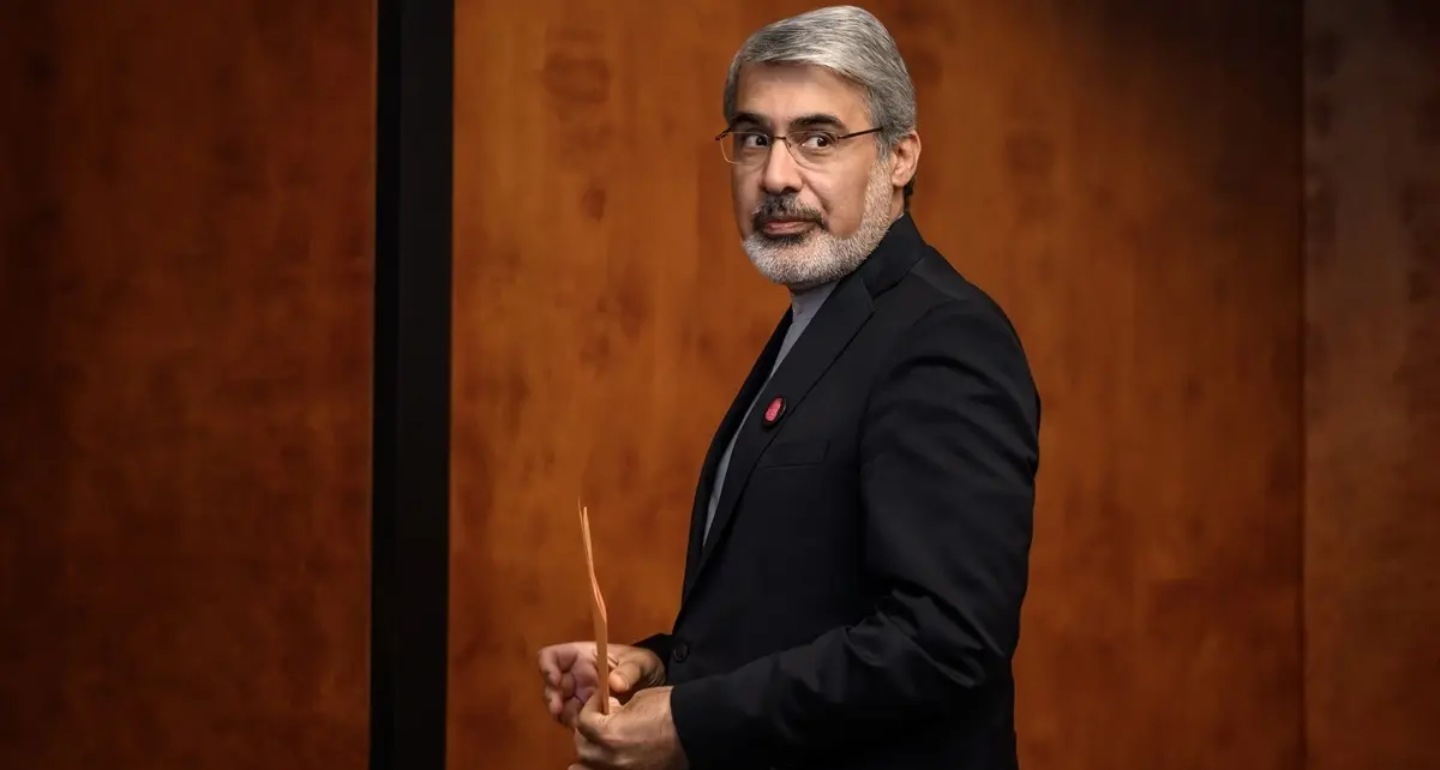
Ongoing uncertainty in the Middle East allows Moscow to both increase its influence in Tehran and continue to enjoy the financial windfall of higher oil prices.

Nikita Smagin
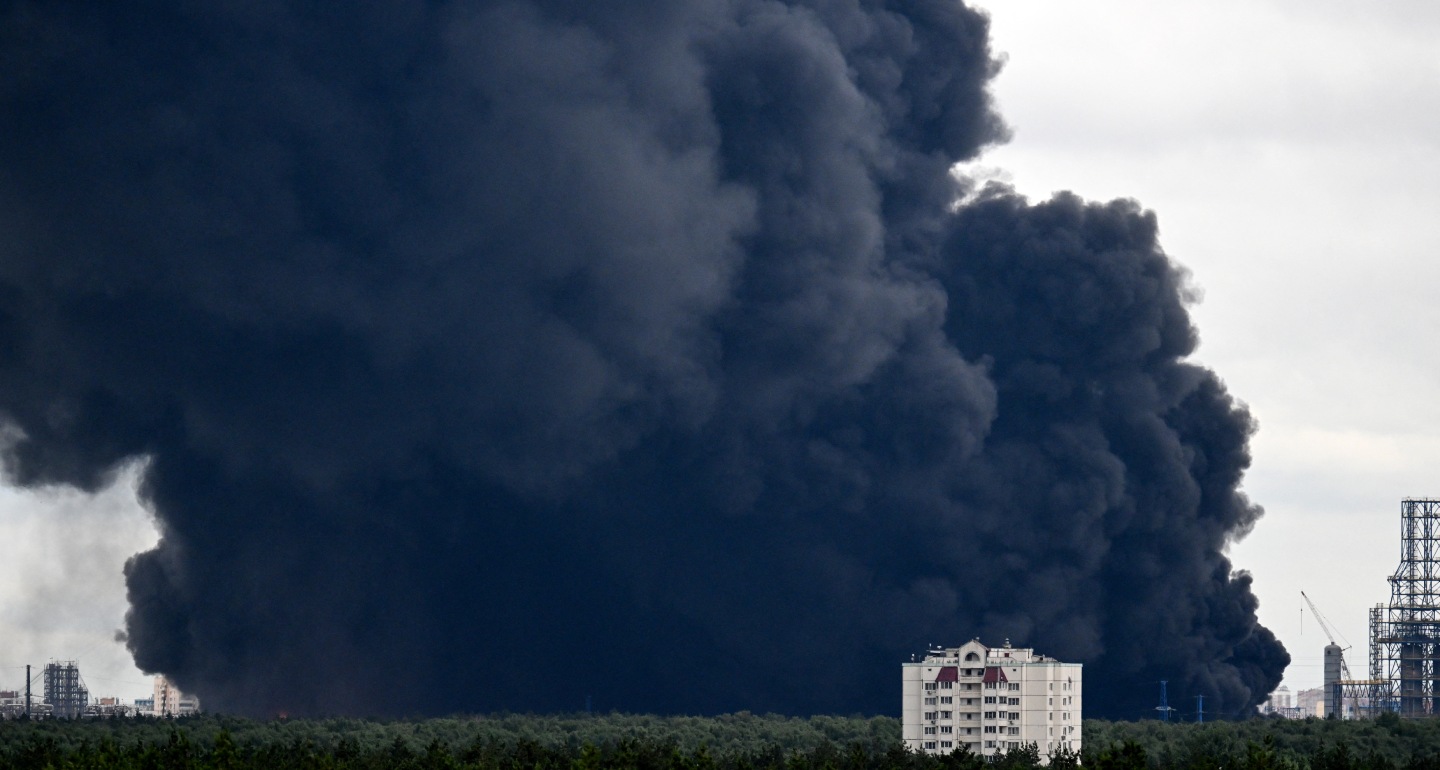
If it proves impossible for the Russian authorities to avoid a gasoline deficit, the question then becomes how they will organize the distribution of a scarce resource.

Sergey Vakulenko
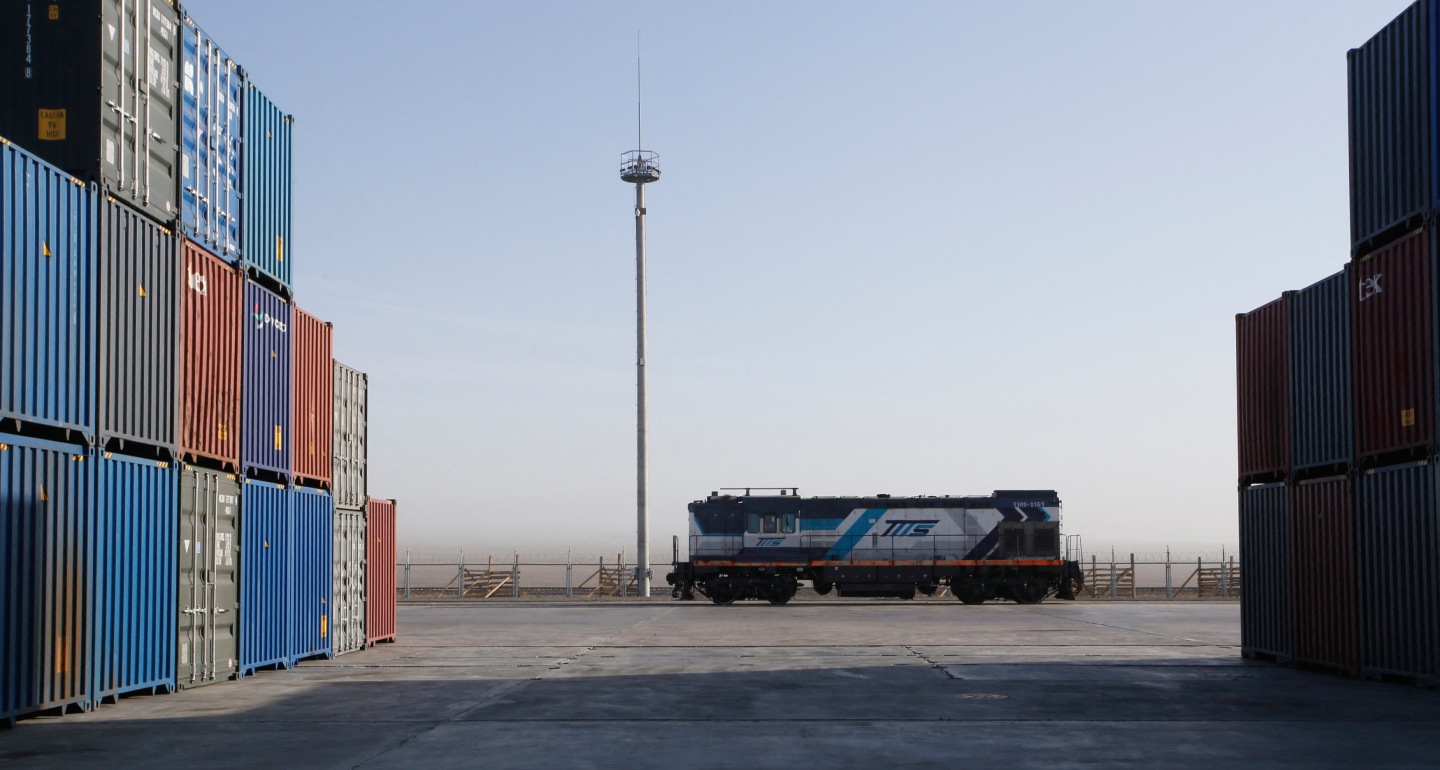
This year’s wars have made alternative routes to transit through Russia no less risky for Central Asian countries.

Galiya Ibragimova
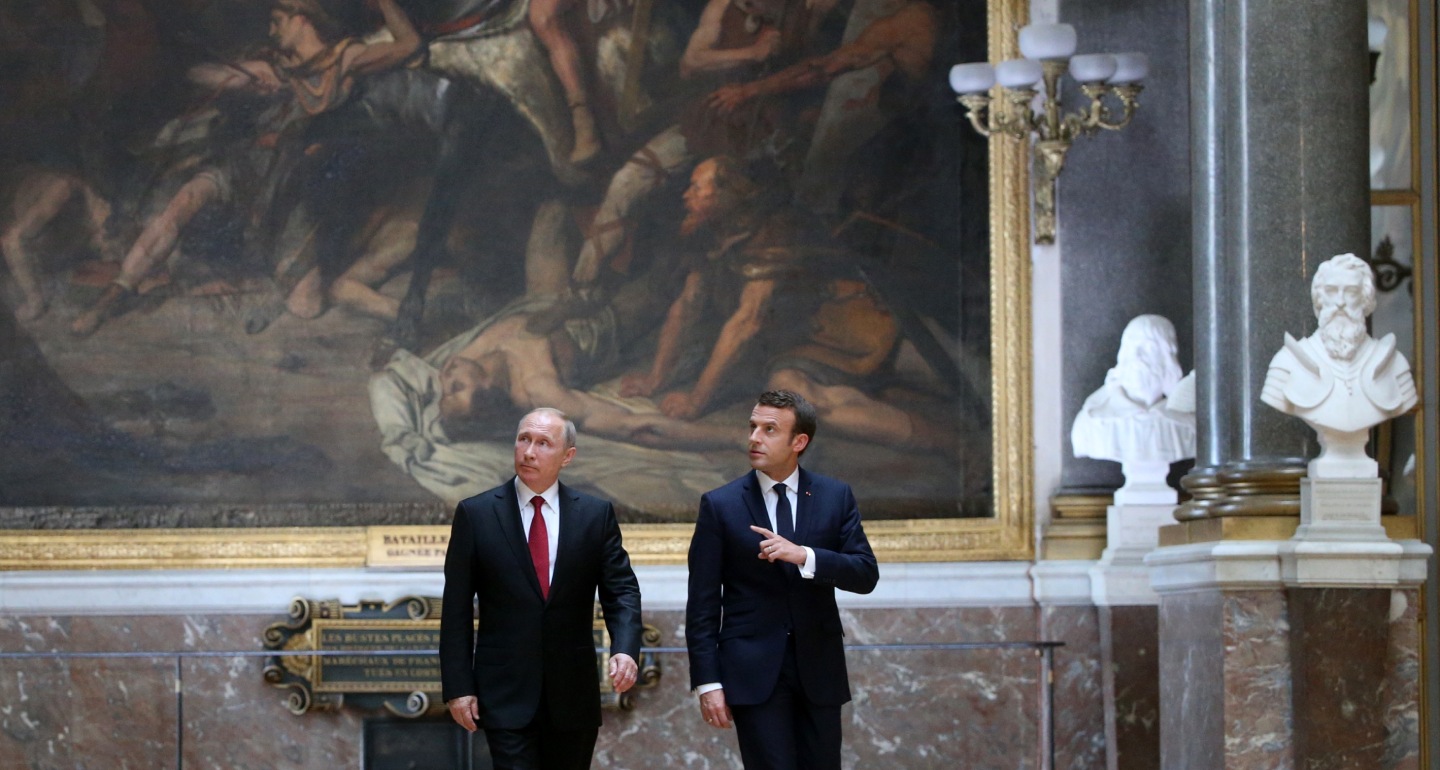
Reestablishing a dialogue with Moscow is not a goal in its own right. The goal is to guarantee the independence of Ukraine and the peace and security of Europe.
Arkady Moshes