

Testimony
Rachel Kleinfeld
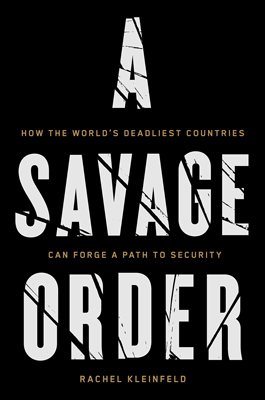
An urgent and provocative look at how extreme violence can cripple democracies, including the United States, and how they can regain security.
Source: Pantheon
An urgent and provocative look at how extreme violence can cripple democracies, including our own, and how they can regain security.
The most violent places in the world today are not at war. They are buckling under a maelstrom of gangs, organized crime, political conflict, and state brutality. More people have died in Mexico in recent years than in Iraq and Afghanistan combined. Such devastating violence can feel hopeless. Yet multiple places once suffused with bloodshed have since recovered.
In this powerfully argued and essential book, Rachel Kleinfeld examines why some democracies are so violent, and provides an ultimately optimistic assessment of how others have reclaimed security. Drawing on fifteen years of study and firsthand field research—interviewing generals, former guerrillas, activists, politicians, mobsters, and law enforcement in countries around the world—Kleinfeld tells the stories of societies that successfully fought massive violence. She then offers penetrating conclusions about what must be done to build governments that protect all their people.
Taking on existing literature and popular theories on war, crime, and foreign intervention, A Savage Order is a blistering yet inspiring investigation into what makes some countries peaceful and others war zones, and what we can do about it.
“This is a brilliant analysis of societies that appear to be intractably violent, but in fact are not—including our own. A Savage Order is original, penetrating, and filled with gripping history and reporting.”
—Steven Pinker
“A Savage Order gives us a comprehensive survey of countries that have overcome extreme violence and shows how there is a common thread to their recoveries, one that could be of tremendous help to countries currently in the grip of deadly violence. Rachel Kleinfeld’s analysis is both analytically rigorous and accessible, and will be required reading for those players and policymakers who are actually trying to deal with such terrible problems today.”
—Francis Fukuyama
“A Savage Order is a fascinating, moving, and deeply important study that will be widely read by scholars, activists, policy makers and ordinary citizens who seek a more peaceful and just world."
—Larry Diamond
“In this exhaustively researched and deftly reasoned volume, Rachel Kleinfeld shows us why durable solutions to bloodshed lie not with repression or dirty deals, but with an engaged middle class and political leadership framing demands for reform in rigorously nonpartisan ways.”
—Sarah Chayes
“Nearly 370 years after Thomas Hobbes wrote Leviathan, we still lack both an understanding of the underpinnings of social order, and practical strategies to achieve it. This book brings together a new theoretical argument with rich case study evidence which provides a roadmap, if not a magic wand, for how social order can be successfully achieved. Breaks new ground wherever it moves.”
—James Robinson
“Chock-full of surprising statistics, vignettes and the fascinating observations that Rachel Kleinfeld has gathered in two decades studying violence, A Savage Order is an obligatory reference to those interested in understanding and solving one of the defining problems of our time.”
—Moisés Naím
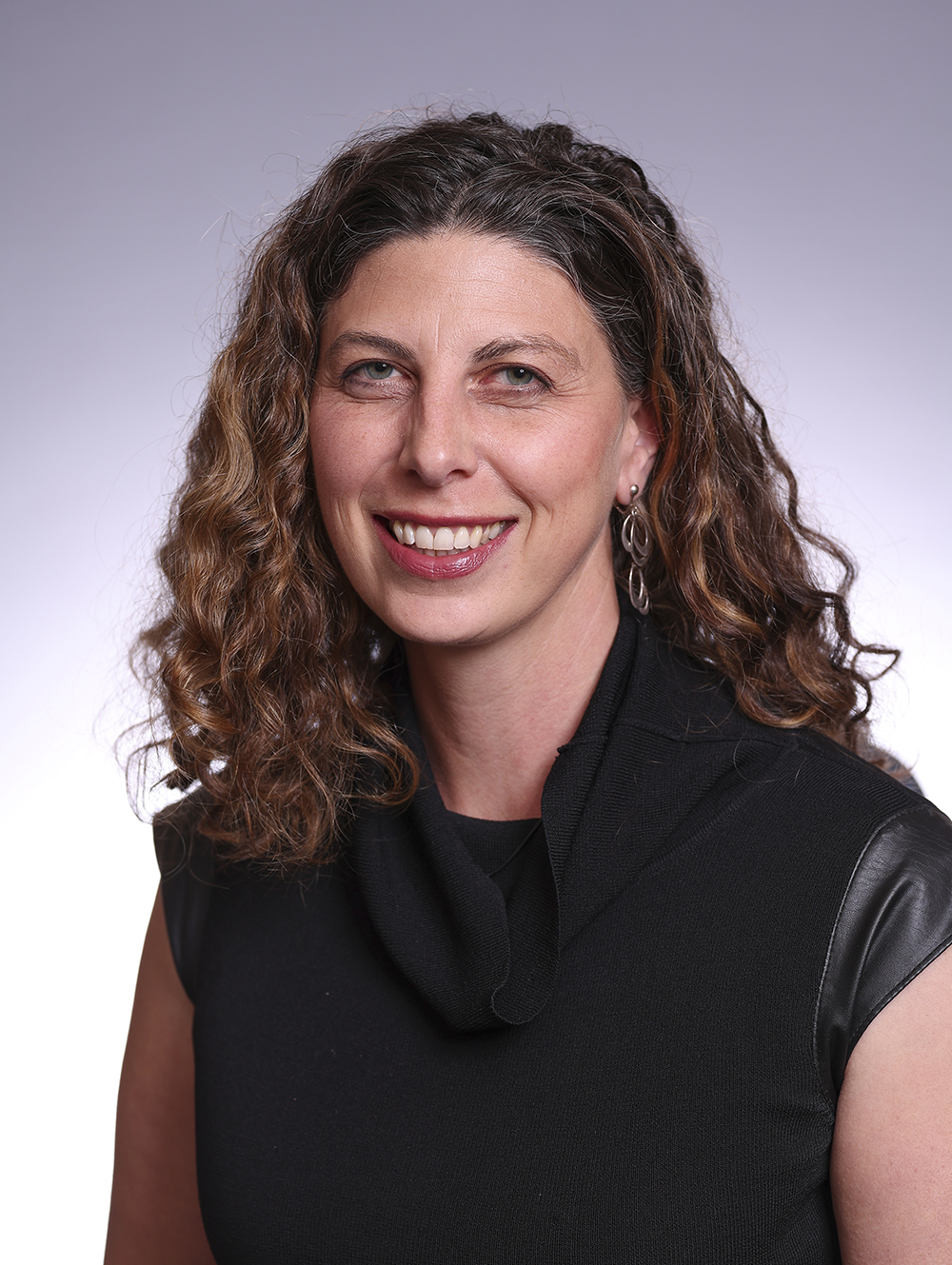
Senior Fellow, Democracy, Conflict, and Governance Program
Rachel Kleinfeld is a senior fellow in Carnegie’s Democracy, Conflict, and Governance Program, where she focuses on issues of rule of law, security, and governance in democracies experiencing polarization, violence, and other governance problems.
Recent Work
Rachel Kleinfeld
Renée DiResta, Rachel Kleinfeld
Carnegie does not take institutional positions on public policy issues; the views represented herein are those of the author(s) and do not necessarily reflect the views of Carnegie, its staff, or its trustees.
Minsk’s faith in the future of its larger neighbor’s economy is fading as Belarusian firms in Russia see record losses.

Olga Loiko

The truth is that Japan’s government is seeking a degree of reengagement but at a vastly reduced level than under Abe. Most significantly, Japan has shown no willingness to ease sanctions.

James D.J. Brown

The cost of air defense has become an unregistered tax on revenue for businesses. While military rents are consolidated in the federal budget, the costs of defense are being spread across the balance sheets of companies and regional governments.

Alexandra Prokopenko
Governments in Estonia, Latvia, and Lithuania want to ensure that a U.S. military withdrawal would not leave them dangerously exposed to a Russian attack.

Sergejs Potapkins

Anger over online restrictions has led to a surge in support for the New People party, which has replaced the Communists as Russia’s second most popular political party.

Andrey Pertsev