

Commentary
- +5
Zaha Hassan, Sarah Yerkes, Yasmine Farouk, …

The current path of U.S. foreign policy is leading to isolation and a sharp decrease of U.S. influence in international relations.
Source: Brookings Institution Press
“America First” is “America Alone”
Foreign policy is like physics: vacuums quickly fill. As the United States retreats from the international order it helped put in place and maintain since the end of World War II, Russia is rapidly filling the vacuum. Federiga Bindi’s new book assesses the consequences of this retreat for transatlantic relations and Europe, showing how the current path of US foreign policy is leading to isolation and a sharp decrease of US influence in international relations.
Transatlantic relations reached a peak under President Barack Obama. But under the Trump administration, withdrawal from the global stage has caused irreparable damage to the transatlantic partnership and has propelled Europeans to act more independently. Europe and America explores this tumultuous path by examining the foreign policy of the United States, Russia, and the major European Union member states. The book highlights the consequences of US retreat for transatlantic relations and Europe, demonstrating that “America first” is becoming “America alone,” perhaps marking the end of transatlantic relations as we know it, with Europe no longer beholden to the US national interest.
Former Nonresident Scholar, Europe Program
Federiga Bindi was a nonresident scholar in the Europe Program at the Carnegie Endowment for International Peace working on European politics, EU foreign policy, and transatlantic relations.
Recent Work



Zaha Hassan, Sarah Yerkes, Yasmine Farouk, …
Federiga Bindi
Carnegie does not take institutional positions on public policy issues; the views represented herein are those of the author(s) and do not necessarily reflect the views of Carnegie, its staff, or its trustees.

This year’s wars have made alternative routes to transit through Russia no less risky for Central Asian countries.

Galiya Ibragimova
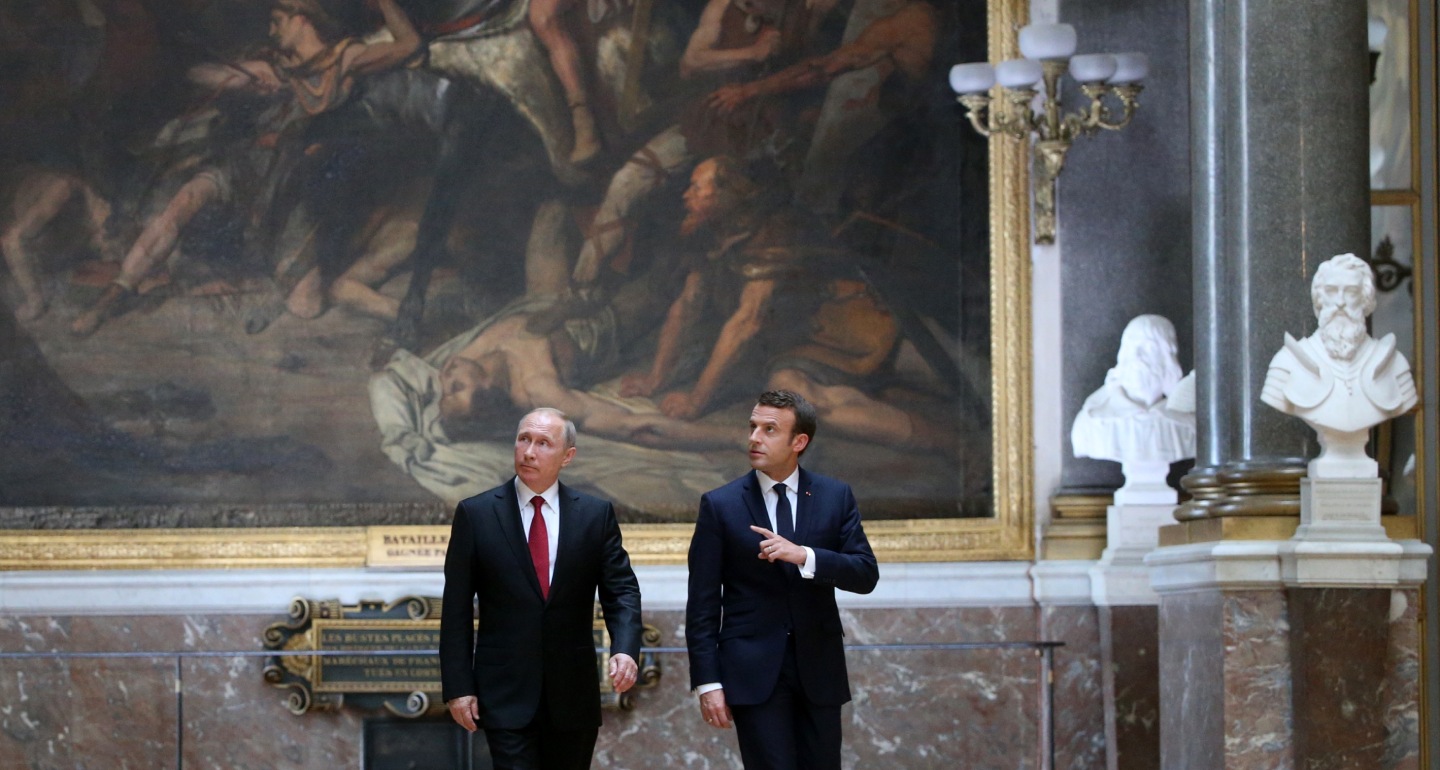
Reestablishing a dialogue with Moscow is not a goal in its own right. The goal is to guarantee the independence of Ukraine and the peace and security of Europe.
Arkady Moshes
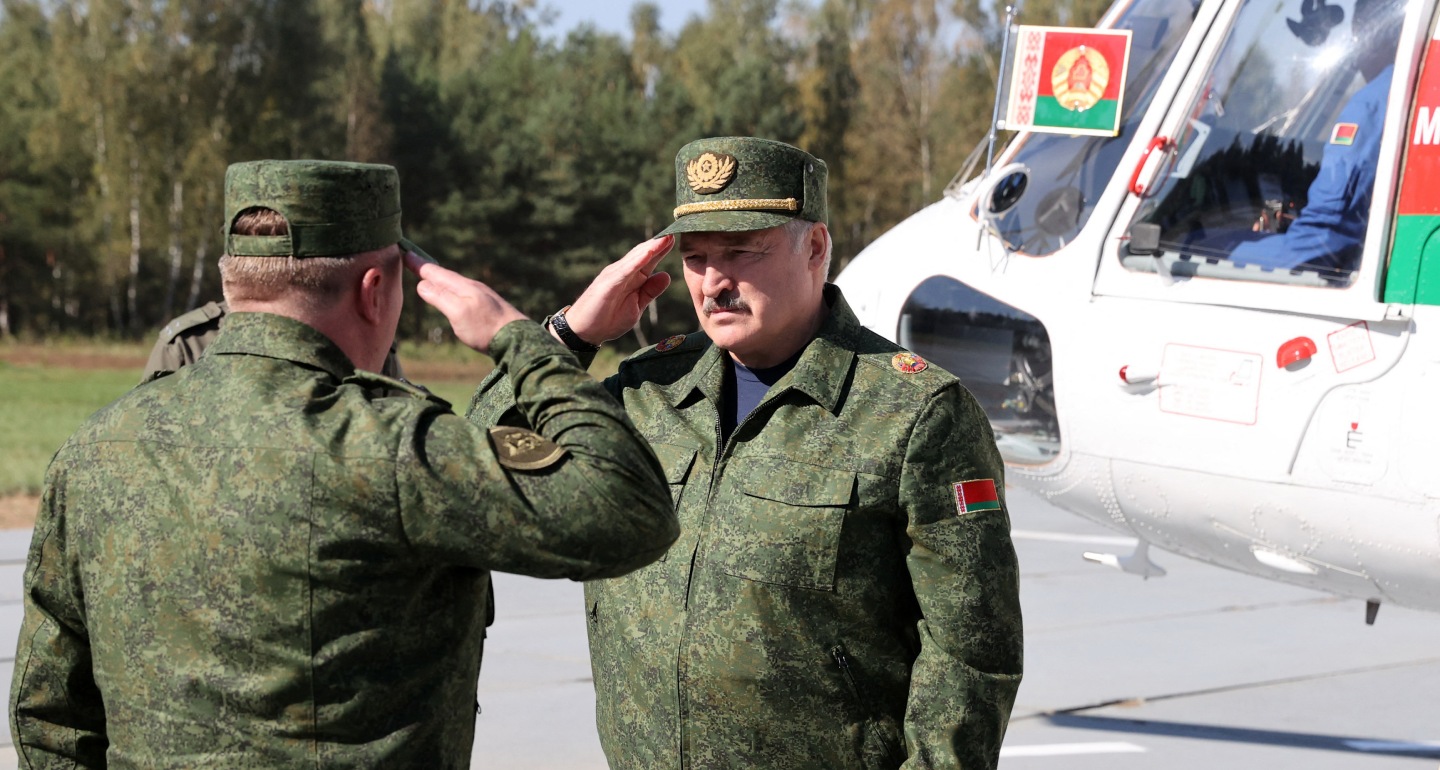
Ukraine’s increasingly confrontational posture on Belarus reflects Kyiv’s effort to shape the emerging regional order in Eastern Europe. Kyiv wants to limit European normalization with Minsk—and any future rapprochement with Russia.

Balázs Jarábik

By fueling the arguments of both supporters and opponents of Armenian Prime Minister Nikol Pashinyan, Azerbaijan wants to ensure he is re-elected with a weaker mandate.

Bashir Kitachaev
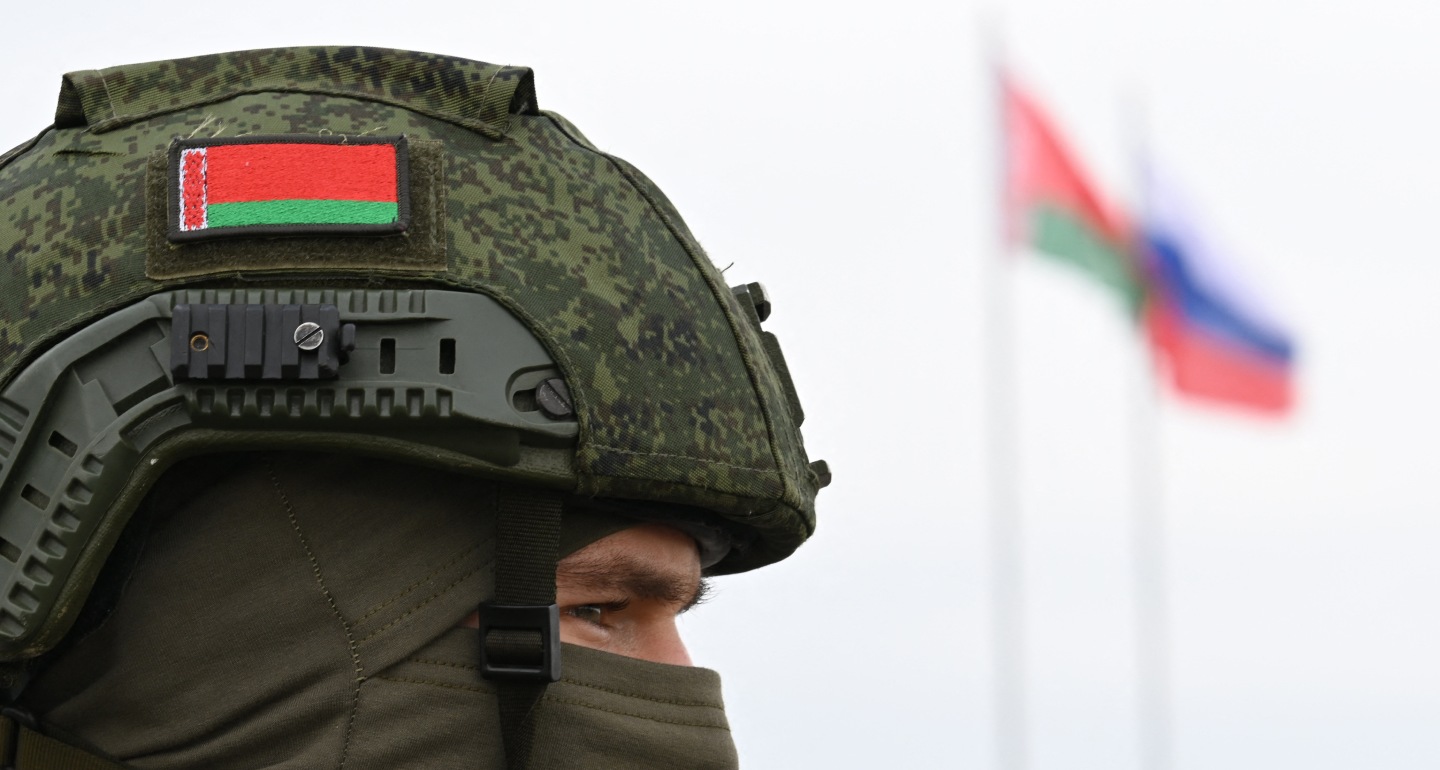
By reminding the world that Lukashenko is a threat to NATO and Ukraine, Kyiv is trying to return the focus to why the Belarusian regime needs to be contained rather than rewarded.

Artyom Shraibman