

Commentary
By reminding the world that Lukashenko is a threat to NATO and Ukraine, Kyiv is trying to return the focus to why the Belarusian regime needs to be contained rather than rewarded.
Artyom Shraibman

Using the concept of ‘governance’ as an analytical framework, this book investigates how new and emerging security technologies are governed within the European Union, emphasizing relations among different state and non-state actors.
Source: Routledge
The emergence of technologies such as drones, autonomous robotics, artificial intelligence, cyber and biotechnologies has stimulated worldwide debates on their use, risks and benefits in both the civilian and the security-related fields.
This volume examines the concept of ‘governance’ as an analytical framework and tool to investigate how new and emerging security technologies are governed in practice within the European Union (EU), emphasising the relational configurations among different state and non-state actors. With reference to European governance, it addresses the complex interplay of power relations, interests and framings surrounding the development of policies and strategies for the use of new security technologies. The work examines varied conceptual tools to shed light on the way diverse technologies are embedded in EU policy frameworks.
Each contribution identifies actors involved in the governance of a specific technology sector, their multilevel institutional and corporate configurations, and the conflicting forces, values, ethical and legal concerns, as well as security imperatives and economic interests.

Fellow, Carnegie Europe
Raluca Csernatoni is a fellow at Carnegie Europe, where she specializes on European security and defense, as well as emerging disruptive technologies.
Antonio Calcara
Vesalius College
Calcara is Adjunct Professor at the Vesalius College, Belgium, and Postdoctoral Researcher at LUISS Guido Carli, Italy.

Chantal Lavallée
Royal Military College
Chantal Lavallée is an assistant professor at the Royal Military College Saint-Jean in Canada.
Carnegie does not take institutional positions on public policy issues; the views represented herein are those of the author(s) and do not necessarily reflect the views of Carnegie, its staff, or its trustees.
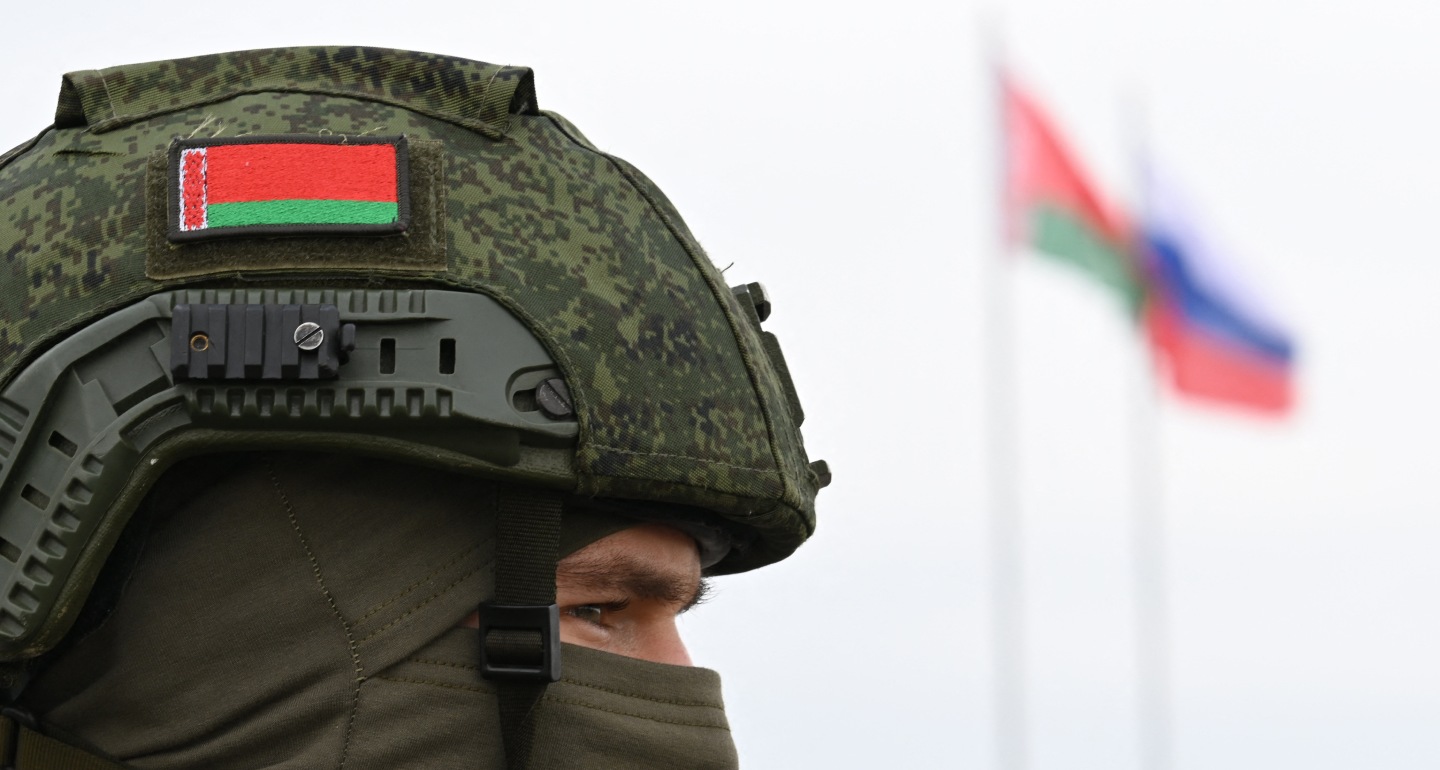
By reminding the world that Lukashenko is a threat to NATO and Ukraine, Kyiv is trying to return the focus to why the Belarusian regime needs to be contained rather than rewarded.

Artyom Shraibman
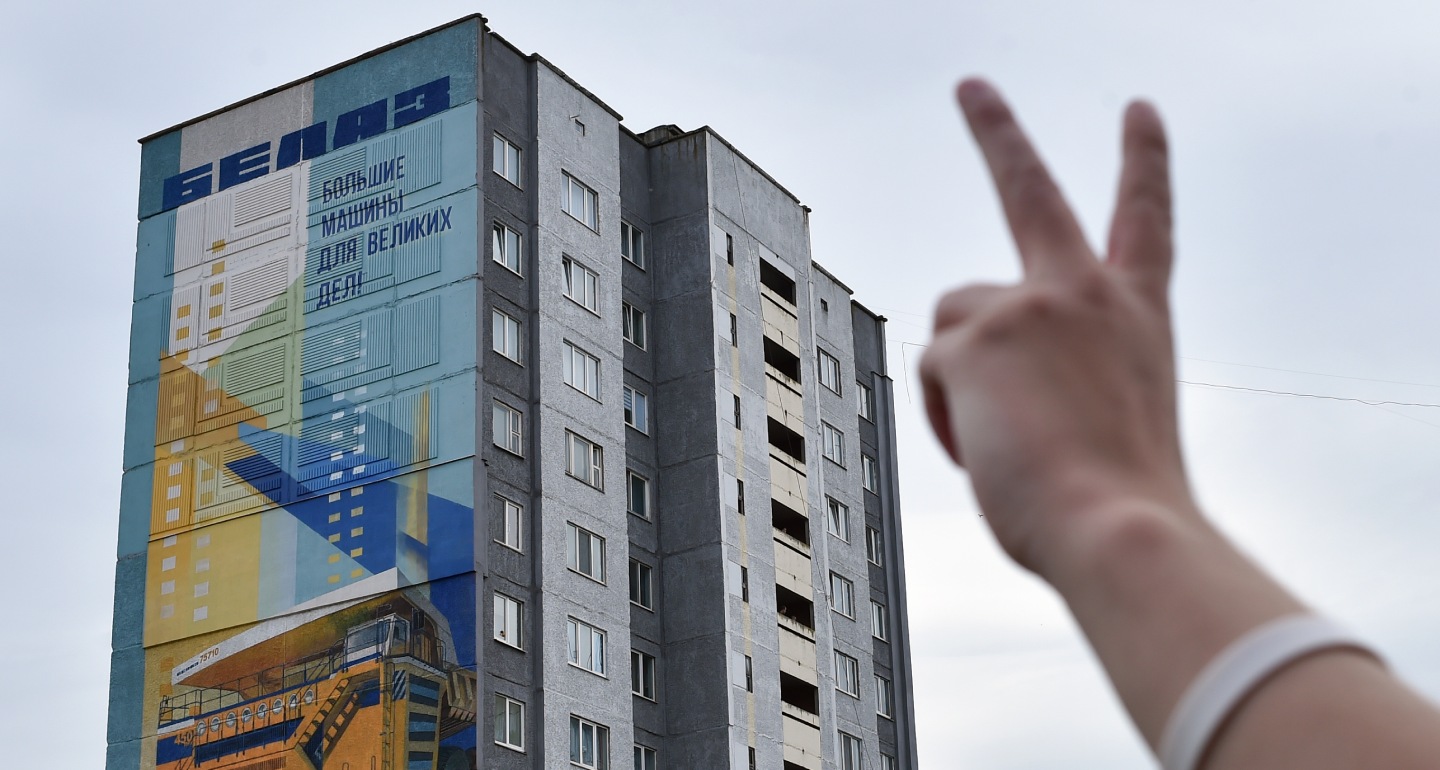
Minsk’s faith in the future of its larger neighbor’s economy is fading as Belarusian firms in Russia see record losses.

Olga Loiko
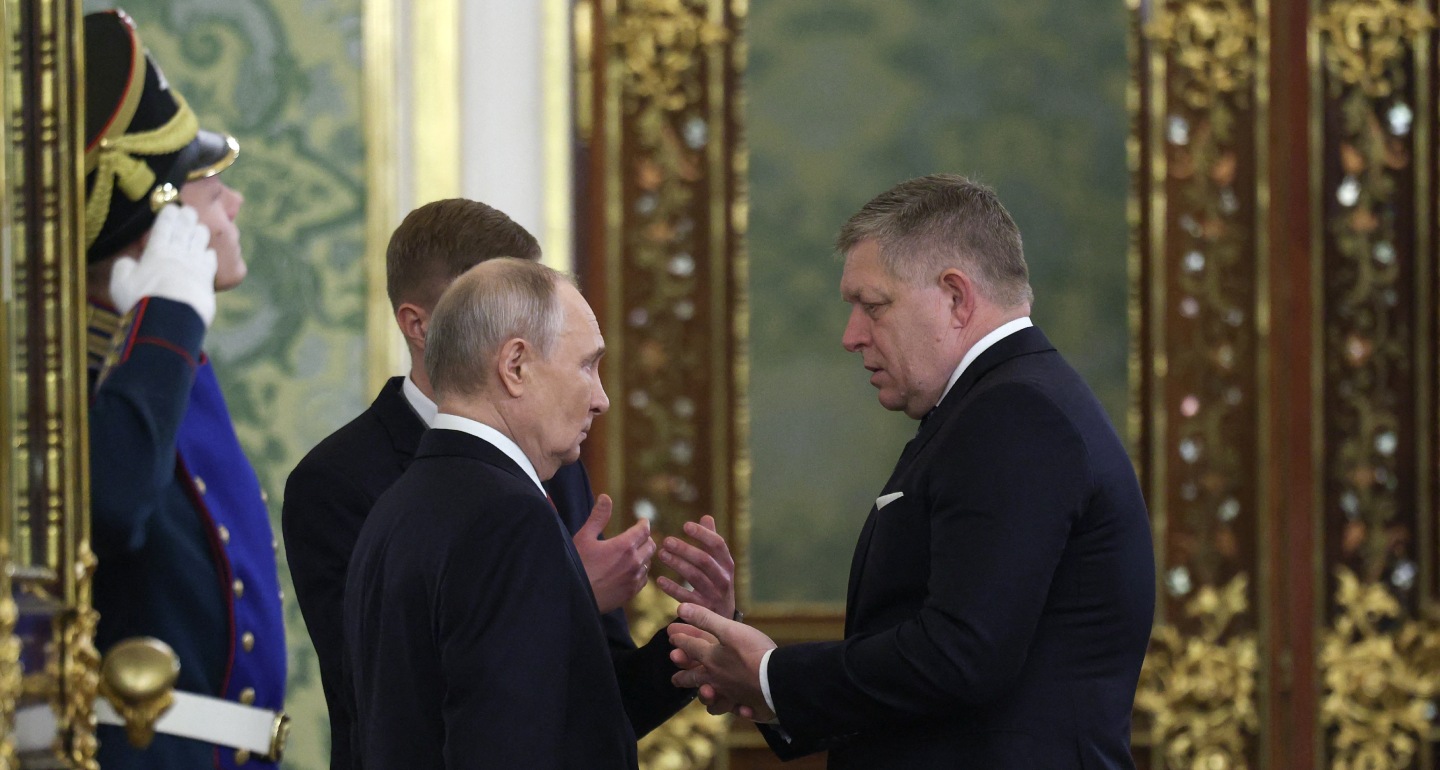
Though Orban is gone, Putin can still count on some like-minded individuals in Central and Eastern Europe. However, they will seek to avoid open confrontation with EU institutions over Ukraine and their ties with Moscow.

Dimitar Bechev

The truth is that Japan’s government is seeking a degree of reengagement but at a vastly reduced level than under Abe. Most significantly, Japan has shown no willingness to ease sanctions.

James D.J. Brown

Azerbaijan’s relations with the EU appear to be going from strength to strength after several years in the deep freeze following the military escalation in Karabakh in 2023 and Azerbaijan’s bitter fallout with France and several other EU member states.

Shujaat Ahmadzada