• Research
  • Politika
  • About
Carnegie Russia Eurasia center logoCarnegie lettermark logo
  • Donate
The Great Tech Game: Shaping Geopolitics and the Destinies of Nations
Book
Carnegie India

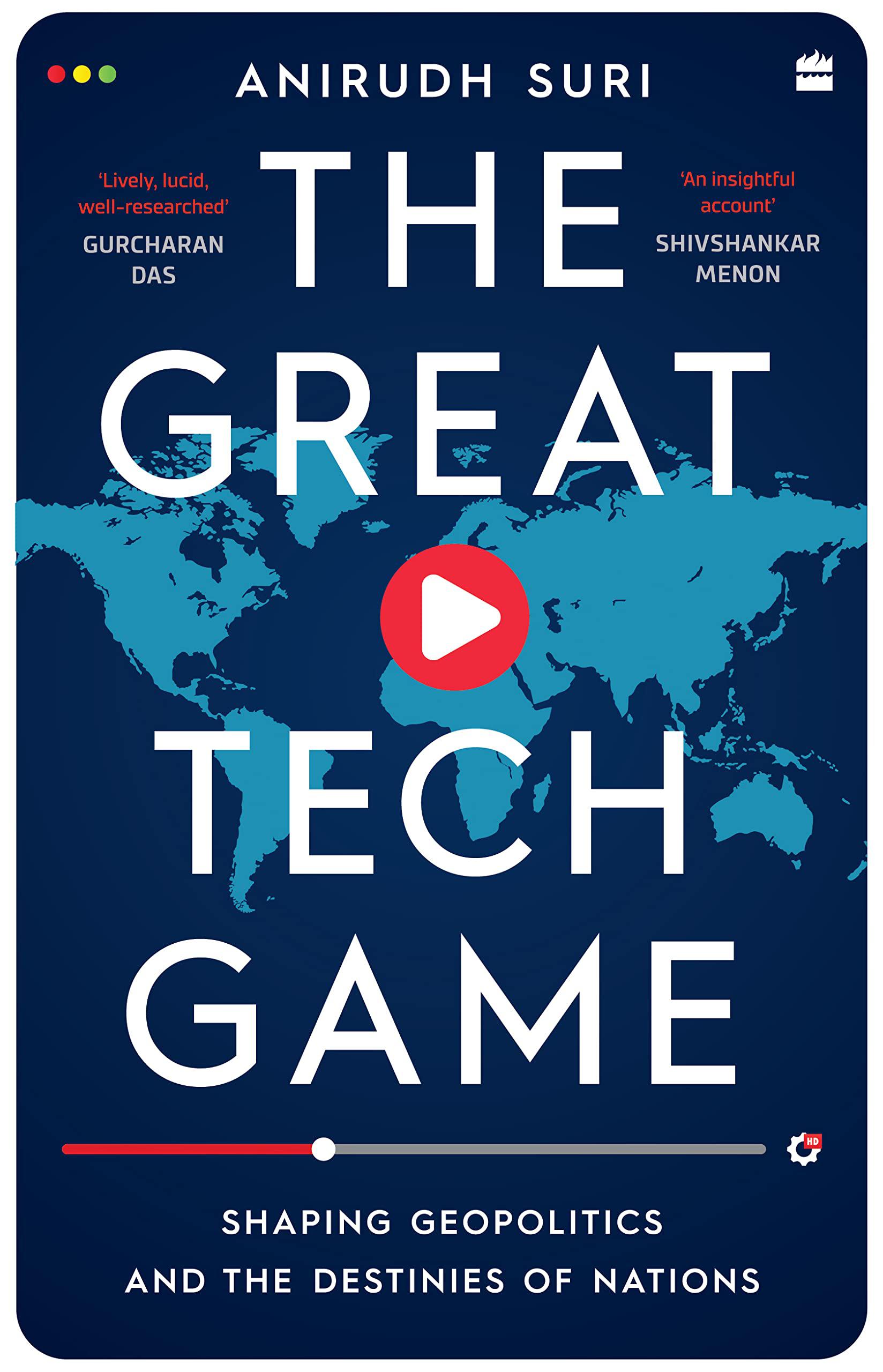
The Great Tech Game: Shaping Geopolitics and the Destinies of Nations

This book provides a coherent framework outlining the key drivers that will determine the ability of a nation to succeed in this technology-dominant era. It goes on to evaluate whether digital colonialism is an inevitable reality, or whether new frameworks will emerge to govern relationships between technology-rich and technology-poor nations.
Link Copied
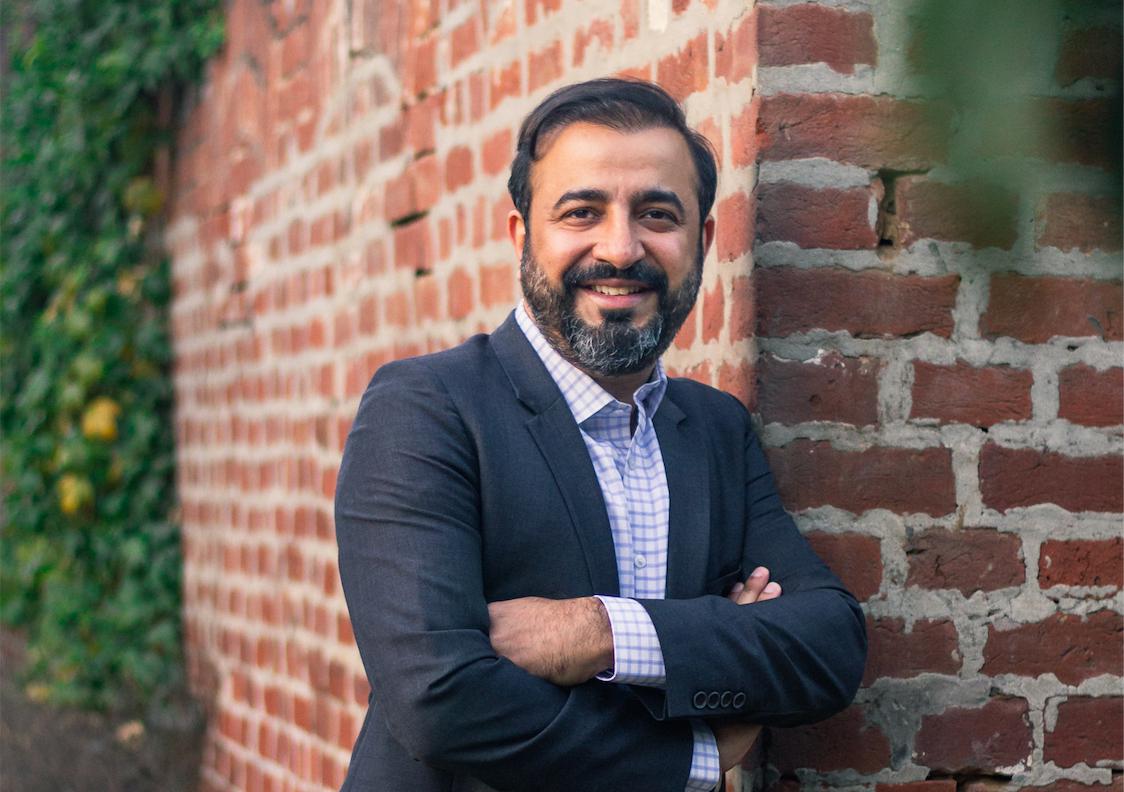
By Anirudh Suri
Published on Feb 21, 2022

Additional Links

HarperCollins
Project hero Image

Project

Technology and Society

This program focuses on five sets of imperatives: data, strategic technologies, emerging technologies, digital public infrastructure, and strategic partnerships.

Learn More

HarperCollins

About the Author

Anirudh Suri

Nonresident Scholar, Technology and Society Program

Anirudh Suri is a nonresident scholar with Carnegie India. His interests lie at the intersection of technology and geopolitics, climate, and strategic affairs.

    Recent Work

  • Paper
    The Missing Pieces in India’s AI Puzzle: Talent, Data, and R&D

      Anirudh Suri

  • Article
    A Comprehensive Framework for India’s Climate Finance Strategy

      Anirudh Suri

Anirudh Suri
Nonresident Scholar, Technology and Society Program
Anirudh Suri
South AsiaIndiaForeign PolicyTechnology

Carnegie does not take institutional positions on public policy issues; the views represented herein are those of the author(s) and do not necessarily reflect the views of Carnegie, its staff, or its trustees.

More Work from Carnegie Russia Eurasia Center

  • Commentary
    Carnegie Politika
    Why Did Messaging App Telegram Fall From Grace in Russia?

    The history of Telegram’s relations with the Russian state offers a salutary lesson for international platforms that believe they can reach a compromise with the Kremlin.

      Maria Kolomychenko
  • Commentary
    Carnegie Politika
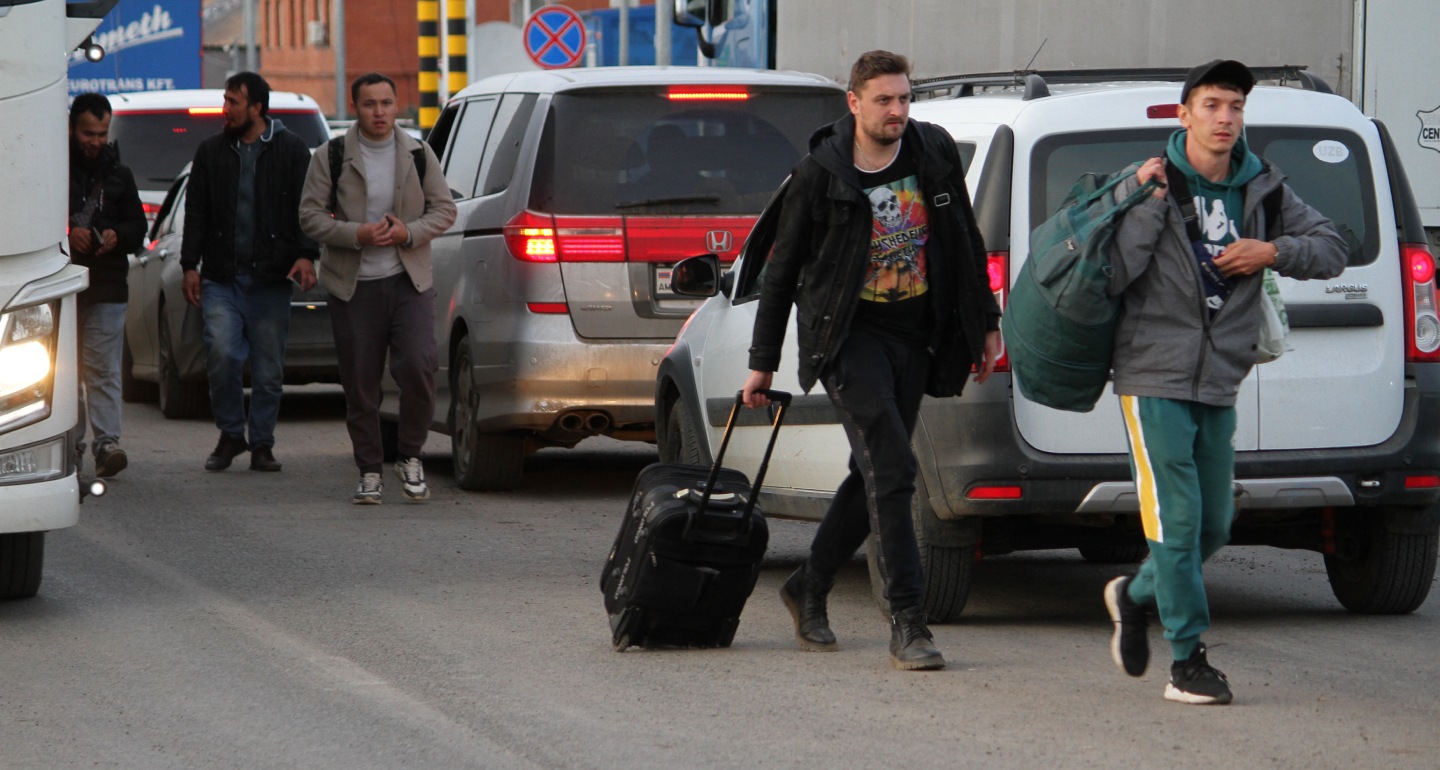
    Why Has Kazakhstan Started Deporting Political Activists?

    The current U.S. indifference to human rights means Astana no longer has any incentive to refuse extradition requests from its authoritarian neighbors—including Russia.

      Temur Umarov

  • Commentary
    Carnegie Politika
    Why Are China and Russia Not Rushing to Help Iran?

    Most of Moscow’s military resources are tied up in Ukraine, while Beijing’s foreign policy prioritizes economic ties and avoids direct conflict.   

      • Alexander Gabuev

      Alexander Gabuev, Temur Umarov

  • Commentary
    Carnegie Politika
    Georgia’s Fall From U.S. Favor Heralds South Caucasus Realignment

    With the White House only interested in economic dealmaking, Georgia finds itself eclipsed by what Armenia and Azerbaijan can offer.

      Bashir Kitachaev
  • Commentary
    Carnegie Politika
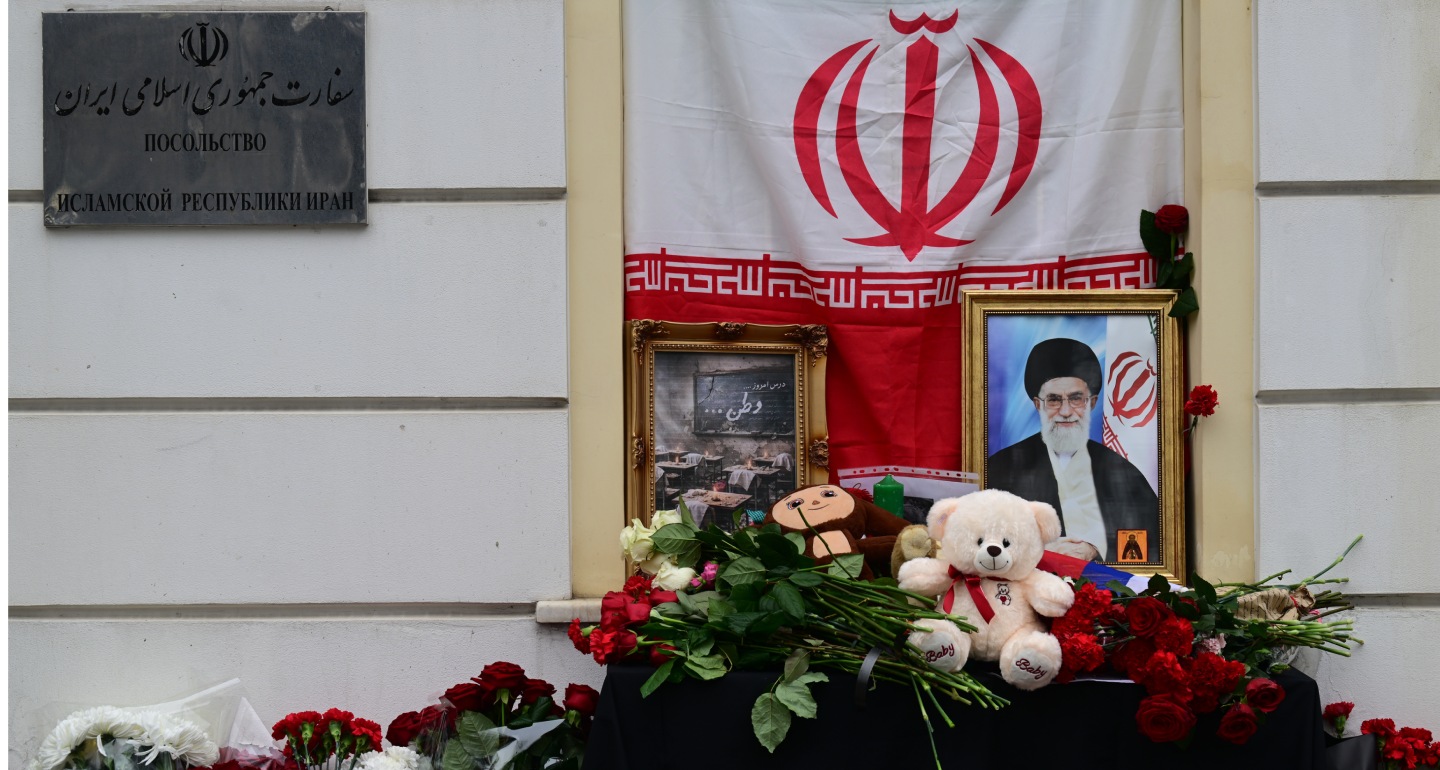
    What Does War in the Middle East Mean for Russia–Iran Ties?

    If the regime in Tehran survives, it could be obliged to hand Moscow significant political influence in exchange for supplies of weapons and humanitarian aid.

      Nikita Smagin

Get more news and analysis from
Carnegie Russia Eurasia Center
Carnegie Russia Eurasia logo, white
  • Research
  • Politika
  • About
  • Experts
  • Events
  • Contact
  • Privacy
Get more news and analysis from
Carnegie Russia Eurasia Center
© 2026 Carnegie Endowment for International Peace. All rights reserved.