

Commentary
For Japan, much more so than for European countries, there is no alternative to the United States.
James D.J. Brown
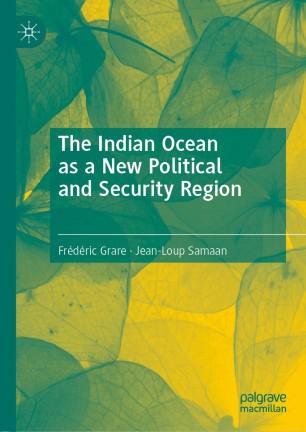
An analysis of the emergence of the Indian Ocean as security complex and a strategic space of central importance and its prospective future.
Source: Palgrave Macmillan
This book analyses the emergence of the Indian Ocean as security complex and a strategic space of central importance and also looks at its prospective future. As well as US-China rivalry, the India-China rivalry is now the defining factor in the Indian Ocean – irrespective of the strategic asymmetry. This new situation has opened a space for middle-powers, old and new, to intervene. The authors argue that this situation may turn into an additional source of instability and that the creation of an inclusive and comprehensive regional security architecture, as well as the strengthening of regional multilateralism, should be the priority of all stakeholders in the coming decade.

Former Nonresident Senior Fellow, South Asia Program
Frédéric Grare was a nonresident senior fellow at the Carnegie Endowment for International Peace, where his research focuses on Indo-Pacific dynamics, the search for a security architecture, and South Asia Security issues.
Jean-Loup Samaan
Carnegie does not take institutional positions on public policy issues; the views represented herein are those of the author(s) and do not necessarily reflect the views of Carnegie, its staff, or its trustees.
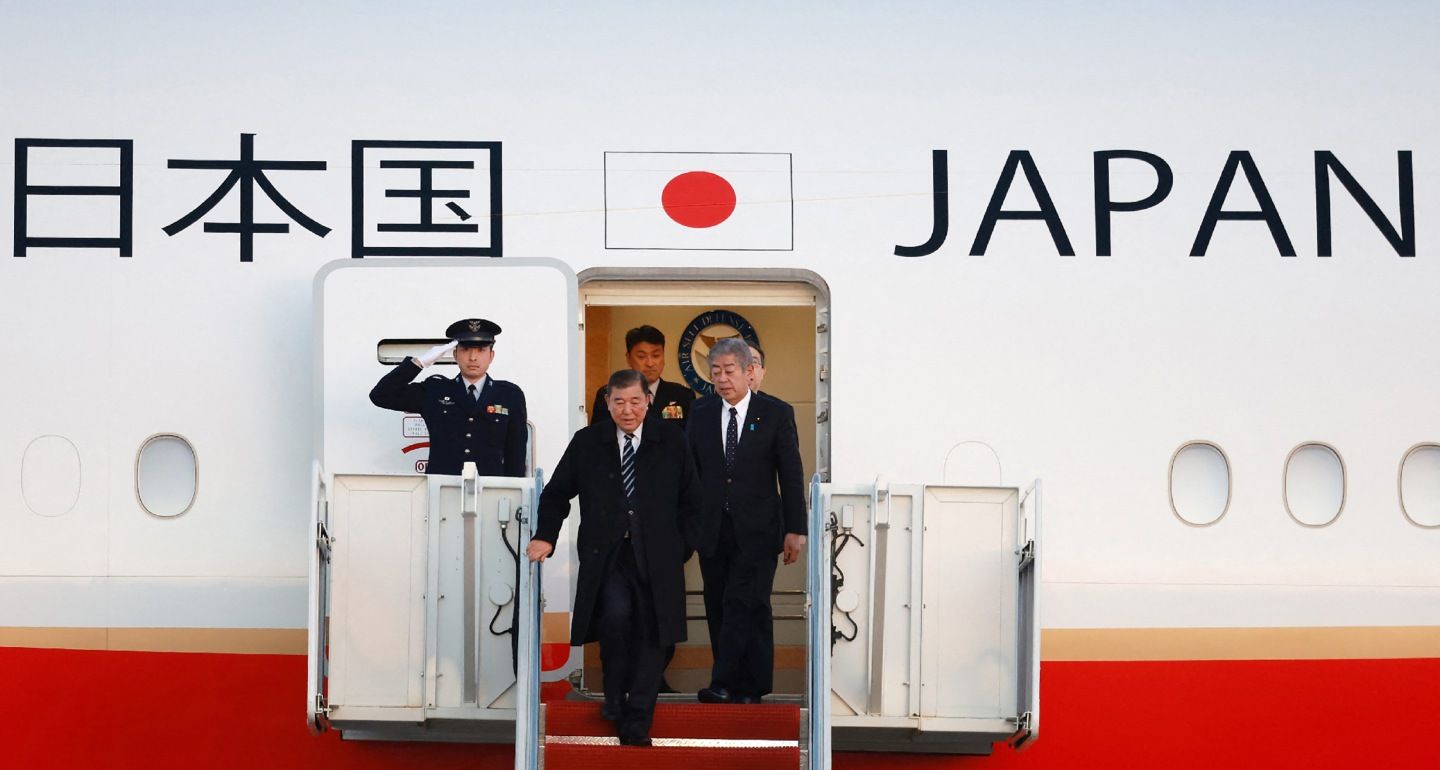
For Japan, much more so than for European countries, there is no alternative to the United States.

James D.J. Brown
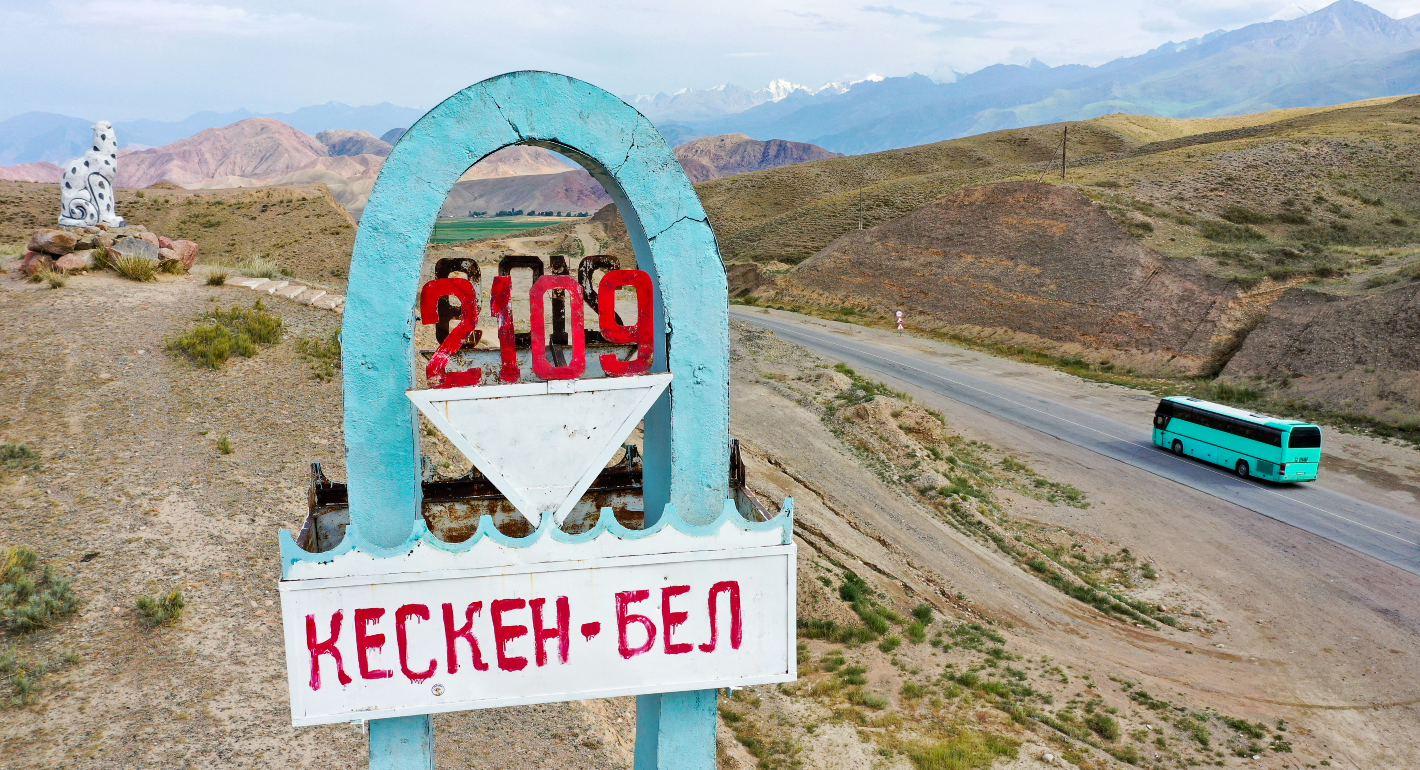
China’s relationships with Central Asian borrowers are hardly one-size-fits-all. Chinese financial players have adapted and used different models, demonstrating the country’s flexibility as a lender.

Nargiza Muratalieva
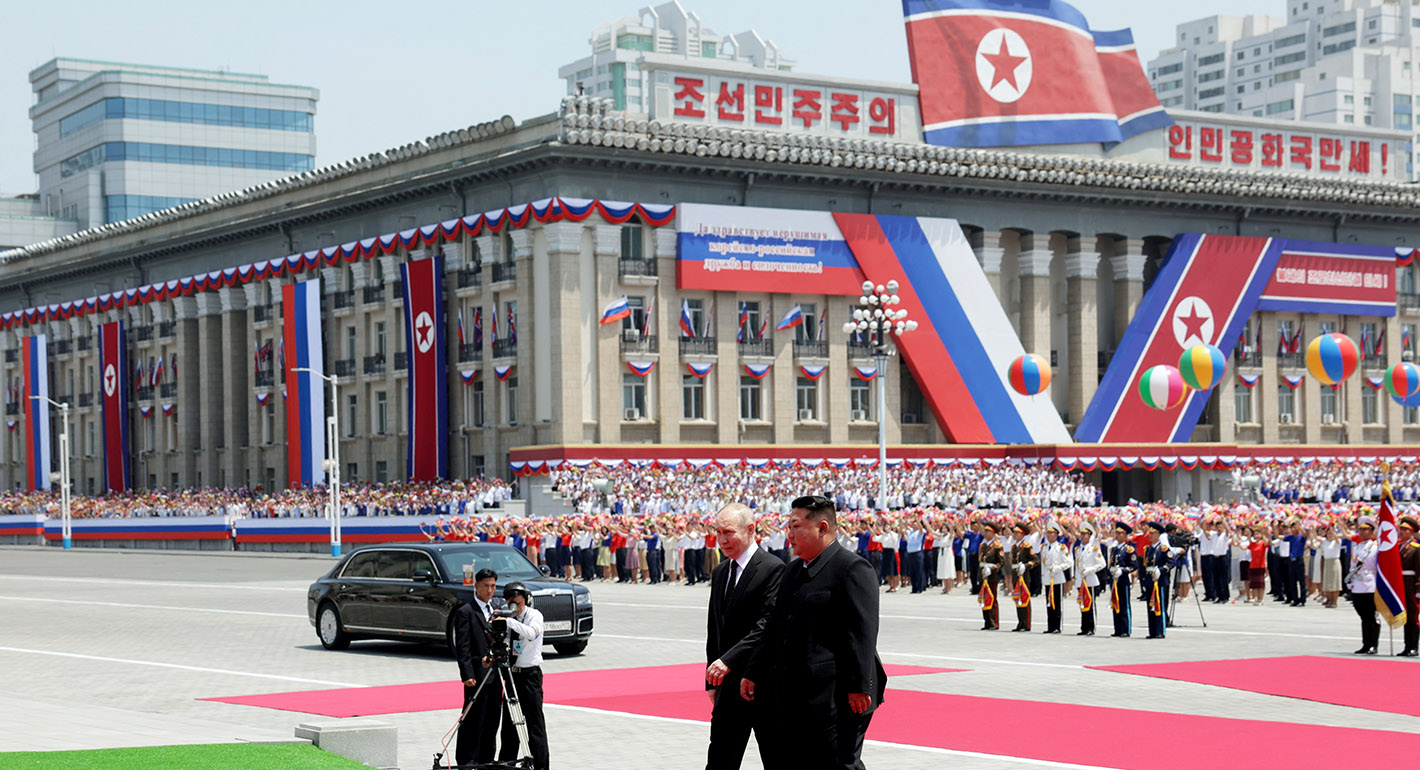
The new approach will badly damage Russia’s relations with some Asian countries, in particular South Korea, which is now likely to greenlight weapons shipments to Ukraine.

Fyodor Tertitskiy
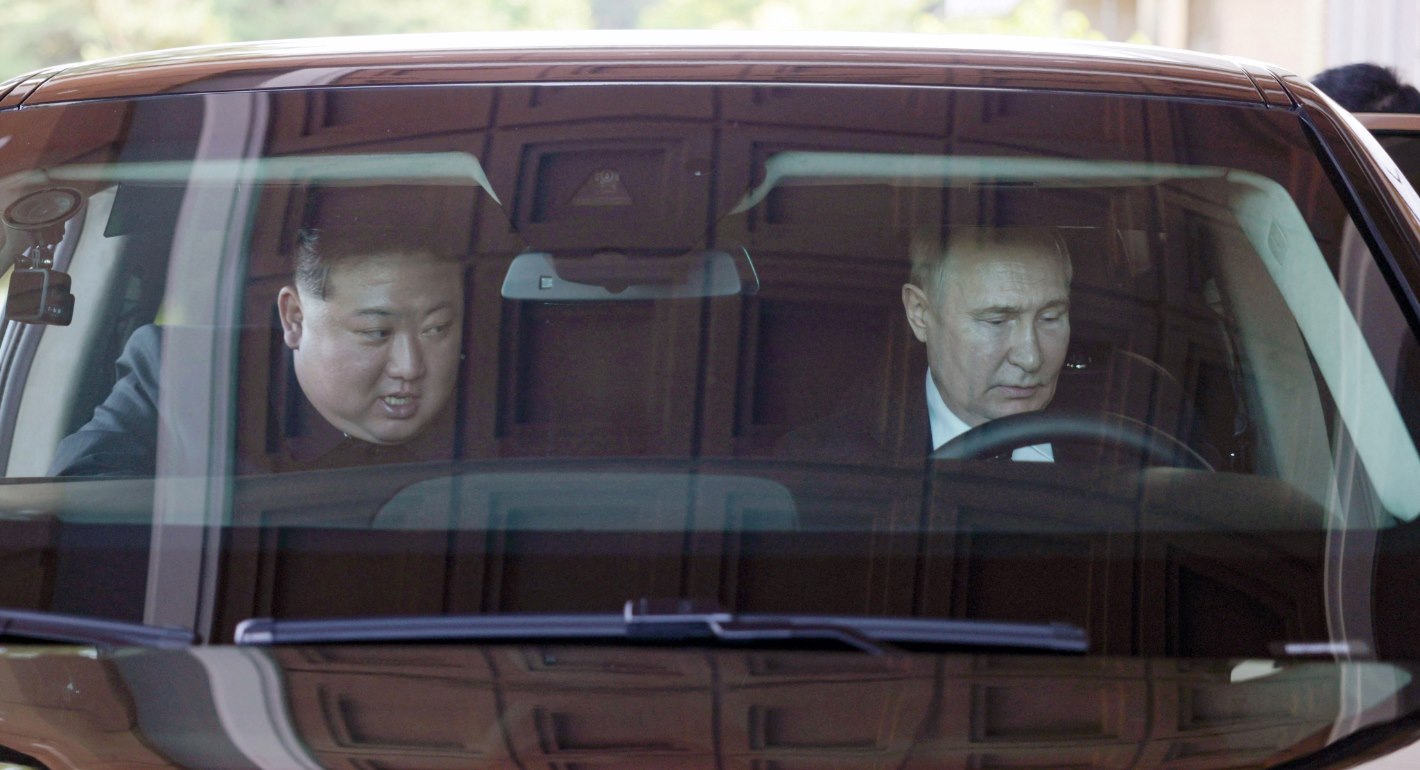
Unlike Kim Jong Un, Vladimir Putin chose to bring about his country’s international isolation himself. Modern Russia is not an inheritance, but a regime built by his own hands.

Alexander Baunov
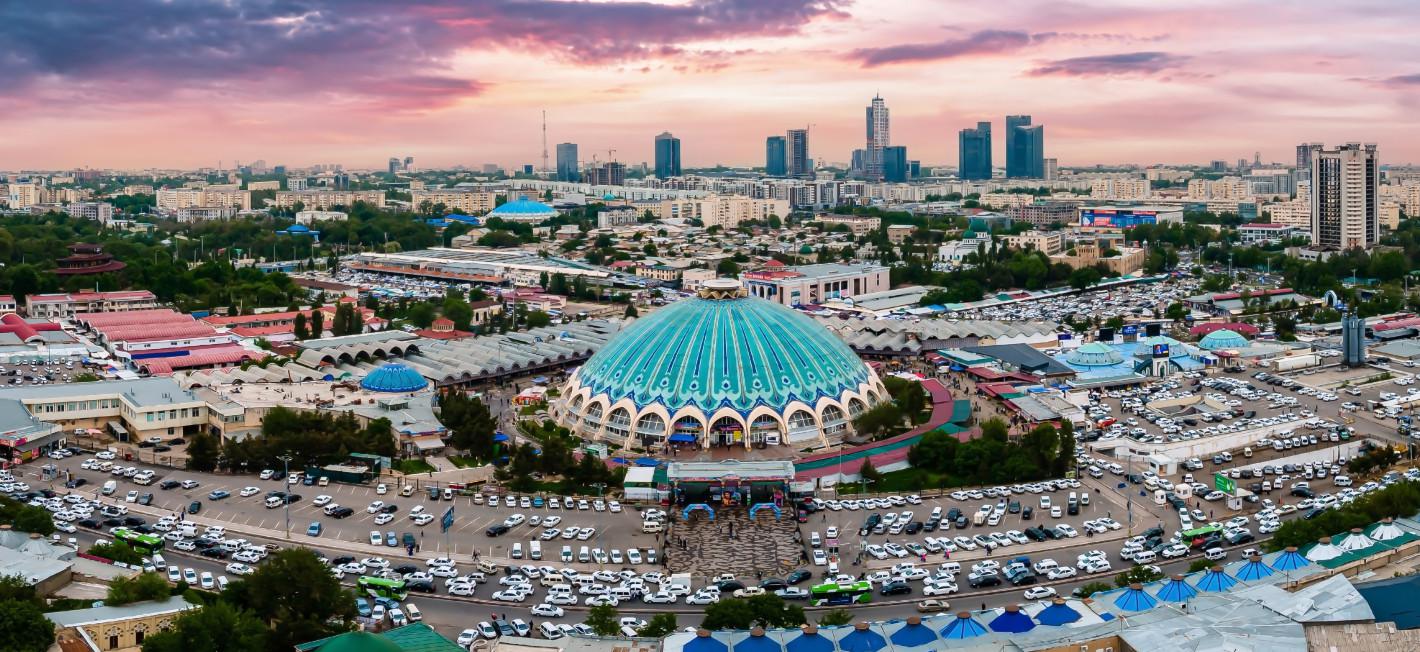
China has been investing in solar and wind energy projects in Kazakhstan and Uzbekistan, increasingly adapting its approach to the needs and regulations in each country.
Yunis Sharifli