

Commentary
Though Orban is gone, Putin can still count on some like-minded individuals in Central and Eastern Europe. However, they will seek to avoid open confrontation with EU institutions over Ukraine and their ties with Moscow.
Dimitar Bechev
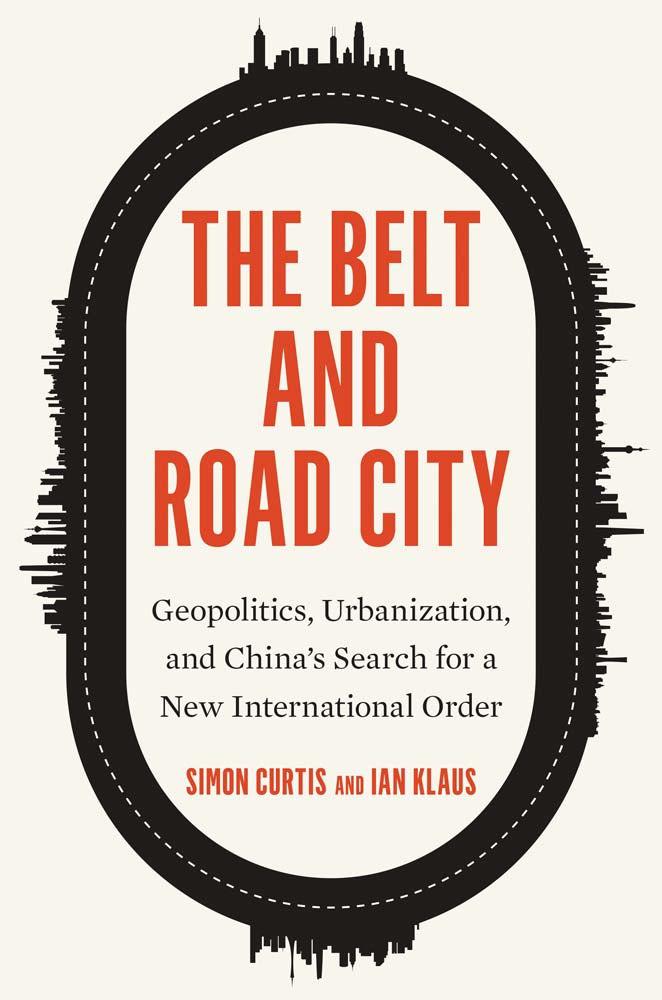
An exploration of how China’s Belt and Road Initiative seeks to reshape international order and how it has catalyzed a new era of infrastructural geopolitics.
Source: Yale University Press
An exploration of how China’s Belt and Road Initiative seeks to reshape international order and how it has catalyzed a new era of infrastructural geopolitics
Over the past decade China has put infrastructural and urban development at the heart of a strategy aimed at nothing less than the transformation of international order. The Belt and Road Initiative, which seeks to revitalize and reconnect the ancient Silk Roads that linked much of the world before the rise of the West, is an attempt to place China at the center of this new international order, one shaped by Chinese power, norms, and values. It seeks to do so, in part, by shaping our shared urban future.
Simon Curtis and Ian Klaus explore how China’s specific investments in urban development—cities, roads, railways, ports, digital and energy connectivity—are directly linked to its foreign policy goals. Curtis and Klaus examine the implications of these developments as they evolve across the vast Afro-Eurasian region.
The distinctive model of international order and urban life emerging with the rise of Chinese power and influence offers a potential rival to the one that has accompanied the rise and zenith of Western power, marking a new age of infrastructural geopolitics and Great Power competition.
“An important and invaluable resource that offers insights and detail not only about China’s Belt and Road Initiative but about the future of global geopolitics, the new world order, and the future of the city. Curtis and Klaus are crystal clear about the opportunities and challenges that lie behind these—and how crucial it is to understand what is going on in parts of the world that often receive scant attention during a time of profound change.”
—Peter Frankopan, author of The Silk Roads: A New History of the World
“The Belt and Road City is a must-read for urbanists and foreign policy specialists alike. Compellingly and with a breadth of viewpoints that literally span continents, Curtis and Klaus call on us to set aside ‘grand masterplan’ visions of the BRI, whilst not ditching the momentous impact that some of these Chinese-influenced developments have on urban lives and forms the world over.”
—Michele Acuto, University of Melbourne
“The Belt and Road City is a timely book as China’s Belt and Road Initiative (BRI) enters its second decade. By bringing theoretical insights from both international relations and urban studies to bear on the BRI, this book reveals the BRI’s infrastructural and urban impacts across Afro-Eurasia that elude much of the current scholarship. The book deserves to be read by all who want to be informed of the BRI’s powerful role in reshaping the existing international order and global urban landscape.”
—Xiangming Chen, Trinity College, Connecticut, and Fudan University, Shanghai
Simon Curtis
Simon Curtis is associate professor in international relations at the University of Surrey and senior fellow at the Chicago Council on Global Affairs.

Founding Director, Carnegie California
Ian Klaus is the founding director of Carnegie California. He is a leading scholar on the nexus of urbanization, geopolitics, and global challenges, with extensive experience as a practitioner of subnational diplomacy.
Carnegie does not take institutional positions on public policy issues; the views represented herein are those of the author(s) and do not necessarily reflect the views of Carnegie, its staff, or its trustees.
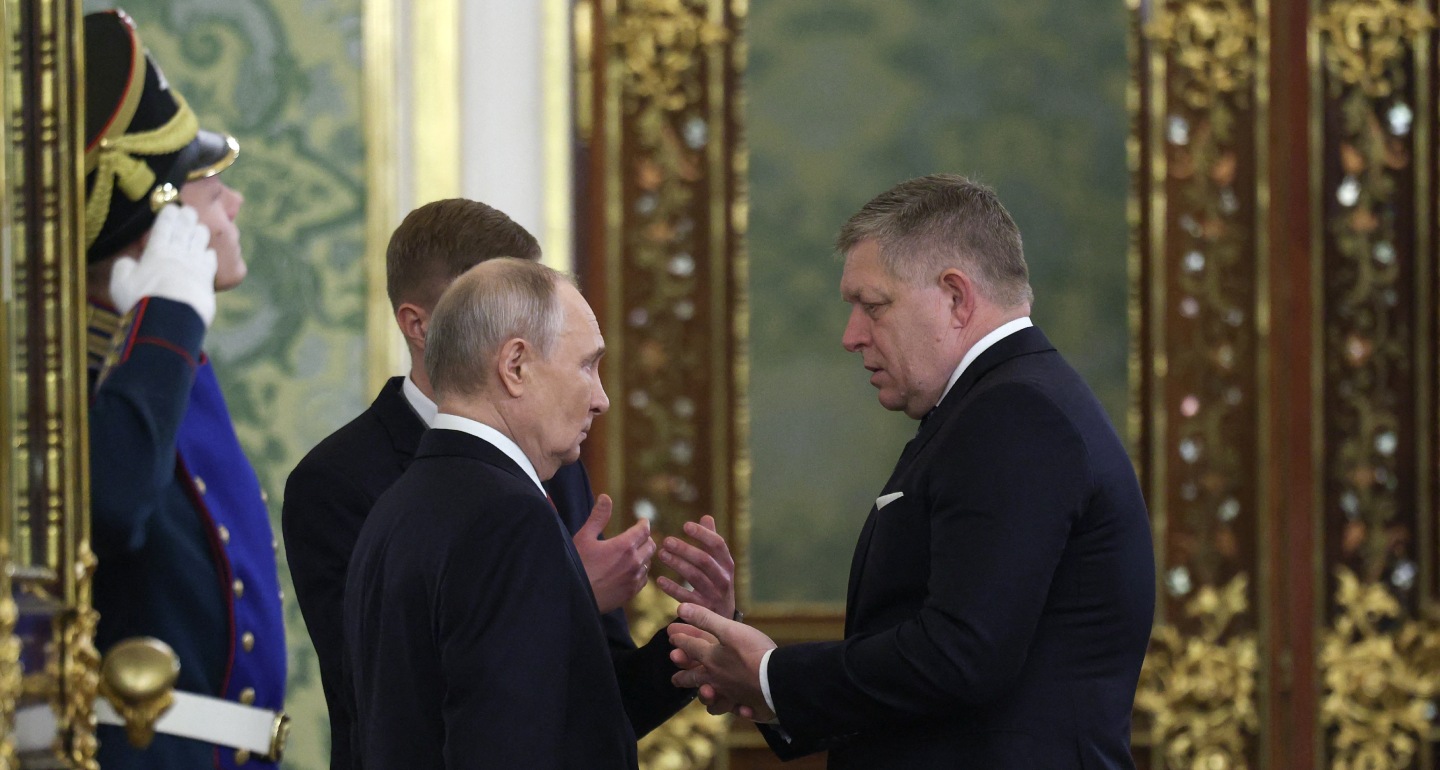
Though Orban is gone, Putin can still count on some like-minded individuals in Central and Eastern Europe. However, they will seek to avoid open confrontation with EU institutions over Ukraine and their ties with Moscow.

Dimitar Bechev

The truth is that Japan’s government is seeking a degree of reengagement but at a vastly reduced level than under Abe. Most significantly, Japan has shown no willingness to ease sanctions.

James D.J. Brown
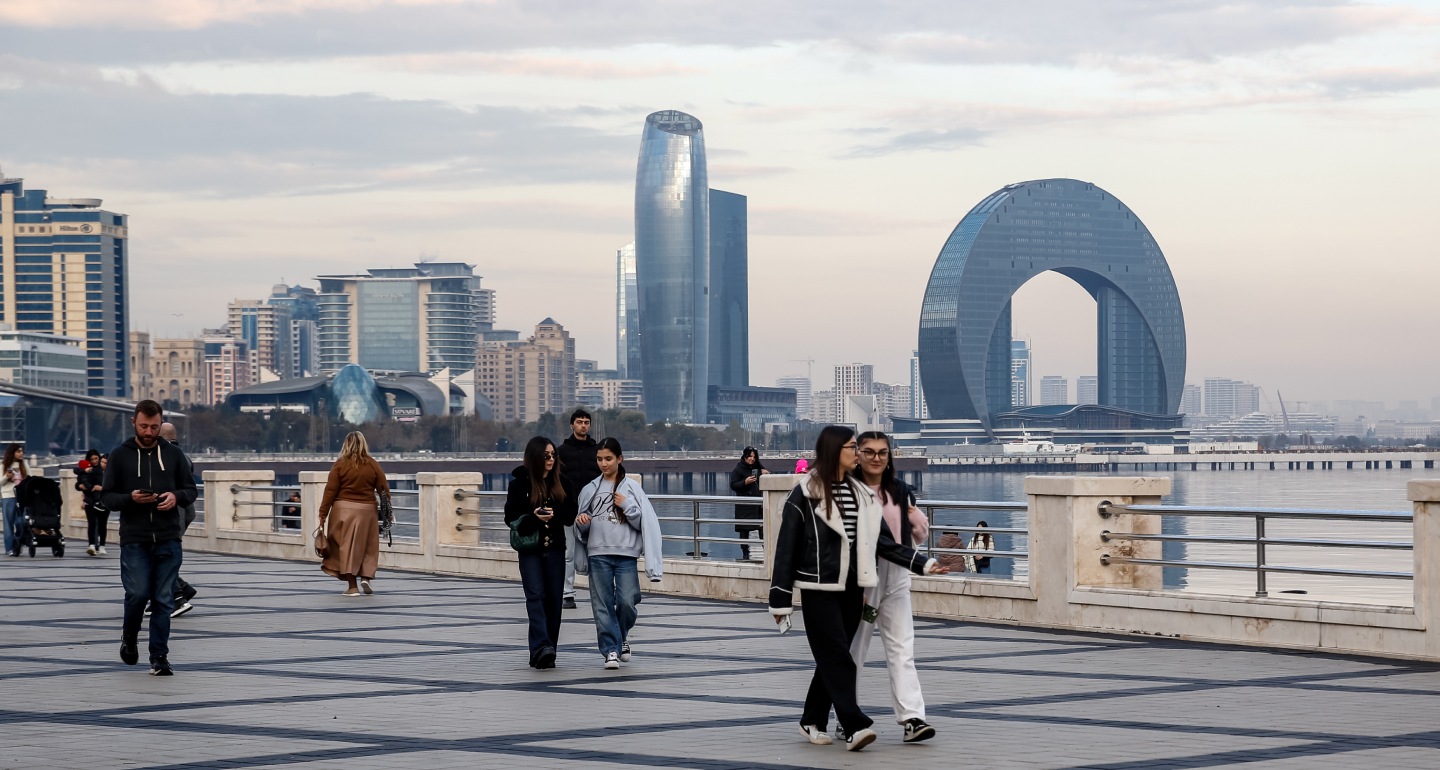
Azerbaijan’s relations with the EU appear to be going from strength to strength after several years in the deep freeze following the military escalation in Karabakh in 2023 and Azerbaijan’s bitter fallout with France and several other EU member states.

Shujaat Ahmadzada

The cost of air defense has become an unregistered tax on revenue for businesses. While military rents are consolidated in the federal budget, the costs of defense are being spread across the balance sheets of companies and regional governments.

Alexandra Prokopenko
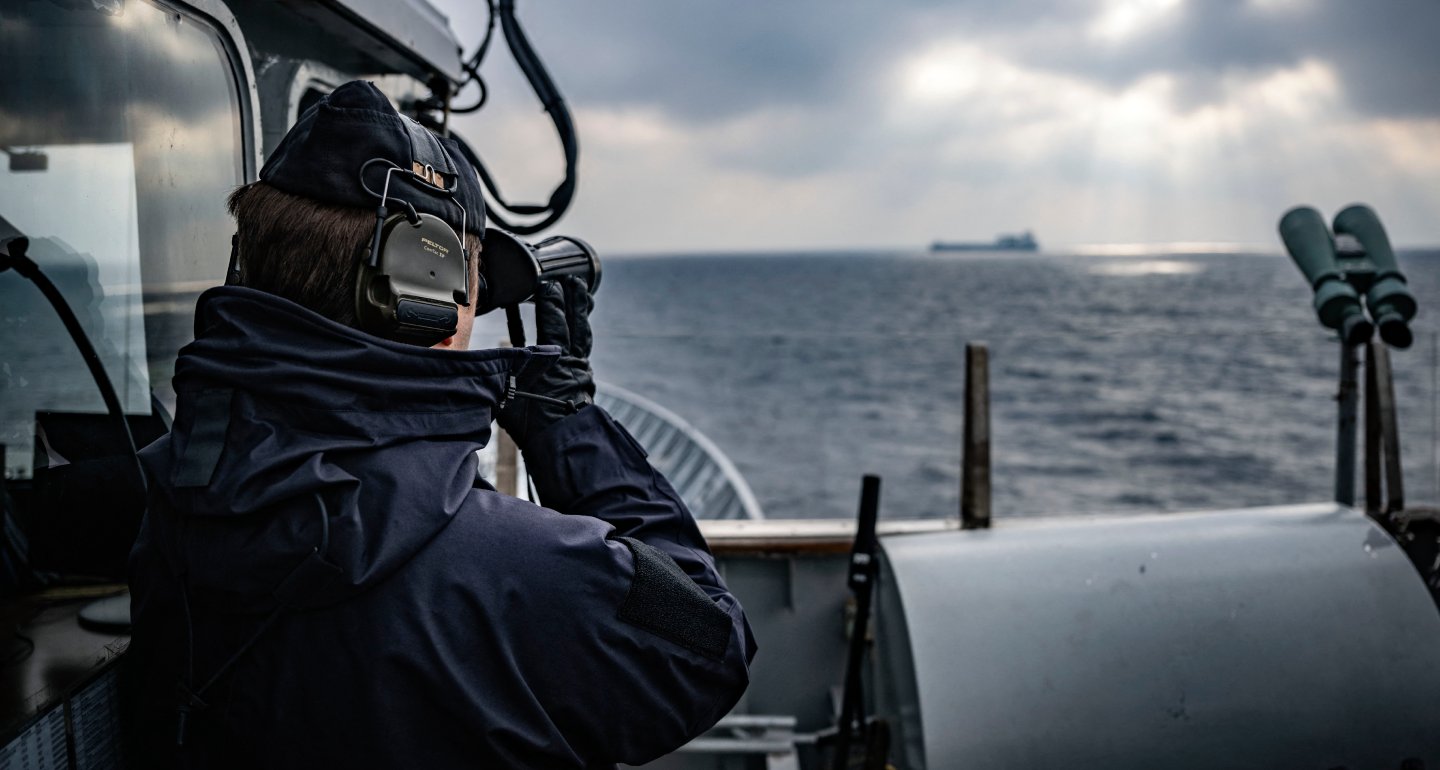
Governments in Estonia, Latvia, and Lithuania want to ensure that a U.S. military withdrawal would not leave them dangerously exposed to a Russian attack.

Sergejs Potapkins