

Commentary
For the Middle Corridor to fulfill its promises, one of these routes must become scalable. At present, neither is.
Friedrich Conradi

Ports are critical infrastructure, and are crucial to a functioning U.S. economy. Their digital dependence introduces vulnerabilities that, in the event of a cyberattack or an accident, could cripple U.S. economic activity

Senior Fellow, Asia Program
Isaac B. Kardon is a senior fellow for China studies in the Asia Program.
Timothy Varley
Tom Ewing
Daniel B
Marisa B
Lee Kim
Nicholas K
Katie L
Sara Traylor
Samuel Greene
Nick Reese
Emma Ashooh
Carnegie does not take institutional positions on public policy issues; the views represented herein are those of the author(s) and do not necessarily reflect the views of Carnegie, its staff, or its trustees.
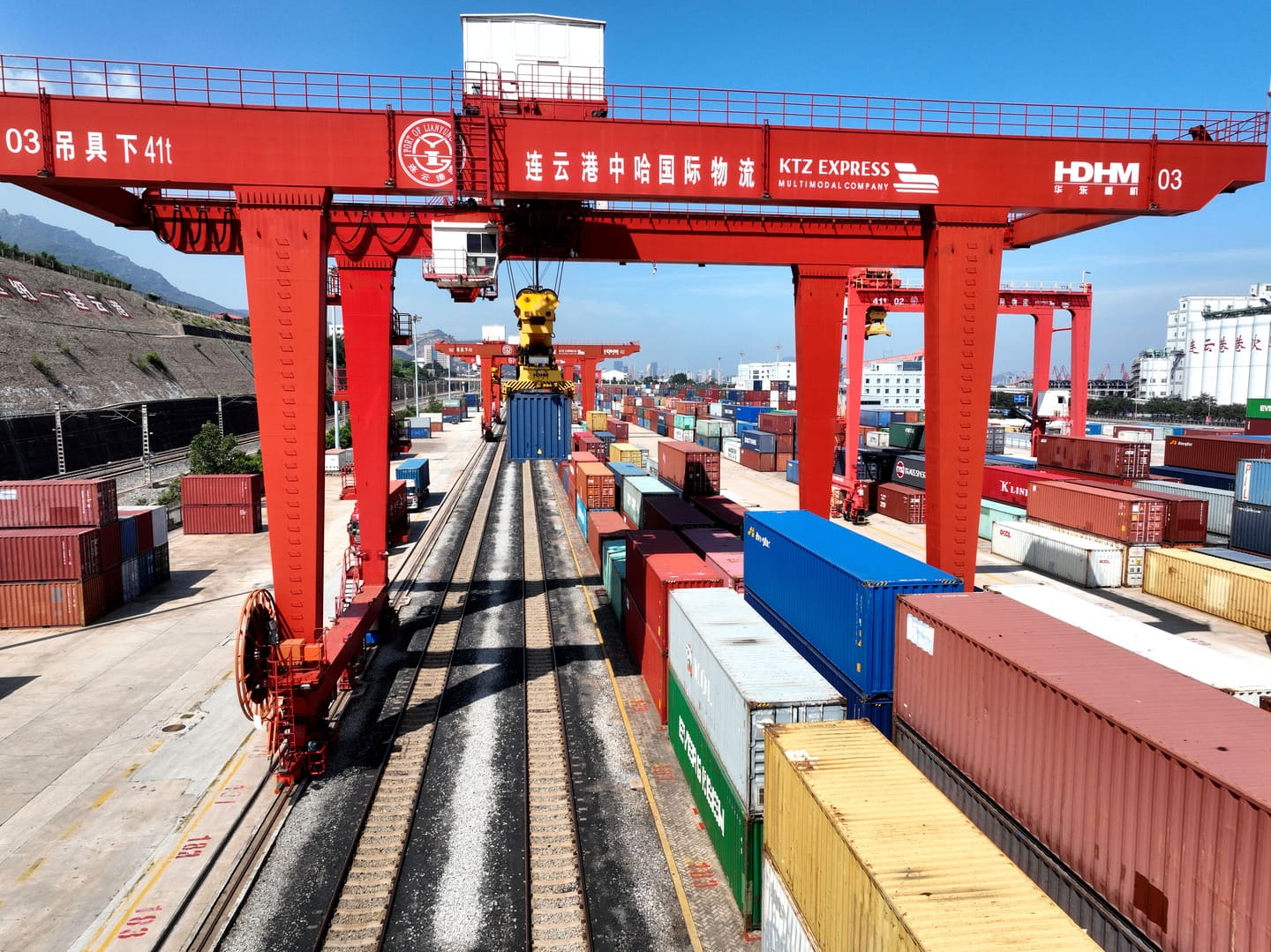
For the Middle Corridor to fulfill its promises, one of these routes must become scalable. At present, neither is.

Friedrich Conradi

For Lukashenko, abandoning Western internet services and embracing Russian equivalents would mean tying himself even closer to Moscow.

Artyom Shraibman
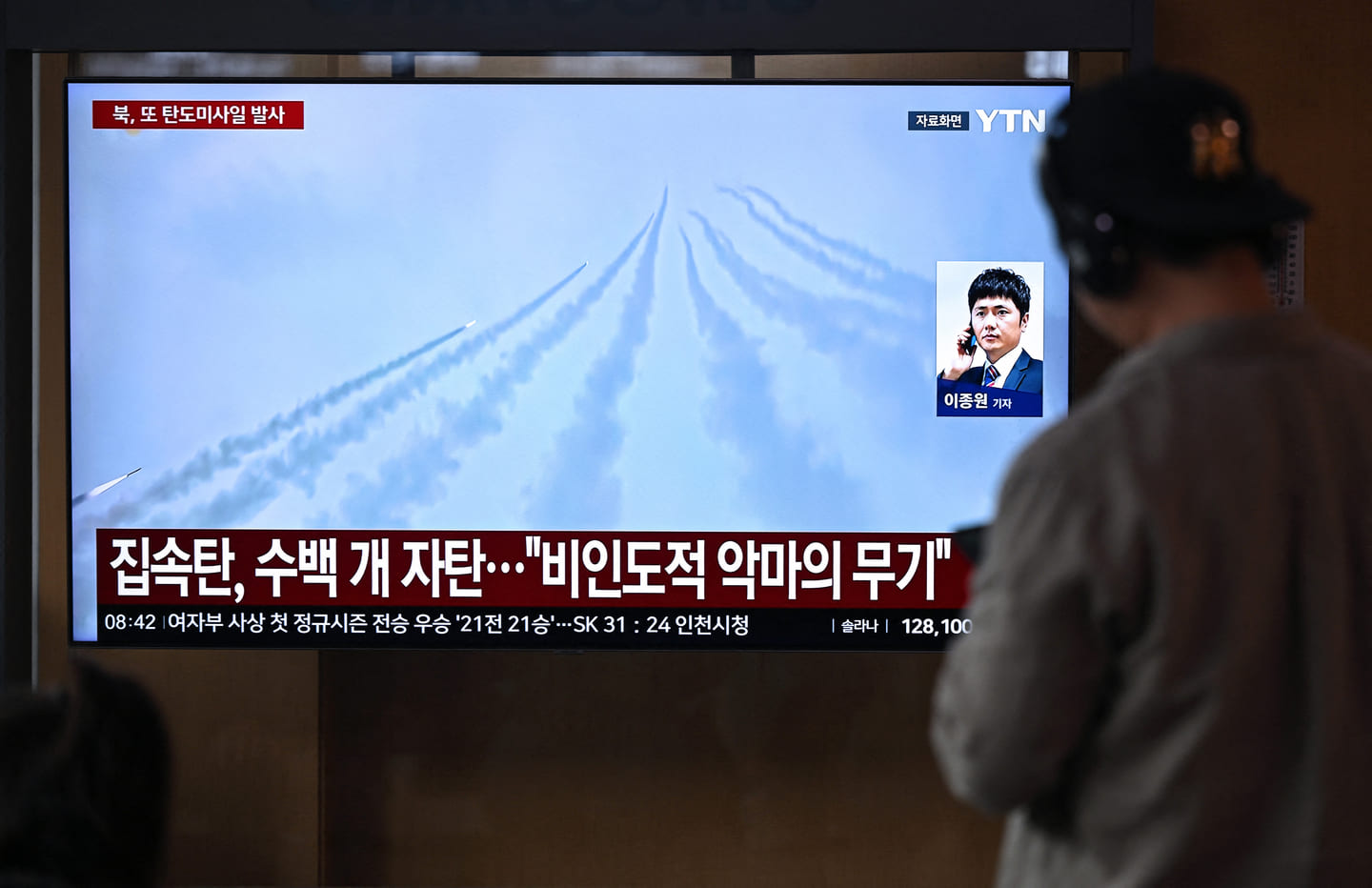
Troubled by the growing salience of nuclear debates in East Asia, Moscow has responded in its usual way: with condemnation and threats. But by exacerbating insecurity, Russia is forcing South Korea and Japan to consider radical security options.

James D.J. Brown

The Russian state has opted for complete ideological control of the internet and is prepared to bear the associated costs.

Maria Kolomychenko

Powerful lobbyists and inertia led to Russia’s coal-mining sector missing an excellent opportunity to solve its structural problems.
Alexey Gusev