

Commentary
When political power is concentrated in the hands of a small circle of people, a country invariably ends up with technological stagnation.
Aleksei Kiselev

Drawing on lessons from climate change, nuclear safety, and global health governance, this analysis examines whether and how applying the framework of a “public good” could help us better understand and address the challenges posed by advanced AI systems.
Kayla Blomquist
Oxford China Policy Lab, Oxford Martin AI Governance Initiative
Elisabeth Siegel
Oxford China Policy Lab, Oxford Martin AI Governance Initiative
Ben Harack
Oxford Martin AI Governance Initiative
Kwan Yee Ng
Kwan Yee Ng is a Senior Program Manager at Concordia AI, a Beijing-based social enterprise focused on AI safety and governance. She was also one of the writers for the International Scientific Report on Advanced AI Safety.
Tom David
General-Purpose AI Policy Lab
Brian Tse
Concordia AI
Charles Martinet
Charles Martinet is a Research Affiliate at the Oxford Martin AI Governance Initiative and a Summer Fellow at the Centre for the Governance of AI. His work aims to deliver research-based and operational policy advice for the international and European governance of advanced AI.

Senior Fellow, Asia Program, and Co-Director, China AI Initiative
Matt Sheehan is a senior fellow at the Carnegie Endowment for International Peace, where his research focuses on global technology issues, with a specialization in China’s artificial intelligence ecosystem. He is also co-director for the China AI Initiative.

Fellow, Technology and International Affairs, and Co-Director, China AI Initiative
Scott Singer is a fellow and co-director of the China AI Initiative at the Carnegie Endowment for International Peace, where his work explores the geopolitics, governance, and safety of advanced AI systems. He specializes in China’s AI ecosystem and the implications of Chinese AI development and policymaking for U.S.-China relations and international security.
Imane Bello
Future of Life Institute
Zakariyau Yusuf
Tech Governance Project
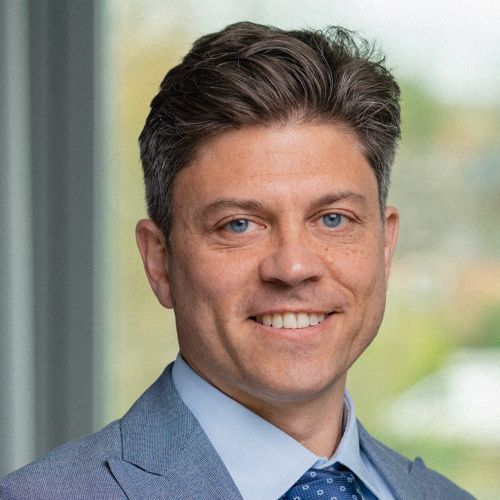
Robert F. Trager
Robert F. Trager is Co-Director of the Oxford Martin AI Governance Initiative, International Governance Lead at the Centre for the Governance of AI, and Senior Research Fellow at the Blavatnik School of Government at the University of Oxford. He is a recognized expert in the international governance of emerging technologies and regularly advises government and industry leaders on these topics.
Fadi Salem
Policy Research Department, Mohammed bin Rashid School of Government
Seán Ó hÉigeartaigh
Seán Ó hÉigeartaigh is Director of the AI: Futures and Responsibility Programme at the University of Cambridge. His work focuses on foresight, risk and governance relating to advanced AI systems.
Jing Zhao
School of Public Policy and Management, Tsinghua University
Kai Jia
School of International and Public Affairs, Shanghai Jiao Tong University
Carnegie does not take institutional positions on public policy issues; the views represented herein are those of the author(s) and do not necessarily reflect the views of Carnegie, its staff, or its trustees.

When political power is concentrated in the hands of a small circle of people, a country invariably ends up with technological stagnation.
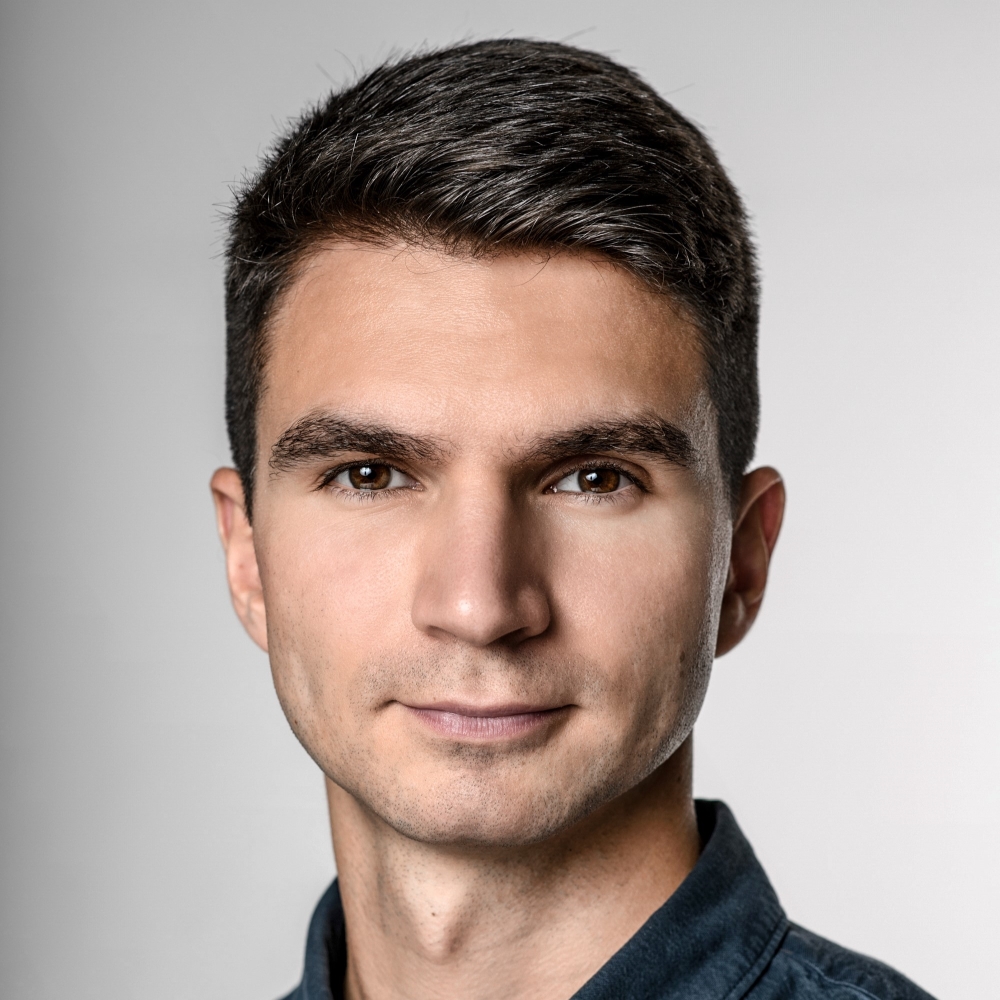
Aleksei Kiselev

With its scattershot approach to enforcing internet censorship, the Russian regime risks losing a battle against the many Russians who have learned to evade online restrictions.

Maria Kolomychenko

A much-discussed disagreement over internet restrictions in Russia was never an existential threat for Putin: It was about elite groups protecting their interests.

Alexandra Prokopenko

For Lukashenko, abandoning Western internet services and embracing Russian equivalents would mean tying himself even closer to Moscow.

Artyom Shraibman

The Russian state has opted for complete ideological control of the internet and is prepared to bear the associated costs.
Maria Kolomychenko