

Commentary
With the White House only interested in economic dealmaking, Georgia finds itself eclipsed by what Armenia and Azerbaijan can offer.
Bashir Kitachaev

Multilateralism possesses core, non-instrumental values—namely, a spirit of collectivity, inclusivity over exclusivity, and negotiated governance—that distinguish it from other forms of international cooperation.
Nonresident Scholar, Global Order and Institutions Program
Federica D’Alessandra is a nonresident scholar with the Global Order and Institutions Program at the Carnegie Endowment for International Peace.
Ross Gildea
Carnegie does not take institutional positions on public policy issues; the views represented herein are those of the author(s) and do not necessarily reflect the views of Carnegie, its staff, or its trustees.
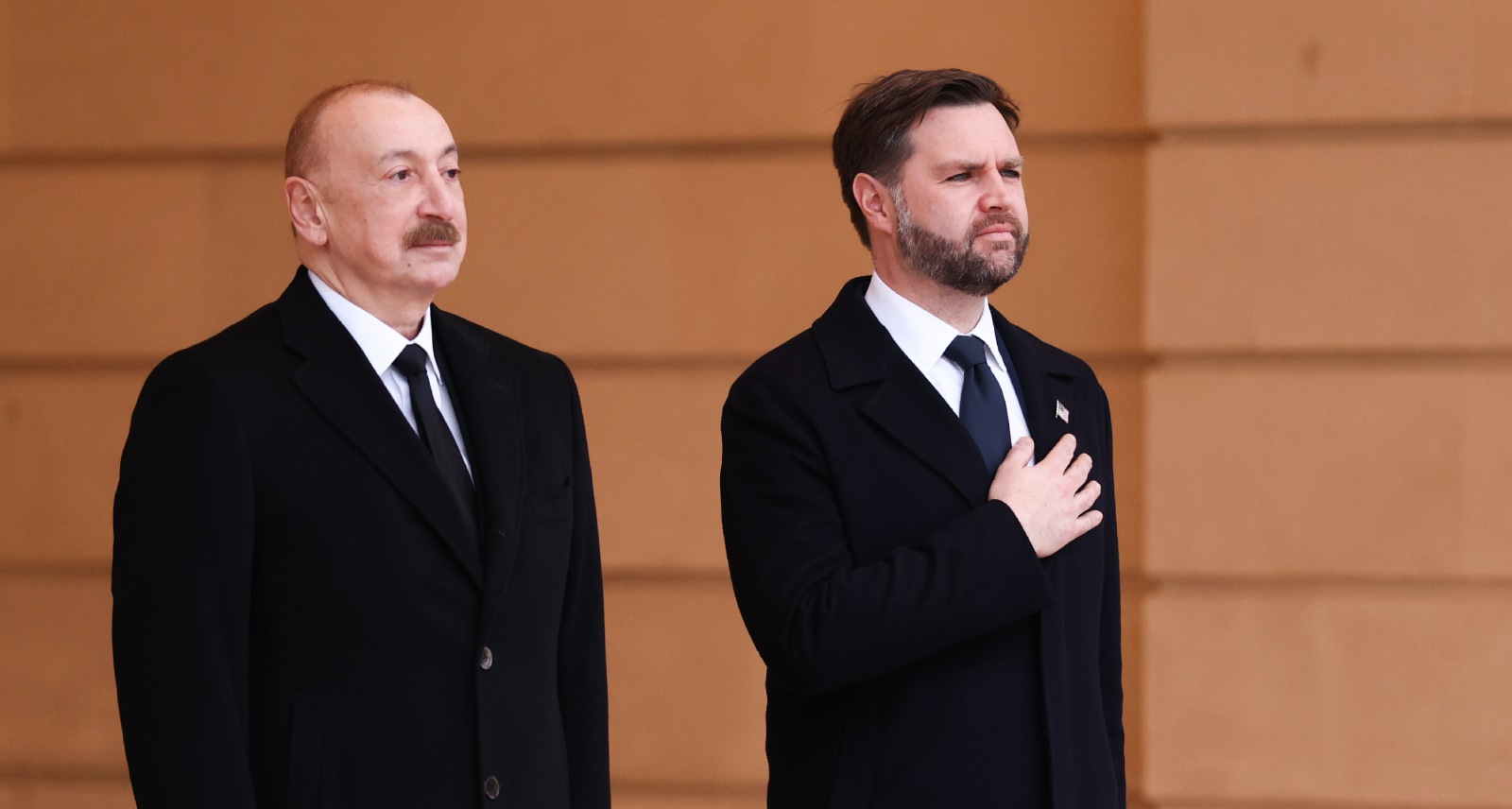
With the White House only interested in economic dealmaking, Georgia finds itself eclipsed by what Armenia and Azerbaijan can offer.

Bashir Kitachaev
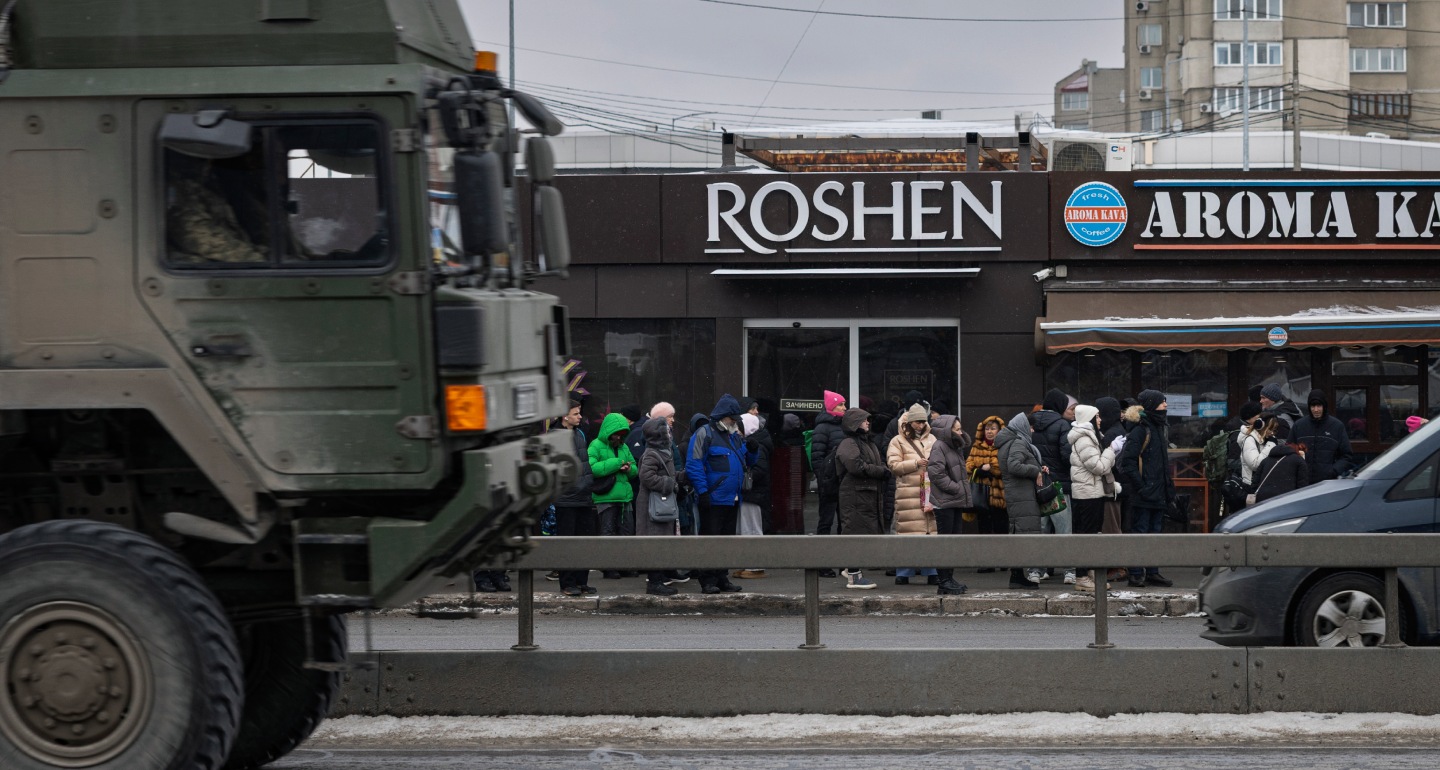
Putin is stalling, waiting for a breakthrough on the front lines or a grand bargain in which Trump will give him something more than Ukraine in exchange for concessions on Ukraine. And if that doesn’t happen, the conflict could be expanded beyond Ukraine.

Alexander Baunov
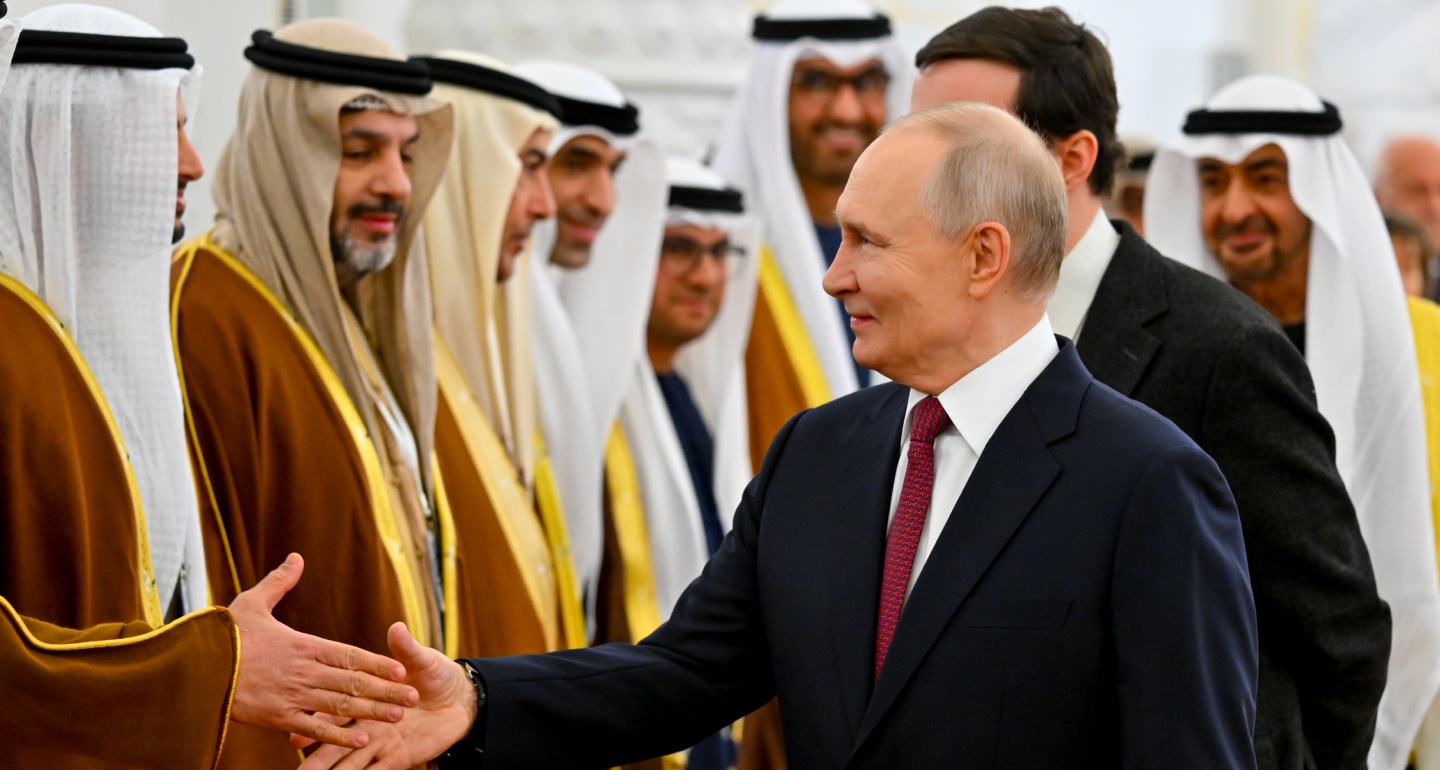
Disillusioned with the West over Gaza, Arab countries are not only trading more with Russia; they are also more willing to criticize Kyiv.

Ruslan Suleymanov

The main source of Russian aggression is a profound mistrust of the West and the firm belief that it intends to inflict a “strategic defeat” on Russia. As long as this fear persists, the war will not end.

Tatiana Stanovaya
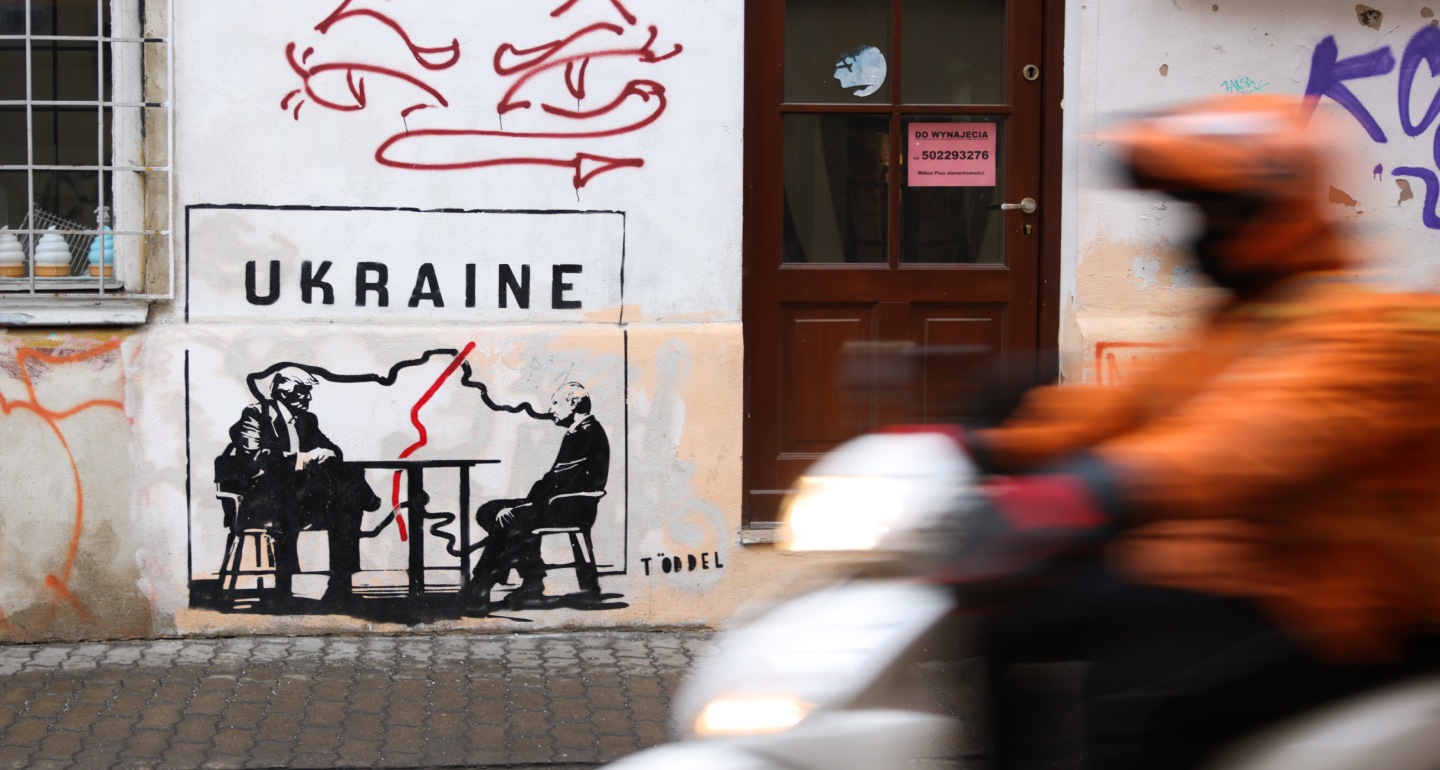
Insisting on Zelensky’s resignation is not just a personal vendetta, but a clear signal that the Kremlin would like to send to all its neighbors: even if you manage to put up some resistance, you will ultimately pay the price—including on a personal level.

Vladislav Gorin