

Q&A
Milo McBride

Across the United States and Canada, efforts to onshore battery metal production face risks in a new policy, trade, and market environment.

Fellow, Sustainability, Climate, and Geopolitics Program
Milo McBride is a fellow in the Sustainability, Climate, and Geopolitics Program at the Carnegie Endowment for International Peace.
Recent Work

Daevan Mangalmurti, Debbra Goh, Milo McBride
Carnegie does not take institutional positions on public policy issues; the views represented herein are those of the author(s) and do not necessarily reflect the views of Carnegie, its staff, or its trustees.

When faced with fuel shortages in the past, Central Asian governments could always count on additional supplies from Moscow. That safety net no longer exists.

Galiya Ibragimova
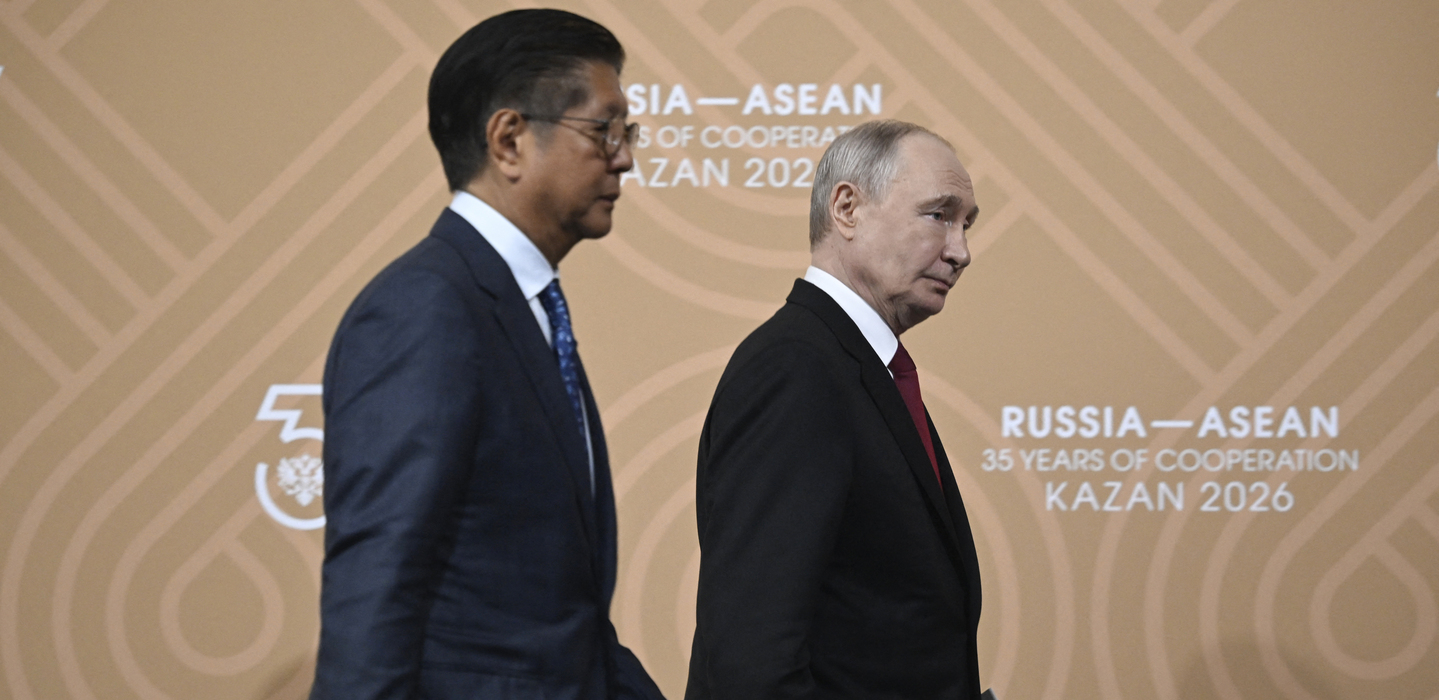
Russia looks set to reap economic benefits from closer ties with Southeast Asian countries that are keen to find reliable energy suppliers and diversify trade ties.

Alexander Gabuev

Ongoing uncertainty in the Middle East allows Moscow to both increase its influence in Tehran and continue to enjoy the financial windfall of higher oil prices.

Nikita Smagin
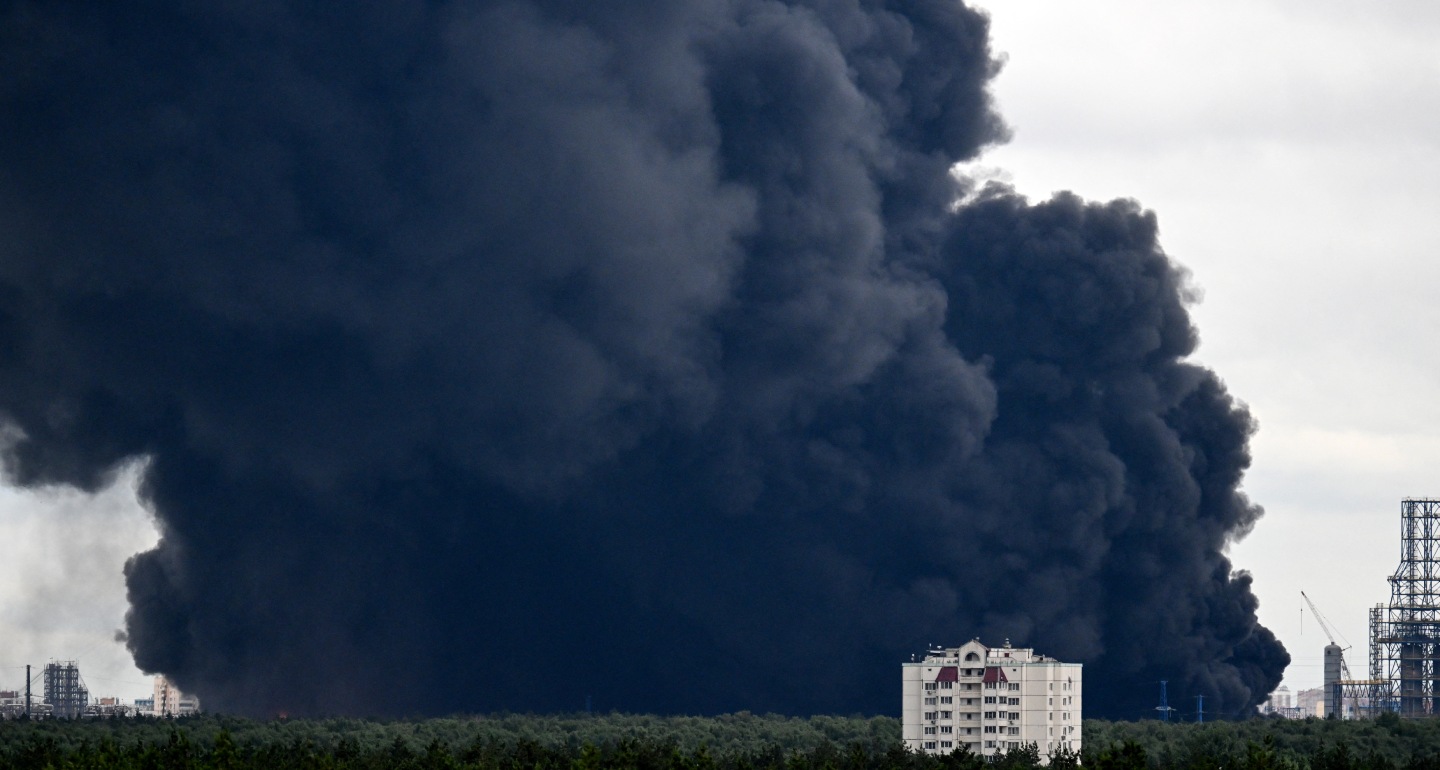
If it proves impossible for the Russian authorities to avoid a gasoline deficit, the question then becomes how they will organize the distribution of a scarce resource.

Sergey Vakulenko

This year’s wars have made alternative routes to transit through Russia no less risky for Central Asian countries.
Galiya Ibragimova