

Commentary
With its scattershot approach to enforcing internet censorship, the Russian regime risks losing a battle against the many Russians who have learned to evade online restrictions.
Maria Kolomychenko

Effectively steering outcomes for and through AI will require thoughtful, evidence-based policy development. Though it may seem self-evident that evidence should inform policy, this is far from inevitable in the inherently messy policy process.
Rishi Bommasani
Sanjeev Arora
Jennifer Chayes
Yejin Choi
Distinguished Fellow
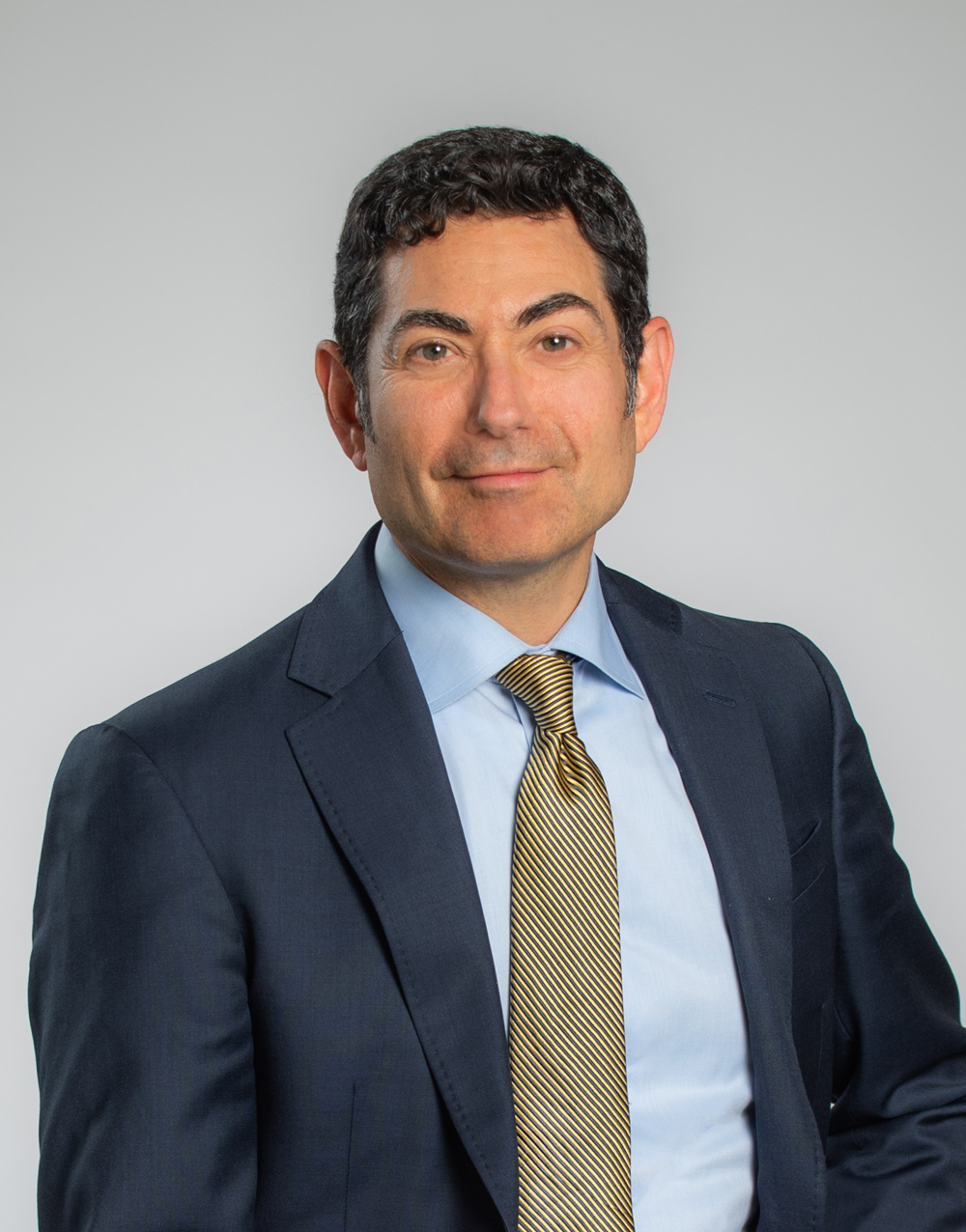
Mariano-Florentino (Tino) Cuéllar is a distinguished fellow at the Carnegie Endowment for International Peace. He was previously the tenth president of the Carnegie Endowment for International Peace. A former justice of the Supreme Court of California, he has served three U.S. presidential administrations at the White House and in federal agencies, and was the Stanley Morrison Professor at Stanford University, where he held appointments in law, political science, and international affairs and led the university’s Freeman Spogli Institute for International Studies.
Li Fei-Fei
Daniel E. Ho
Dan Jurafsky
Sanmi Koyejo
Hima Lakkaraju
Arvind Narayanan
Alondra Nelson
Emma Pierson
Joelle Pineau

Fellow, Technology and International Affairs
Scott Singer is a fellow in the Technology and International Affairs Program at the Carnegie Endowment for International Peace, where he works on global AI development and governance with a focus on China.
Gaël Varoquaux
Suresh Venkatasubramanian

Ion Stoica
Professor in the EECS Department at the University of California at Berkeley and the Director of Sky Computing Lab
Ion Stoica is a professor in the EECS Department at the University of California at Berkeley, and the Director of Sky Computing Lab. He is currently doing research on cloud computing and AI systems. Current and past work includes ChatBot Arena, vLLM, Ray, Apache Spark, Apache Mesos, Tachyon, Chord DHT, and Dynamic Packet State (DPS). He is a Member of NAE, an Honorary Member of the Romanian Academy, an ACM Fellow and has received numerous awards, including the Mark Weiser Award (2019), SIGOPS Hall of Fame Award (2015), and several "Test of Time" awards. He also co-founded three companies, Anyscale (2019), Databricks (2013) and Conviva (2006).
Percy Liang
Dawn Song
Carnegie does not take institutional positions on public policy issues; the views represented herein are those of the author(s) and do not necessarily reflect the views of Carnegie, its staff, or its trustees.

With its scattershot approach to enforcing internet censorship, the Russian regime risks losing a battle against the many Russians who have learned to evade online restrictions.

Maria Kolomychenko

A much-discussed disagreement over internet restrictions in Russia was never an existential threat for Putin: It was about elite groups protecting their interests.

Alexandra Prokopenko

For Lukashenko, abandoning Western internet services and embracing Russian equivalents would mean tying himself even closer to Moscow.

Artyom Shraibman

The Russian state has opted for complete ideological control of the internet and is prepared to bear the associated costs.
Maria Kolomychenko

Despite having the resources and expertise, the Russian space industry missed the opportunity to offer the United States or China a mutually rewarding partnership in the lunar race.
Georgy Trishkin