

Commentary
Russia’s AI-driven propaganda campaigns operate in a fragmented, chaotic, and often illogical manner. That’s not necessarily a problem for the Kremlin, though: It’s much easier to mimic genuine public debate that way.
Ilya Klishin

The second International AI Safety Report is the next iteration of the comprehensive review of latest scientific research on the capabilities and risks of general-purpose AI systems. It represents the largest global collaboration on AI safety to date.

Fellow, Technology and International Affairs, and Co-Director, China AI Initiative
Scott Singer is a fellow and co-director of the China AI Initiative at the Carnegie Endowment for International Peace, where his work explores the geopolitics and governance of advanced AI systems. He specializes in China’s AI ecosystem, with a particular focus on U.S.-China AI dialogue and diplomacy, U.S. and Chinese approaches to AI strategy, and comparative approaches to AI safety and risk management.

Fellow, Africa Program
Jane Munga is a fellow in the Africa Program focusing on technology policy at the Carnegie Endowment for International Peace.
Carnegie does not take institutional positions on public policy issues; the views represented herein are those of the author(s) and do not necessarily reflect the views of Carnegie, its staff, or its trustees.

Russia’s AI-driven propaganda campaigns operate in a fragmented, chaotic, and often illogical manner. That’s not necessarily a problem for the Kremlin, though: It’s much easier to mimic genuine public debate that way.

Ilya Klishin
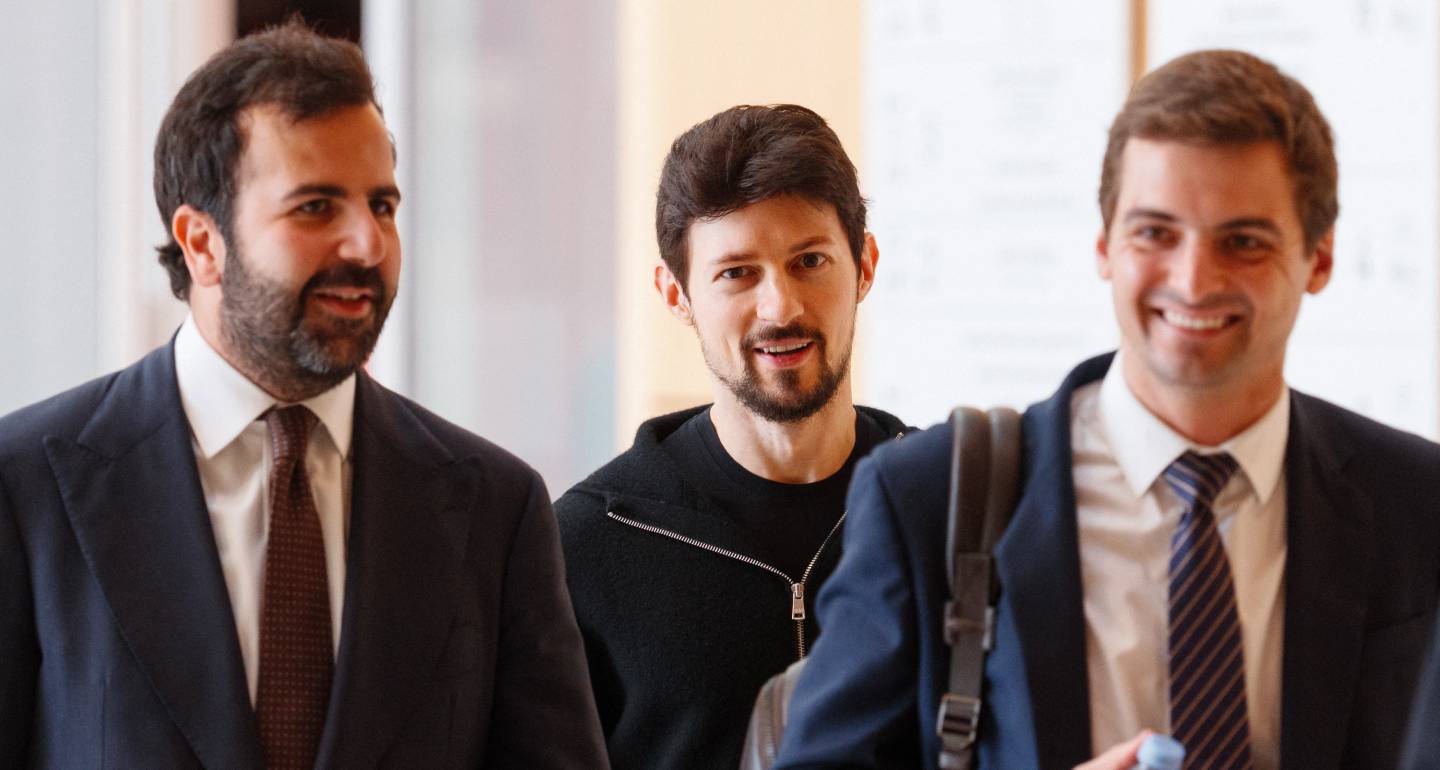
While France and Australia are seeking to establish the legal obligations of messaging apps like Telegram, Russia wants total subordination.

Maria Kolomychenko

The war in Ukraine and a change in ownership led VK to neglect its commercial ventures in favor of implementing the Kremlin’s online agenda. Now it’s been sanctioned by the EU.
Maria Kolomychenko

When political power is concentrated in the hands of a small circle of people, a country invariably ends up with technological stagnation.
Aleksei Kiselev

With its scattershot approach to enforcing internet censorship, the Russian regime risks losing a battle against the many Russians who have learned to evade online restrictions.
Maria Kolomychenko