

Commentary
Amal Saad-Ghorayeb
{
  "authors": [
    "Amal Saad-Ghorayeb"
  ],
  "type": "other",
  "centerAffiliationAll": "dc",
  "centers": [
    "Carnegie Endowment for International Peace",
    "Malcolm H. Kerr Carnegie Middle East Center"
  ],
  "collections": [],
  "englishNewsletterAll": "menaTransitions",
  "nonEnglishNewsletterAll": "",
  "primaryCenter": "Malcolm H. Kerr Carnegie Middle East Center",
  "programAffiliation": "MEP",
  "programs": [
    "Middle East"
  ],
  "projects": [],
  "regions": [
    "Middle East",
    "Iran",
    "Israel",
    "Lebanon"
  ],
  "topics": [
    "Political Reform"
  ]
}
REQUIRED IMAGE
Saad-Ghorayeb, a Lebanese political analyst writing from Beirut, draws on interviews she carried out with Hizbollah officials both before and after the outbreak of fighting in mid-July to provide vital insights into the causes and consequences of the war with Israel.
Source: Carnegie Endowment
To read this Policy Outlook in Arabic, please visit Carnegie's Arabic portal.
Part One: Motives, Strategy and Objectives
As the international community scrambles to resolve the current crisis in Lebanon, the motives and objectives of Hizbollah and Israel remain unclear. How did the conflict escalate so quickly? What do both parties hope to gain? With diplomatic efforts to achieve a resolution of the fighting between Israel and Hizbollah in a critical phase, understanding Hizbollah’s outlook and intentions is crucial.
In a new Policy Outlook, Hizbollah’s Outlook in the Current Conflict (Part One): Motives, Strategy, and Objectives, Amal Saad-Ghorayeb provides vital insights. Saad-Ghorayeb, a Lebanese political analyst writing from Beirut, draws on interviews she carried out with Hizbollah officials both before and after the outbreak of fighting in mid-July.
Some of the author’s main findings are:
• Hizbollah’s July 12 attack on an Israeli convoy was intended to provoke a prisoner exchange; it was not an Iranian-directed effort to trigger a wider conflict.
• Although prepared for it, Hizbollah did not expect a massive Israeli counter-strike.
• Hizbollah perceives Washington as the engineer of Israel’s current offensive and now views itself as in direct confrontation with the overall U.S. agenda for the region.
• Hizbollah aims to compromise the perception of Israeli military supremacy in the region, with the hope of undermining the stability of Israel itself.
This is a web-only publication.
Click on the link above for the full text of this Carnegie publication.
Part Two: Accommodating Diplomacy and Preparing for the Post-War Context
The adoption of UN Resolution 1701 represents to many Lebanese citizens the possibility of a return to normal life, but doubts abound about the possibility of a lasting peace. Israeli forces remain in Lebanon for now but Hizbollah is unwilling to tolerate their presence and has yet shown no signs of willingness to disarm. What is the likelihood Hizbollah will disarm as the peace process unfolds? What is Hizbollah’s post-conflict agenda? How will the outcome of this war change Hizbollah, domestically and internationally?
A second Carnegie Policy Outlook by Lebanese researcher Amal Saad-Ghorayeb writing from Beirut, Hizbollah’s Outlook in the Current Conflict (Part Two): Accommodating Diplomacy and Preparing for the Post-War Context, offers answers to these questions.
Some of the author’s main findings are:
• Prospects for the cessation of hostilities are very poor during the period immediately ahead; until UN peacekeepers and Lebanese army forces arrive, Israel and Hizbollah will still be face to face.
• The postponement of yesterday’s special Lebanese cabinet meeting over the issue of Hizbollah’s disarmament is a troubling sign of potential future conflict.
• Hizbollah’s view of itself as the winner against the Israeli Defense Forces has only hardened its position concerning disarmament. If the Lebanese government pushes too hard for Hizbollah’s disarmament, the result could be the collapse of the government or worse, civil conflict.
This is a web-only publication.
Click on the link above for the full text of this Carnegie publication.
About the Author
Amal Saad-Ghorayeb is an assistant professor at the Lebanese American University. She is author of Hizbullah: Politics and Religion (Pluto Press, 2002). She lives in Beirut.

Former Visiting Scholar
Recent Work
Amal Saad-Ghorayeb
Amal Saad-Ghorayeb
Carnegie does not take institutional positions on public policy issues; the views represented herein are those of the author(s) and do not necessarily reflect the views of Carnegie, its staff, or its trustees.
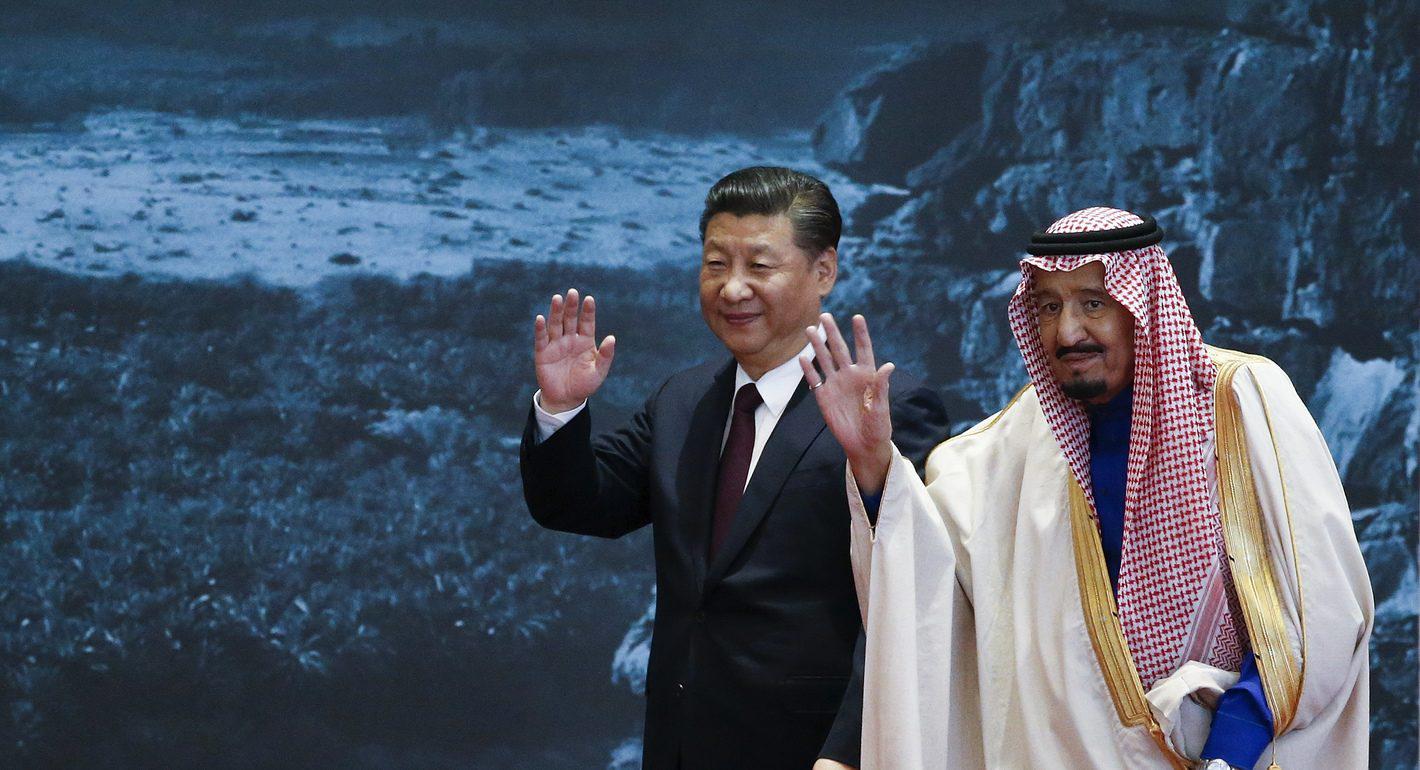
The advantage that China has over other global powers, especially America, is that its foreign policy is closely aligned with those of many of the Middle Eastern countries.



Jin Liangxiang, Maha Yahya, Hesham Alghannam
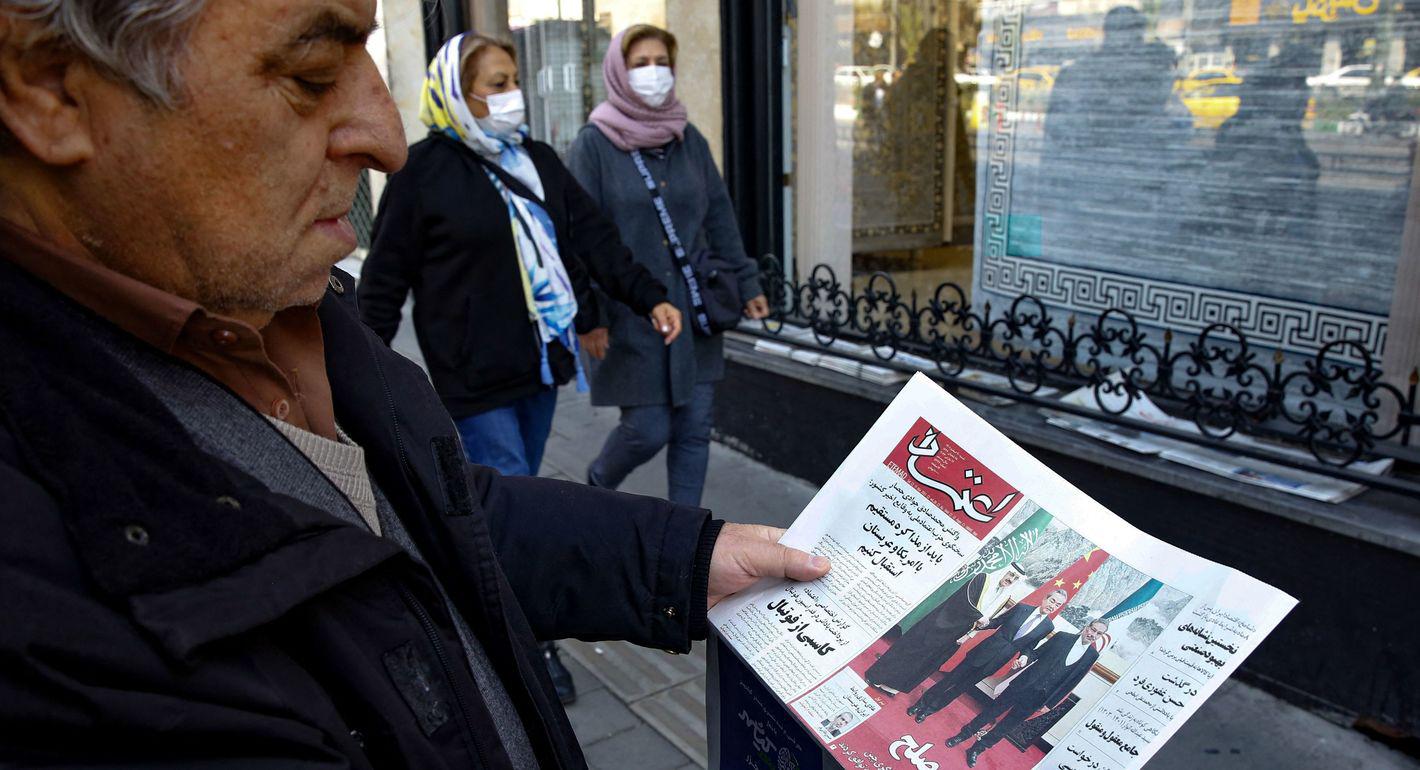
Transactional relationships are stable but can be shallow.


Paul Haenle, Maha Yahya, Benjamin Ho, …

“It’s not so clear how we’re going to get out of this.”
Paul Haenle, Philippe Le Corre

It’s about managing oil prices, bread prices, and strategic partnerships.



Amr Hamzawy, Karim Sadjadpour, Aaron David Miller, …

With the potential of enabling not only significant economic growth but also the innovation of critical technologies in various fields, both the United States and China view 5G as one of the key influencing factors in the “great power competition.”
Lyu Jinghua