

Commentary
Maria Lipman
{
  "authors": [
    "Maria Lipman"
  ],
  "type": "legacyinthemedia",
  "centerAffiliationAll": "",
  "centers": [
    "Carnegie Endowment for International Peace",
    "Carnegie Russia Eurasia Center"
  ],
  "collections": [],
  "englishNewsletterAll": "",
  "nonEnglishNewsletterAll": "",
  "primaryCenter": "Carnegie Russia Eurasia Center",
  "programAffiliation": "",
  "programs": [],
  "projects": [],
  "regions": [
    "Caucasus",
    "Russia"
  ],
  "topics": [
    "Foreign Policy"
  ]
}
Source: Getty
Using the disguise of parliamentary elections as a way to have his authority reconfirmed should help Putin get around the requirement that he step down in 2008 and should allow him to remain in charge -- in whatever capacity he would carve out for himself -- even after his second presidential term ends. This transformation of Duma elections into a referendum may explain why the Kremlin is behaving with such nervousness about a vote it is sure to win and why it is raising the specter of new enemies facing Russia.
Source: The Washington Post

Indeed, in Russia, what are technically legislative elections have been turned into a referendum on Vladimir Putin's rule, past and future. Using the disguise of parliamentary elections as a way to have his authority reconfirmed should help Putin get around the requirement that he step down in 2008 and should allow him to remain in charge -- in whatever capacity he would carve out for himself -- even after his second presidential term ends. This transformation of Duma elections into a referendum may explain why the Kremlin is behaving with such nervousness about a vote it is sure to win and why it is raising the specter of new enemies facing Russia.
Until very recently, all the government wanted from the nation was passive compliance, and the people readily delivered, especially since Putin's government delivered, too: improved living standards and a sense of belonging to a stronger Russia, one that other great nations have to reckon with. United Russia's approval rating hovered around 40 percent; the Russian people voted for the pro-Kremlin force because in an atmosphere of passive compliance, it feels appropriate to vote for the powerful party, for "the boss." And the Kremlin did not care too much if not too many people went to the polls. About a year ago, the minimum turnout requirement for elections was revoked.
But a referendum of confidence differs from an election. It requires universal public approval that would grant the leader a free hand to take the nation where he thinks it should go. A referendum is about truly high turnout and ardent, not lukewarm, support. Putin's paternalistic governance, which pushed people away from politics, is not good for a referendum. Instead, mobilization is needed.
Mobilizing the Russian public, however, is not easy given the habitual apathy, depoliticization and plain cynicism of the Russian people that have been fostered until now by Putin's regime. The recent switch from election to referendum heightens tension, so state-controlled media and administrative and law enforcement authorities at all levels are pulling out all the stops to ensure a higher turnout and a higher vote for United Russia, and to severely disadvantage even the most negligible rivals. Across Russia dubious tricks have been reported. For example, many government employees have reported being pushed by their bosses to take absentee ballots and, instead of casting ballots close to their homes, go to assigned precincts -- where the boss can make sure that their votes go to the United Russia candidate. Election officials, of course, deny such reports, but their sheer numbers make denials unconvincing.
Another difficulty for the Kremlin is the lack of a clear rallying point. There is no obvious threat or challenge facing Russia. Life is getting better, as all polls have consistently demonstrated at least since 2006, and Putin is uncontested. Hordes of officials and loyalists are harping on the need to stay the course. "If those who say, 'We know how to do it better,' only come [to power]," Putin warned in mid-November, "all this [Russia's achievements] may fall apart." But staying the course is hardly a winning slogan when there is no political opposition to speak of and no force that can seriously challenge Kremlin policies.
In recent weeks, the Kremlin has resorted to a time-tested method to mobilize the public: The nation has been shown the new "enemy" who seeks to change the course and overturn the achievements of recent years. So on top of the raging anti-Western rhetoric that has accompanied the campaign for months comes the concept of internal enemies. Those few Russians who openly defy Putin's regime or dare to stage street rallies to express their sentiments have been vilified and harassed, and in some cases jailed, in the days leading up to tomorrow's vote. In just one week, Putin's tone has turned much harder: "They want to take revenge, come back to power . . . and gradually reinstate the oligarchic regime based on corruption and lies," he said. "Look and they will soon be in the streets -- took some classes from Western experts, got some training in neighboring republics, and now they'll stage provocations here."
Optimists dismiss such policies and rhetoric as campaign frenzy, saying that emotions will cool down as soon as Putin has won his vote of confidence and begun implementing his political designs. But mobilization by hatred is a dangerous, if tempting, weapon. Mustering public hatred against enemies real or imagined, political, social or ethnic, may be disastrous in Russia's weak and intolerant society.
Masha Lipman, editor of the Carnegie Moscow Center's Pro et Contra journal, writes a monthly column for The Post.
Former Scholar in Residence, Society and Regions Program, Editor in Chief, Pro et Contra, Moscow Center
Lipman was the editor in chief of the Pro et Contra journal, published by the Carnegie Moscow Center. She was also the expert of the Carnegie Moscow Center’s Society and Regions Program.
Recent Work
Maria Lipman
Maria Lipman
Carnegie does not take institutional positions on public policy issues; the views represented herein are those of the author(s) and do not necessarily reflect the views of Carnegie, its staff, or its trustees.

Malaysia’s chairmanship sought to fend off short-term challenges while laying the groundwork for minimizing ASEAN’s longer-term exposure to external stresses.

Elina Noor

For Malaysia, the conjunction that works is “and” not “or” when it comes to the United States and China.
Elina Noor
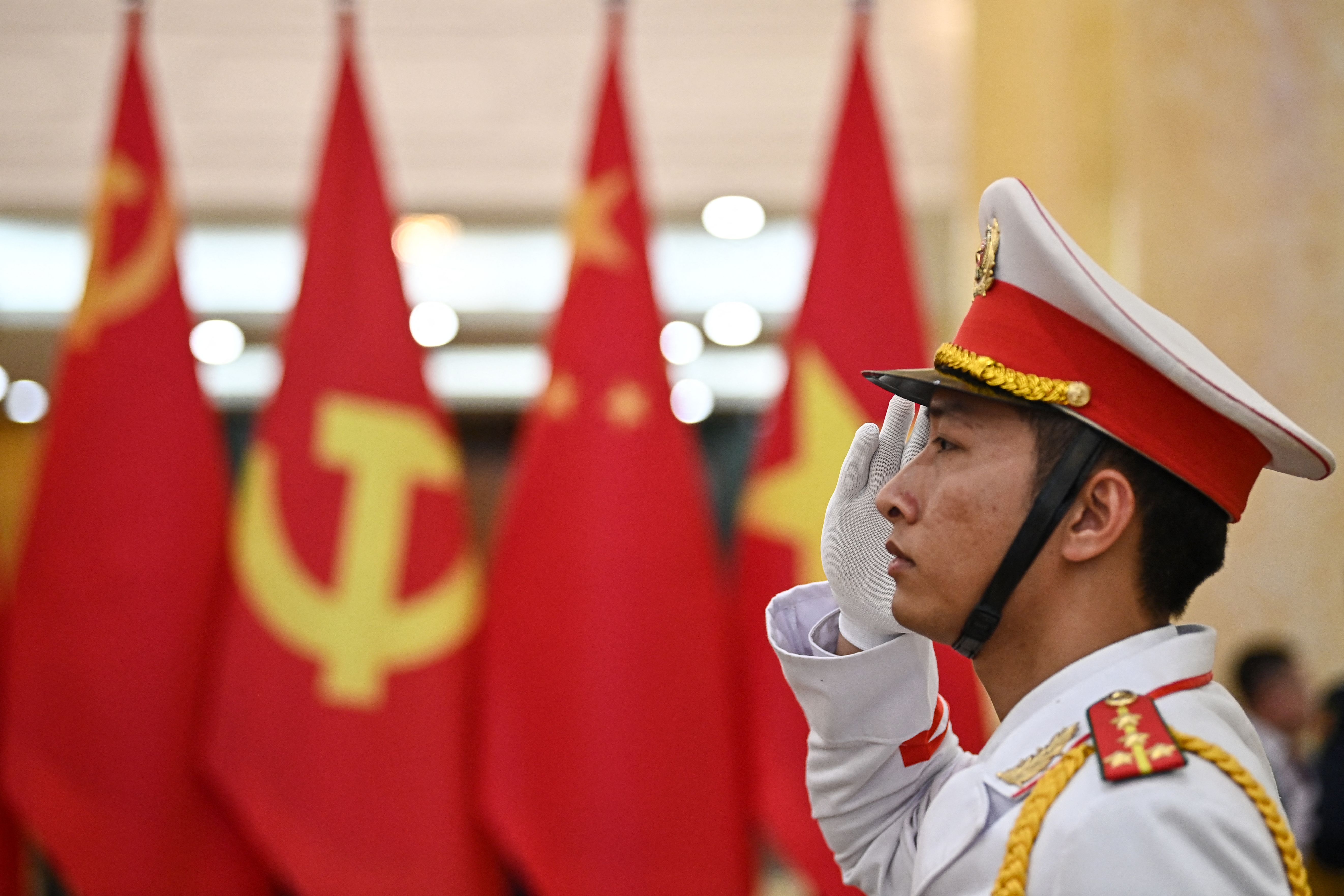
In July 2025, Vietnam and China held their first joint army drill, a modest but symbolic move reflecting Hanoi’s strategic hedging amid U.S.–China rivalry.

Nguyễn Khắc Giang
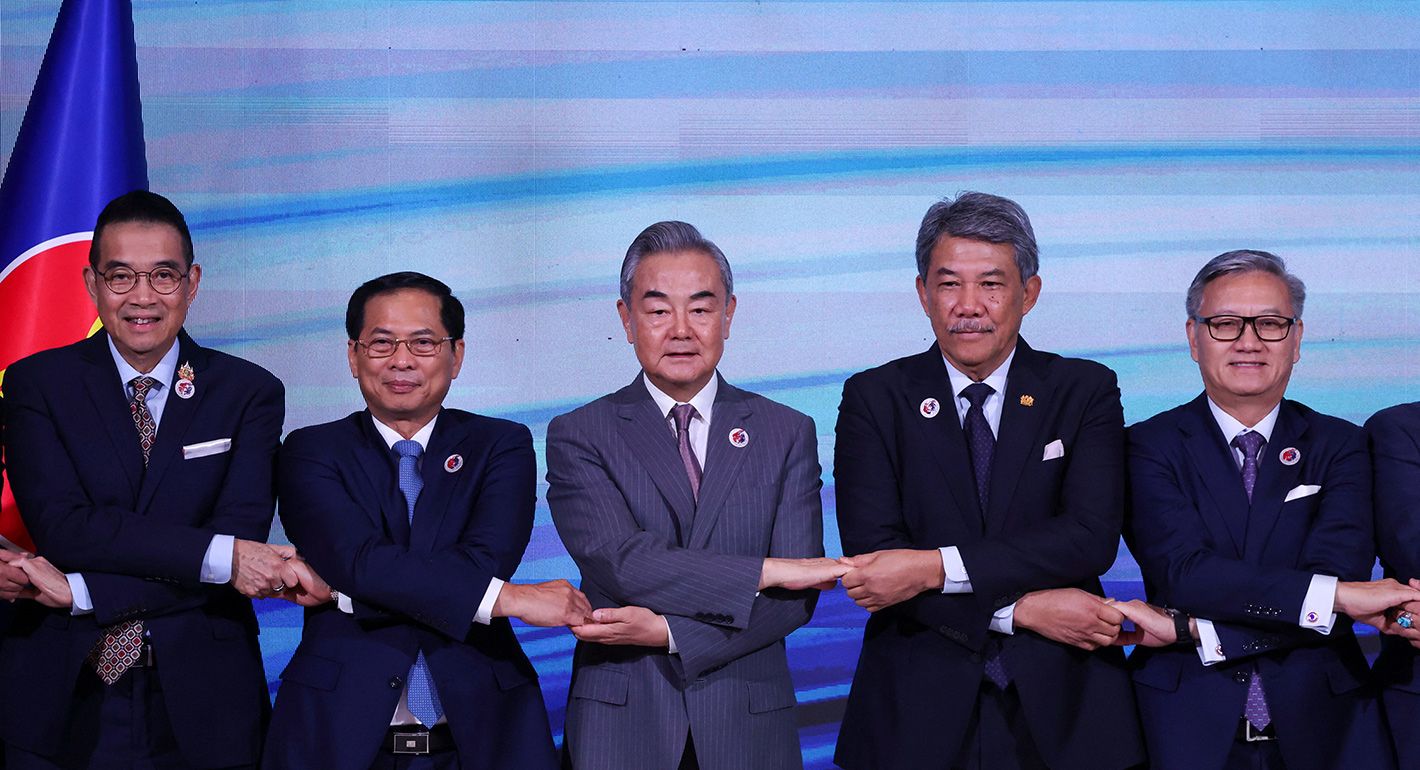
The Thai-Cambodian conflict highlights the limits to China's peacemaker ambition and the significance of this role on Southeast Asia’s balance of power.

Pongphisoot (Paul) Busbarat
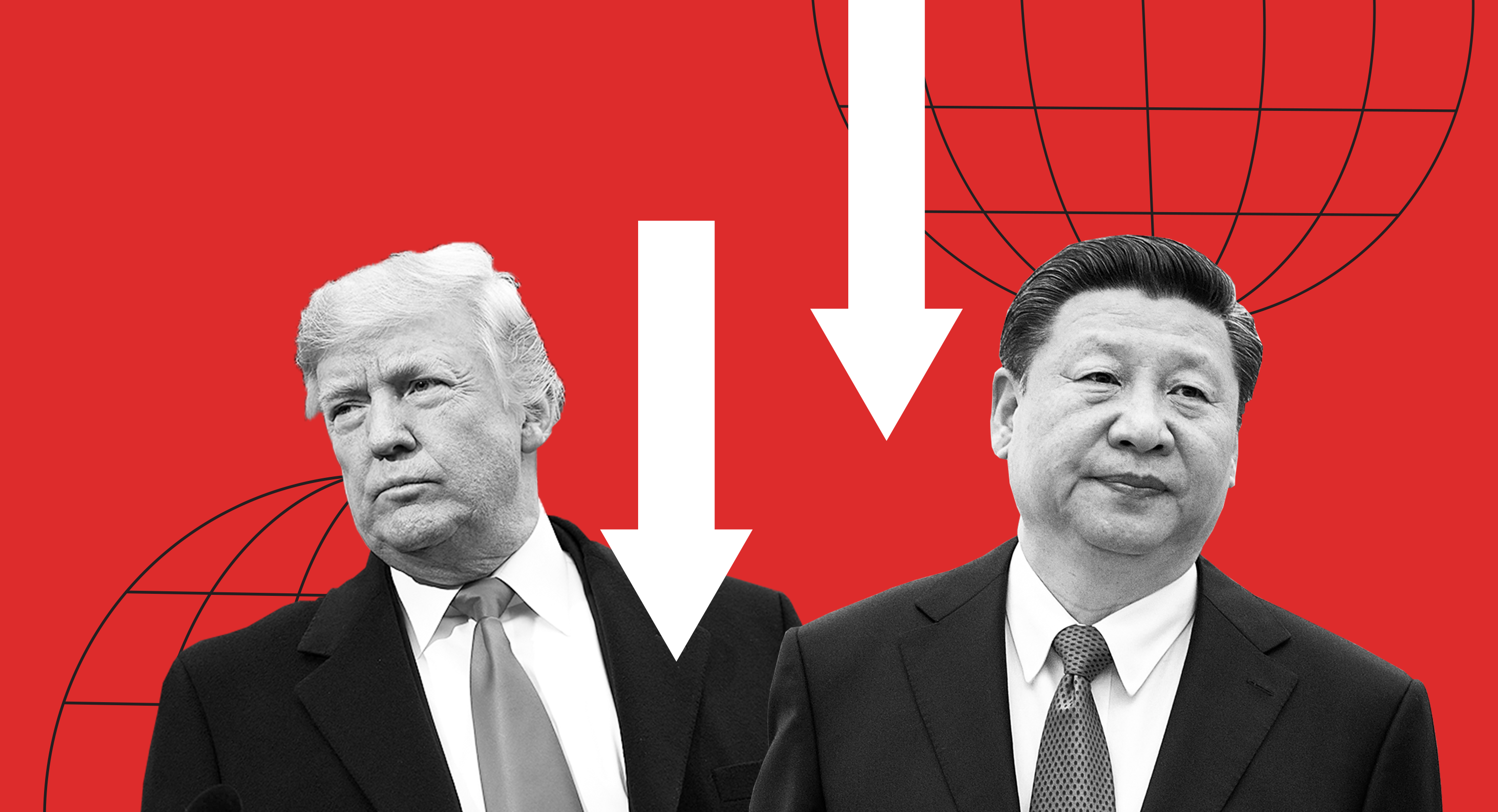
Beijing believes that Washington is overestimating its own leverage and its ability to handle the trade war’s impacts.


Rick Waters, Sheena Chestnut Greitens