

Commentary
Nikolay Petrov
{
  "authors": [
    "Nikolay Petrov"
  ],
  "type": "legacyinthemedia",
  "centerAffiliationAll": "",
  "centers": [
    "Carnegie Endowment for International Peace",
    "Carnegie Russia Eurasia Center"
  ],
  "collections": [],
  "englishNewsletterAll": "",
  "nonEnglishNewsletterAll": "",
  "primaryCenter": "Carnegie Russia Eurasia Center",
  "programAffiliation": "",
  "programs": [],
  "projects": [],
  "regions": [
    "Caucasus",
    "Russia"
  ],
  "topics": [
    "Political Reform"
  ]
}
REQUIRED IMAGE
The State Duma election campaign will reach its end next week. Looking back, the entire process has been little more than a struggle among various pro-Putin candidates vying for Duma seats.
Source: The Moscow Times
The State Duma election campaign will reach its end next week. Looking back, the entire process has been little more than a struggle among various pro-Putin candidates vying for Duma seats.
On Wednesday, at Moscow's Luzhniki stadium, United Russia will organize an event at which Putin will be formally presented with an appeal stating that members of the "Za Putina," or "For Putin" movement will do everything possible to "contribute to the continuation of Vladimir Putin's work for the benefit of the Russian people." This will be presented as a "mandate from the people."
A gathering of those spearheading the pro-Putin movement took place in Tver on Thursday, with representatives from almost every region in attendance. Putin, incidentally, has family roots in this region located between Moscow and St. Petersburg. The Tver region is also the popular location for several summer camp events at Lake Seliger held for the pro-Putin Nashi youth movement.
In addition, a large petition campaign has started that will be yet another tool to support the initiative to allow Putin to remain as president for a third term. As many as 30 million signatures have apparently been gathered already. Putin supporters are planning to present this petition to the president next week and to declare officially that he is the country's "National Leader."
The Za Putina movement was founded in the regions by "ordinary people," such as war veterans, businesspeople, social service workers, military personnel and athletes -- in short, the "backbone of society," in the true Soviet meaning of the phrase. In this context, it is interesting to note that the three co-presidents of Za Putina are prominent lawyer and television personality Pavel Astakhov, heart surgeon Renat Akhchurin and agricultural union leader Natalya Agapova. It is amusing that one of the stated goals of the movement is to establish civil society's control over government and over the "Putin Plan."
Another project emerged this summer called "The Country's Professional Team," which is a nationwide competition organized by United Russia with the main goal of attracting new, talented people to the party. This is United Russia's attempt to answer Putin's criticism of the country's poor management, which began last summer and intensified last week when he made some sharp comments while meeting with construction workers in Krasnoyarsk. This competition also gives United Russia an opportunity to distance itself somewhat from the Kremlin and to strengthen its ties with the electorate. It has attracted participants from the state and municipal administrations, industry, the service sector, mass media, public health services, science, culture and education. Of the 18,000 applications submitted for the competition, there were almost 6,000 prizewinners from both the regional and federal levels.
The third weapon in the pro-Putin movement's arsenal is an appeal from regional legislative bodies in such cities as Yamalo-Nenetsk and Sverdlovsk, calling on Putin to "preserve his role as the national leader and continue his active participation in the life of the country" after his second presidential term expires in 2008.
What is the reason for these nationwide campaigns? To give legitimacy to the authorities and their continued efforts to maintain Putin's regime after his second presidential term expires? To show that these types of rallies and demonstrations represent, in their minds, a form of democracy that serves as a de facto substitute for elections? To forge a link between the party's bureaucratic machine and the voters on the eve of elections?
All of this comes at a time when the Office for Democratic Institutions and Human Rights, part of the Organization for Security and Cooperation in Europe, has announced that that bureaucratic obstacles have now made it impossible for international observers to monitor the December elections fully.
Maybe the Kremlin is right. Maybe there is no point in monitoring a process that is not so much an election as an internal struggle among the political elites. The Duma elections have boiled down to a national demonstration of loyalty to Putin as well as an attempt by the Kremlin elite to preserve its power base. And it is not so important whether the election process is more in the interests of Putin or the clans surrounding him. The most disturbing element is that it is not in the best interests of democracy.
Nikolai Petrov is a scholar in residence at the Carnegie Moscow Center. This comment first appeared in The Moscow Times.
Former Scholar-in-Residence, Society and Regions Program, Moscow Center
Nikolay Petrov was the chair of the Carnegie Moscow Center’s Society and Regions Program. Until 2006, he also worked at the Institute of Geography at the Russian Academy of Sciences, where he started to work in 1982.
Recent Work
Nikolay Petrov
Nikolay Petrov
Carnegie does not take institutional positions on public policy issues; the views represented herein are those of the author(s) and do not necessarily reflect the views of Carnegie, its staff, or its trustees.
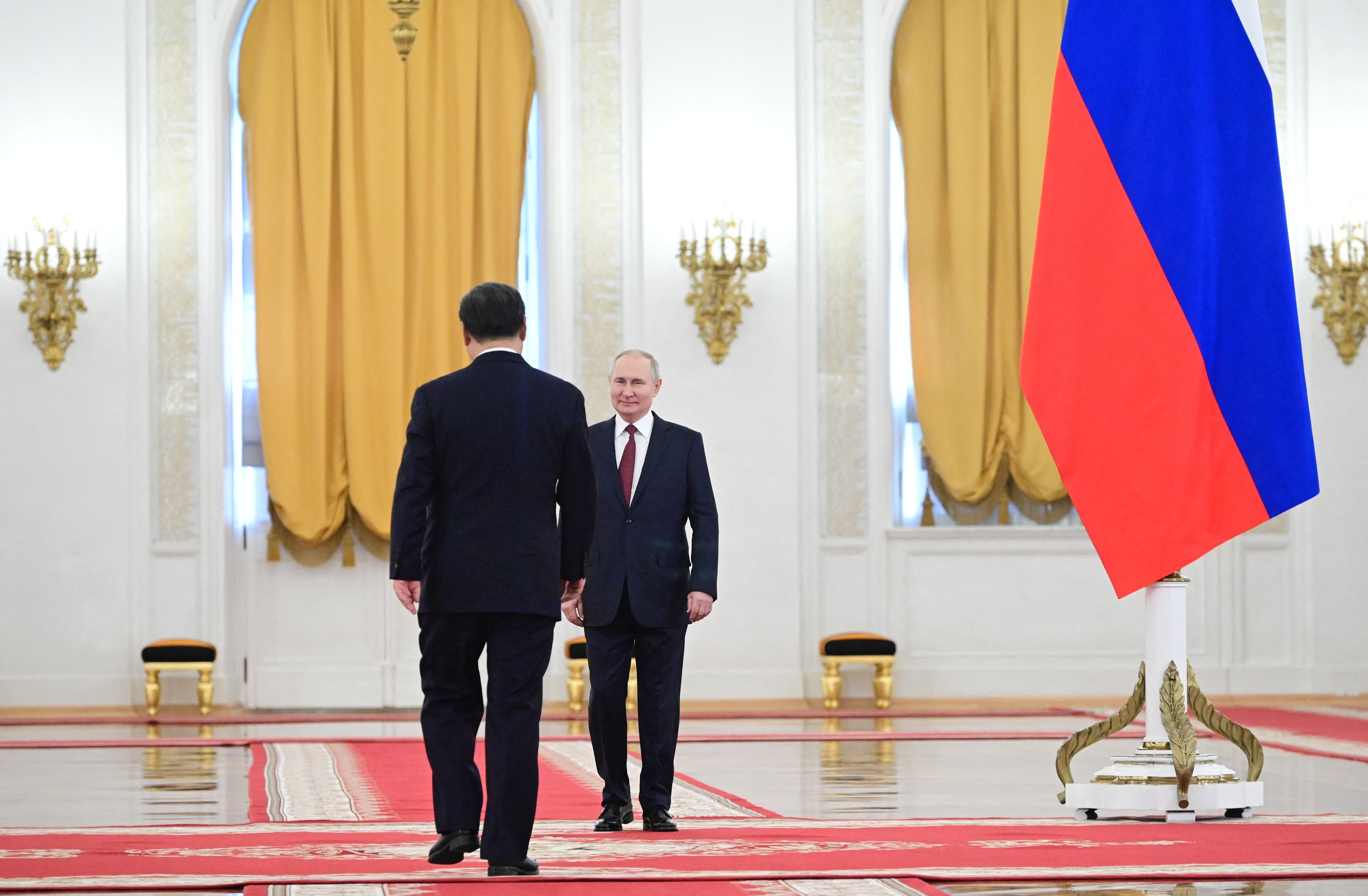
Beijing is trying to navigate the overall situation regarding Ukraine, especially the substance of interactions between Washington and Moscow.
Ellen Nakashima, Zhao Long, Pavlo Klimkin, …
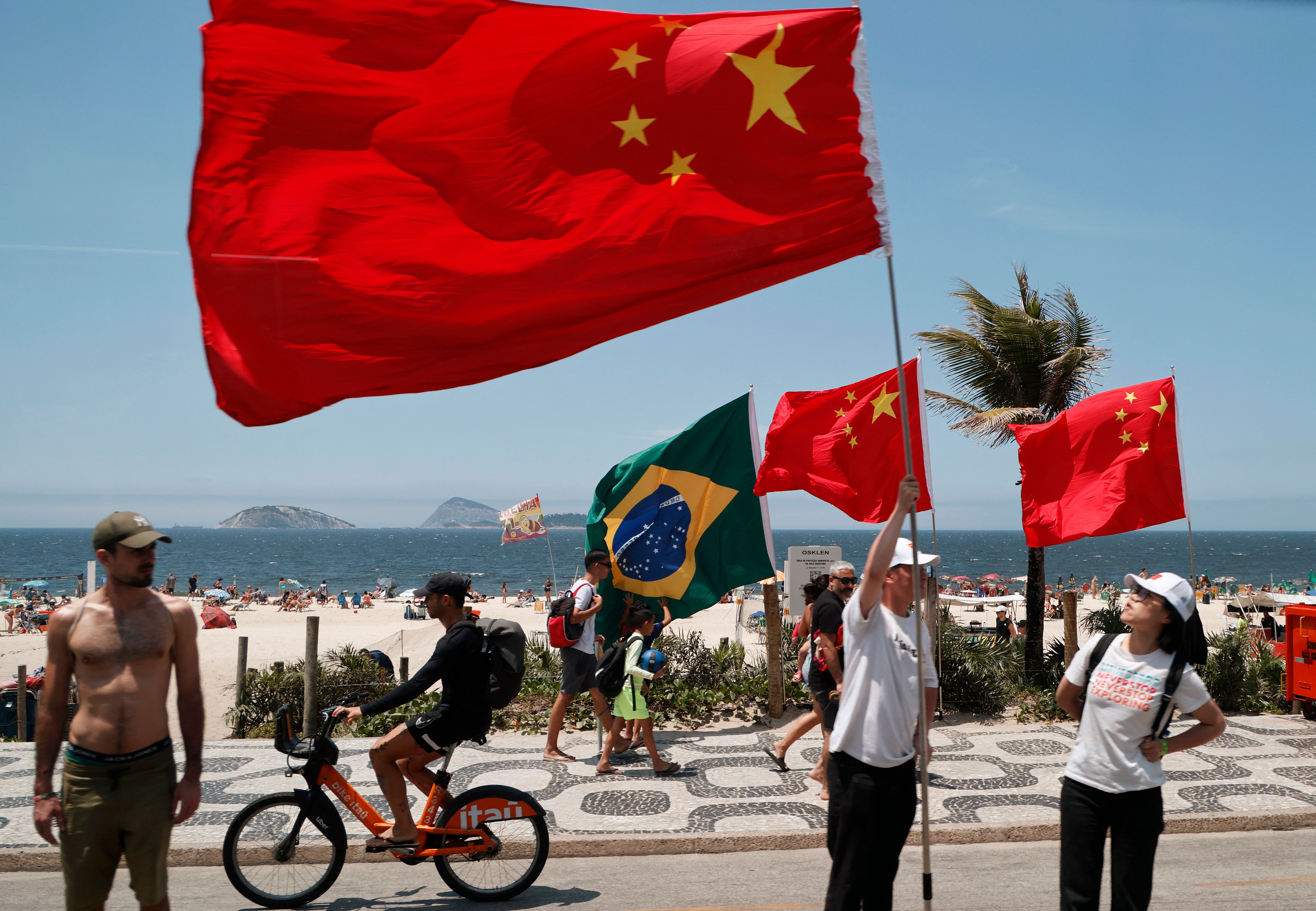
While China will remain a significant political and economic force in the Global South, its ambition to leverage the Global South as a counterbalance to the United States and the Global North is far from assured.

Xue Gong
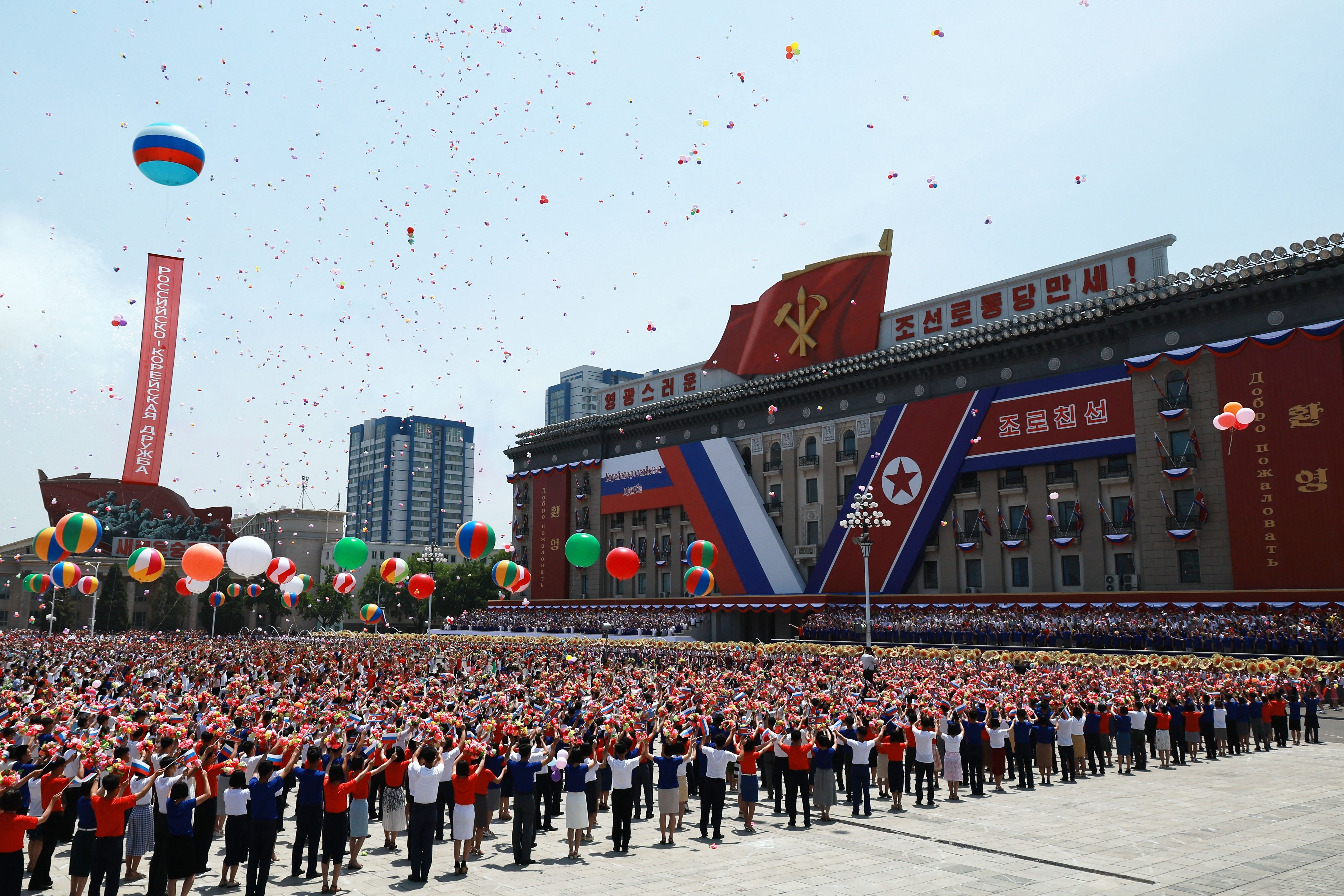
Faced with an increase in strategic maneuvering by Moscow and Pyongyang, Beijing will not sit idly by and allow Putin and Kim to shape the security environment on its behalf.

Tong Zhao
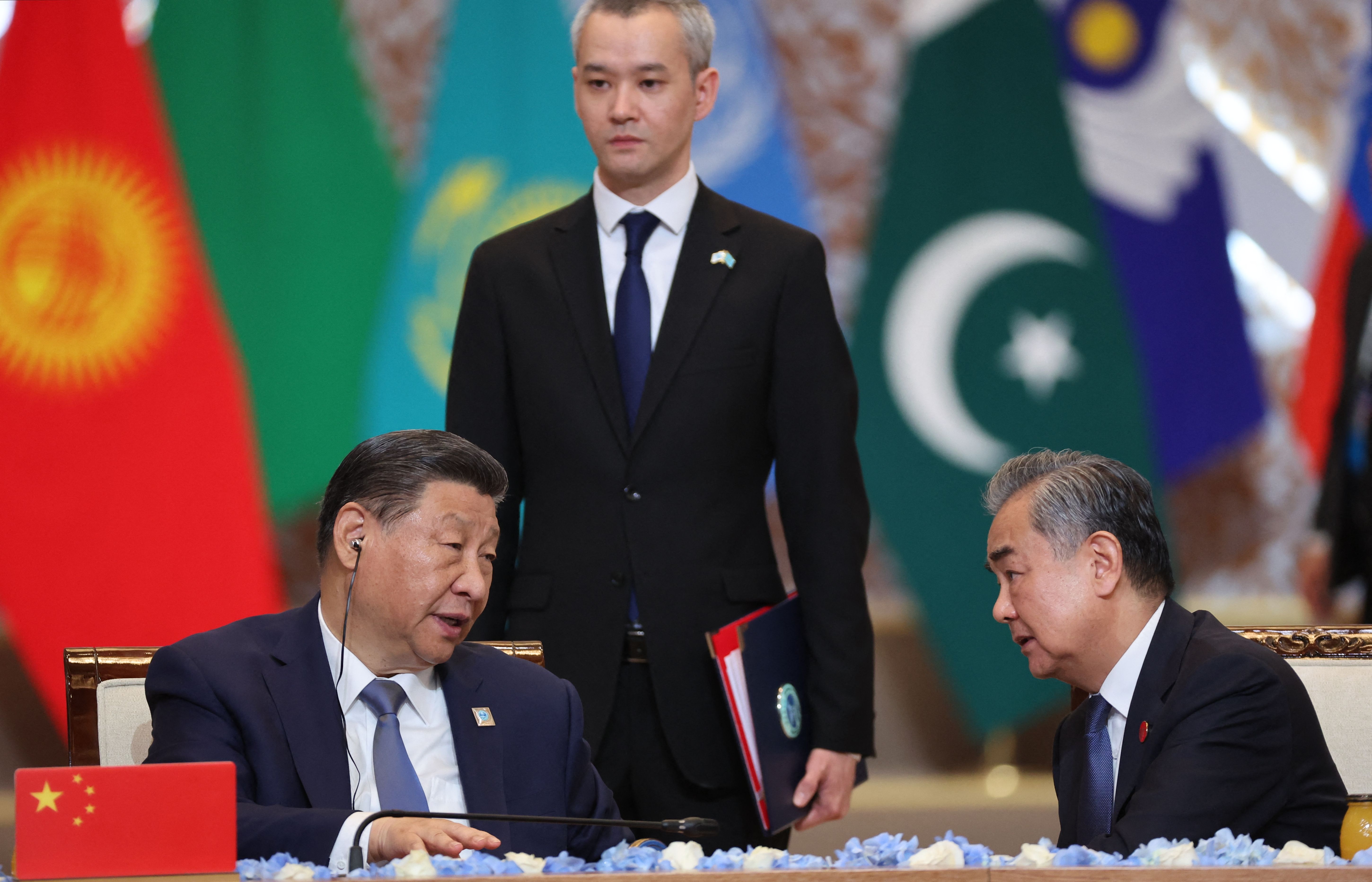
China’s growing attention to Central Asia is perceived as a harbinger of tectonic shifts in regional geopolitics.

Temur Umarov
The Russian invasion of Ukraine is a turning point in the EU-China relationship, and evolution of the China-Russia relationship will continue to impact EU-China relations.
Yifan Ding, Alice Ekman