

Commentary
Nikolay Petrov
{
  "authors": [
    "Nikolay Petrov"
  ],
  "type": "legacyinthemedia",
  "centerAffiliationAll": "",
  "centers": [
    "Carnegie Endowment for International Peace",
    "Carnegie Russia Eurasia Center"
  ],
  "collections": [],
  "englishNewsletterAll": "",
  "nonEnglishNewsletterAll": "",
  "primaryCenter": "Carnegie Russia Eurasia Center",
  "programAffiliation": "",
  "programs": [],
  "projects": [],
  "regions": [
    "Caucasus",
    "Russia"
  ],
  "topics": [
    "Political Reform",
    "Democracy"
  ]
}
Source: Getty
It would seem that we have a double mutiny on the great ship of state. Rakhimov showed no mercy in squashing the revolt aimed at his presidency. It remains to be seen whether Medvedev will be able to put down Rakhimov's defiance of the Kremlin.
Source: The Moscow Times

Rakhimov used his political muscle to have Khabirov investigated on corruption charges and Khabirov was expelled from the United Russia party.
Khabirov was fired just before he was supposed to be appointed to an important post in Moscow. He was to work directly under Vladislav Surkov, Kremlin deputy chief of staff, with the responsibility for overseeing the regions. Since the Kremlin has suggested that Rakhimov consider stepping down, Khabirov may have been slated for appointment as the republic's next president. In fact, Khabirov's Moscow posting would have put him in a position to manage the transfer of authority in Bashkortostan.
At its core, Khabirov's dismissal is a direct challenge to the Kremlin. It was a bold act of insubordination and a test of President Dmitry Medvedev's new authority.
Who is Khabirov? He is the person who, acting on behalf of the aging Rakhimov, 74, had real control in the republic. Khabirov also held the political ambitions of Rakhimov's son, Ural, in check.
Khabirov once faithfully served Rakhimov and helped him to triumph over more influential Moscow clans to gain re-election. It was Khabirov who was incriminated in 2003 for illegally having hundreds of thousands of additional ballots printed. Now Khabirov, who headed the United Russia ticket and brought in 90 percent of the vote for the party, has been accused of putting pressure on the republic's election commission and falsifying election results for the benefit of, strangely enough, the Communist Party.
The incriminating evidence presented against Khabirov highlights the high level of corruption in Rakhimov's regime. It reminds me of the scandal involving former Prosecutor General Yury Skuratov, when authorities went public with hidden-camera video about purported intimate dealings with prostitutes. In the recent scandal in Bashkortostan, the mass media announced the existence of a price list detailing the cost of various government posts that could allegedly be obtained "through Khabirov." Anyone wanting to become a State Duma deputy, for example, had to hand over a cool 30 million rubles ($1.28 million), while membership in the State Assembly cost 6 million rubles ($255,000), and becoming the chief of a department in the presidential administration would set you back 5 million rubles ($213,000). Other jobs, such as regional and municipal chief, justice of the peace or notary public were also allegedly put up for sale.
The system of inheriting government posts, already perfected in post-Soviet Azerbaijan and practiced in a host of other former Soviet republics, has not seen use in Russia's regions. The sole exception involves Chechen President Ramzan Kadyrov.
Rakhimov is not overly worried that the firing of his colleague could lead to politically damaging disclosures from the Khabirov camp because he has such a firm hold over the Bashkortostan political machine.
It is worth noting that Rakhimov has his sights on Moscow, trying to gain maximum political advantage from the entire Khabirov scandal. In particular, the sacking of Khabirov is a move intended to undercut Medvedev, who has made many public statements about his commitment to battle corruption. And it is a direct blow to Surkov, whose political standing had been weakened recently even without those problems.
It would seem that we have a double mutiny on the great ship of state. Rakhimov showed no mercy in squashing the revolt aimed at his presidency. It remains to be seen whether Medvedev will be able to put down Rakhimov's defiance of the Kremlin.
Nikolai Petrov is a scholar in residence at the Carnegie Moscow Center.
This comment first appeared in The Moscow Times.
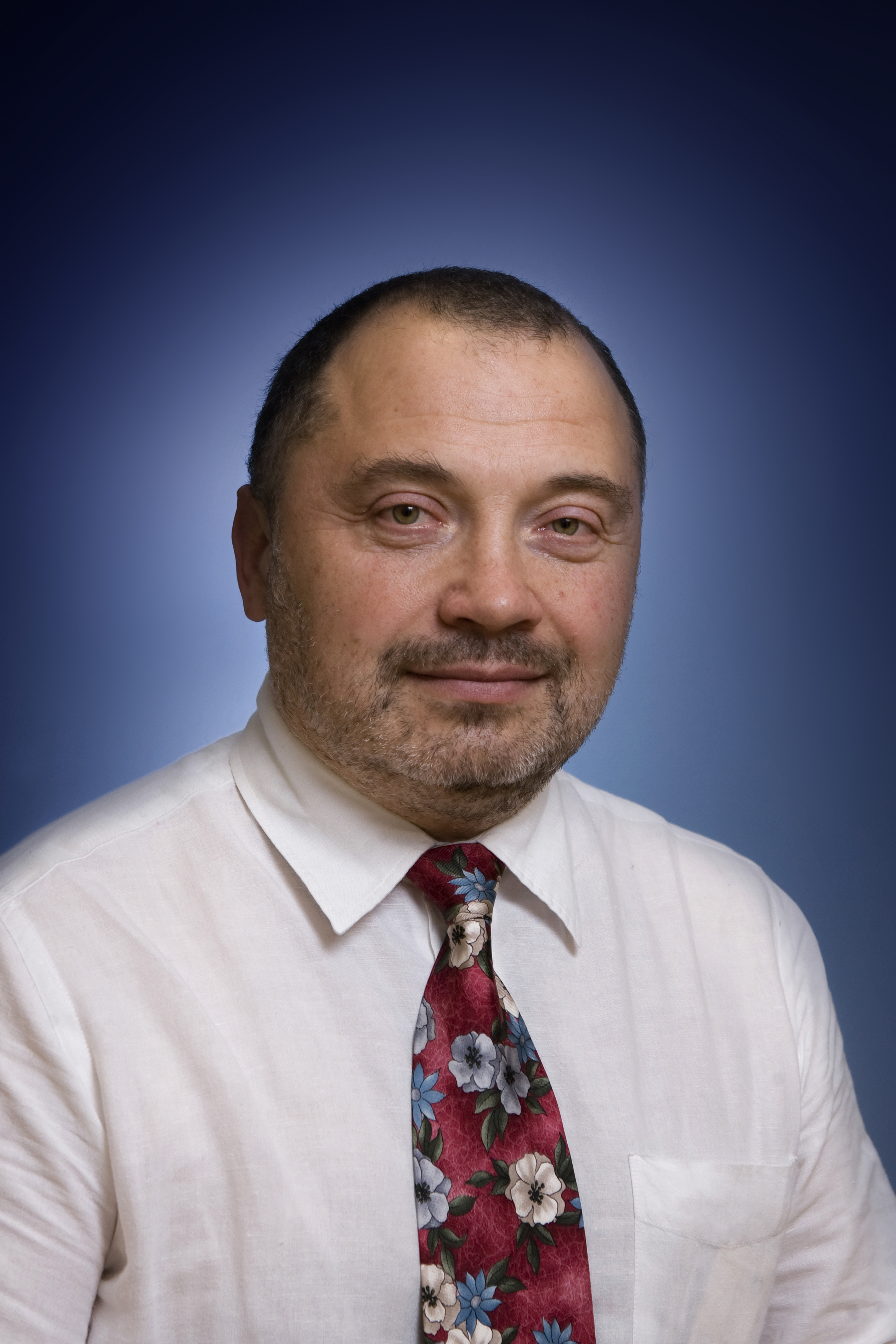
Former Scholar-in-Residence, Society and Regions Program, Moscow Center
Nikolay Petrov was the chair of the Carnegie Moscow Center’s Society and Regions Program. Until 2006, he also worked at the Institute of Geography at the Russian Academy of Sciences, where he started to work in 1982.
Recent Work
Nikolay Petrov
Nikolay Petrov
Carnegie does not take institutional positions on public policy issues; the views represented herein are those of the author(s) and do not necessarily reflect the views of Carnegie, its staff, or its trustees.
Beijing is trying to navigate the overall situation regarding Ukraine, especially the substance of interactions between Washington and Moscow.
Ellen Nakashima, Zhao Long, Pavlo Klimkin, …
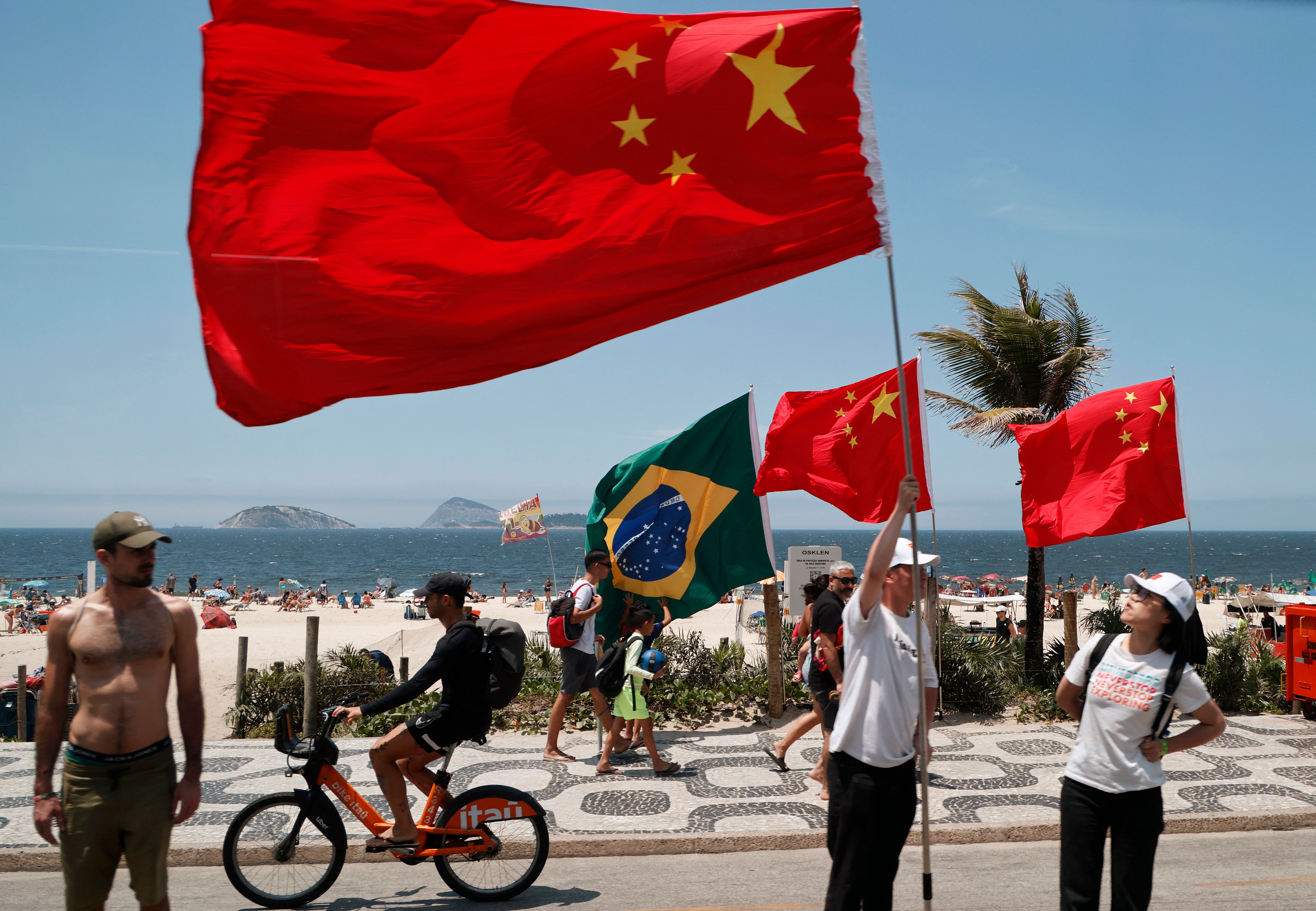
While China will remain a significant political and economic force in the Global South, its ambition to leverage the Global South as a counterbalance to the United States and the Global North is far from assured.

Xue Gong
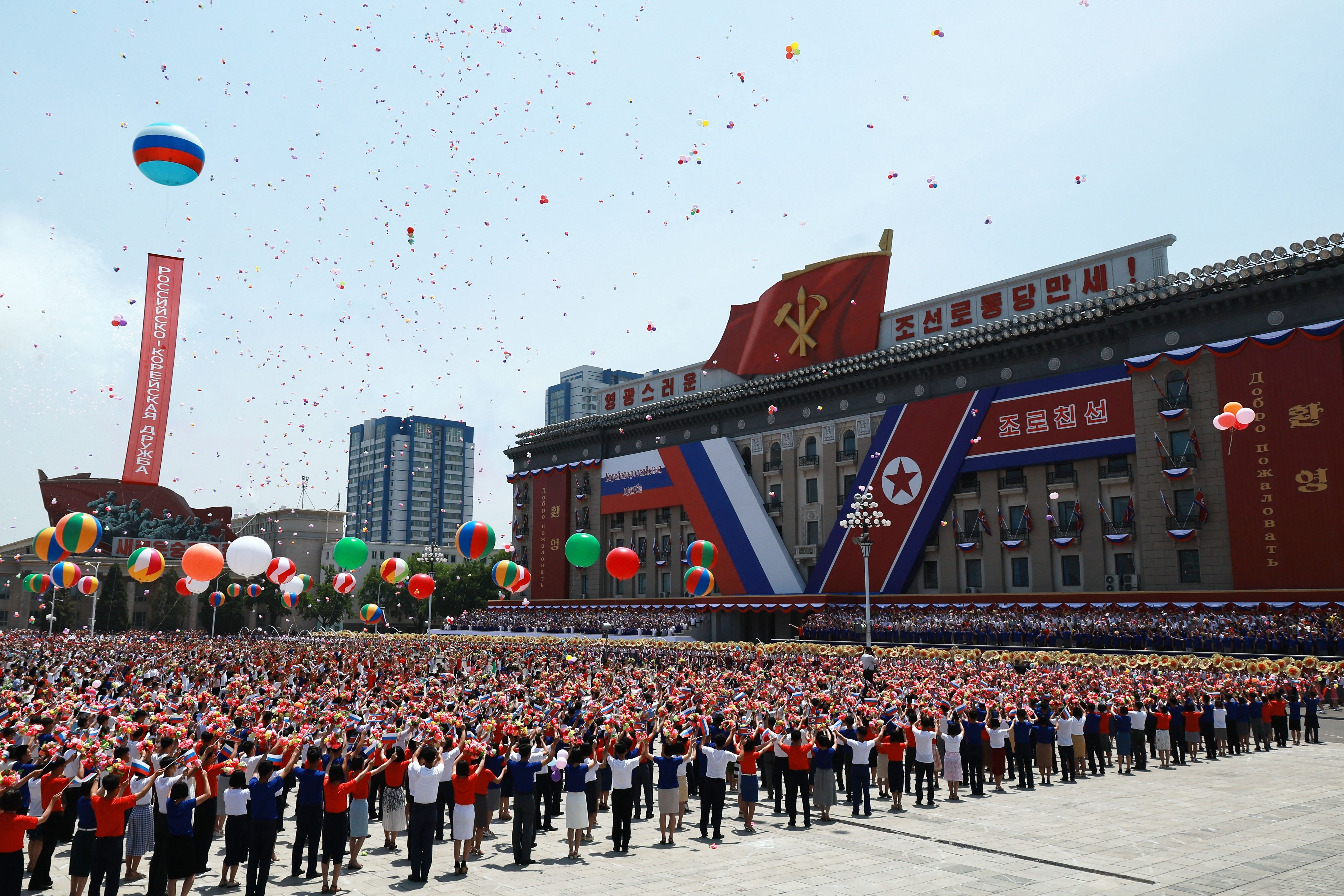
Faced with an increase in strategic maneuvering by Moscow and Pyongyang, Beijing will not sit idly by and allow Putin and Kim to shape the security environment on its behalf.

Tong Zhao
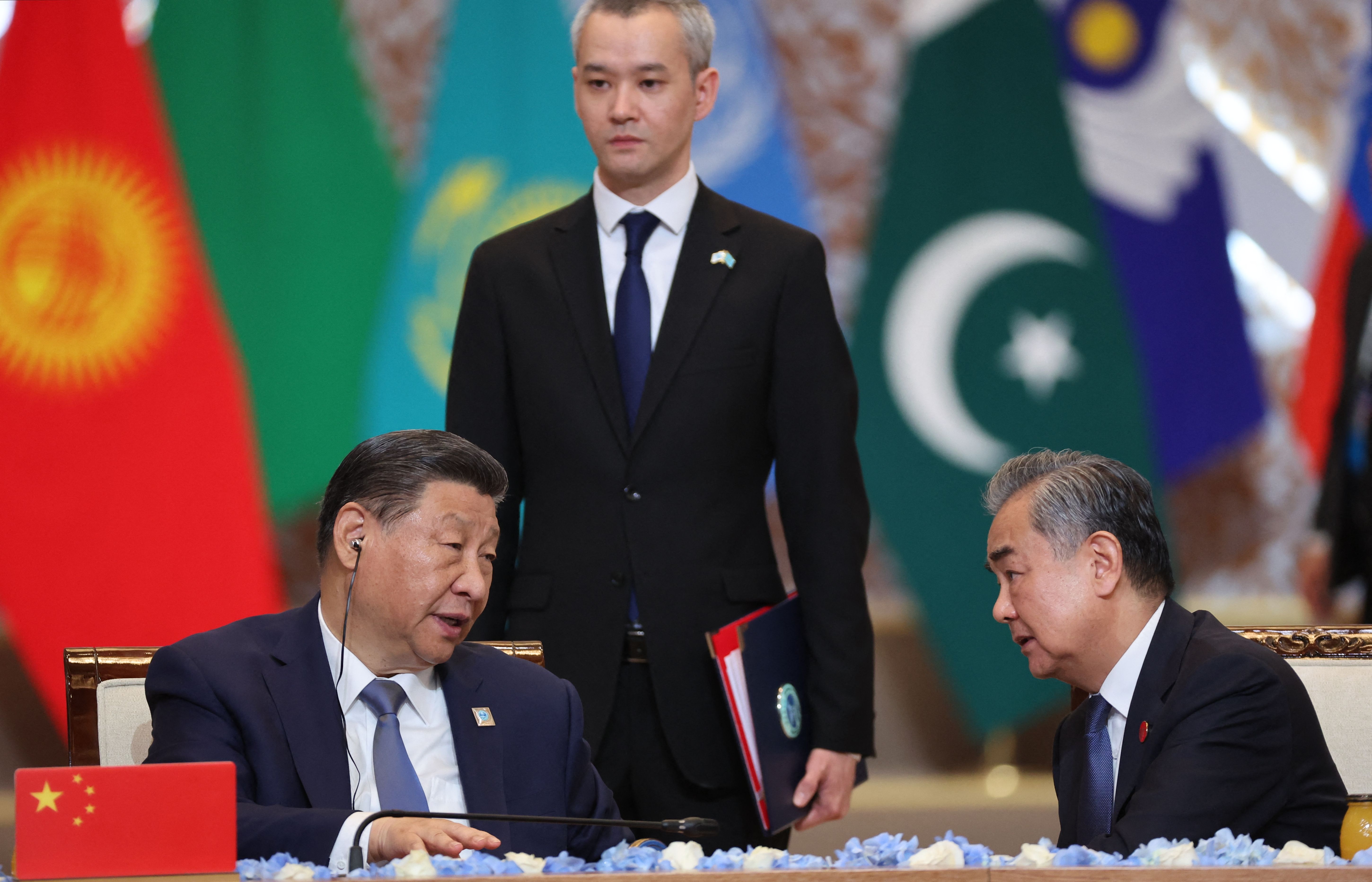
China’s growing attention to Central Asia is perceived as a harbinger of tectonic shifts in regional geopolitics.

Temur Umarov
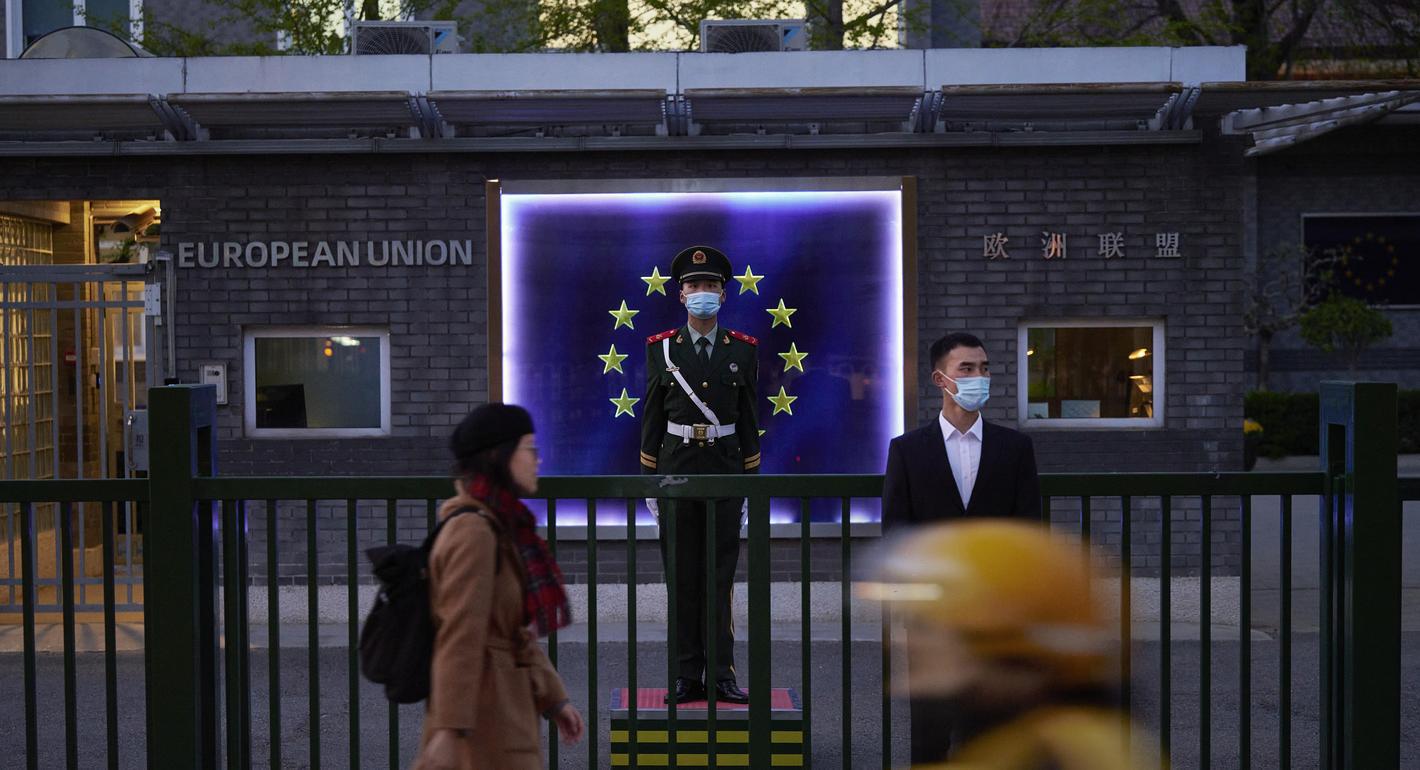
The Russian invasion of Ukraine is a turning point in the EU-China relationship, and evolution of the China-Russia relationship will continue to impact EU-China relations.
Yifan Ding, Alice Ekman