• Commentary
  • Research
  • Experts
  • Events
Carnegie China logoCarnegie lettermark logo
{
  "authors": [
    "Nikolay Petrov"
  ],
  "type": "legacyinthemedia",
  "centerAffiliationAll": "",
  "centers": [
    "Carnegie Endowment for International Peace",
    "Carnegie Russia Eurasia Center"
  ],
  "collections": [],
  "englishNewsletterAll": "",
  "nonEnglishNewsletterAll": "",
  "primaryCenter": "Carnegie Russia Eurasia Center",
  "programAffiliation": "",
  "programs": [],
  "projects": [],
  "regions": [
    "Caucasus",
    "Russia"
  ],
  "topics": [
    "Political Reform"
  ]
}
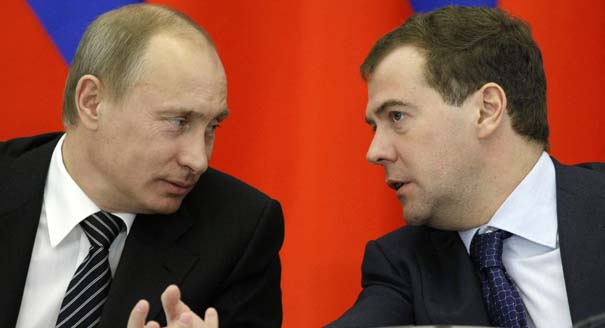
Source: Getty

In The Media
Carnegie Russia Eurasia Center

Political Temperature Is Rising in Sochi

The mayoral election in Sochi on April 26 marks a serious turning point in Russian politics; competition, both from the opposition and from within the party of power, is becoming more intense.

Link Copied
By Nikolay Petrov
Published on Apr 14, 2009

Source: The Moscow Times

Political Temperature Is Rising in SochiThe mayoral election in Sochi on April 26 marks a serious turning point in Russian politics. This contest is already proving to be more public, more intense and more competitive than the perfunctory, lackluster regional and municipal elections held nationwide on March 1. 

Sochi is a key site on the Russian political landscape. Not only is it the host city for the 2014 Winter Olympics, but it also essentially serves as the summer capital city for Prime Minister Vladimir Putin. Both Putin and President Dmitry Medvedev have focused many of their personal projects on Sochi, and they frequently hold meetings and negotiations in Sochi. What's more, Sochi is the site of the Kuban Economic Forum, second in status only to the St. Petersburg forum.
 
Sochi is entangled in problems. Local authorities are miffed over government land grabs to put up buildings and sites for the Olympics, and this has caused prices to climb even higher in what was already an expensive city. Not only has the crisis hurt Oleg Deripaska and Vladimir Potanin, both of whom already had big investment projects in Sochi, it has also cut heavily into the Sochi businesses built around the tourist industry. Adding to the problems, local authorities can't work in unison to address the city's economic problems.
 
Sochi has had four mayors in the past year alone. The game of musical chairs began one year ago when Mayor Viktor Kolodyazhny was appointed as president of the Olimpstroi state corporation, charged with managing the city's development projects for the Olympics. Taking his place was Vladimir Afanasenkov, who was hastily elected in June and then stepped down in October, citing health reasons. Afanasenkov left amid heated conflicts between municipal, regional and federal authorities over the mismanagement of Olympic projects.
 
After Afanasenkov's departure, it took the authorities a long time to announce the city's new election. But it was not possible to carefully orchestrate the election the way that the authorities did a year ago. Moscow's handpicked candidate, who received 85 percent of the vote, competed against the local Communist Party leader only -- and a couple of unknowns who were thrown in to make the race look more legitimate. 
 
But in this mayoral election, opposition leader Boris Nemtsov announced his candidacy. A host of other colorful figures from show business, sports and politics also threw their hats in the ring -- although most of them dropped out in the past few weeks. This includes Andrei Bogdanov, the former head of the now-defunct Democratic Party of Russia, who quit on Monday, and billionaire and opposition candidate Alexander Lebedev, whose candidacy was ruled invalid by a Sochi court.
 
The authorities would have had difficulty annulling Nemtsov's candidacy since his registration fell under the old election law, which allows a candidate to register by leaving a security deposit with the election authorities. Nonetheless, Nemtsov was denied the opportunity to rent space for stump speeches, and he had trouble buying advertising space in local newspapers. Furthermore, his campaign brochures were seized by the police under questionable pretexts.
 
The Sochi election campaign has already set a political precedent in Russia. It is certain that the United Russia's candidate will win, but the authorities must still play by different rules now than they did only a few months ago. This campaign has shown that public politics are returning to Russia and that competition -- both from the opposition and from within the party of power -- is becoming more intense.

This comment first appeared in The Moscow Times
About the Author

Nikolay Petrov

Former Scholar-in-Residence, Society and Regions Program, Moscow Center

Nikolay Petrov was the chair of the Carnegie Moscow Center’s Society and Regions Program. Until 2006, he also worked at the Institute of Geography at the Russian Academy of Sciences, where he started to work in 1982.

    Recent Work

  • Commentary
    Moscow Elections: Winners and Losers

      Nikolay Petrov

  • Commentary
    September 8 Election As a New Phase of the Society and Authorities' Coevolution

      Nikolay Petrov

Nikolay Petrov
Former Scholar-in-Residence, Society and Regions Program, Moscow Center
Nikolay Petrov
Political ReformCaucasusRussia

Carnegie does not take institutional positions on public policy issues; the views represented herein are those of the author(s) and do not necessarily reflect the views of Carnegie, its staff, or its trustees.
More Work from Carnegie China

  • Commentary
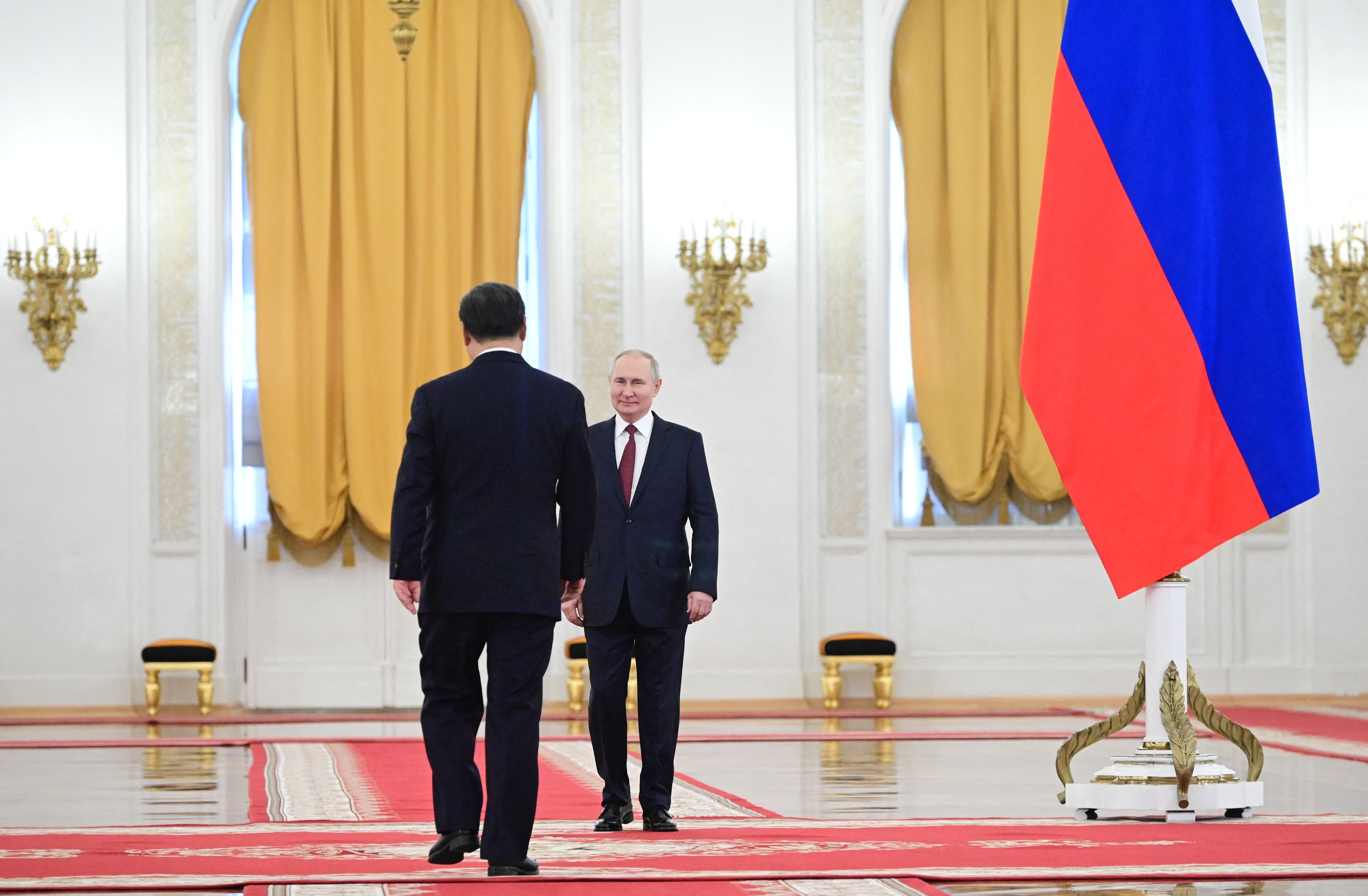
    Is China Willing to Influence Russia on the Ukraine War?

    Beijing is trying to navigate the overall situation regarding Ukraine, especially the substance of interactions between Washington and Moscow.
      • Ellen Nakashima
      • Zhao Long
      • +1

      Ellen Nakashima, Zhao Long, Pavlo Klimkin, …
  • Commentary
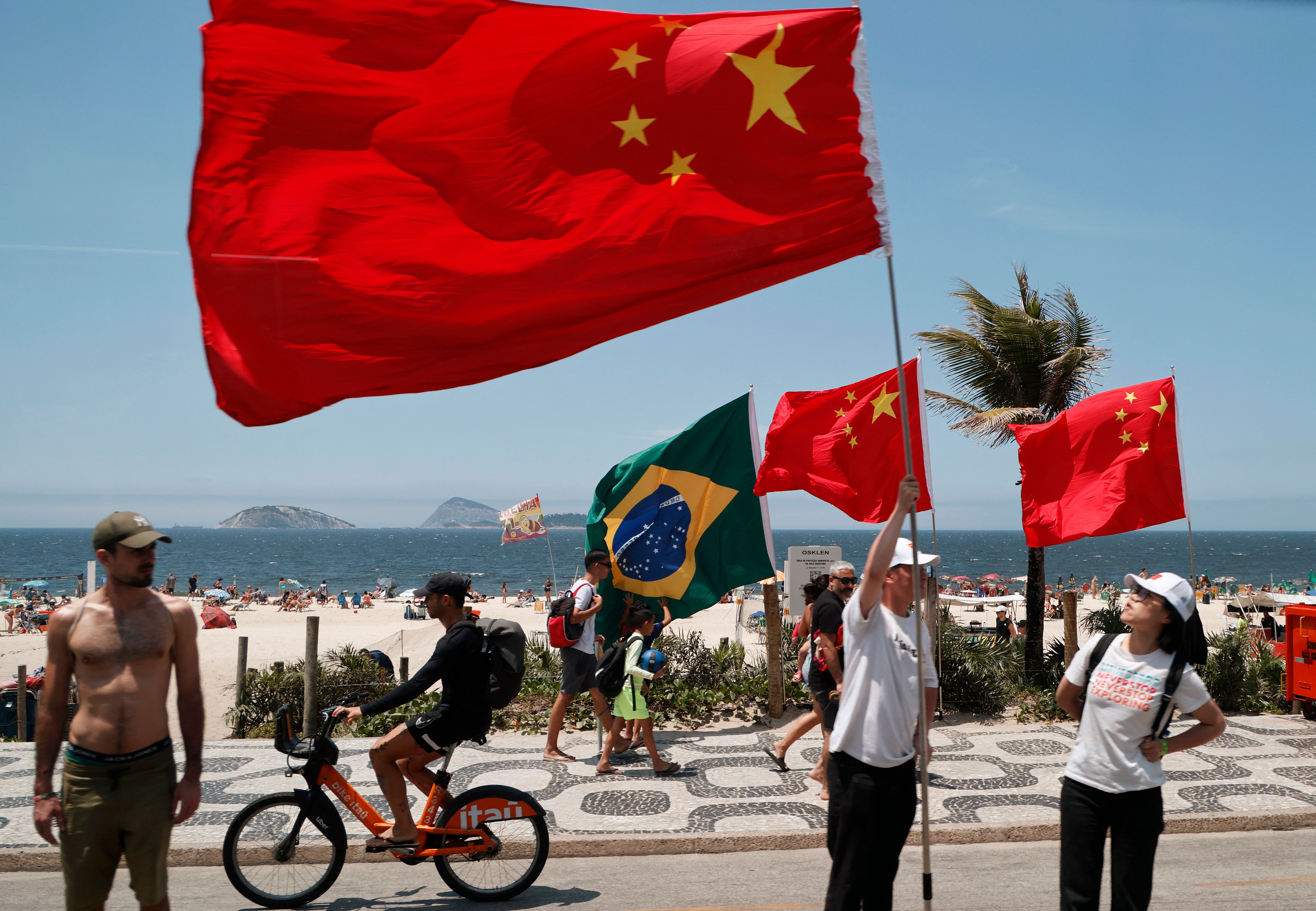
    The Challenges Behind China’s Global South Policies

    While China will remain a significant political and economic force in the Global South, its ambition to leverage the Global South as a counterbalance to the United States and the Global North is far from assured.

      Xue Gong
  • Commentary
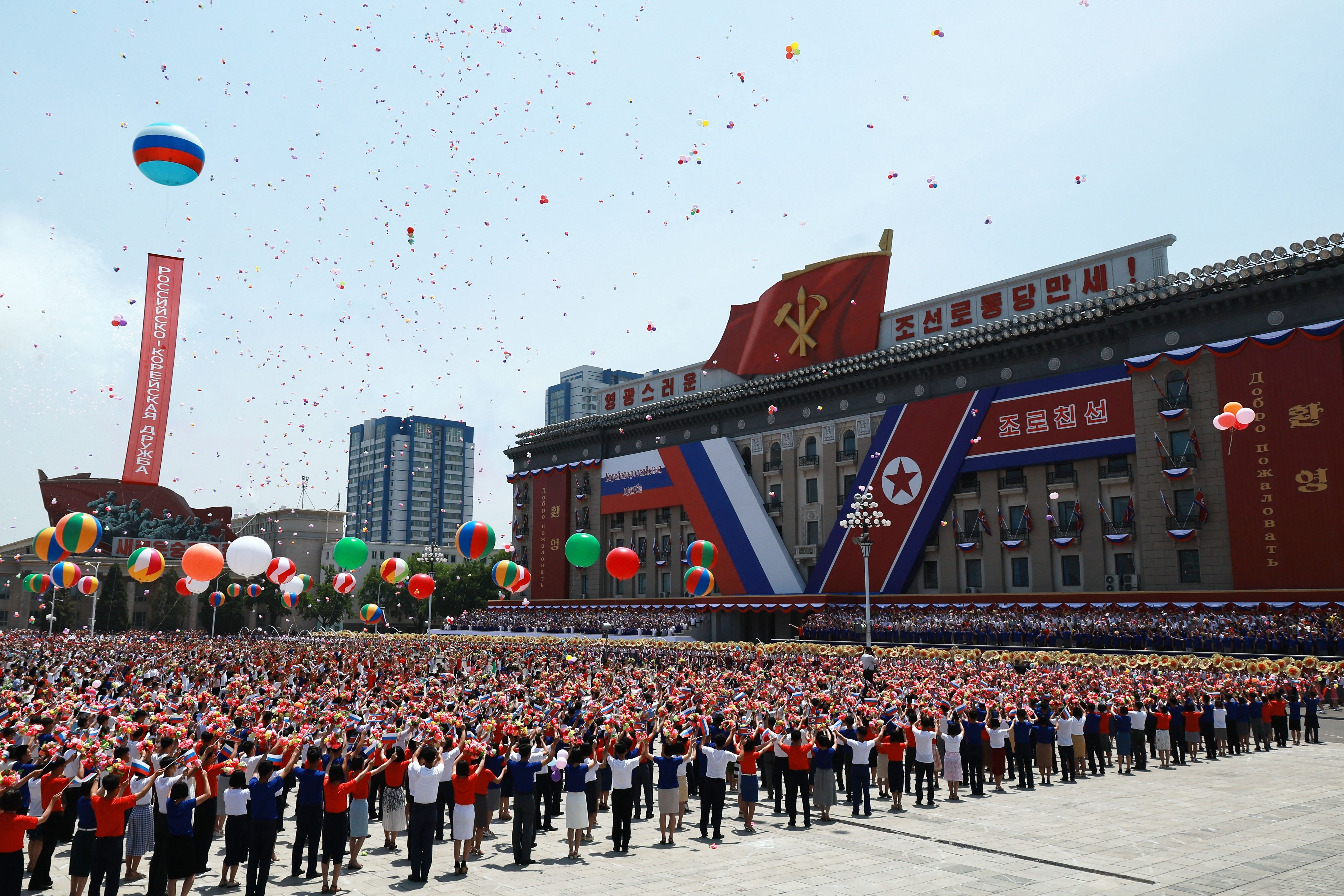
    Beyond the Putin-Kim Alliance: How Can the International Community Engage China to Contain Nuclear Risks Over the Korean Peninsula?

    Faced with an increase in strategic maneuvering by Moscow and Pyongyang, Beijing will not sit idly by and allow Putin and Kim to shape the security environment on its behalf.

      Tong Zhao
  • Commentary
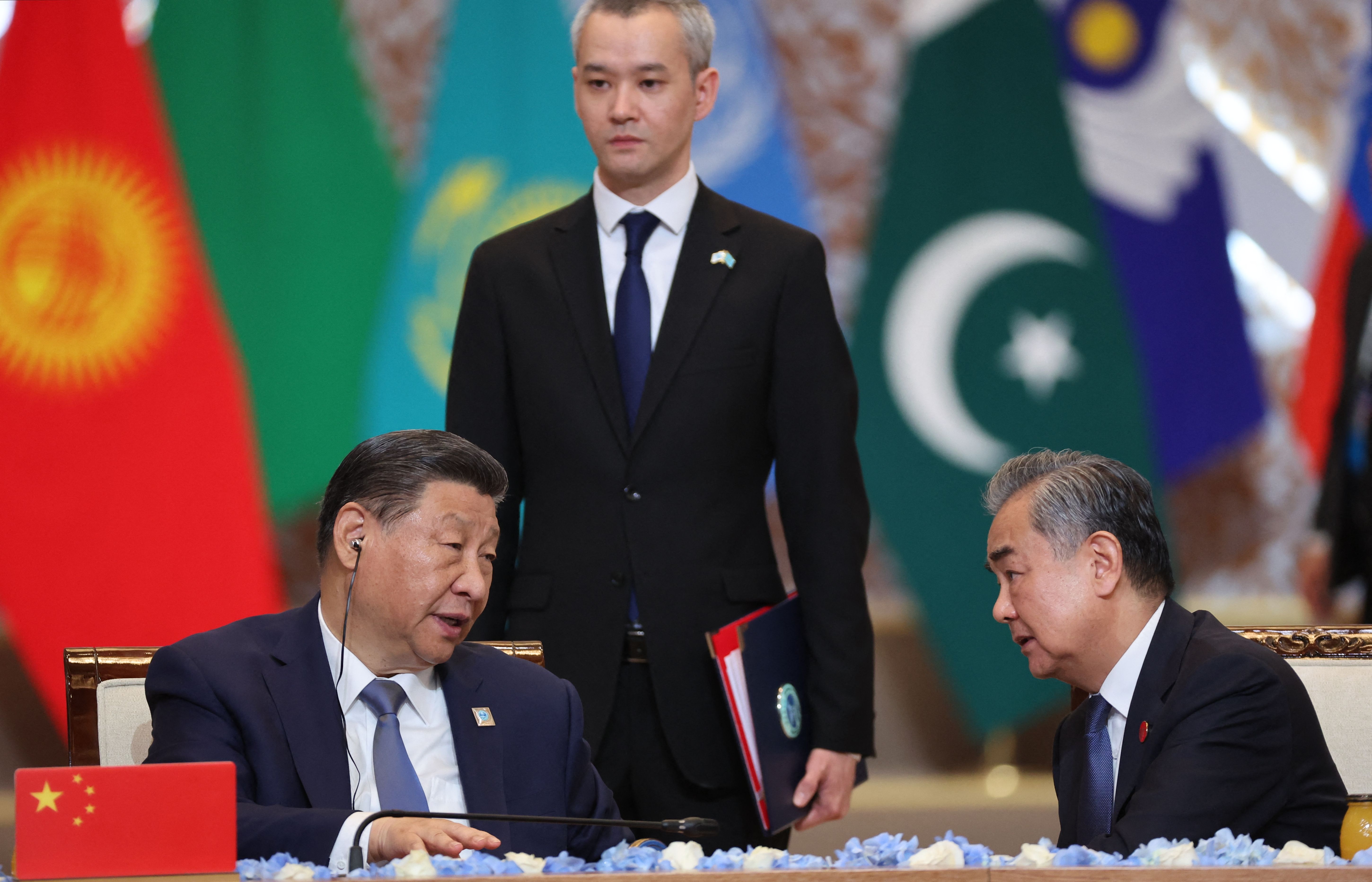
    What Does Xi Jinping Want From Central Asia?

    China’s growing attention to Central Asia is perceived as a harbinger of tectonic shifts in regional geopolitics.

      Temur Umarov
  • Commentary
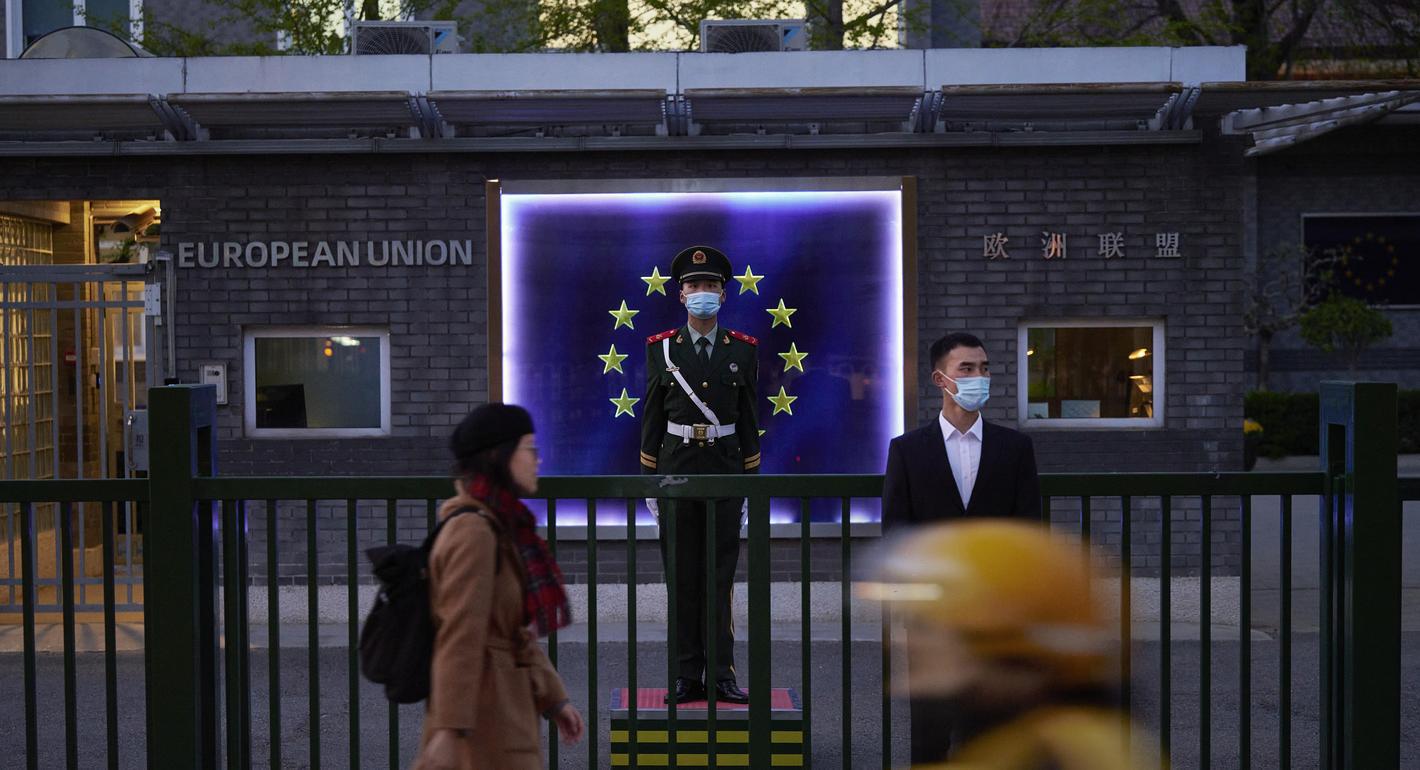
    China-Europe Relations, Two Years After Russia Invaded Ukraine

    The Russian invasion of Ukraine is a turning point in the EU-China relationship, and evolution of the China-Russia relationship will continue to impact EU-China relations.
      Yifan Ding, Alice Ekman

Get more news and analysis from
Carnegie China
Carnegie China logo, white
  • Research
  • About
  • Experts
  • Events
  • Contact
  • Careers
  • Privacy
  • For Media
Get more news and analysis from
Carnegie China
© 2026 Carnegie Endowment for International Peace. All rights reserved.