

Commentary
Dmitri Trenin
{
  "authors": [
    "Dmitri Trenin"
  ],
  "type": "legacyinthemedia",
  "centerAffiliationAll": "",
  "centers": [
    "Carnegie Endowment for International Peace",
    "Carnegie Russia Eurasia Center"
  ],
  "collections": [],
  "englishNewsletterAll": "",
  "nonEnglishNewsletterAll": "",
  "primaryCenter": "Carnegie Russia Eurasia Center",
  "programAffiliation": "",
  "programs": [],
  "projects": [],
  "regions": [
    "Caucasus",
    "Russia"
  ],
  "topics": [
    "Political Reform"
  ]
}
Source: Getty
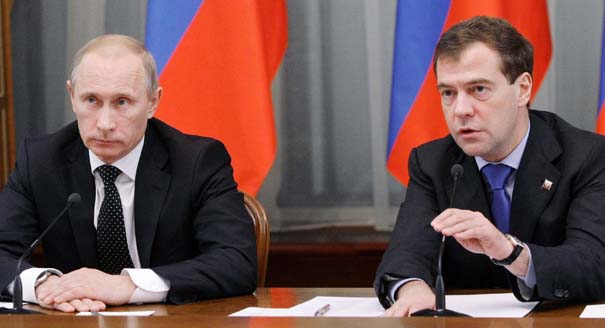
To dismiss Medvedev as a mere Putin puppet would be a mistake; Medvedev was chosen to recruit an internet savvy and generally more liberal Russian constituency to the Kremlin’s program of conservative modernization.
Source: Scotsman.com

They also view Russia in terms of a tradition whereby every new tsar partly repudiates the legacy of his predecessor, creating a political thaw at the beginning of a new reign. Khrushchev's de-Stalinisation is Exhibit A.
Both methods were used to describe the Putin-Medvedev relationship – to understand its nature and dynamic, and what it portends for Russia. But observers remain puzzled.
To dismiss Medvedev as a mere Putin puppet would be both unfair and wrong. Russia's third president has a broader role and a distinct function.
For all the apparent freshness of Mr Medvedev's recent pronouncements, including his now famous article "Go Russia!" – which sounded a clarion call for modernisation and liberalism – he is borrowing massively from Putin's vocabulary of 2000. This suggests that the issue of modernisation, which lay dormant throughout the fat years of high oil prices, is back on the Kremlin agenda.
In 2008, Medvedev was installed in the Kremlin as part of "Putin's plan", the substantive part of which was known as "Strategy 2020", a blueprint for continued economic growth and diversification. The intervening crisis only made the Kremlin modify and sharpen its plan. And Medvedev is a key agent in its execution.
Putin chose Medvedev carefully, and not only for his unquestionable loyalty, vitally important as that is. Putin, among other things, is a combative nationalist, and he wants Russia to succeed in a world of competing powers. He is certainly conservative, but he is also a self-described moderniser.
Putin wants to finish the job, and much works in his favour. He is the tsar. He has both money – the government's budget and the oligarchs' fortunes – and the coercive power of the state in his hands. He is the arbiter at the top and the troubleshooter in social conflicts below. His most precious resource is his personal popularity, which gives a flavour of consent to his regime.
Enter Medvedev. His internet-surfing, compassionate and generally liberal image helps recruit a key constituency – those beyond the reach of Putin – to the Putin plan. Whether the plan succeeds is another matter.
Conservative modernisation is a gamble. To modernise Russia, one must break the stranglehold of corruption, establish accountability and free the media. At some point, Putin and Medvedev will have to decide. Either they give priority to the survival of the current system and accept Russia's steady marginalisation, or they start opening up the system, putting its survival at risk. Given the geopolitical factors in Russian decision-making, it is difficult to predict which they will choose.
Former Director, Carnegie Moscow Center
Trenin was director of the Carnegie Moscow Center from 2008 to early 2022.
Recent Work
Dmitri Trenin
Dmitri Trenin
Carnegie does not take institutional positions on public policy issues; the views represented herein are those of the author(s) and do not necessarily reflect the views of Carnegie, its staff, or its trustees.
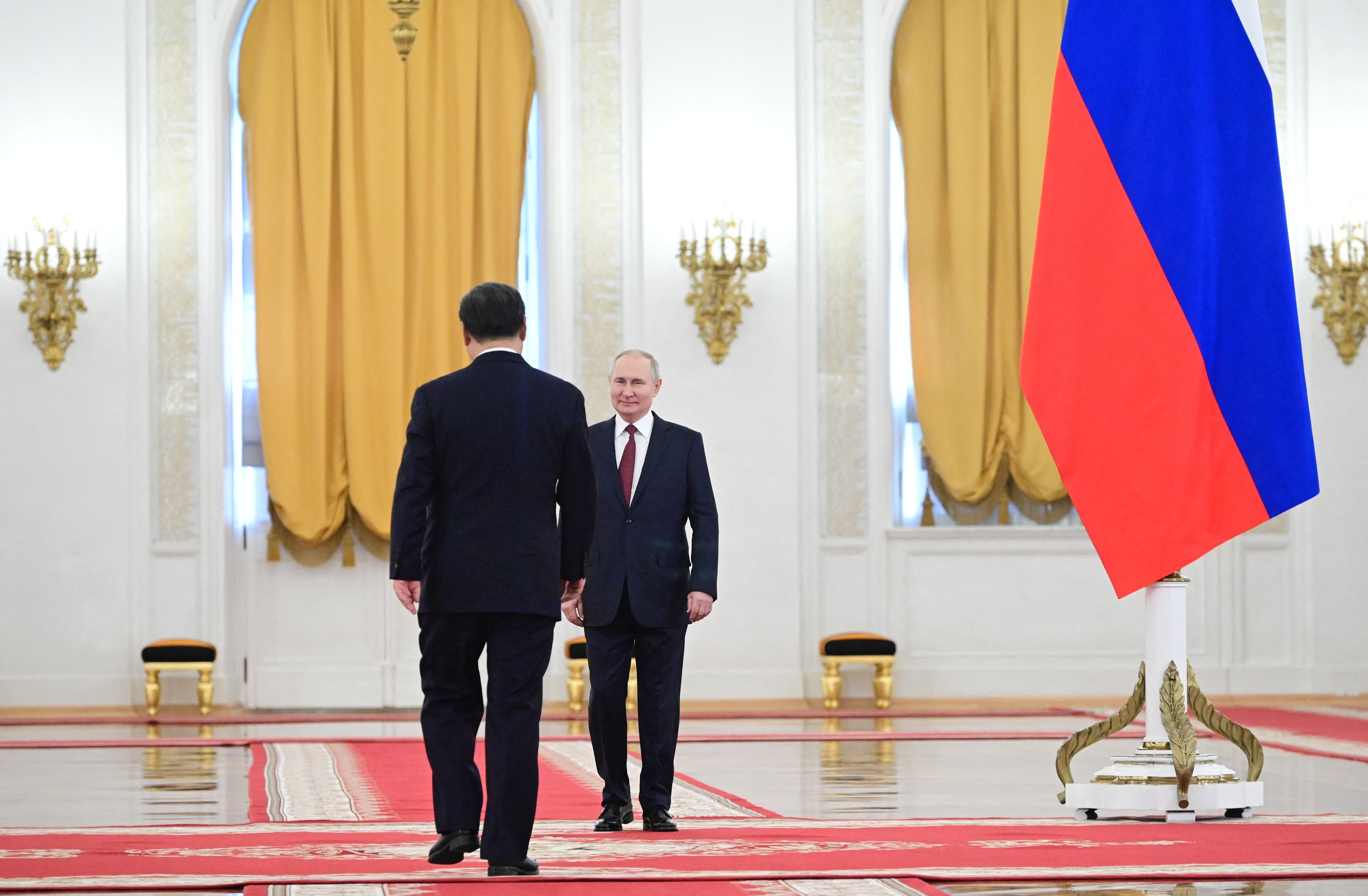
Beijing is trying to navigate the overall situation regarding Ukraine, especially the substance of interactions between Washington and Moscow.
Ellen Nakashima, Zhao Long, Pavlo Klimkin, …
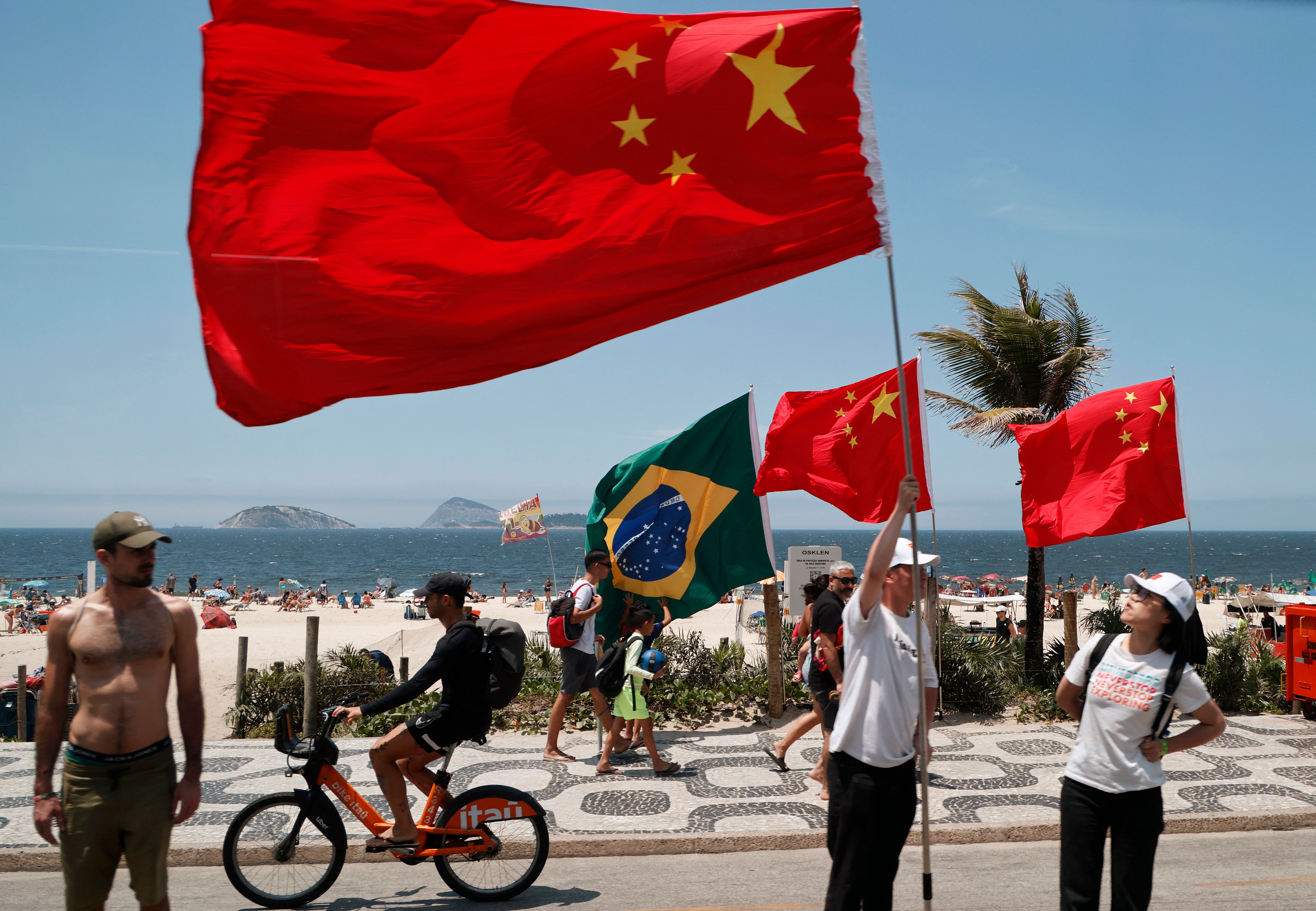
While China will remain a significant political and economic force in the Global South, its ambition to leverage the Global South as a counterbalance to the United States and the Global North is far from assured.

Xue Gong
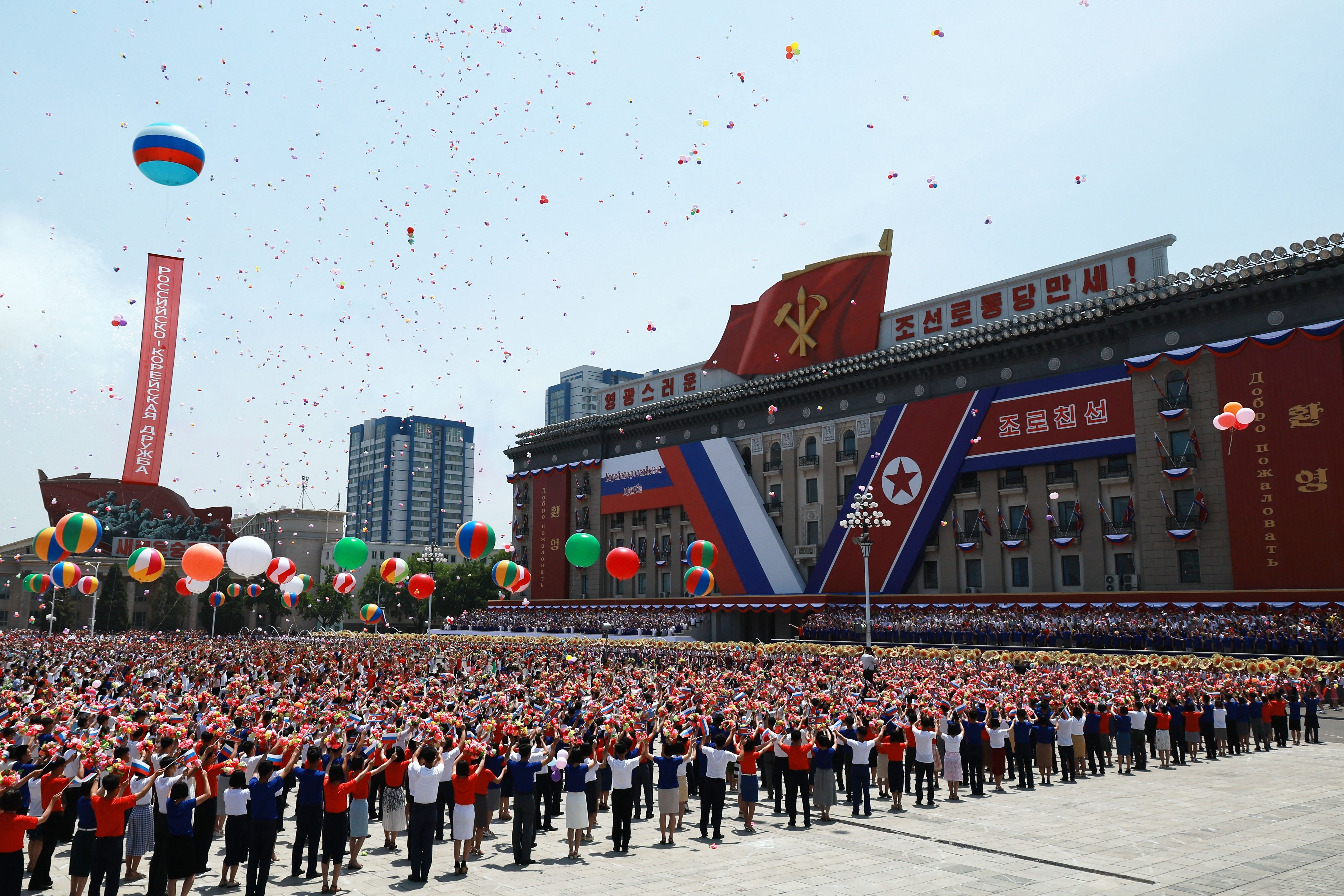
Faced with an increase in strategic maneuvering by Moscow and Pyongyang, Beijing will not sit idly by and allow Putin and Kim to shape the security environment on its behalf.

Tong Zhao
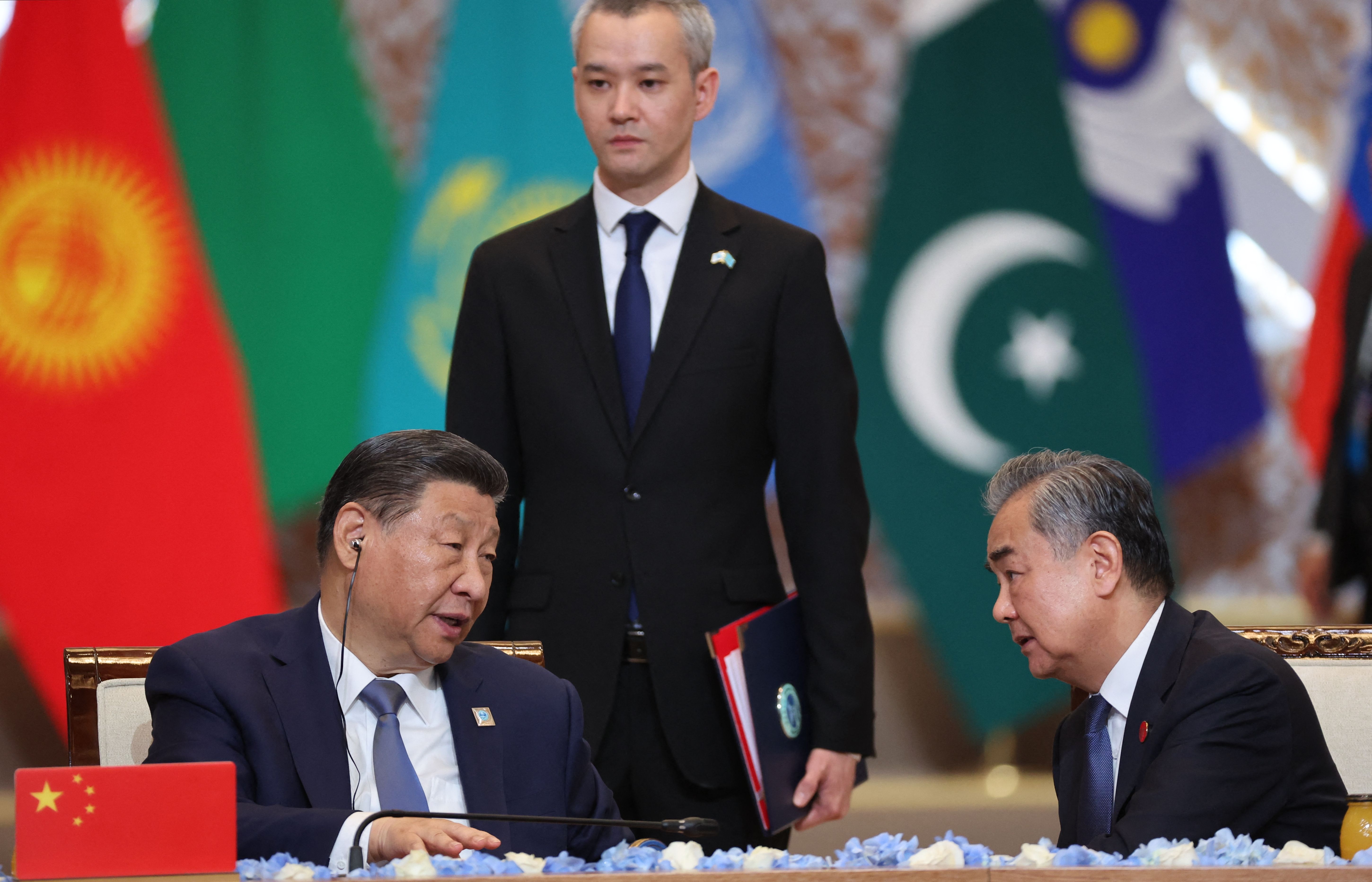
China’s growing attention to Central Asia is perceived as a harbinger of tectonic shifts in regional geopolitics.

Temur Umarov
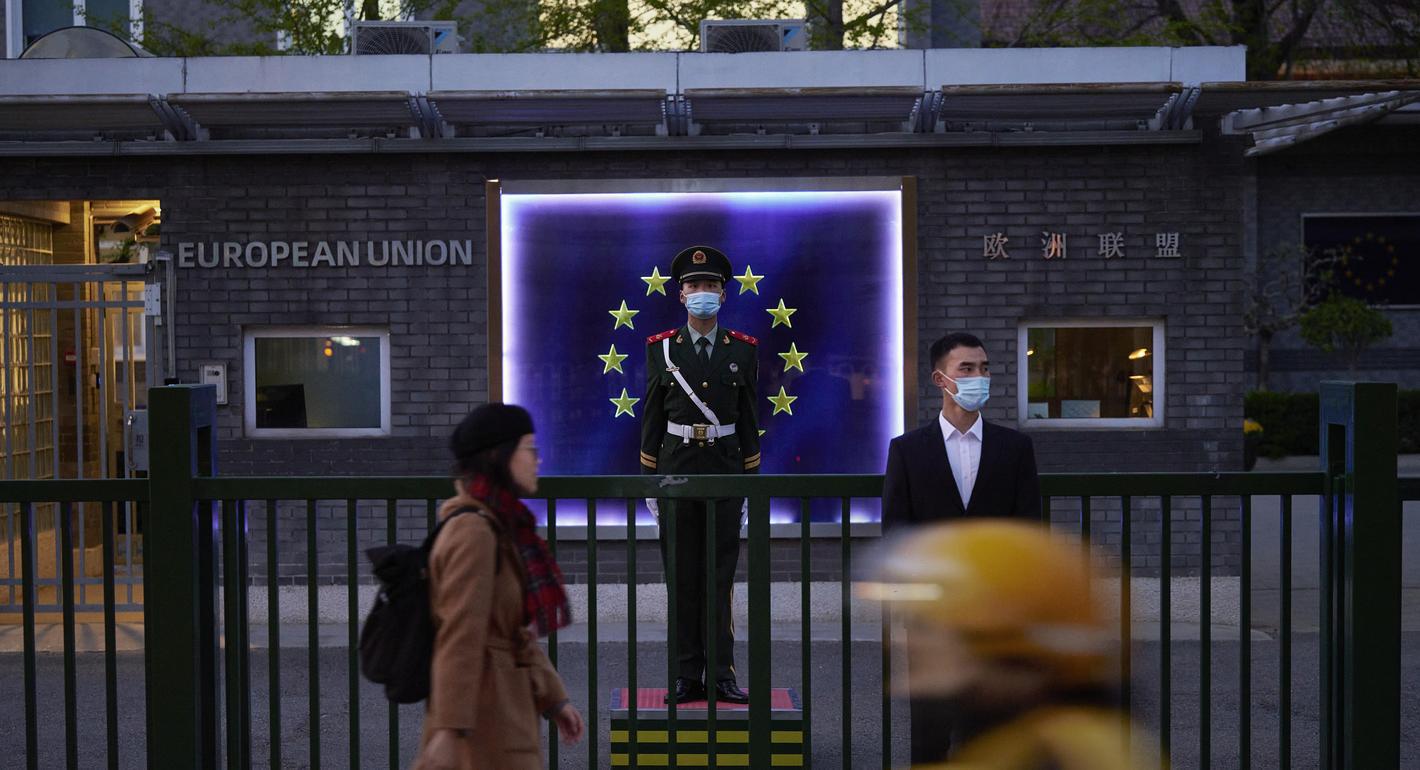
The Russian invasion of Ukraine is a turning point in the EU-China relationship, and evolution of the China-Russia relationship will continue to impact EU-China relations.
Yifan Ding, Alice Ekman