

Commentary
Nikolay Petrov
{
  "authors": [
    "Nikolay Petrov"
  ],
  "type": "legacyinthemedia",
  "centerAffiliationAll": "",
  "centers": [
    "Carnegie Endowment for International Peace",
    "Carnegie Russia Eurasia Center"
  ],
  "collections": [],
  "englishNewsletterAll": "",
  "nonEnglishNewsletterAll": "",
  "primaryCenter": "Carnegie Russia Eurasia Center",
  "programAffiliation": "",
  "programs": [],
  "projects": [],
  "regions": [
    "Caucasus",
    "Russia"
  ],
  "topics": [
    "Political Reform"
  ]
}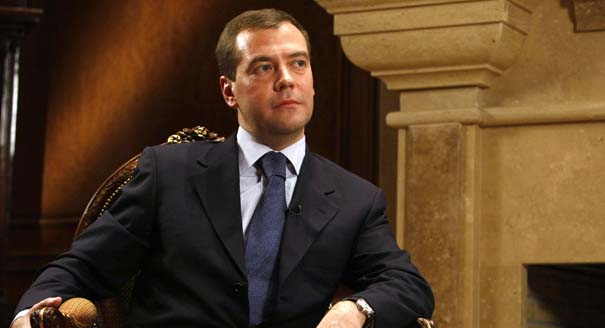
Source: Getty
The Kremlin’s decision not to nominate Kaliningrad Governor Georgy Boos to serve a second term was a response to large scale popular demonstrations and the complaints of the opposition.
Source: The Moscow Times

On Monday, President Dmitry Medvedev nominated Nikolai Tsukanov, the head of United Russia’s Kaliningrad branch, to replace Boos.
Boos was not the only person excluded from the list of candidates. Alexander Datsyshin, deputy presidential envoy to the region and Boos’ chief rival for the governor’s spot, was also omitted from the list.
If the Kremlin had replaced Boos with Datsyshin, it would have set a dangerous precedent of allowing street protests to determine who wins in a battle among members of the political elite. A common tactic in the “velvet revolutions” of the 1980s was for political opponents to exploit the strong protest movement to rally against the incumbent. Now Moscow understandably fears provoking the regional elite into using widespread protests against the Kremlin.
Boos is far from being the country’s worst governor. To be fair, he made commendable changes after the January demonstrations in which more than 10,000 protesters voiced their complaints about transportation taxes, high unemployment and low living standards.
Boos is a young, ambitious and successful businessman with strong experience in public politics and federal government. The protests against Boos were largely aimed against the larger government system that Prime Minister Vladimir Putin constructed rather than against Boos personally.
This is similar to what happened when former Soviet leader Mikhail Gorbachev replaced unpopular party secretaries in the late 1980s. Gorbachev didn’t understand that the problem was with the entire Communist system, and not those particular individuals.
There was another protest in Kaliningrad on Saturday, even though the protesters already knew that Boos would not be nominated for another gubernatorial term. It seemed as if the authorities had done everything possible to avoid a mass demonstration. They had moved the scheduled rally out of town by staging concerts and charitable activities by United Russia in the city center, and they conducted a campaign of intimidation against businesspeople and others who had helped organize the demonstration. They also proposed three neutral candidates who did not provoke any opposition from Kaliningrad residents. But despite all this, the rally drew 3,000 people calling for Prime Minister Vladimir Putin’s resignation and the return of direct gubernatorial elections.
Faced with mass demonstrations, the Kremlin decided not to take any risks. It put forward local candidates instead of another outsider like Boos.
More important, in response to protests the Kremlin listened closely to the opposition’s complaints instead of resorting to its usual knee-jerk reaction of tightening the screws. The important thing now is that the Kremlin extends this constructive — and almost democratic — approach to regions well beyond the small and isolated exclave of Kaliningrad.
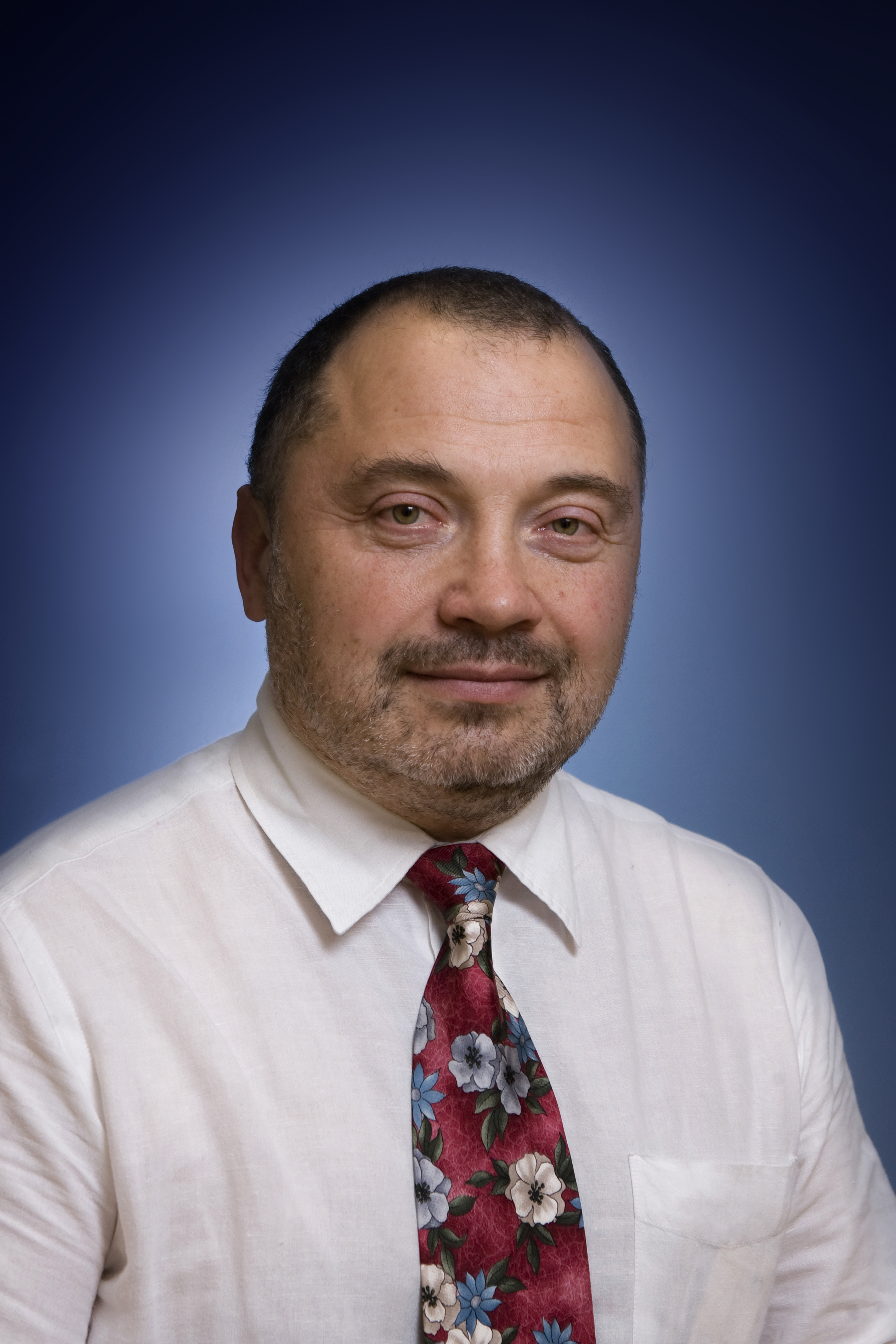
Former Scholar-in-Residence, Society and Regions Program, Moscow Center
Nikolay Petrov was the chair of the Carnegie Moscow Center’s Society and Regions Program. Until 2006, he also worked at the Institute of Geography at the Russian Academy of Sciences, where he started to work in 1982.
Recent Work
Nikolay Petrov
Nikolay Petrov
Carnegie does not take institutional positions on public policy issues; the views represented herein are those of the author(s) and do not necessarily reflect the views of Carnegie, its staff, or its trustees.
Beijing is trying to navigate the overall situation regarding Ukraine, especially the substance of interactions between Washington and Moscow.

Ellen Nakashima, Zhao Long, Pavlo Klimkin, …
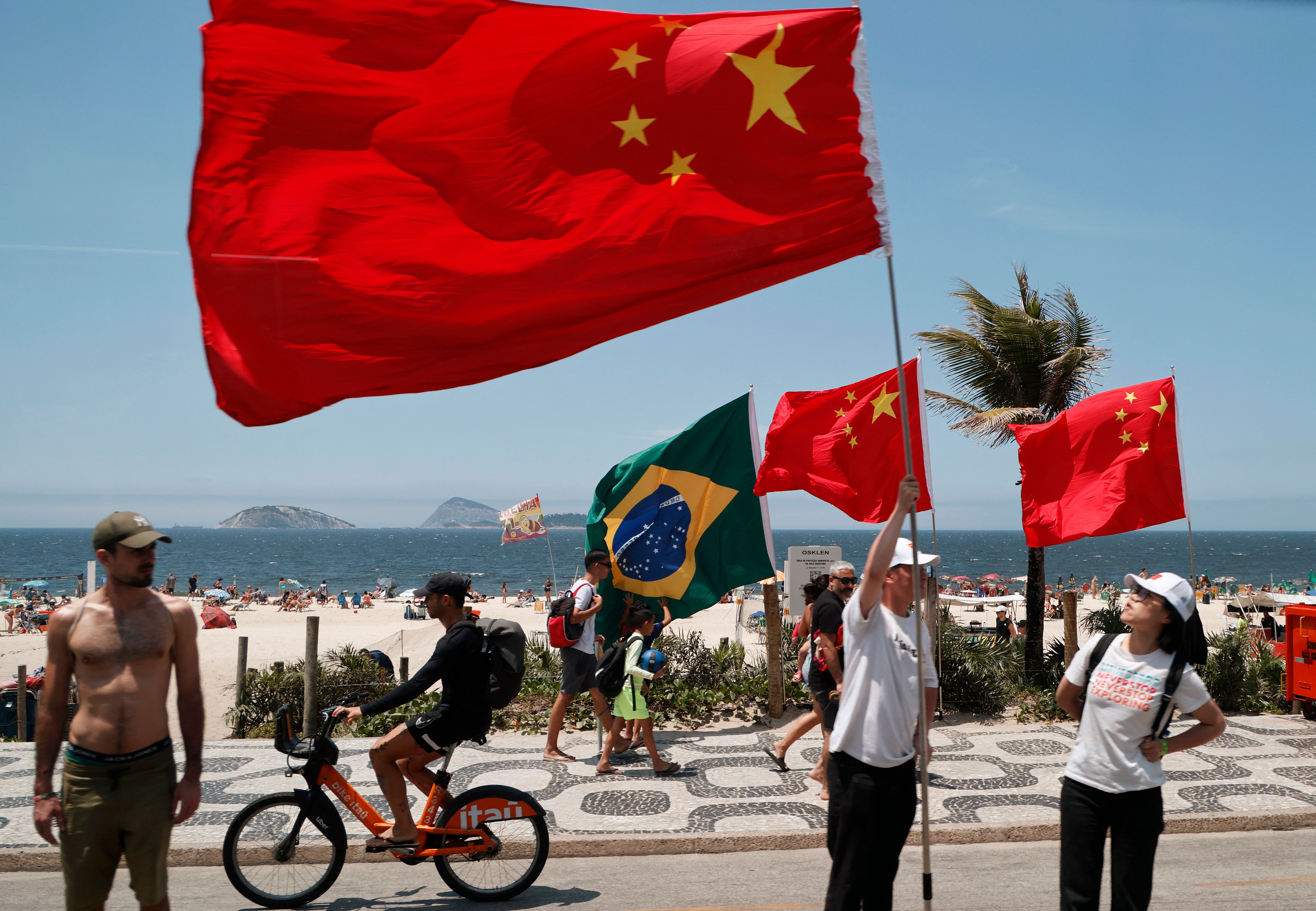
While China will remain a significant political and economic force in the Global South, its ambition to leverage the Global South as a counterbalance to the United States and the Global North is far from assured.

Xue Gong
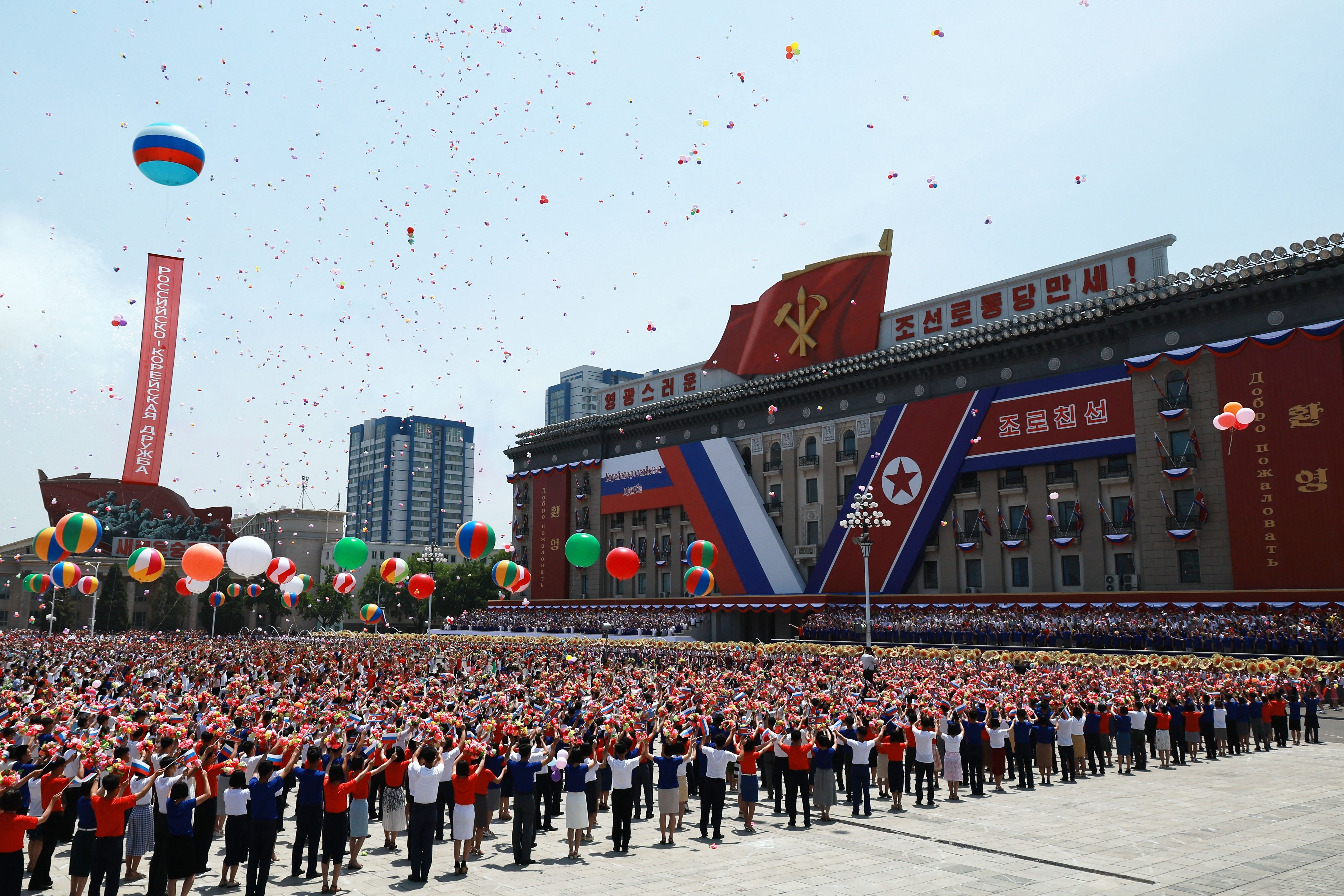
Faced with an increase in strategic maneuvering by Moscow and Pyongyang, Beijing will not sit idly by and allow Putin and Kim to shape the security environment on its behalf.

Tong Zhao
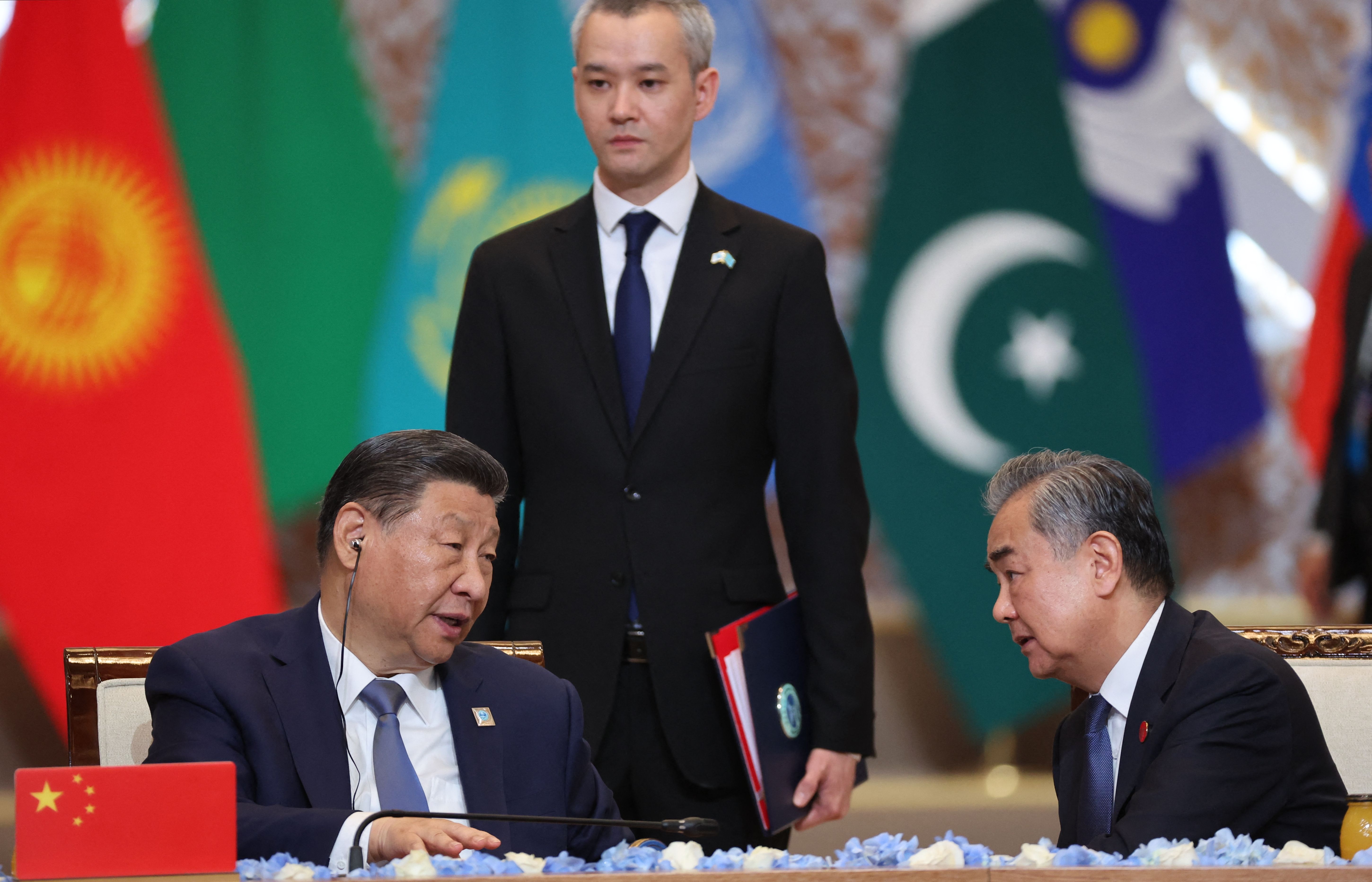
China’s growing attention to Central Asia is perceived as a harbinger of tectonic shifts in regional geopolitics.

Temur Umarov
The Russian invasion of Ukraine is a turning point in the EU-China relationship, and evolution of the China-Russia relationship will continue to impact EU-China relations.
Yifan Ding, Alice Ekman