

Commentary
Dmitri Trenin
{
  "authors": [
    "Dmitri Trenin"
  ],
  "type": "legacyinthemedia",
  "centerAffiliationAll": "",
  "centers": [
    "Carnegie Endowment for International Peace",
    "Carnegie Europe",
    "Carnegie Russia Eurasia Center"
  ],
  "collections": [],
  "englishNewsletterAll": "",
  "nonEnglishNewsletterAll": "",
  "primaryCenter": "Carnegie Russia Eurasia Center",
  "programAffiliation": "",
  "programs": [],
  "projects": [],
  "regions": [
    "Caucasus",
    "Russia"
  ],
  "topics": [
    "Security"
  ]
}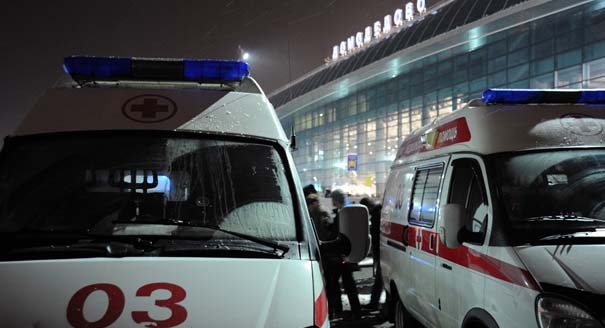
Source: Getty
Jihadists in the North Caucasus, spurred by widespread poverty, mass unemployment, and rampant corruption, are likely behind the recent suicide bombing at Moscow’s Domodedovo airport.
Source: Aspenia online

Aspenia online spoke with Dmitri Trenin, director of the Carnegie Moscow Center.
What is the origin of this situation?
The situation that has made acts of terror a regular occurrence in Moscow and southern Russia has arisen out of a number of sources. The principal one is transmutation of North Caucasus militancy from separatism to jihadism. The North Caucasus has again become virtually a war zone. This time it is essentially civil war in which the jihadis attack local police and government officials, and mainstream Islamic figures. In response, Russian special forces mount operations against the terrorists and extremists. Often, they take no prisoners. Underlying this is mass unemployment, especially among young males, widespread poverty, and rampant corruption of the local officials, who have learned to convert their loyalty to Moscow for federal money transfers over which there is no outside oversight. The Russian police and security services are both too corrupt and too incompetent to deal with the situation effectively.
Is there a political game being played here?
Those Russians who are strongly critical of the authorities speculate about the government interest in letting the security situation deteriorate in order to minimize any threat to the powers that be in the run-up to the December 2011 Duma elections and the spring 2012 presidential poll. If this were true, this is a double-edged sword. The public at large is getting angry at the authorities' inability to protect the ordinary people, who unlike the members of the ruling elite are soft targets for the terrorists. This anger may subside after a while, but the potential for widespread dissatisfaction with the way things are is building up. At some point, some proverbial last straw may break the camel's back.
Are we sure this is internal terrorism? Or could it be from the outside?
Jihadis do not recognize international borders, especially as regards Muslim-populated areas. So far, most attacks against Moscow's soft targets have been the work of the people from the North Caucasus. These people, of course, have connections within the international jihadist milieu. However, the assumption of most analysts in Russia is that this was the work of terrorists based in the North Caucasus.
The mainstream view is that Putin had won in Chechnya. Is the war really over?
The war in Chechnya as the world knew it in the 1990s and the early 2000s is over. What we are witnessing is different. It is continued violence in the entire North Caucasus area between where the extremists attack the moderates; it is special ops by the Russian forces; and it is attacks against soft targets in Moscow and southern Russian cities. There is no frontline; there is no central authority on the jihadist side; and it is more often than not civilians who are dying.
Who gains from this politically, Putin?
I do not necessarily see Putin gaining from this situation. The decision about the presidency in 2012 has always been his, not to be challenged by Medvedev or, seriously, the opposition. If there is a temptation to use the terror acts to bolster the authorities' position ahead of the dual election, this might work in the short term, but can be very dangerous in the longer one.
Former Director, Carnegie Moscow Center
Trenin was director of the Carnegie Moscow Center from 2008 to early 2022.
Recent Work
Dmitri Trenin
Dmitri Trenin
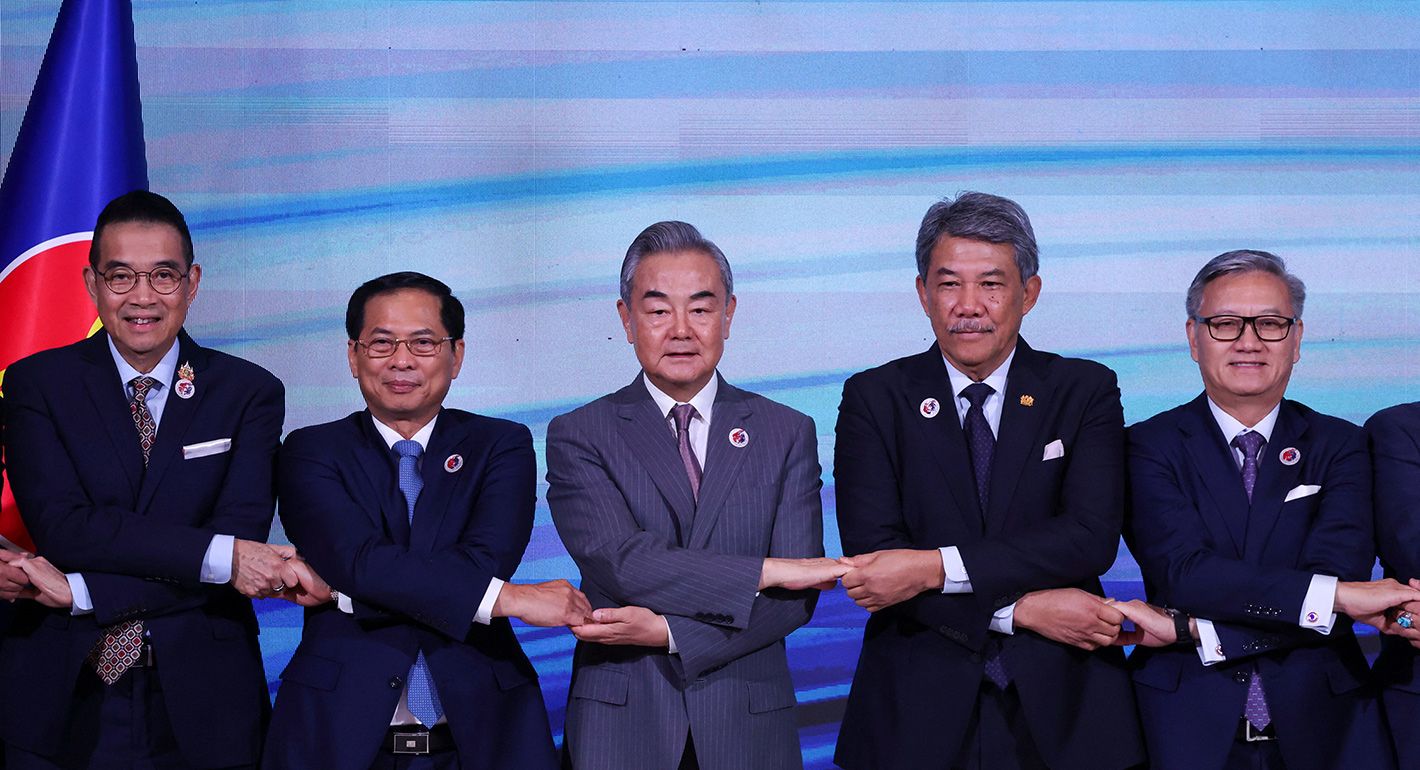
The Thai-Cambodian conflict highlights the limits to China's peacemaker ambition and the significance of this role on Southeast Asia’s balance of power.

Pongphisoot (Paul) Busbarat
Beijing believes that Washington is overestimating its own leverage and its ability to handle the trade war’s impacts.


Rick Waters, Sheena Chestnut Greitens
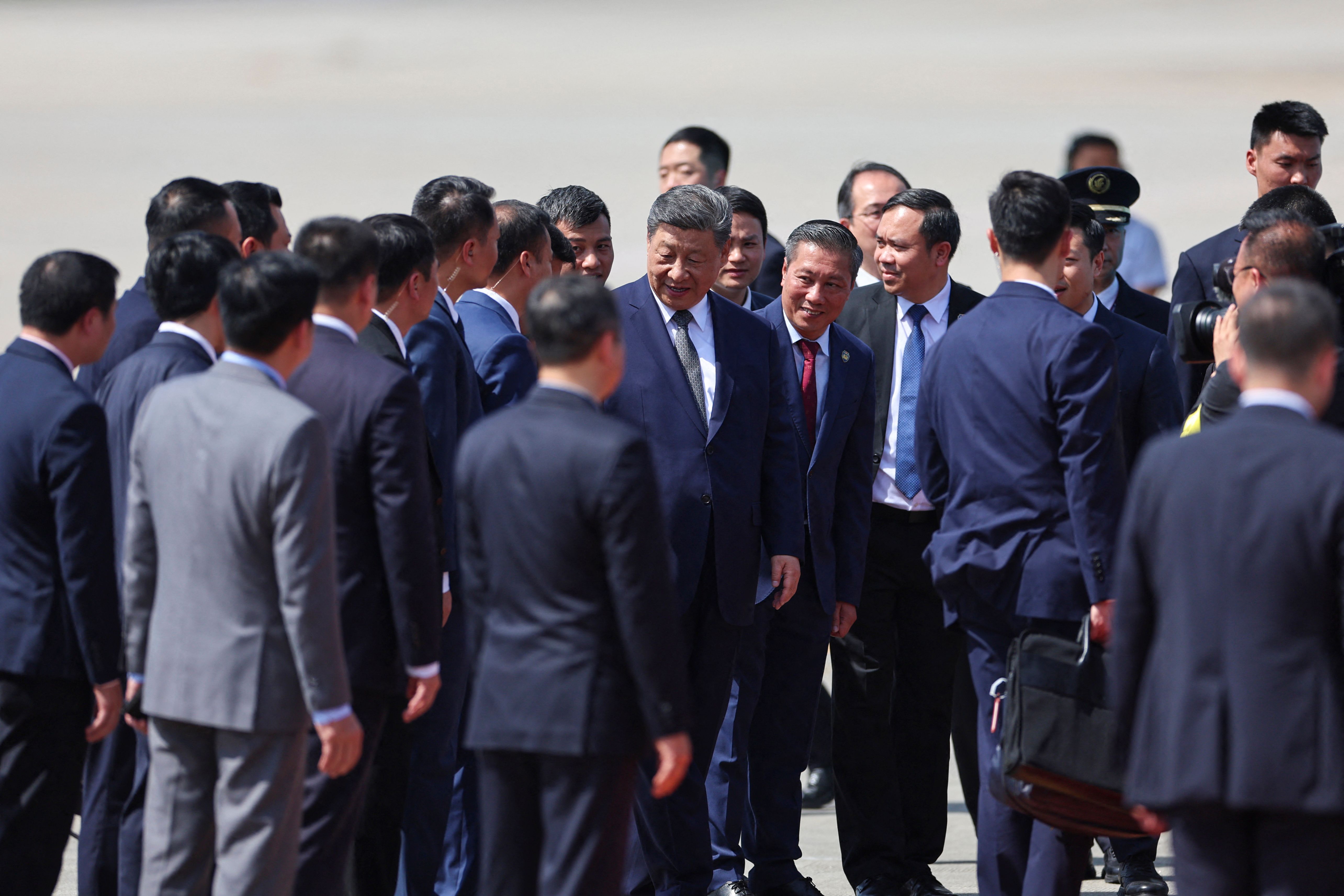
Tapping our network of China experts in the region, Carnegie China offers this latest “China Through a Southeast Asian Lens” report to offer preliminary assessments of whether the U.S. effort to reshape the global trading order will lead countries in the region to tilt toward Beijing.



Selina Ho, Khin Khin Kyaw Kyee, Joseph Ching Velasco, …
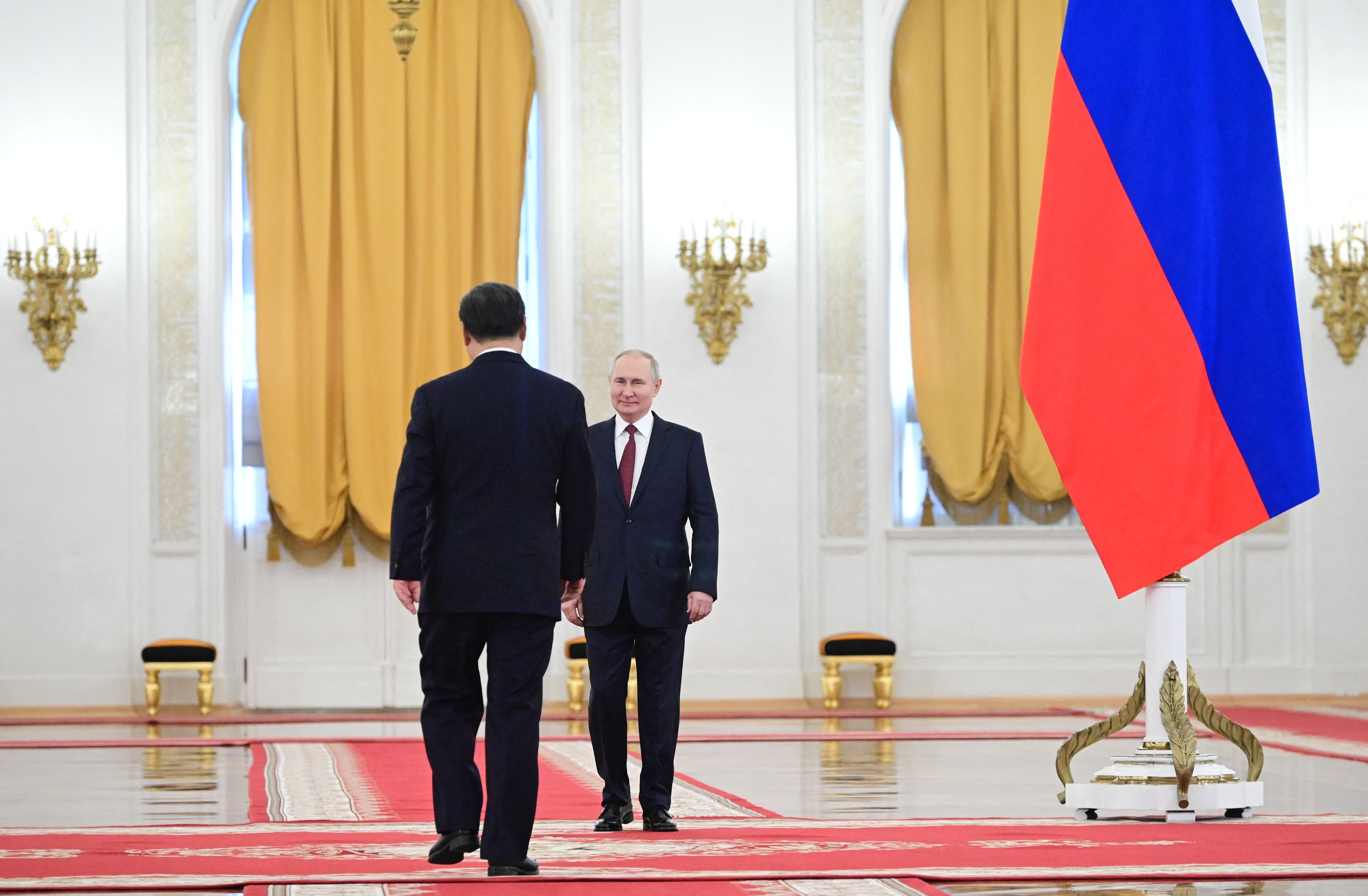
Beijing is trying to navigate the overall situation regarding Ukraine, especially the substance of interactions between Washington and Moscow.

Ellen Nakashima, Zhao Long, Pavlo Klimkin, …
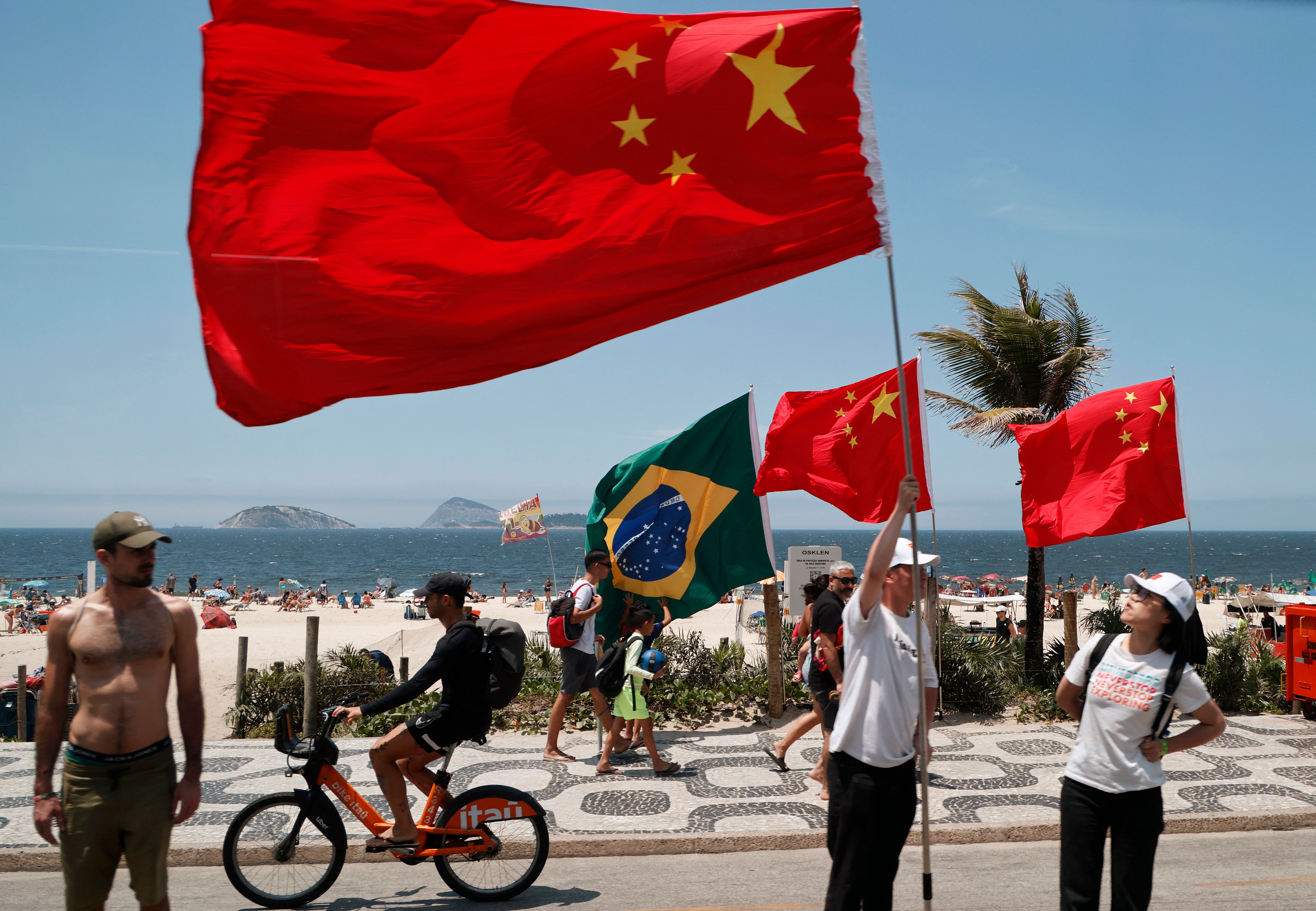
While China will remain a significant political and economic force in the Global South, its ambition to leverage the Global South as a counterbalance to the United States and the Global North is far from assured.

Xue Gong