

Commentary
Nikolay Petrov
{
  "authors": [
    "Nikolay Petrov"
  ],
  "type": "legacyinthemedia",
  "centerAffiliationAll": "",
  "centers": [
    "Carnegie Endowment for International Peace",
    "Carnegie Russia Eurasia Center"
  ],
  "collections": [],
  "englishNewsletterAll": "",
  "nonEnglishNewsletterAll": "",
  "primaryCenter": "Carnegie Russia Eurasia Center",
  "programAffiliation": "",
  "programs": [],
  "projects": [],
  "regions": [
    "Caucasus",
    "Russia"
  ],
  "topics": [
    "Political Reform"
  ]
}
Source: Getty
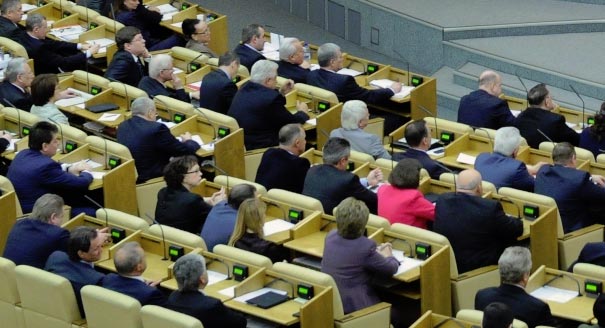
The recent bill on the State Duma elections seems like a concession to the opposition, but in reality it would actually be a serious obstacle to the development of a full-fledged multiparty system and the strengthening of representative government.
Source: The Moscow Times

Take, for example, a bill on the State Duma elections unveiled last week has already become the butt of many jokes among analysts. The bill includes provisions for holding early Duma elections — seemingly a concession to the opposition, which claimed the December Duma elections were heavily falsified — but in reality, this would actually be a serious obstacle to the development of a full-fledged multiparty system and the strengthening of representative government.
At its core, the bill marginalizes the opposition and creates the greatest possible advantage for the Kremlin and its ruling party. In particular, the bill takes advantage of the fact that opposition forces are concentrated in large cities and are weak in the regions.The 400-page election bill submitted to the Duma is exceptionally unwieldy, and the new elements it introduces could better be implemented by making changes to existing legislation rather than by introducing a new law. The Kremlin has two goals: first, to create the impression that it is proposing an entirely new law on elections, and, second, to create a smoke screen by "restoring" 225 voting districts while obscuring the fact that the bill blatantly discriminates in favor of the ruling party and attempts to strengthen its hold on power.
Specifically, the new law would preserve the purely proportional system. Under existing law, party lists are made up of at least 70 regional groups with the territorial composition of those groups unregulated by the federal center. By contrast, the new bill offers to create 225 territorial units to serve as standard subdivisions of all party lists.
The main difference of these units from the system of districts used prior to 2005 is that Moscow would now have direct control over the new units. Rather than an electoral district or region sending its representatives to the capital, Moscow itself would assign party members to the various territories.
According to a more complex system of calculations, each deputy elected from a regional group will represent a specific territory, although all territories will not have representation. In addition, because there will be no federal part of the election list, the big name Moscow party leaders will have to head regional tickets.
For example, Liberal Democratic Party leader Vladimir Zhirinovsky will not be able to head the entire party list, but only one of its 225 units. That is a blow primarily to the Liberal Democratic Party, but also to every party whose most prominent candidates are concentrated in the big cities rather than spread more evenly throughout the territories.
The bill strengthens the monopoly on power held by the existing Duma parties and will likely be supported by the majority of incumbent deputies along with the regional political elite.
Since the bill will strengthen the ruling party at the expense of developing a multiparty system, it should not be adopted. The Russian political system should have full-fledged regional districts and not subdivisions of party lists. The right to form electoral blocs should be restored along with the right of independent politicians to put forward their own candidacy and to participate in elections.

Former Scholar-in-Residence, Society and Regions Program, Moscow Center
Nikolay Petrov was the chair of the Carnegie Moscow Center’s Society and Regions Program. Until 2006, he also worked at the Institute of Geography at the Russian Academy of Sciences, where he started to work in 1982.
Recent Work
Nikolay Petrov
Nikolay Petrov
Carnegie does not take institutional positions on public policy issues; the views represented herein are those of the author(s) and do not necessarily reflect the views of Carnegie, its staff, or its trustees.
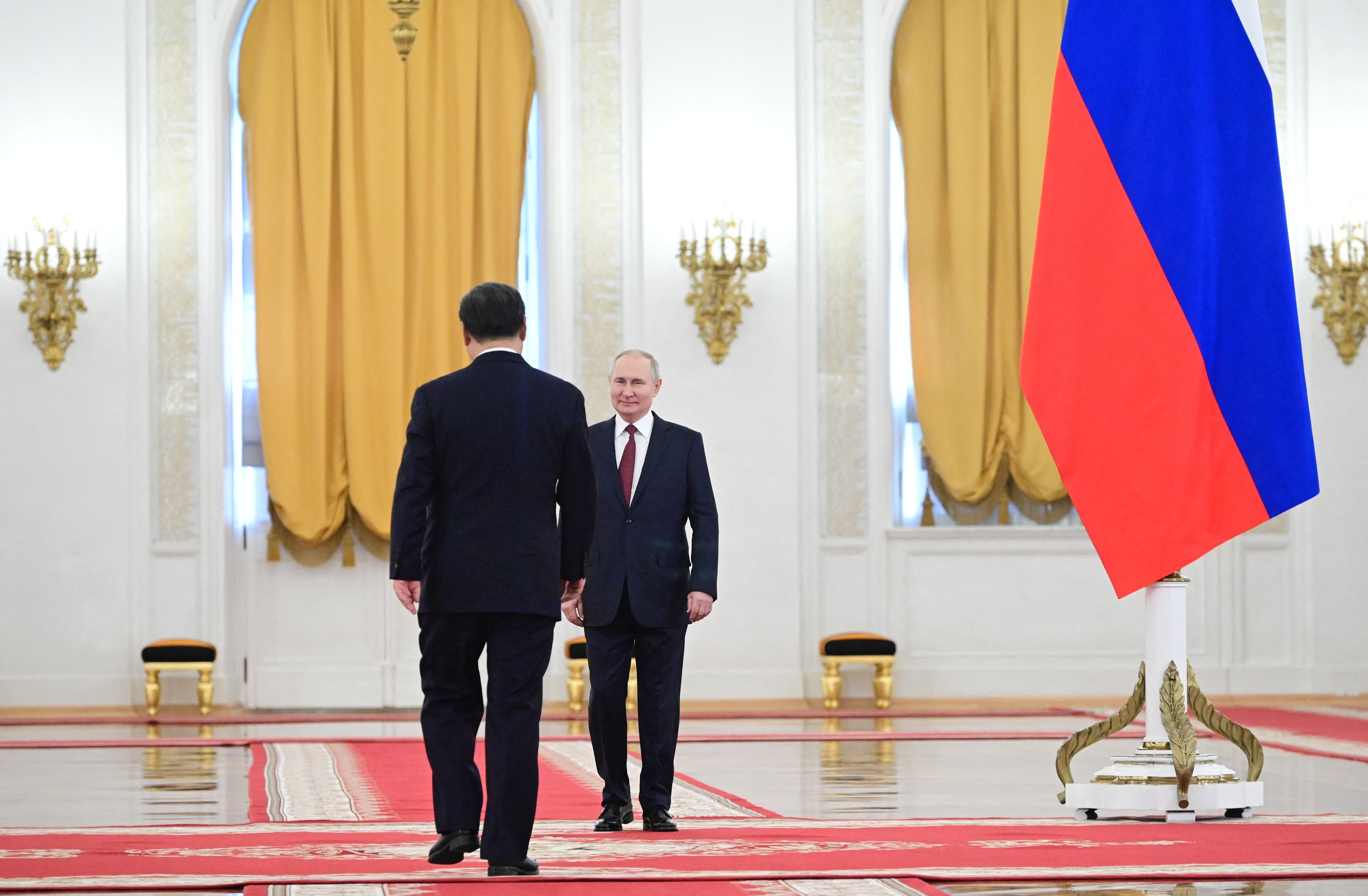
Beijing is trying to navigate the overall situation regarding Ukraine, especially the substance of interactions between Washington and Moscow.
Ellen Nakashima, Zhao Long, Pavlo Klimkin, …
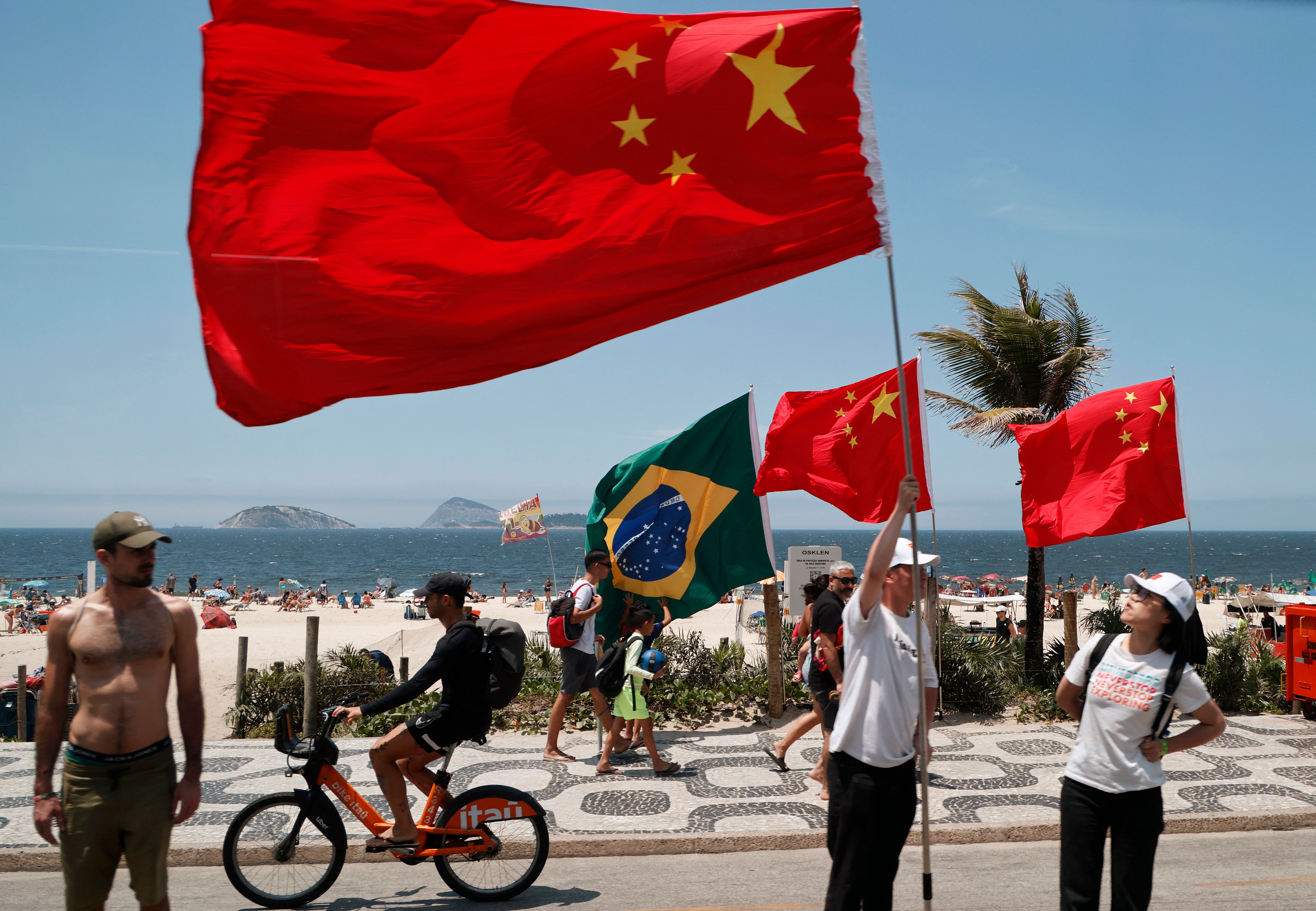
While China will remain a significant political and economic force in the Global South, its ambition to leverage the Global South as a counterbalance to the United States and the Global North is far from assured.

Xue Gong
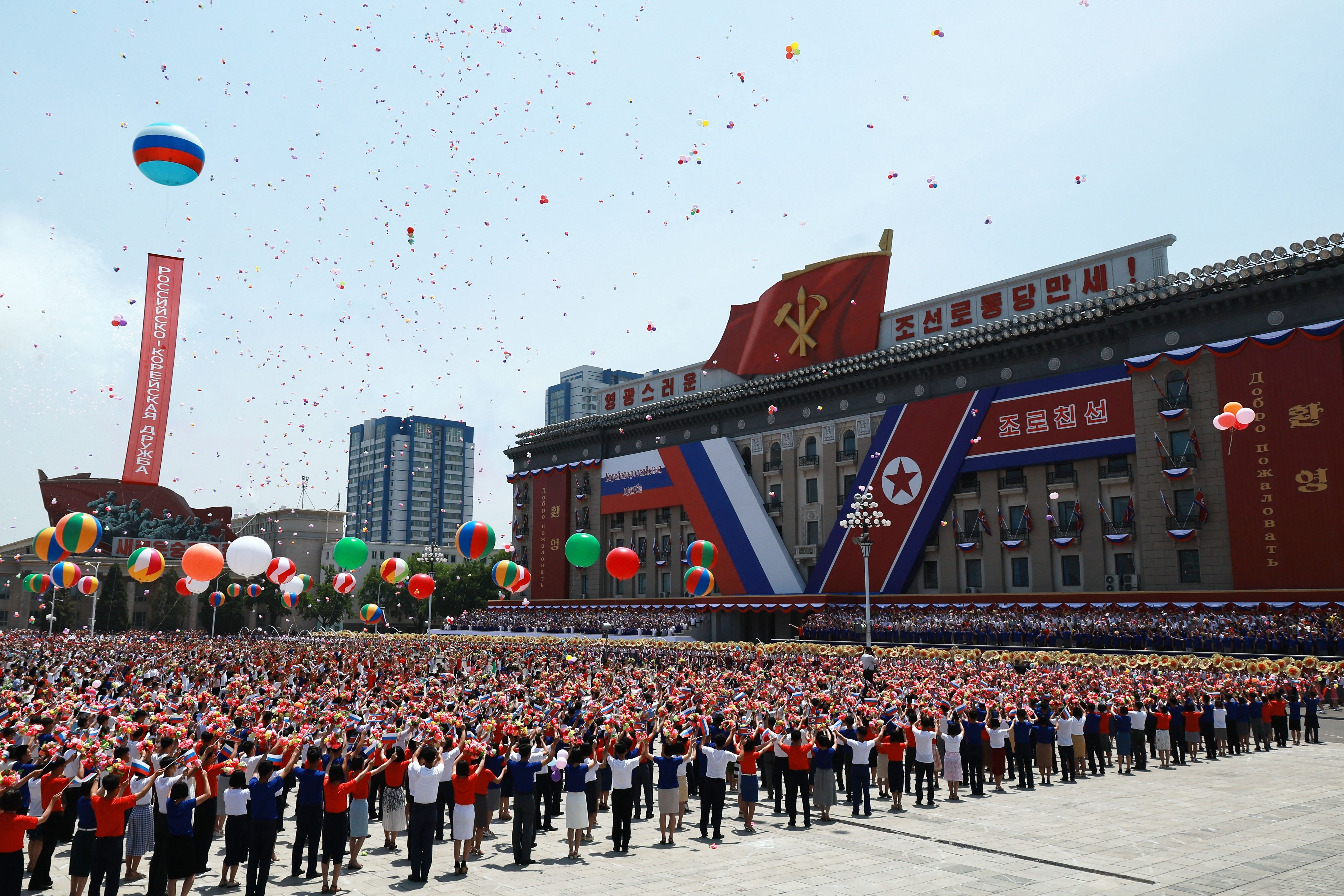
Faced with an increase in strategic maneuvering by Moscow and Pyongyang, Beijing will not sit idly by and allow Putin and Kim to shape the security environment on its behalf.

Tong Zhao
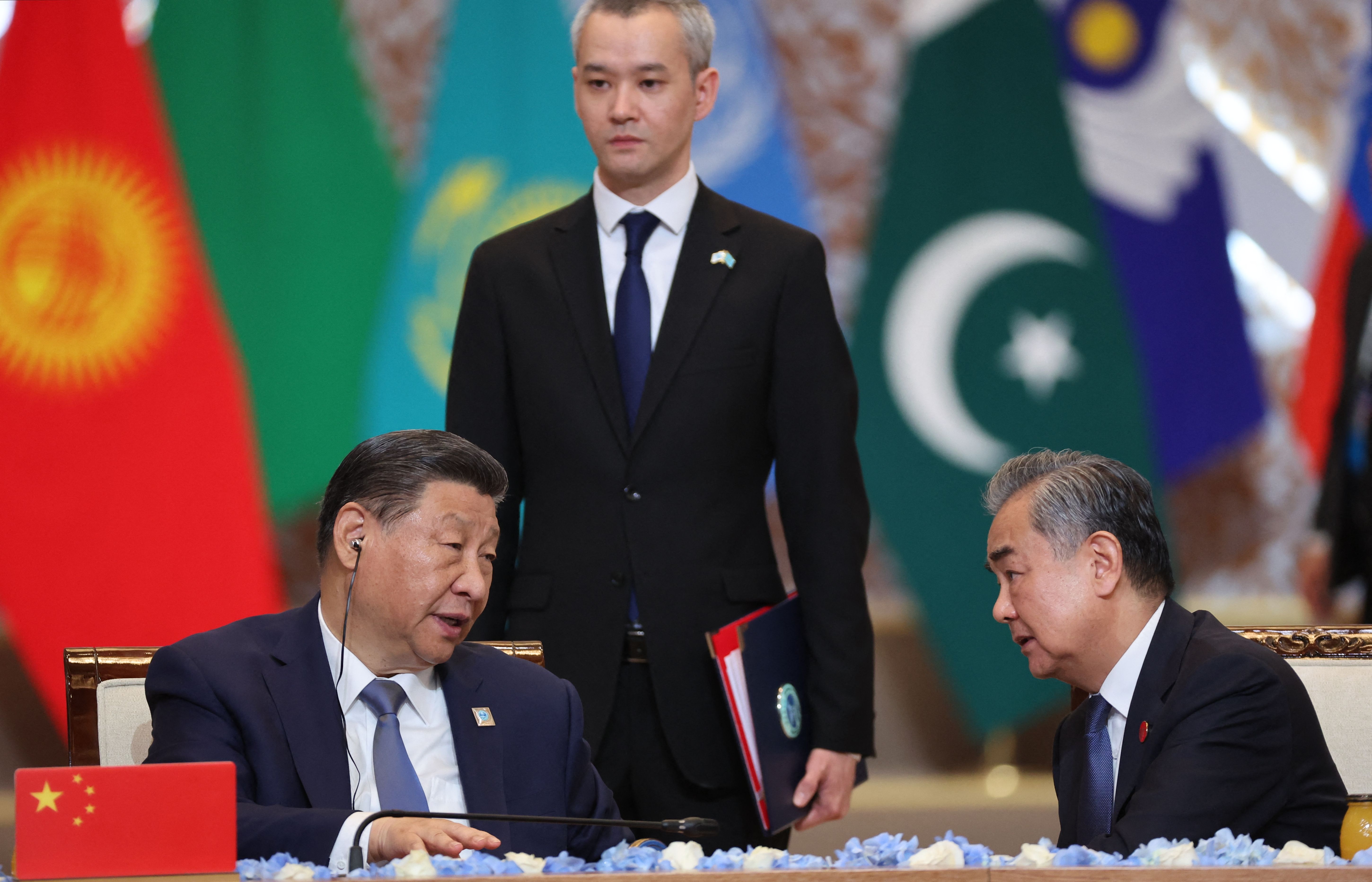
China’s growing attention to Central Asia is perceived as a harbinger of tectonic shifts in regional geopolitics.

Temur Umarov
The Russian invasion of Ukraine is a turning point in the EU-China relationship, and evolution of the China-Russia relationship will continue to impact EU-China relations.
Yifan Ding, Alice Ekman