

Commentary
Nikolay Petrov
{
  "authors": [
    "Nikolay Petrov"
  ],
  "type": "legacyinthemedia",
  "centerAffiliationAll": "",
  "centers": [
    "Carnegie Endowment for International Peace",
    "Carnegie Russia Eurasia Center"
  ],
  "collections": [],
  "englishNewsletterAll": "",
  "nonEnglishNewsletterAll": "",
  "primaryCenter": "Carnegie Russia Eurasia Center",
  "programAffiliation": "",
  "programs": [],
  "projects": [],
  "regions": [
    "Caucasus",
    "Russia"
  ],
  "topics": []
}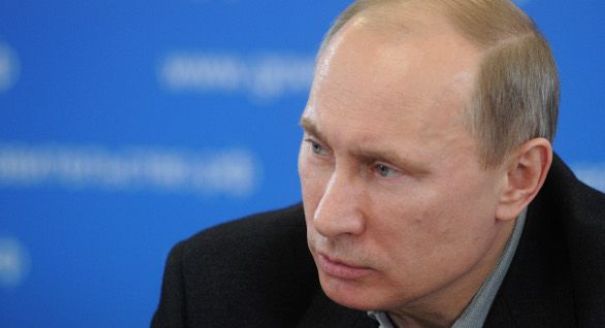
Source: Getty
In the aftermath of the presidential elections, Putin’s uncertain political position and weakened political strength may prove both a domestic and international limitation.
Source: The Moscow Times

Following the March 4 election, the Kremlin began tightening the screws with crackdowns on mass rallies and protesters, and taking a hard line on the criminal cases against Alexei Kozlov and Pussy Riot. The authorities have made it abundantly clear that they have no intention of liberalizing anything. They intend to put the millions of Internet "hamsters" back in their cages, leaving radical "professional revolutionaries" as the primary public face of the opposition.
The only bright spot in this otherwise gloomy picture has been the announcement that the authorities are willing to register the Republican Party led by Vladimir Ryzhkov. This is part of a larger tactic of dividing and marginalizing the opposition.As President-elect Vladimir Putin begins his next term as national leader, we are witnessing an accelerating kaleidoscope of activity that was previously hidden from public view — political infighting punctuated by plaintive cries and angry roars as the bloody scraps of political battles are bandied about.
A few recent examples are the dismissal of St. Petersburg police chief Mikhail Sukhodolsky, who until recently was an influential first deputy of the Interior Ministry; investigations in the criminal case against Renova founder Viktor Vekselberg and his contentious departure from the RusAl board of directors; the public scandal concerning Federal Space Agency director Vladimir Popovkin, whose head was bashed with a bottle during a drunken brawl in his office; and the publication of incriminating material on First Deputy Prime Minister Igor Shuvalov and his wife, who reportedly received tens of millions of dollars in compensation from billionaires Yevgeny Shvidler and Alisher Usmanov in exchange for huge state loans and other preferential treatment.
Putin is in a sticky situation. His uncertain political position makes him a hostage to the major business and political clans, thus greatly limiting his flexibility in making political and staffing appointments.
Moreover, Putin lacks the political strength to radically improve his image as the "bad cop" spouting tough anti-Western rhetoric. Putin must now rely on outgoing President Dmitry Medvedev, who may serve as prime minister for most of Putin's six-year term, to provide a democratic face to the government. Oligarch Mikhail Prokhorov may also be able to provide Putin's administration a modern, Western face if he accepts an official, or unofficial, role in government.
From 2000 to 2007, Putin managed to ride the wave of economic growth and prosperity. During the subsequent economic downturn, he funded his populist policies with the large budgetary reserves built up during the boom years.
But now that the election is over and the time has come to backtrack from costly populist policies, Putin is unable to persuade the country that the huge airplane flying Russia's passengers is headed for a sharp fall. It is very possible that somebody else will have to manage this rough landing in a couple of years, when the state's financial reserves have been depleted and no other options remain.
Former Scholar-in-Residence, Society and Regions Program, Moscow Center
Nikolay Petrov was the chair of the Carnegie Moscow Center’s Society and Regions Program. Until 2006, he also worked at the Institute of Geography at the Russian Academy of Sciences, where he started to work in 1982.
Recent Work
Nikolay Petrov
Nikolay Petrov
Beijing is trying to navigate the overall situation regarding Ukraine, especially the substance of interactions between Washington and Moscow.
Ellen Nakashima, Zhao Long, Pavlo Klimkin, …
While China will remain a significant political and economic force in the Global South, its ambition to leverage the Global South as a counterbalance to the United States and the Global North is far from assured.

Xue Gong
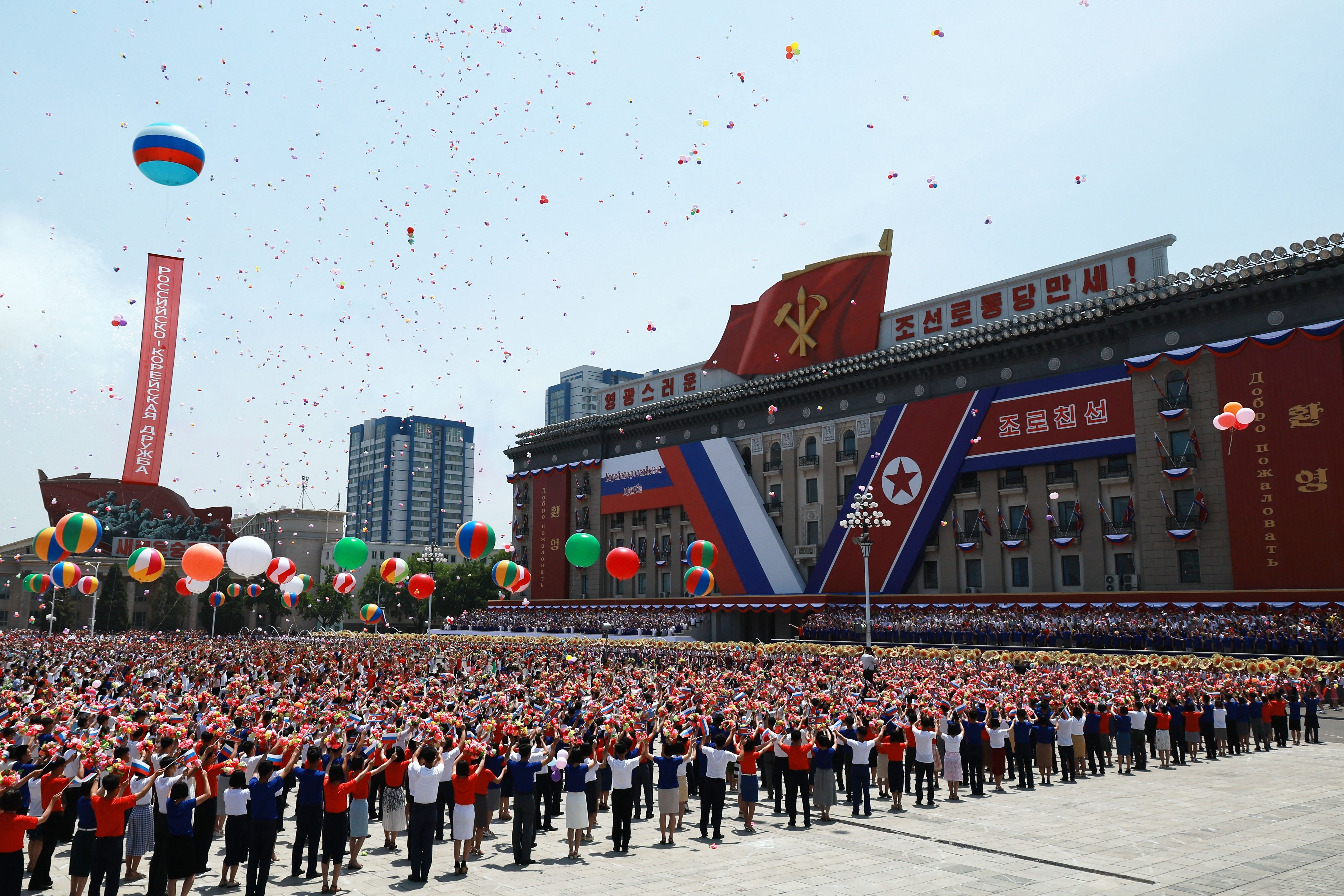
Faced with an increase in strategic maneuvering by Moscow and Pyongyang, Beijing will not sit idly by and allow Putin and Kim to shape the security environment on its behalf.

Tong Zhao
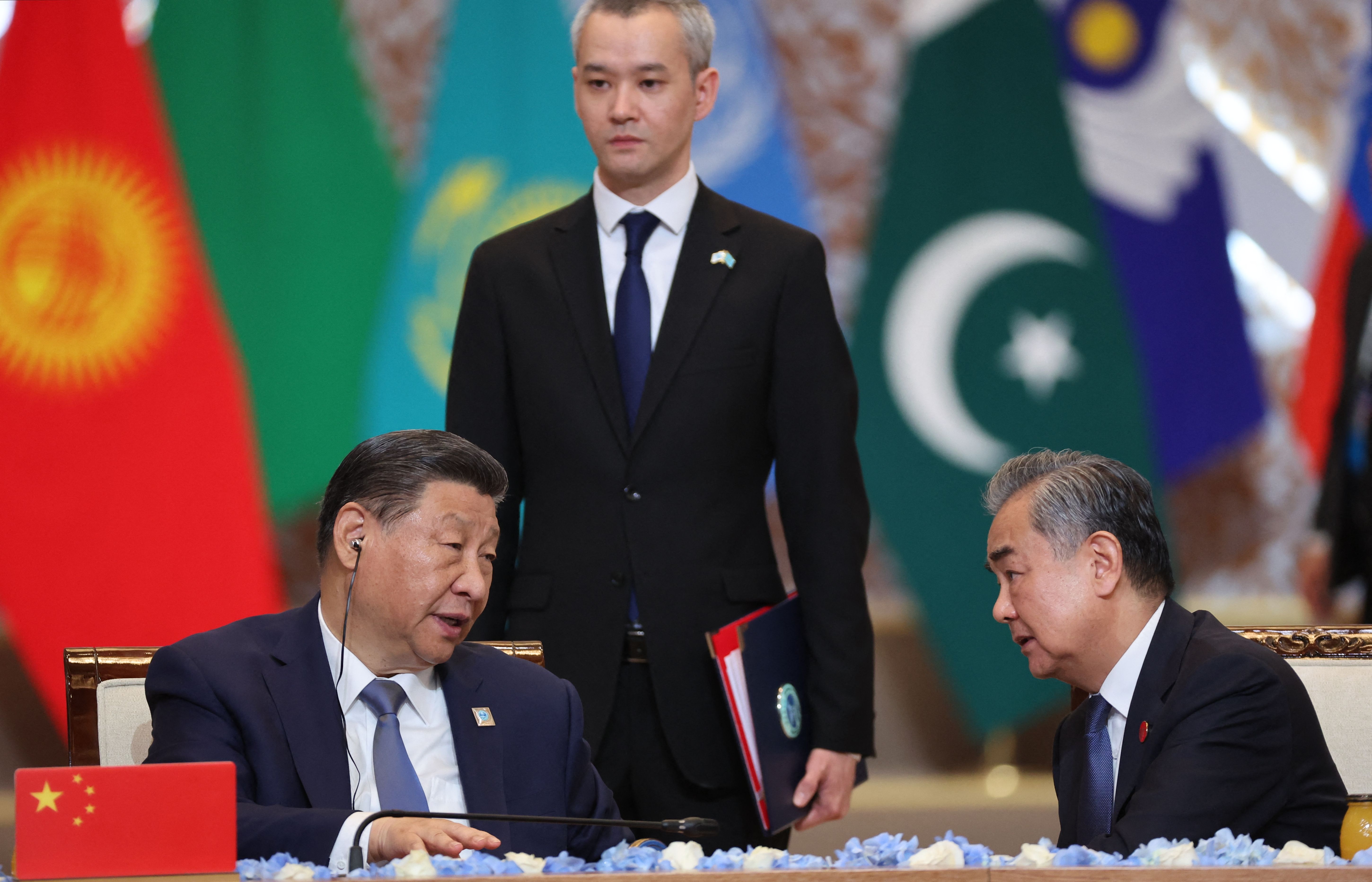
China’s growing attention to Central Asia is perceived as a harbinger of tectonic shifts in regional geopolitics.

Temur Umarov
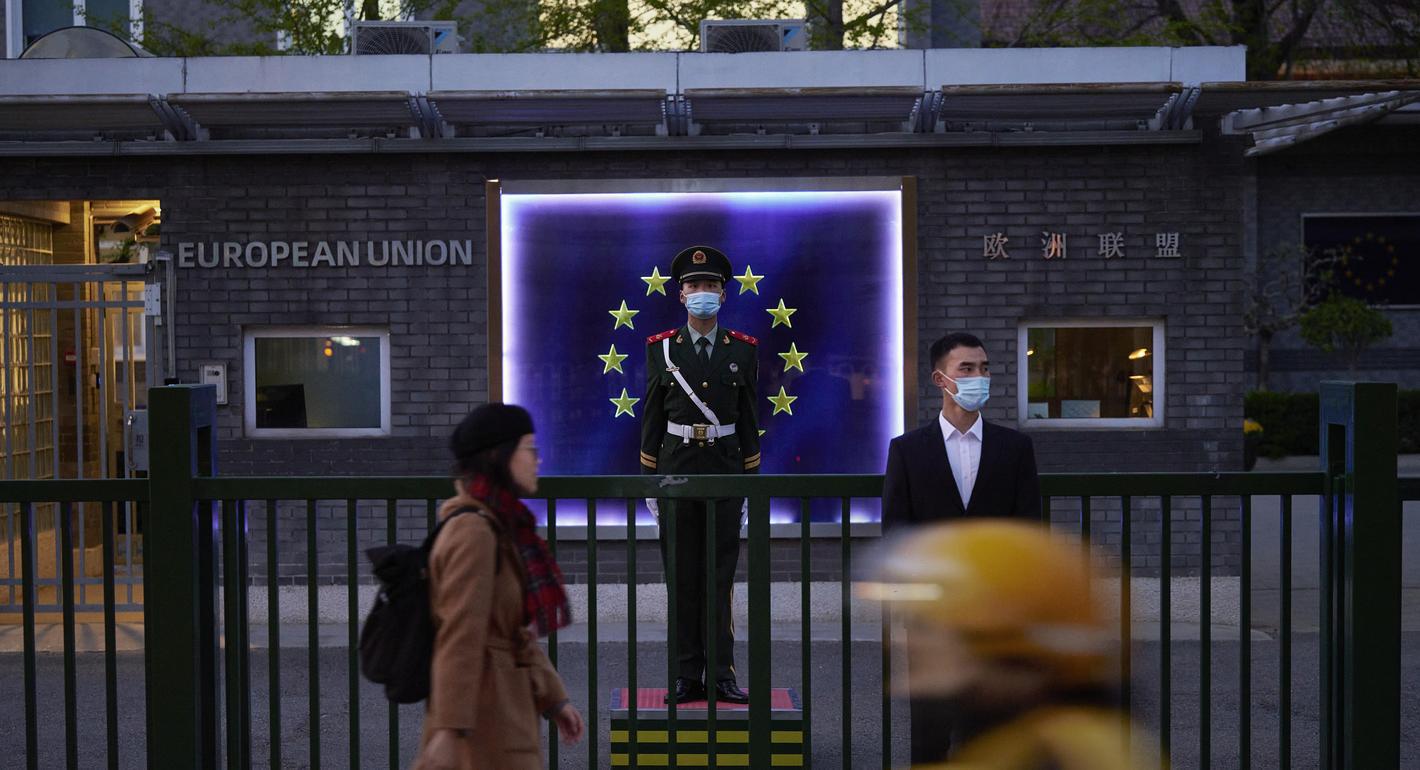
The Russian invasion of Ukraine is a turning point in the EU-China relationship, and evolution of the China-Russia relationship will continue to impact EU-China relations.
Yifan Ding, Alice Ekman