

Commentary
Nikolay Petrov
{
  "authors": [
    "Nikolay Petrov"
  ],
  "type": "legacyinthemedia",
  "centerAffiliationAll": "",
  "centers": [
    "Carnegie Endowment for International Peace",
    "Carnegie Russia Eurasia Center"
  ],
  "collections": [],
  "englishNewsletterAll": "",
  "nonEnglishNewsletterAll": "",
  "primaryCenter": "Carnegie Russia Eurasia Center",
  "programAffiliation": "",
  "programs": [],
  "projects": [],
  "regions": [
    "Caucasus",
    "Russia"
  ],
  "topics": []
}
Source: Getty
In spite of the fact that the pace of political reform in Russian is slowing, the political elites in many Russian regions have already started preparations for the reinstatement of direct elections of governors and mayors.
Source: The Moscow Times

It is obvious that the Kremlin has decided to slow the pace of reform now that the presidential election is over and the protests have quieted down. This is especially important with regard to gubernatorial elections because the Kremlin wants to remove the weakest and most unpopular regional leaders and ensure its control over the regions prior to the start of elections scheduled for this fall.
The fact that the Kremlin is still appointing new governors even after a bill calling for direct gubernatorial elections has been sent to the Duma suggests that it still does not understand that direct elections are not a concession to the opposition but a prerequisite for the survival of the political system.The contrast between the Kremlin's words and deeds was most apparent in the Primorye region, where a new governor was installed on the eve of the March presidential election. Governor Sergei Darkin was replaced by Vladimir Miklushevsky, an outsider who was sent to the region from Moscow a year earlier to head a university. It is hard to imagine that an educator from Moscow will be able to exercise tight control over a region that is so heavily criminalized. It is even more unlikely that he would win in free elections if they were held now.
The authorities have promised to pass a law on gubernatorial elections by May while at the same time saying they might significantly delay implementation of the law until corresponding regional laws can be prepared. But it seems that the delay will be difficult to put into practice, just like the infamous "presidential filter."
Perm Governor Oleg Chirkunov is the only regional leader so far to announce that he would resign if the law on gubernatorial elections is passed. He also issued orders to prepare the regional version of the law as quickly as possible. The first gubernatorial elections — slated for the Novgorod and Perm regions — could set off a domino effect. Once the citizens of these regions elect their governors, the people of Moscow, St. Petersburg, Yekaterinburg, Irkutsk, Samara and other regions will demand the right to do the same.
In addition, the process of reinstating the direct election of mayors in cities where they had been eliminated has already begun. In particular, the election in Yaroslavl on Sunday showed that politically active Russians consider elections held anywhere in the country as their own elections.
The political elites in many regions have already started preparations for elections and nothing can stop them — not the rulers' desire to delay elections as long as possible, nor the long terms that incumbent governors were appointed to serve.
In the end, the reinstatement of direct gubernatorial elections will be a more rapid process than their elimination was in the 2000s.
Former Scholar-in-Residence, Society and Regions Program, Moscow Center
Nikolay Petrov was the chair of the Carnegie Moscow Center’s Society and Regions Program. Until 2006, he also worked at the Institute of Geography at the Russian Academy of Sciences, where he started to work in 1982.
Recent Work
Nikolay Petrov
Nikolay Petrov
Beijing is trying to navigate the overall situation regarding Ukraine, especially the substance of interactions between Washington and Moscow.
Ellen Nakashima, Zhao Long, Pavlo Klimkin, …
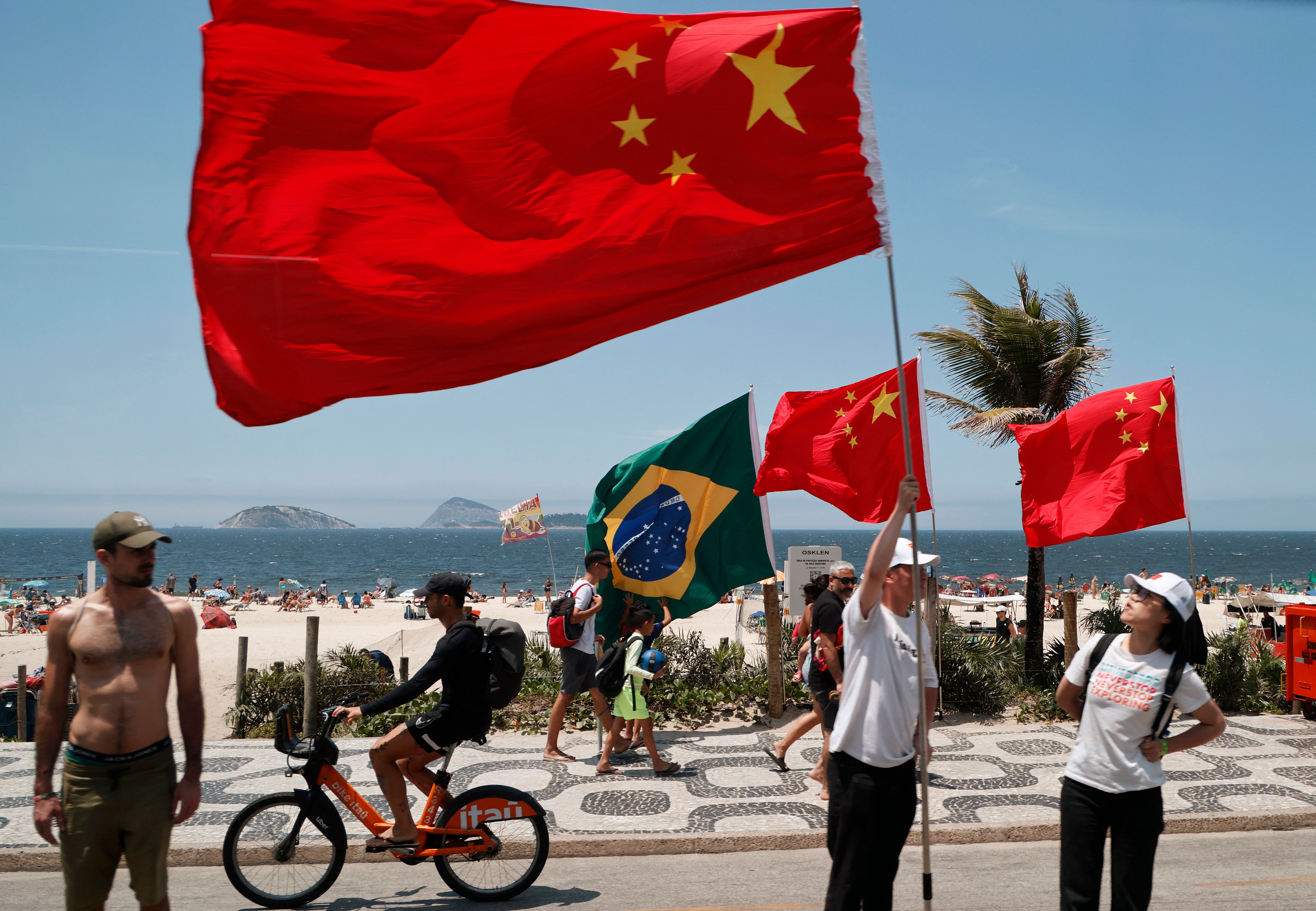
While China will remain a significant political and economic force in the Global South, its ambition to leverage the Global South as a counterbalance to the United States and the Global North is far from assured.

Xue Gong
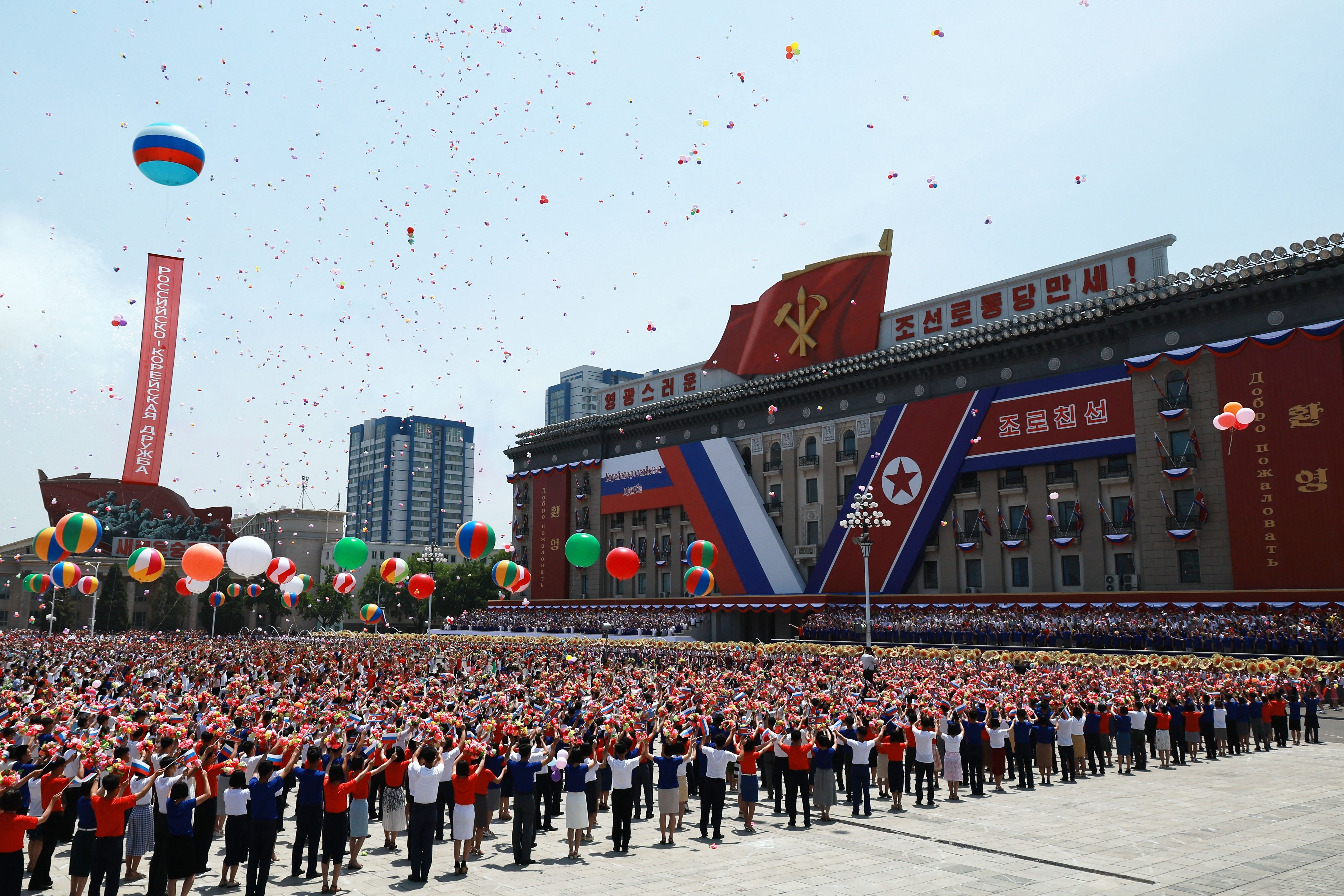
Faced with an increase in strategic maneuvering by Moscow and Pyongyang, Beijing will not sit idly by and allow Putin and Kim to shape the security environment on its behalf.

Tong Zhao
China’s growing attention to Central Asia is perceived as a harbinger of tectonic shifts in regional geopolitics.

Temur Umarov
The Russian invasion of Ukraine is a turning point in the EU-China relationship, and evolution of the China-Russia relationship will continue to impact EU-China relations.
Yifan Ding, Alice Ekman