

Commentary
Maria Lipman
{
  "authors": [
    "Maria Lipman"
  ],
  "type": "legacyinthemedia",
  "centerAffiliationAll": "",
  "centers": [
    "Carnegie Endowment for International Peace",
    "Carnegie Russia Eurasia Center"
  ],
  "collections": [],
  "englishNewsletterAll": "",
  "nonEnglishNewsletterAll": "",
  "primaryCenter": "Carnegie Russia Eurasia Center",
  "programAffiliation": "",
  "programs": [],
  "projects": [],
  "regions": [
    "Caucasus",
    "Russia"
  ],
  "topics": [
    "Political Reform"
  ]
}
Source: Getty
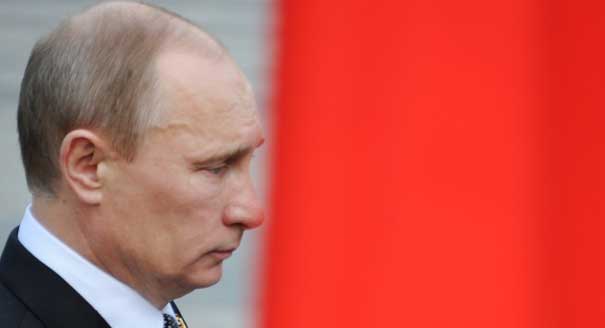
Putin remains the most powerful man in Russia, but the rallies, while failing to yield immediate political change, signal that serious societal shifts are underway.
Source: Washington Post

Putin’s inauguration on Monday was a grandiose, even regal, affair — as if the trappings would offset the defiance of his detractors and reassure the nation (and, perhaps, himself) that he is still the all-powerful, uncontested leader he has been the past 12 years.
Indeed, Putin remains the most powerful man in Russia, but the rallies, while failing to yield immediate political change, signal that serious societal shifts are underway. Putin has responded to these shifts with familiar tactics: He removes the immediate challenge to his monopoly and tightens his grip. But the use of force against protesters on Sunday will not help: The new societal trends run deep. They will weaken his regime and have lasting effects on Russia’s political environment.Russian society can be divided into roughly two constituencies. A conservative majority maintains the Soviet mind-set of dependence on the state; it clings to the status quo in which those at the top make all decisions while the people have no say. And there is a modernized minority used to making independent decisions, whether in career, attitude or lifestyle.
These groups take different views of the leadership’s legitimacy. To the conservative majority, the ruler’s legitimacy lies in the fact that he is at the top. This perception underlies electoral behavior that boils down to voting for the boss.
Such a vote, however, does not imply fondness for the ruler or approval of his governance. In fact, a broad segment of conservative and modernized Russians alike believes that civil servants routinely abuse their authority and that government officials are corrupt and self-seeking and do not care about ordinary people. A nationwide poll conducted by Levada Center last month found that 64 percent of Russians assume they may become victims of arbitrary and lawless actions by the police or prosecutors, and that 55 percent believe they can’t rely on the courts for protection should they be victims of police abuse. Almost half believe that the government uses the power of law enforcement agencies against its political opponents.
Such responses have been consistent over the past decade, yet a majority of Russians voted for the boss, so the same leaders remain in charge. Two-thirds of Russians told the Levada Center they did not expect thievery and corruption to diminish after Putin’s election; expectations were not much higher when Putin was elected in 2000 and 2004. The vast majority of Russians think Putin cares about the support of the top government officials, big business and bureaucrats — only one in five believes he seeks the support of ordinary people. This finding came shortly after Putin’s landslide victory this spring, and while independent election monitoring organizations believed that the offical results were rigged, they did not doubt Putin’s victory.
Until recently, modernized Russians shared the view that ordinary citizens have no effect on policymaking. But this group wouldn’t accept voting for the boss.
To address the differences in society, Putin’s government has effectively offered two tacit pacts. For the conservative majority, the deal is: We deliver and you stay loyal. The government can’t provide services such as just courts or a trusted police force, but at least the high price of oil has supported steady growth in state-funded salaries and pensions.
The deal for the independent-minded minority centers on non-intrusion: You stay away from politics, and we do not interfere with your pursuits. You don’t have to like us or vote for us, you’re free to criticize our performance; and if you really hate us, the door is open: You can leave Russia. This has granted the modernized minority virtually unlimited opportunity for self-fulfillment — as long as they don’t tread into politics.
While the first pact still holds, the second has mostly fallen apart. When the mass protests against Putin’s rule began in December, it became clear that some Russians would no longer turn their backs on politics or put up with the lies, lawlessness and abuses of authority. Many declared that they want to make a difference.
The anti-Putin forces remain weak; they are a loose constituency without a political agenda or broadly recognized leaders. This enables Putin, for now, to dismiss them and proceed with his governance of manipulative politics, centralized power and egregious abuse of executive authority.
In his inaugural address Monday, Putin spoke about unity, common goals and ideals — a direct insult to those tens of thousands who protested his rule and the others (possibly as much as a third of Russians) who sympathize with their cause. Now that their tacit pact with Putin has been ruptured, it can’t be restored. Putin continues to react to their challenge with authoritarian policies and hypocritical rhetoric, which are, in turn, bound to broaden their ranks and further erode his legitimacy. The emergence of a cohesive opposition force will be only a matter of time.
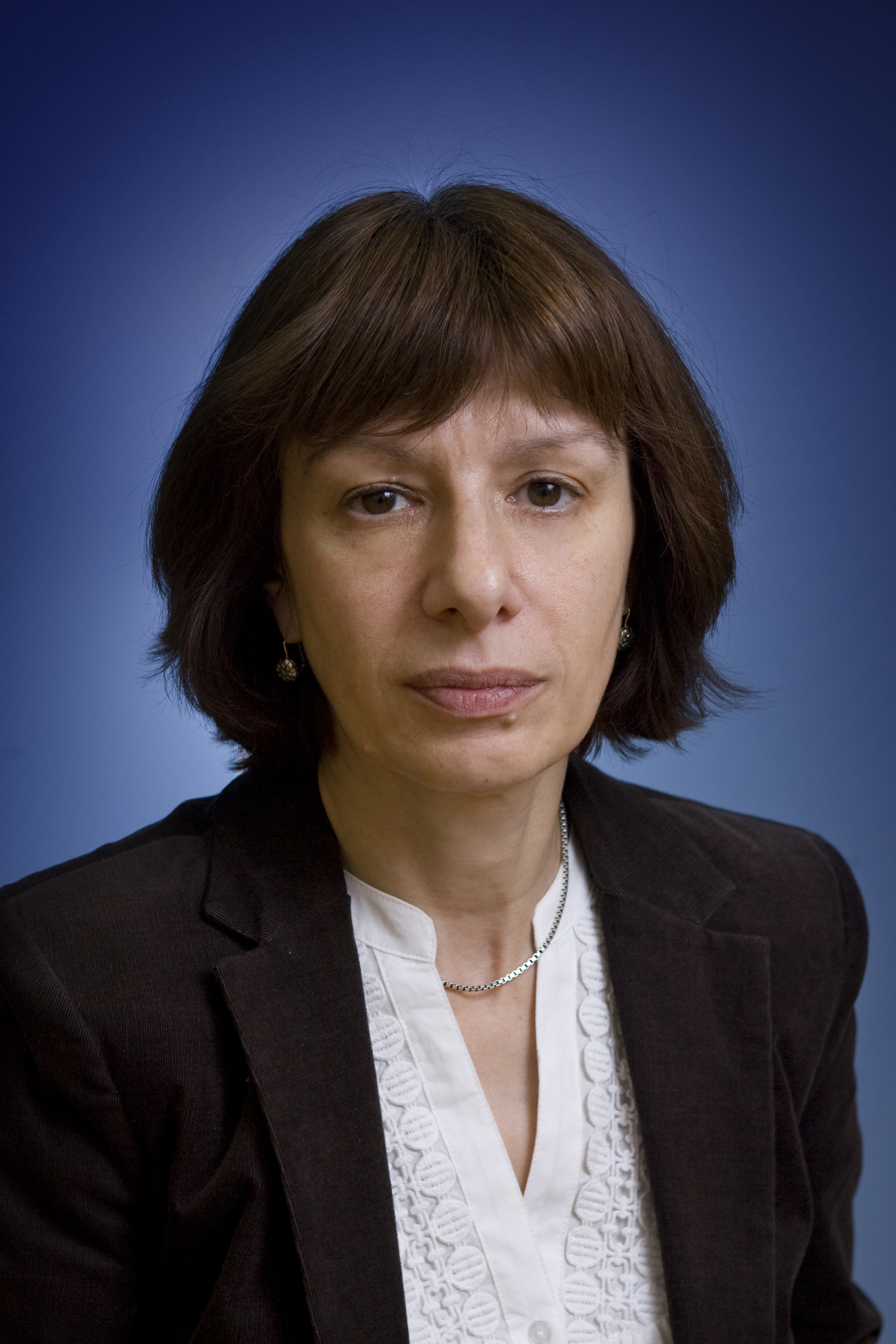
Former Scholar in Residence, Society and Regions Program, Editor in Chief, Pro et Contra, Moscow Center
Lipman was the editor in chief of the Pro et Contra journal, published by the Carnegie Moscow Center. She was also the expert of the Carnegie Moscow Center’s Society and Regions Program.
Recent Work
Maria Lipman
Maria Lipman
Carnegie does not take institutional positions on public policy issues; the views represented herein are those of the author(s) and do not necessarily reflect the views of Carnegie, its staff, or its trustees.
Beijing is trying to navigate the overall situation regarding Ukraine, especially the substance of interactions between Washington and Moscow.
Ellen Nakashima, Zhao Long, Pavlo Klimkin, …
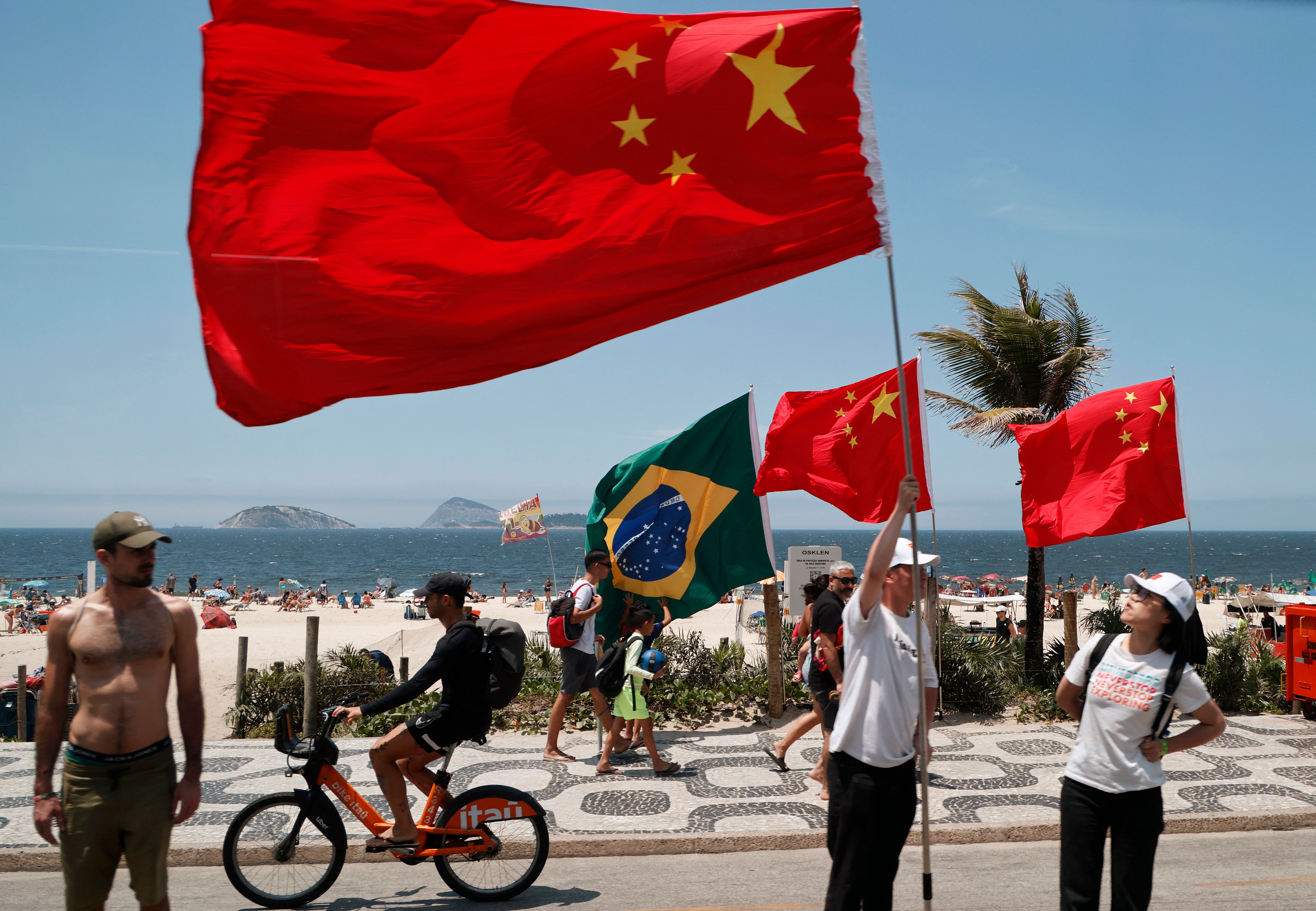
While China will remain a significant political and economic force in the Global South, its ambition to leverage the Global South as a counterbalance to the United States and the Global North is far from assured.

Xue Gong
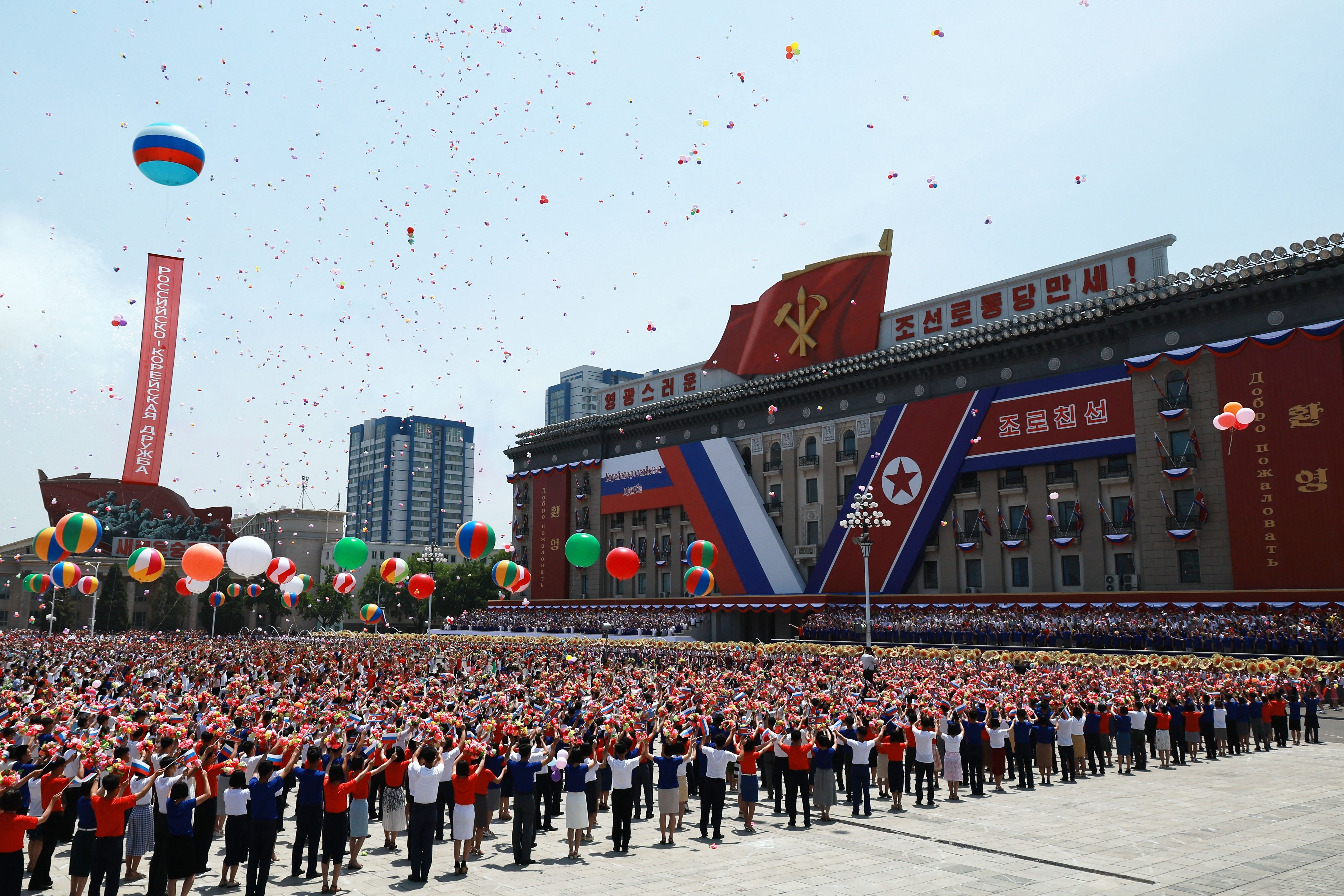
Faced with an increase in strategic maneuvering by Moscow and Pyongyang, Beijing will not sit idly by and allow Putin and Kim to shape the security environment on its behalf.

Tong Zhao
China’s growing attention to Central Asia is perceived as a harbinger of tectonic shifts in regional geopolitics.

Temur Umarov
The Russian invasion of Ukraine is a turning point in the EU-China relationship, and evolution of the China-Russia relationship will continue to impact EU-China relations.
Yifan Ding, Alice Ekman